
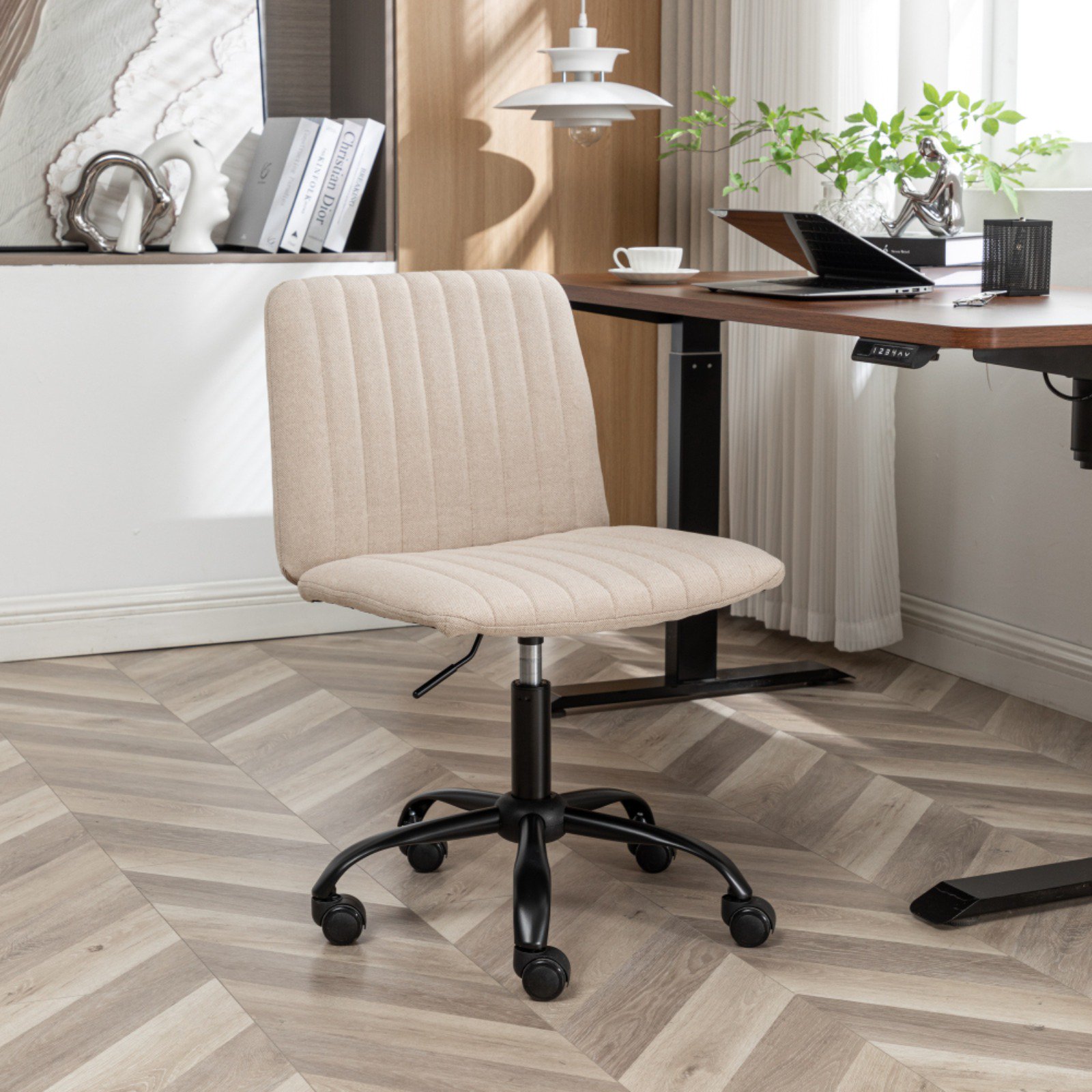
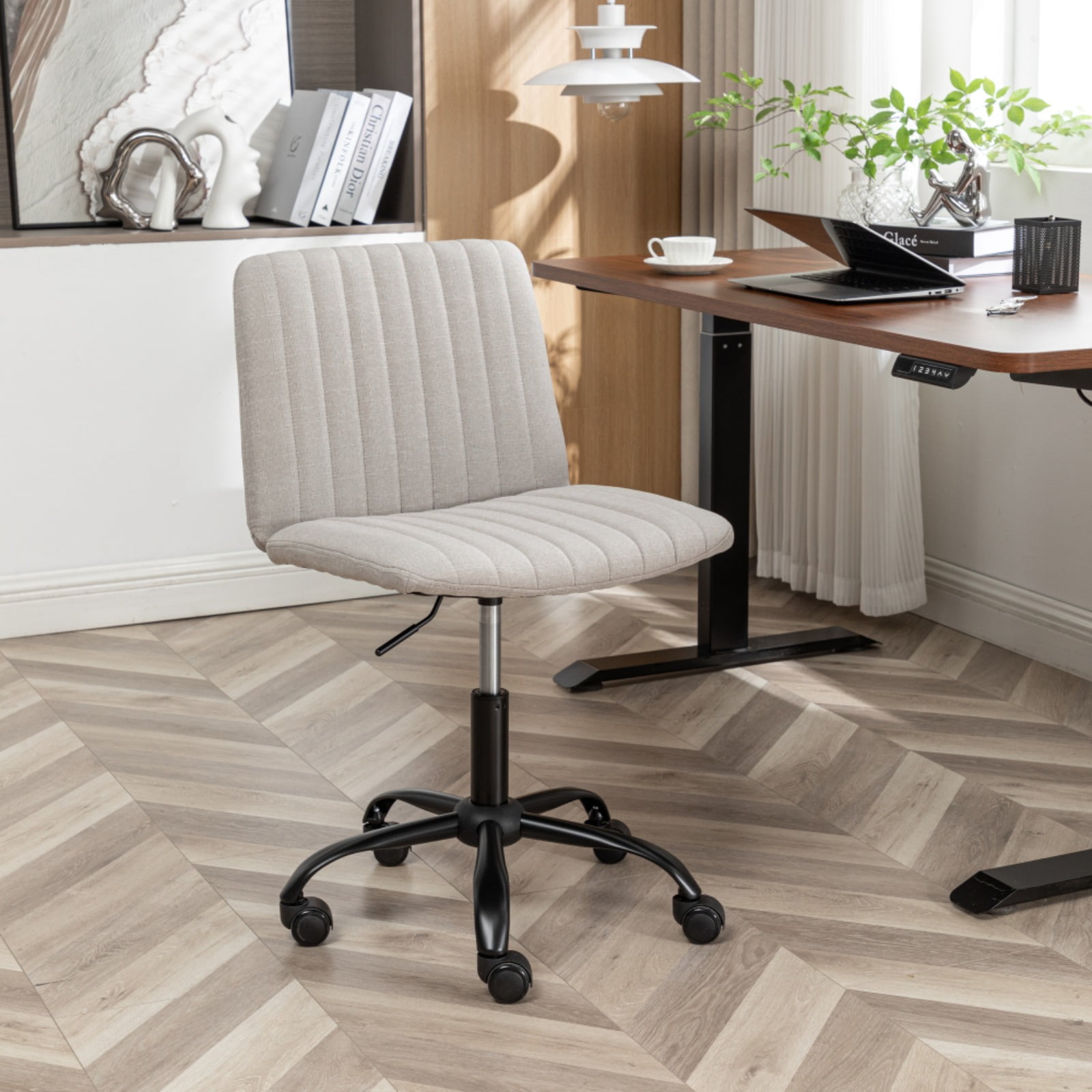
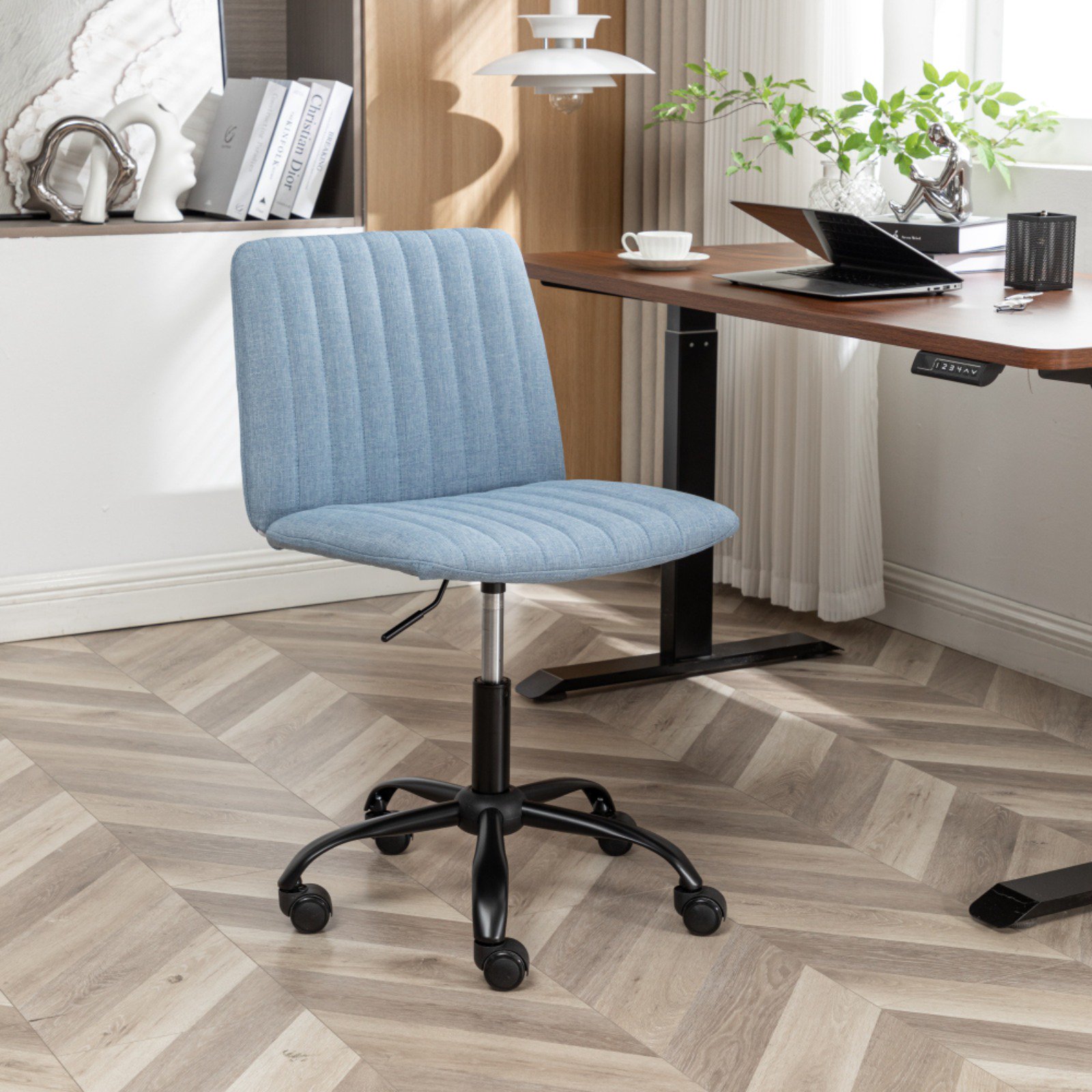
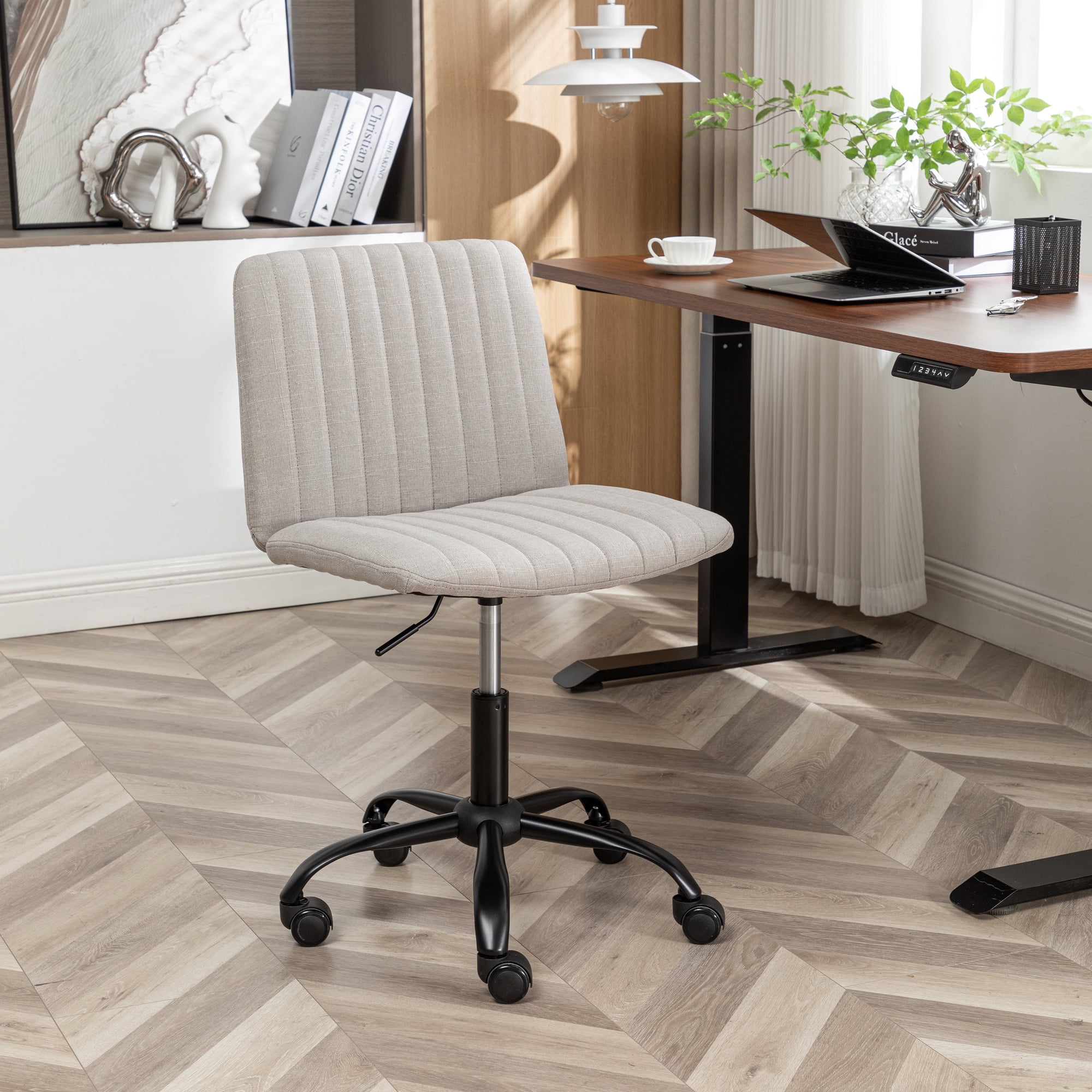
The Complete Guide to Choosing Your Ideal Fabric Office Chair
Imagine settling into your workspace. The chair isn't just a piece of furniture; it's your command center for the next eight hours. If you prioritize a seat that feels inviting, breathes with you, and adds a touch of understated elegance to your office, a fabric office chair is likely your perfect match. Unlike the cool formality of leather or the stark utility of plastic, fabric chairs offer a unique blend of home-like comfort and professional sophistication.
But with so many weaves, densities, and designs available, how do you choose the right one? This guide will walk you through everything you need to know, from understanding fabric performance to finding the perfect ergonomic fit, ensuring your next chair is an investment in both your comfort and your productivity.
1. The Anatomy of a Great Fabric Office Chair
A chair's fabric is more than just a cover; it's a complex system that affects comfort, durability, and maintenance. Understanding the components helps you make a smarter choice.
- Fabric Type & Weave: Not all fabric is created equal. Look for high-performance polyester, nylon, or wool blends. These materials are inherently durable and resistant to pilling. The tightness of the weave is also crucial—a tighter weave is generally more durable and better at resisting spills.
- Foam Density & Quality: The fabric is only as good as what's underneath. High-density foam is the hallmark of a quality chair. It resists sagging and maintains its supportive shape for years. Think of it as the foundation of your comfort—a low-density foam will feel plush at first but will quickly compress, leading to discomfort and back pain.
- Breathability & Climate Control: This is where fabric truly shines. The natural porosity of the material allows air to circulate, preventing the heat and moisture buildup common with synthetic leathers. For those in warmer climates or offices without perfect climate control, a breathable fabric chair is a game-changer for staying cool and focused.
- Abrasion Resistance (Double Rubs): In the furniture industry, durability is measured by the "Wyzenbeek" test, which counts how many times a fabric can be rubbed before showing wear. A rating of 15,000 to 30,000 double rubs is considered heavy-duty commercial grade. For a home office chair that will see daily use, look for a fabric with at least 30,000 double rubs for lasting quality.
Did You Know? According to a study on workplace comfort, 72% of users reported feeling less fatigued at the end of the day when using a chair with breathable fabric, compared to non-breathable materials. This highlights the significant role of climate control in sustained focus.
2. Ergonomics Meets Fabric: Key Features for Support
While the fabric provides the comfort layer, the chair's underlying mechanics provide the support. A great fabric office chair seamlessly integrates ergonomic features with its soft exterior.
- Adjustable Lumbar Support: This is non-negotiable. Whether it's a built-in mechanism or a separate cushion, your chair must support the natural inward curve of your lower spine. Look for chairs with height-adjustable lumbar support to ensure it hits the right spot, regardless of your torso length.
- Seat Depth Adjustment: Also known as a "seat slider," this feature allows you to adjust the length of the seat pan. Proper seat depth means you should be able to fit 2-3 fingers between the back of your knee and the edge of the seat. This prevents pressure on the back of your thighs, promoting healthy circulation.
- 4D Armrests: Your arms should be supported while you type, with your shoulders relaxed. Armrests that adjust in height, width, depth, and pivot (angle) allow you to achieve a perfect, personalized fit, reducing strain on your neck and shoulders.
- Tilt Mechanism & Tension Control: A good recline function isn't just for leaning back; it's for dynamic sitting. A chair that allows you to rock or recline slightly encourages movement, which nourishes spinal discs and reduces stiffness. Tension control lets you adjust how much force is needed to recline, catering to your weight and preference.
3. Fabric vs. The World: A Quick Material Comparison
To truly appreciate the value of a fabric office chair, it helps to see how it stacks up against other popular materials. Think of it like choosing a car interior: leather is sleek but can get hot, while fabric is like your favorite comfortable and breathable athletic wear.
| Material | Breathability | Comfort (Initial) | Durability | Maintenance | Best For |
|---|---|---|---|---|---|
| Fabric | Excellent | Soft & Warm | Very High (with quality weave) | Regular vacuuming, spot cleaning | All-day comfort, temperature-neutral environments |
| Mesh | Superior | Firm & Supportive | Good (can sag over time) | Easy (dusting) | Hot climates, users who prioritize airflow above all |
| Leather (Genuine) | Poor | Firm & Cool | Excellent | Easy (wiping, conditioning) | Executive settings, easy clean-up, cooler climates |
| Faux Leather | Very Poor | Sticky/Plastic-like | Fair (can peel/crack) | Easy (wiping) | Budget-conscious, short-term use |
4. Matching a Fabric Chair to Your Workspace Aesthetic
Fabric chairs offer unparalleled versatility in design. They are the chameleons of the office furniture world, able to fit seamlessly into almost any decor style.
Modern Minimalist
Choose a chair in a neutral grey, charcoal, or beige with clean lines and a tight weave for a sleek, uncluttered look.
Bohemian/ Eclectic
This is where fabric shines. Opt for a chair in a vibrant jewel tone like emerald green or sapphire blue, or one with a subtle texture like a boucle or herringbone weave.
Scandinavian/ Hygge
Focus on comfort and warmth. A light-grey or cream-colored fabric chair with wooden accents and plush, high-density foam creates an inviting and cozy workspace.
Traditional Executive
Don't think fabric can't be executive. A high-back chair upholstered in a rich, dark tweed or a classic wool blend conveys authority while offering a level of comfort leather can't match.
5. Step-by-Step: How to Test a Fabric Office Chair
Before you commit (or even after it arrives), here's a simple 5-step "test drive" to ensure the chair is right for you:
- The 15-Minute Sit: Sit in the chair for at least 15 minutes. Don't just perch; work as you normally would. Type, read, and lean back. Pay attention to any pressure points that develop over time.
- The Lumbar Check: Adjust the lumbar support. Does it hit the small of your back? Is the pressure supportive without being aggressive? A good lumbar system should feel like a supportive hand, not a poke.
- The Armrest Alignment: Set the armrests so your shoulders are relaxed and your elbows are at a 90-degree angle while typing. Type for a few minutes to see if this position feels natural and sustainable.
- The Fabric Feel Test: Run your hand across the fabric. Does it feel pleasant? Is it too rough or too slick? Imagine sitting on it for hours in a short-sleeved shirt. The tactile experience matters.
- The Recline & Rock: Lock the recline at different angles and use the tilt tension. Does the movement feel smooth and controlled? A good chair will let you move fluidly between positions.
6. Long-Term Care for Your Fabric Investment
A quality fabric office chair is an investment. With a little care, you can keep it looking and feeling new for years.
- Weekly Vacuuming: Use the upholstery attachment on your vacuum cleaner once a week. This prevents dust, crumbs, and pet dander from working their way deep into the fabric fibers.
- Immediate Spill Response: The moment a spill happens, blot—don't rub! Use a clean, white cloth or paper towel to absorb as much liquid as possible. Rubbing will spread the stain and push it deeper into the fabric.
- Deep Cleaning Routine: Every 3-6 months, do a deeper clean. Use a specialized upholstery cleaner or a gentle solution of water and a tiny drop of mild dish soap. Lightly spray the solution onto a cloth (never directly onto the chair) and gently dab the fabric. Allow it to air dry completely.
- Professional Cleaning: For major stains or an annual refresh, consider a professional steam cleaning service. They have the tools to deep-clean without over-saturating the fabric.
Choosing a fabric office chair is a decision to prioritize long-term comfort and personalized style. By understanding the materials, ergonomics, and care involved, you're not just buying a chair—you're creating a healthier, more enjoyable, and more productive work-from-anywhere experience.