
Finding the Perfect Big Man Office Chair: A Guide for Plus-Size Professionals
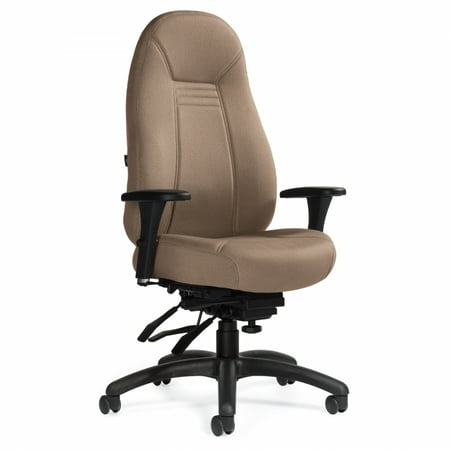
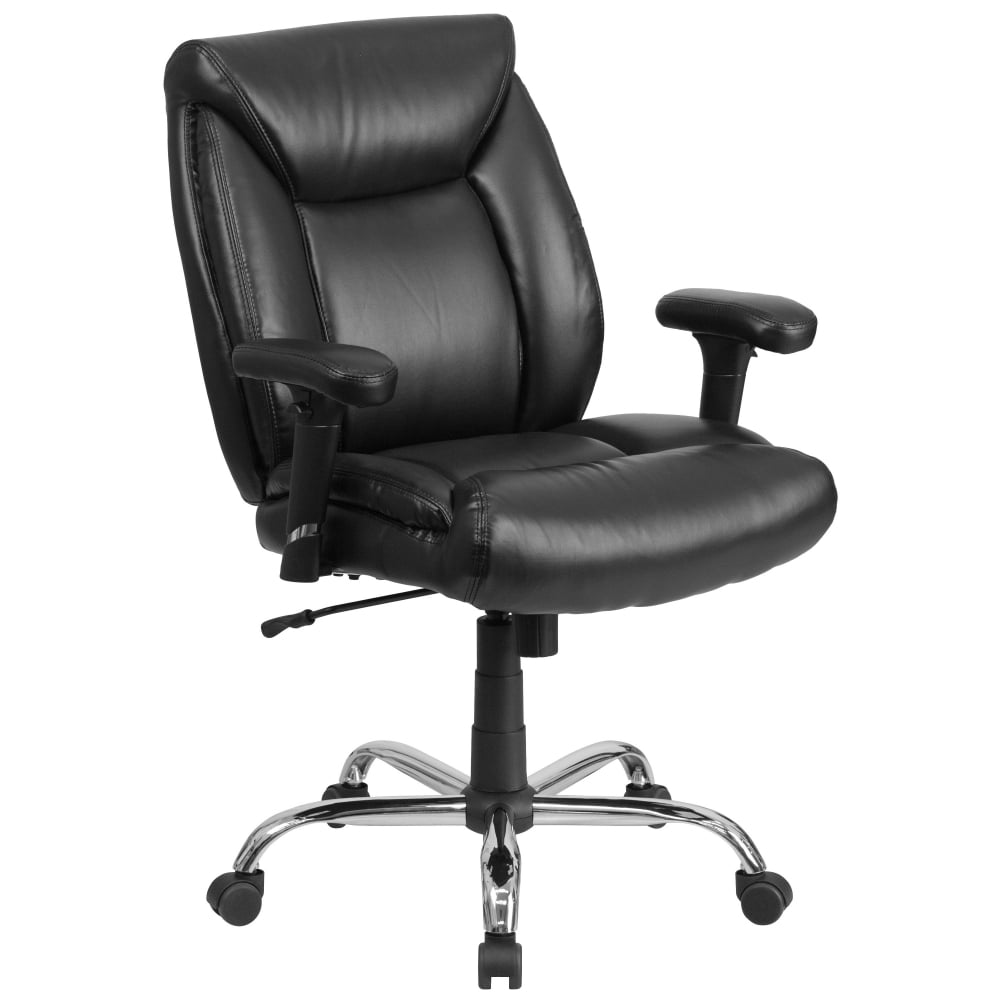
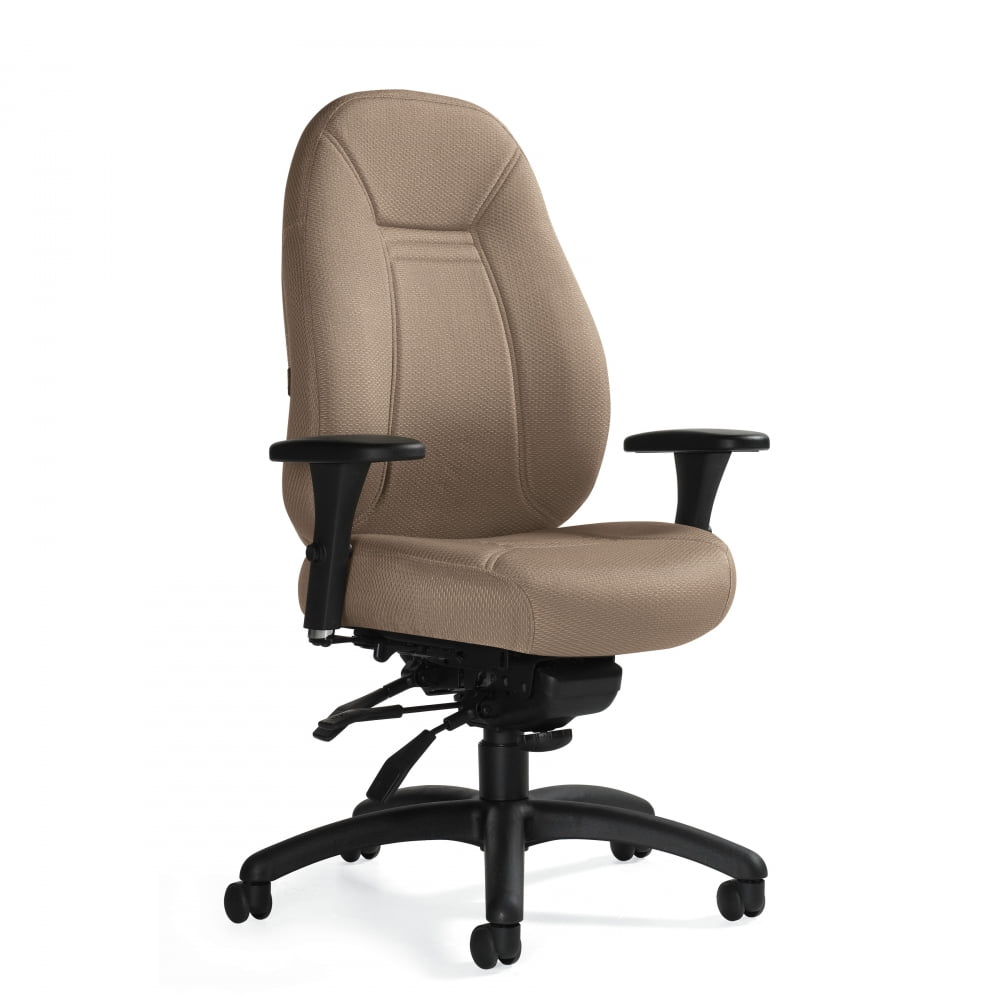
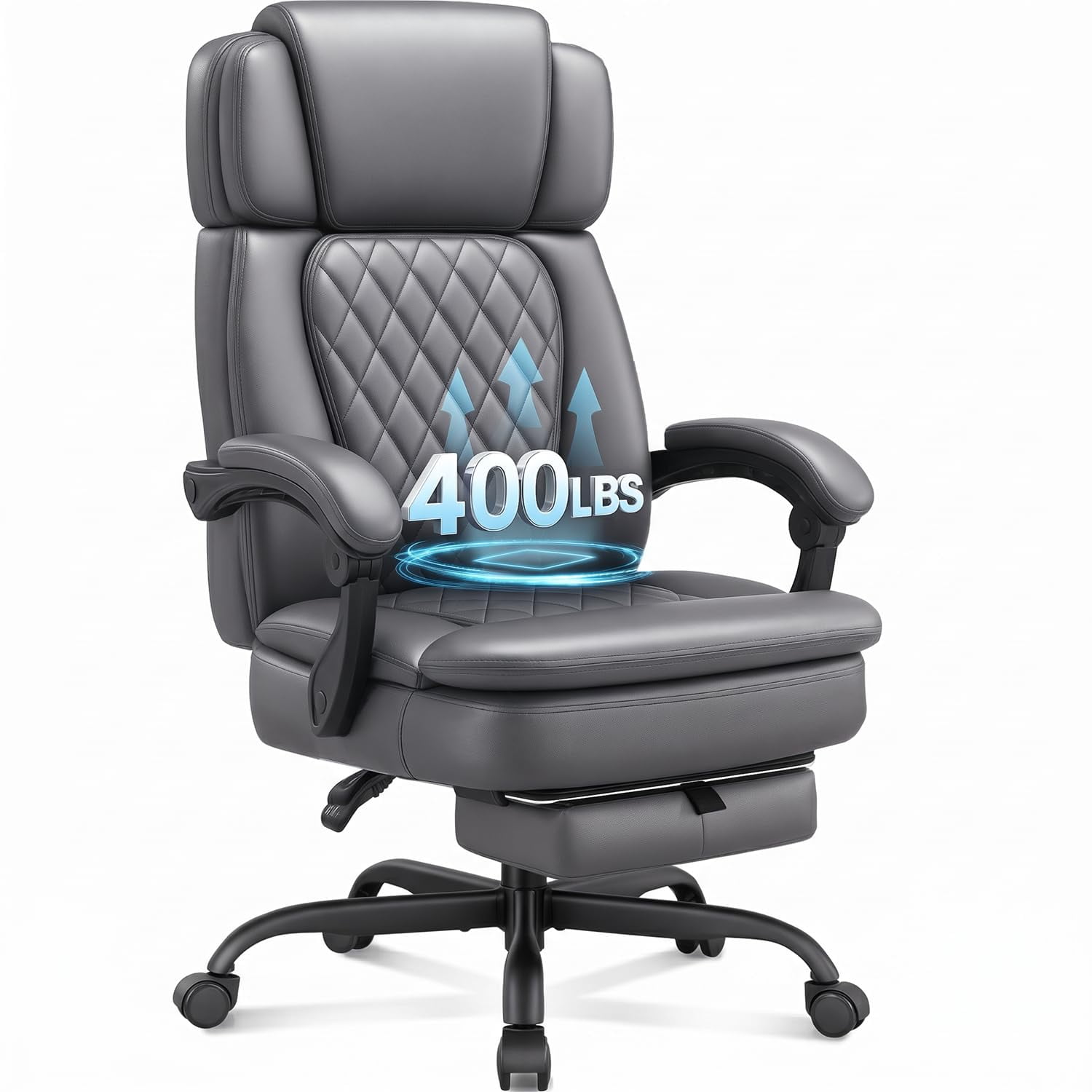
If you're a larger-framed individual, shopping for an office chair can feel like searching for a vehicle that fits—except most chairs are built for an “average” body type that doesn’t represent you. Standard chairs often pinch your hips, collapse under weight, or leave your shoulders unsupported. That’s where big man office chairs come in. These chairs are engineered with wider seats, higher weight capacities (often 400–800 lbs), and reinforced frames. Think of them as the “heavy-duty pickup trucks” of the seating world—they handle the load without breaking down.
According to recent ergonomic studies, 68% of plus-size office workers report chronic discomfort from inadequate seating. A properly sized chair doesn't just feel better—it prevents long-term health issues like sciatica, poor circulation, and joint pain. In this guide, we'll explore every aspect of big and tall seating, from weight ratings to material choices, so you can work with confidence.
Key Engineering Differences in Big Man Office Chairs
Big man chairs aren't just regular chairs with a wider cushion. They undergo structural upgrades to ensure safety and longevity. Here are the critical components that set them apart:
1. Frame and Base Construction
Standard chairs often use nylon or plastic bases that can crack under 250+ lbs. Heavy-duty models feature:
- Steel-reinforced frames: Welded steel or thick aluminum prevents twisting and breakage.
- Oversized 5-star base: Wider stance (28–30 inches) increases stability and prevents tipping.
- Class 4 or 5 gas lift: Certified for up to 500 lbs, ensuring smooth height adjustment without failure.
2. Seat Dimensions That Actually Fit
A true big man chair offers seat width from 22 to 30 inches, seat depth adjustable up to 21 inches, and backrest height exceeding 30 inches. This accommodates users with broader hips, longer thighs, and taller torsos. A “waterfall edge” design reduces pressure behind the knees, crucial for maintaining circulation during long sits.
3. High-Weight Capacity Casters & Mechanisms
Even the wheels are upgraded. Dual-wheel casters (often made of hard nylon or polyurethane) distribute weight evenly and roll smoothly on carpets or hard floors. Some heavy-duty chairs use metal hub casters rated for 1,000 lbs static load.
Industry Insight: A study by the National Institute for Occupational Safety and Health found that providing adequately sized chairs for large employees reduced lost workdays due to back pain by 53%. Furthermore, 78% of big and tall users reported improved focus when seated in a chair with proper lumbar and thigh support.
Step-by-Step Selection Guide for Big Man Office Chairs
Follow this practical 4-step process to zero in on your ideal chair:
Step 1: Measure Your Body Dimensions
- Hip width: Measure sitting down, widest point. Add 2–4 inches for ideal seat width.
- Thigh length: From back of buttocks to back of knee. Seat depth should be about 2 inches less than this.
- Overall height: Look for backrest that reaches at least your shoulder blades (if no headrest) or fully supports head if headrest is present.
- Weight: Be honest. Add 50 lbs safety margin to the chair's rated capacity.
Step 2: Match Weight Capacity and Build
- 300–400 lbs range: Solid for average big builds, but check for steel frame.
- 400–600 lbs range: Ideal for most large executives; includes reinforced gas lift and wider seat.
- 600+ lbs range: Bariatric-grade; often includes extra thick padding and heavy-duty tilt mechanisms.
Step 3: Prioritize Ergonomic Adjustments
Because one size doesn’t fit all, look for these adjustable features:
- Adjustable lumbar support: Both height and depth to match your spine's curve.
- 3D or 4D armrests: Width, height, and angle adjustments to support arms without hunching.
- Seat slider: Allows you to move the seat pan forward/backward for proper thigh support.
- Recline with lock: Helps shift pressure and relax between tasks.
Step 4: Choose Materials Wisely
- Breathable mesh: Ideal for hot climates, conforms to shape, easy to clean.
- Premium bonded leather or fabric: Offers plush feel; ensure it’s rated for high abrasion (double-rub count >100,000).
- High-density foam: Avoid cheap foam that flattens. Look for “cold-cured” foam or memory foam toppers.
Big Man Office Chair Weight Classes at a Glance
| Weight Class | Typical Capacity | Seat Width | Recommended For |
|---|---|---|---|
| Standard Heavy-Duty | 300–400 lbs | 22–24 inches | Big frames that need extra reinforcement but not extreme width |
| Big & Tall | 400–500 lbs | 24–28 inches | Most plus-size executives; balances comfort and office aesthetics |
| Bariatric / Super Heavy-Duty | 500–800 lbs | 28–32 inches | Maximum support and width; often used in medical or 24/7 settings |
Material Durability: What Lasts Under Heavy Use?
Big man chairs endure more friction and pressure. Here’s how materials stack up:
Best for Breathability
- High-tensile mesh: Won't sag, keeps you cool, supports up to 500 lbs if frame is steel.
- 3D spacer fabric: Used in some premium chairs, offers airflow and elasticity.
Best for Plush Comfort
- Thick memory foam + leather: Contours to body but may retain heat. Look for “gel-infused” foam.
- Multi-layer foam: Firm base + soft top layer prevents bottoming out.
Avoid These
- Thin bonded leather (peels quickly under pressure).
- Standard mesh (<300 lb rating can stretch out).
- Plastic armrests without padding (cause elbow pain).
Think of a big man office chair like a suspension bridge: the cables (frame), towers (gas lift), and roadway (seat) must all work together. If one component is weak, the whole system fails. That’s why investing in a chair with UL or BIFMA certification ensures it has passed rigorous safety tests. For example, BIFMA X5.1 standards for office chairs include stability and fatigue tests with weights up to 330 lbs, but heavy-duty chairs often exceed that by 2x.
Health Benefits Beyond Comfort
For larger individuals, a properly fitted chair is a health intervention. Here’s what good support does:
- Reduces pressure points: Wide seat distributes weight, preventing “sitting sores” and numbness.
- Supports natural spine curve: Tall backrest with lumbar reduces slouching, which is common when chairs are too small.
- Improves circulation: No pinched thighs means blood flows freely, reducing risk of deep vein thrombosis during long sits.
- Enhances productivity: 63% of workers in a Cornell study said comfort directly improved their focus.
Frequently Asked Questions About Big Man Office Chairs
Conclusion: Invest in Your Foundation
Choosing a big man office chair is not just about accommodating size—it's about respecting your body's needs. A chair that fits properly is an investment in your daily energy, long-term health, and professional presence. Use the steps and comparisons above to find a chair that feels like it was custom-made for you.