
Why a Small Office Chair With Arms is a Smart Investment
Imagine trying to park a full-size SUV into a compact garage — frustrating, right? That's exactly what happens when you place a bulky executive chair into a small home office or a cramped cubicle. A small office chair with arms is the sedan of seating: agile, perfectly proportioned, and surprisingly comfortable. Whether you're working from a tiny apartment desk, a shared workspace, or a bedroom corner, choosing a compact chair with arms ensures you get the support you need without the spatial drag.
Did you know? According to a 2023 home office survey by the National Home Office Association, 64% of remote workers use a dedicated workspace smaller than 50 square feet. In such settings, a full-size chair can consume up to 30% of the available floor area. Switching to a small office chair with arms reclaims valuable real estate while maintaining ergonomic essentials.
Anatomy of a Perfect Compact Chair With Armrests
Not every small chair is created equal. A true small office chair with arms balances three critical dimensions: seat width, armrest design, and back height. Here’s what to look for:
1. Seat Dimensions That Fit, Not Squeeze
A seat width of 18 to 20 inches is the sweet spot for most adults. It provides enough room to shift position without feeling confined. Depth should be around 16 to 18 inches so the edge doesn’t press into the back of your knees. Look for chairs with a “waterfall” front edge — it reduces pressure on thighs, which is especially important in a smaller seat where you might sit more upright.
2. Armrests: The Make-or-Break Feature
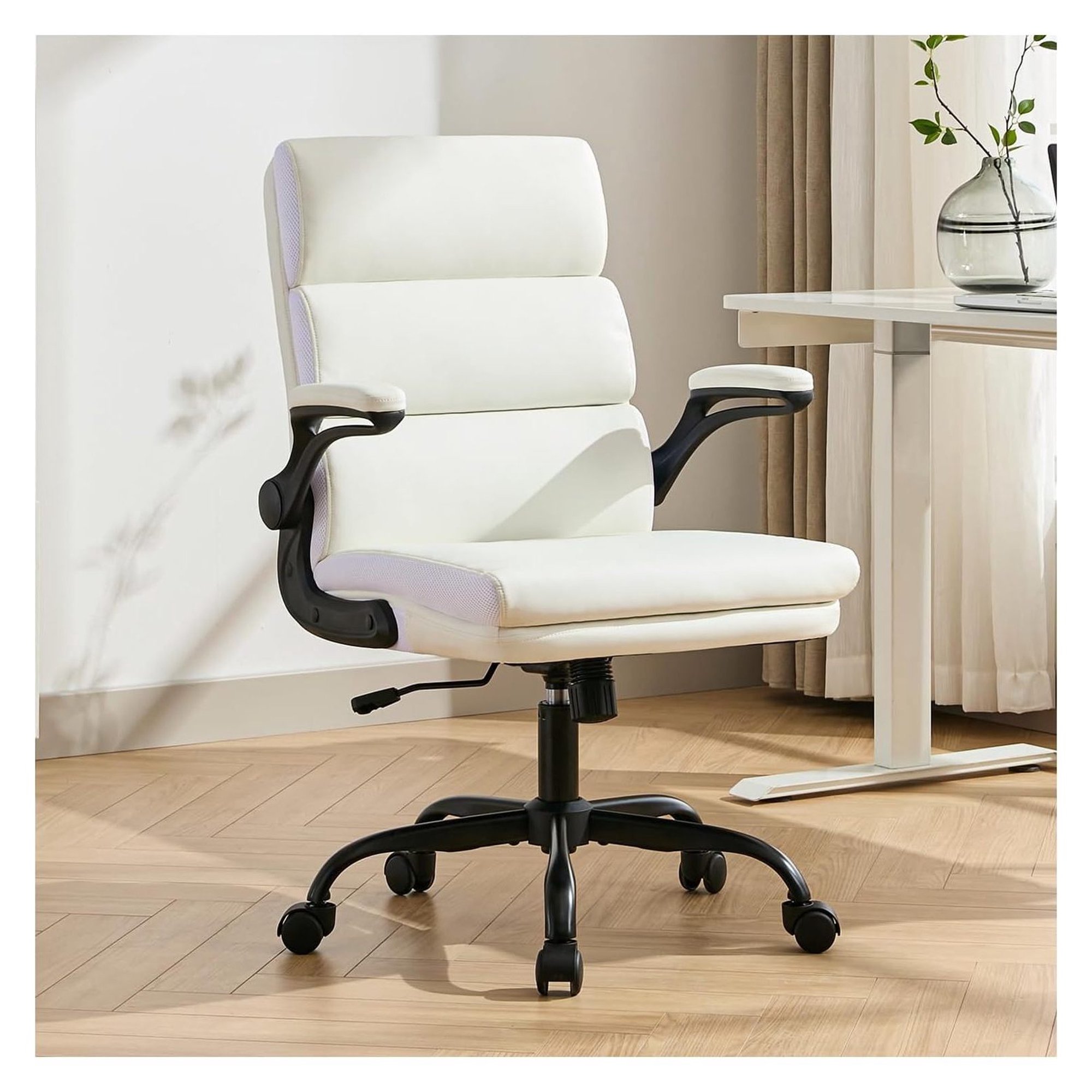
Arms on a compact chair must be thoughtfully designed. There are three common types:
- Fixed low-profile arms: Usually 7–9 inches from the seat, they allow the chair to slide under most desks. Great for saving space when not in use.
- Flip-up arms: A game-changer for tight spaces. You can raise them out of the way when you want to tuck the chair completely under the desk or get closer to your work surface.
- Narrow adjustable arms: These offer height and sometimes width adjustment, but they tend to add a little bulk. Ensure the adjustment mechanism is sleek, not boxy.
3. Backrest Height: Support Without Overpowering
For a small chair, a mid-back design (16–22 inches tall) usually works best. It supports the natural curve of your spine without creating a visual barrier. If you need head support, consider a low-profile headrest attachment rather than a full high-back, which can dwarf a small room.
✅ Pros of Small Chairs With Arms
- Fit into tight corners and small desks
- Often lighter and easier to move
- Can look less imposing in minimalist decor
- Arms reduce shoulder strain compared to armless chairs
- Generally more affordable than full-size ergonomic chairs
⚠️ Considerations
- May not suit taller or larger users
- Fewer adjustment options than big & tall models
- Some models skimp on lumbar padding
- Arm width might still be too wide for very narrow desks
5 Essential Features to Look For (Beyond Size)
When shopping for a compact chair with arms, keep this checklist handy. These features ensure you're not trading comfort for compactness:
- Gas lift with low starting height: For small desks, you often need the seat to go as low as 16–17 inches. Standard lifts start at 18–19 inches — measure your desk height first.
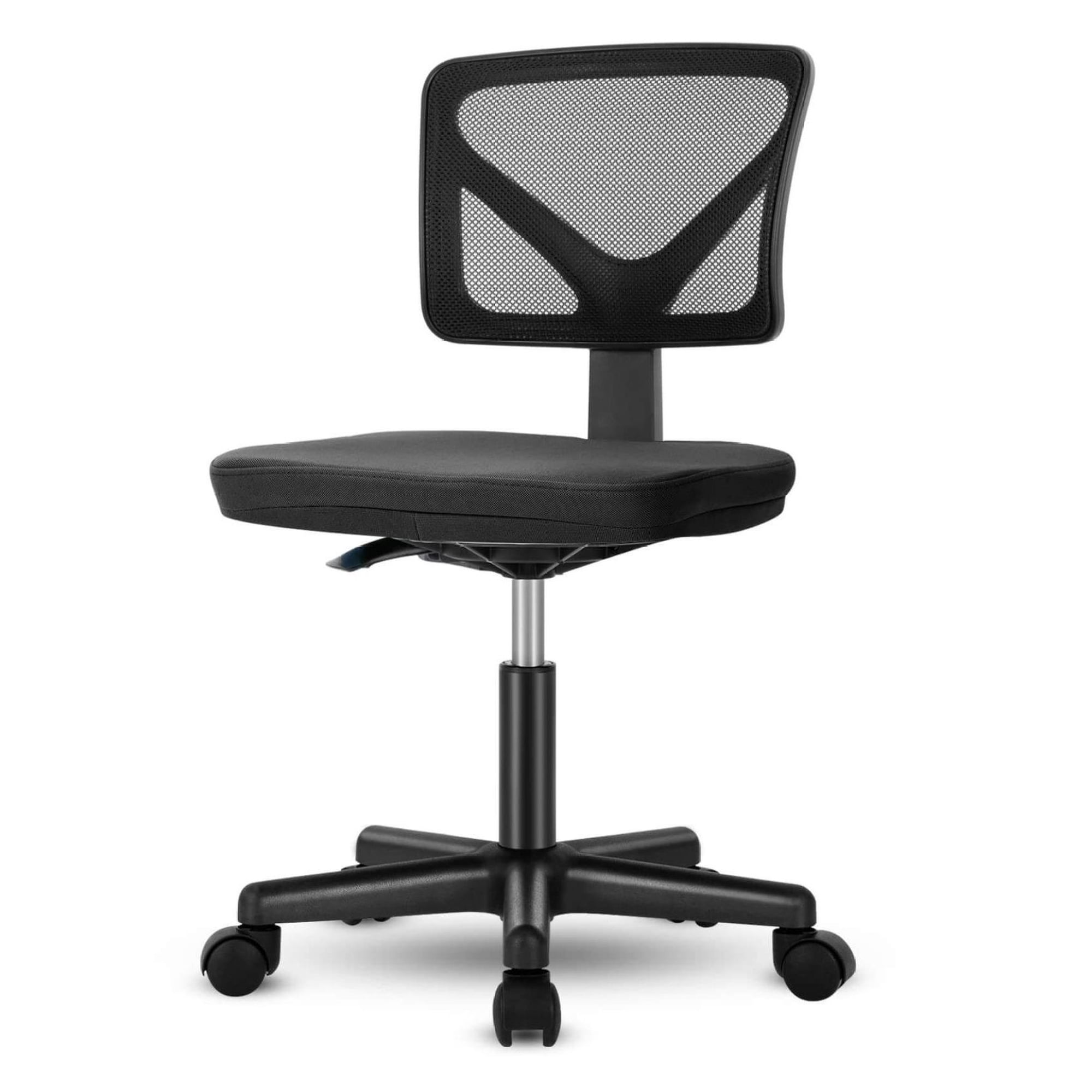
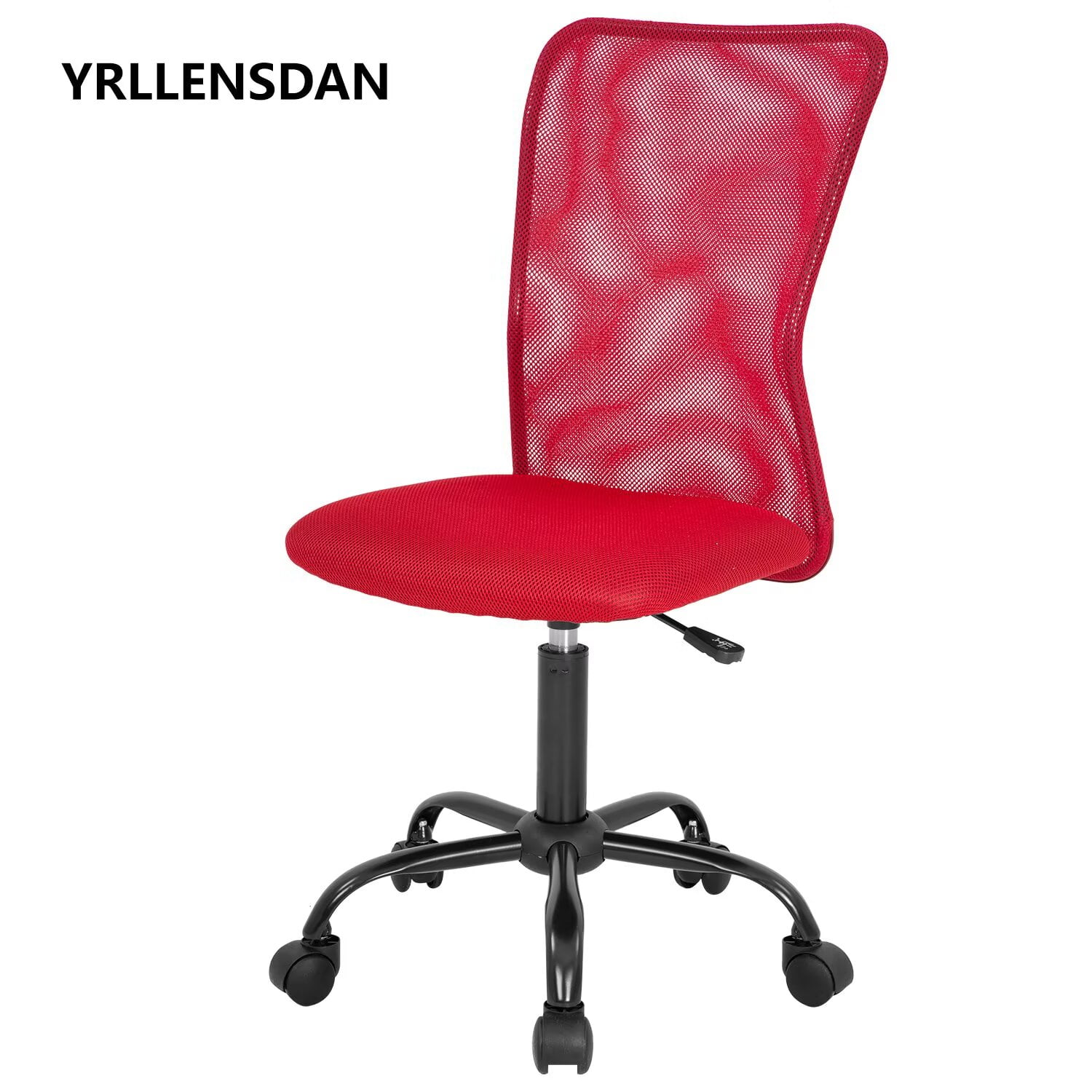
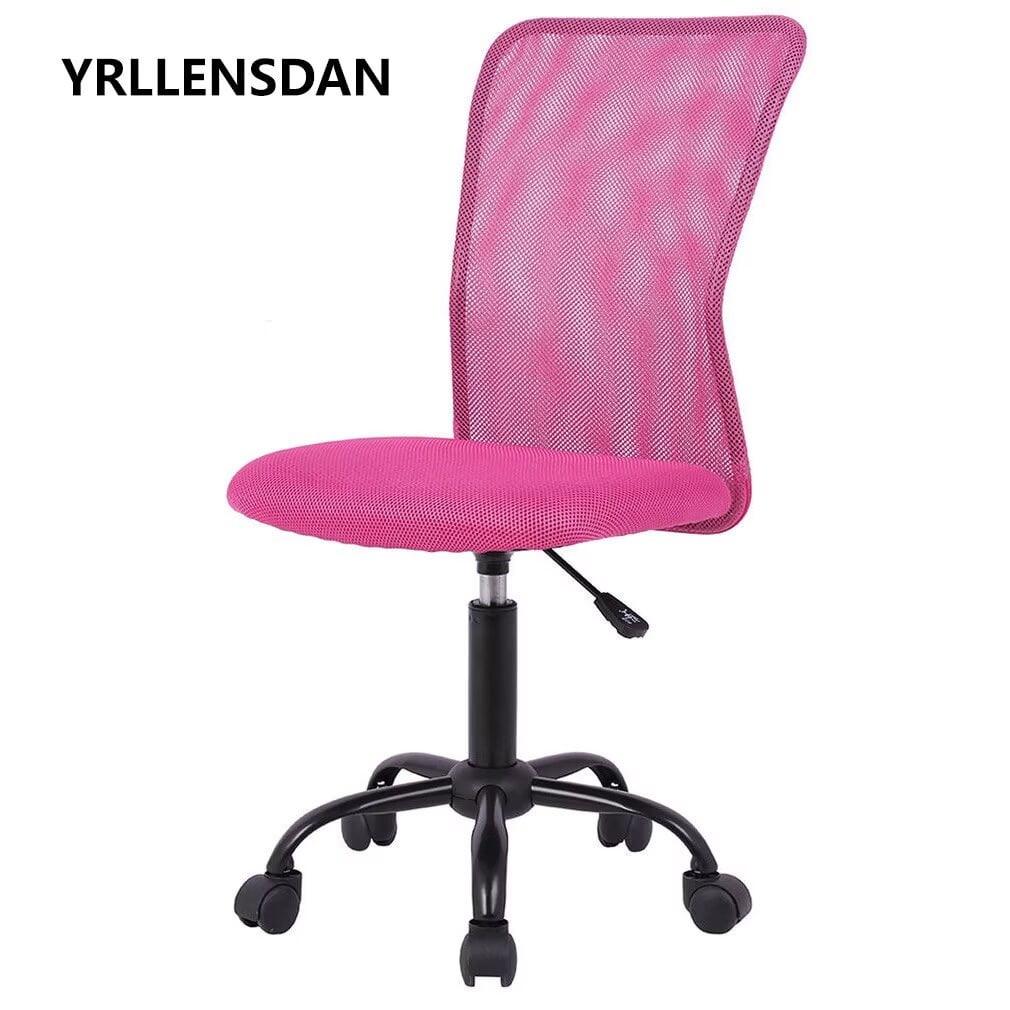
- Breathable material: Mesh backs are ideal for small chairs because they visually recede and keep you cool. If you prefer fabric, choose a light color to avoid a "cave-like" feel in a small room.
- Smooth-rolling casters: In a compact space, you'll pivot and roll frequently. Dual-wheel casters (often called "carpet casters") glide easily and protect floors.
- Sturdy base: Even small chairs need a solid metal or reinforced nylon base. A 5-point base with a diameter under 24 inches ensures stability without excess footprint.
- Removable or washable covers: Small spaces mean less airflow and potentially more stains. Chairs with washable cushion covers are a lifesaver.
Material Matters: Choosing the Right Upholstery
The material of your small office chair with arms affects not only comfort but also the visual space. Here's a quick comparison:
| Material | Best For | Space Impact | Durability |
|---|---|---|---|
| Mesh | Hot climates, long hours | Visually light, recedes | Good (7-10 yrs) |
| Fabric (polyester/wool) | Soft feel, color variety | Can feel cozy; dark colors shrink space | Moderate (5-8 yrs) |
| Faux leather | Easy wipe-clean, sleek look | Glossy can reflect light, but may look bulky | Fair (3-5 yrs, may peel) |
| Breathable knit | Stretchy, modern aesthetic | Very slim profile, almost like upholstered mesh | Good (6-9 yrs) |
Setting Up Your Small Office Chair for Optimal Ergonomics
Even the best compact chair needs proper adjustment. Follow these steps to tailor it to your body and space:
- Step 1: Adjust seat height so your thighs are parallel to the floor, feet flat. Elbows should be at desk height — if arms hit the desk too early, consider flip-up arms or a lower desk.
- Step 2: Set armrests so shoulders are relaxed, not shrugged. If arms are fixed, ensure they don't force you to lean sideways.
- Step 3: Check lumbar support. Many small chairs have a built-in curve. If you feel a gap, add a small lumbar cushion (don't buy a huge one that overpowers the chair).
- Step 4: Test recline tension. Compact chairs often have a simpler tilt mechanism. Make sure it supports slight leaning without feeling tippy.
Pro Tip: In a small room, position your chair so you have at least 2-3 inches of clearance behind you when leaned back. This prevents constant wall bumping and protects both wall and chair.
Who Benefits Most From a Small Chair With Arms?
While these chairs are universal space-savers, they're particularly popular among:
- Apartment dwellers who use a corner of the living room as an office.
- Teens and students with compact bedroom study areas.
- Petite individuals who feel overwhelmed by massive "executive" chairs.
- Minimalists who appreciate clean, low-bulk design.
- Shared workspaces where chairs need to be easily moved and stored.
Frequently Asked Questions About Small Office Chairs With Arms
Final Verdict: Small Chair, Big Impact
A small office chair with arms is not a compromise — it's a conscious choice for smarter living. By selecting a model with the right dimensions, arm style, and ergonomic features, you can create a workspace that feels open, professional, and comfortable. Remember to measure your space, prioritize adjustability where it counts, and never underestimate the value of a chair that fits both your body and your room. Whether you're outfitting a cozy home office or a streamlined corporate cubicle, the perfect compact chair is waiting to support you — without taking over.