
1. The Rise of Industrial Style in Modern Offices
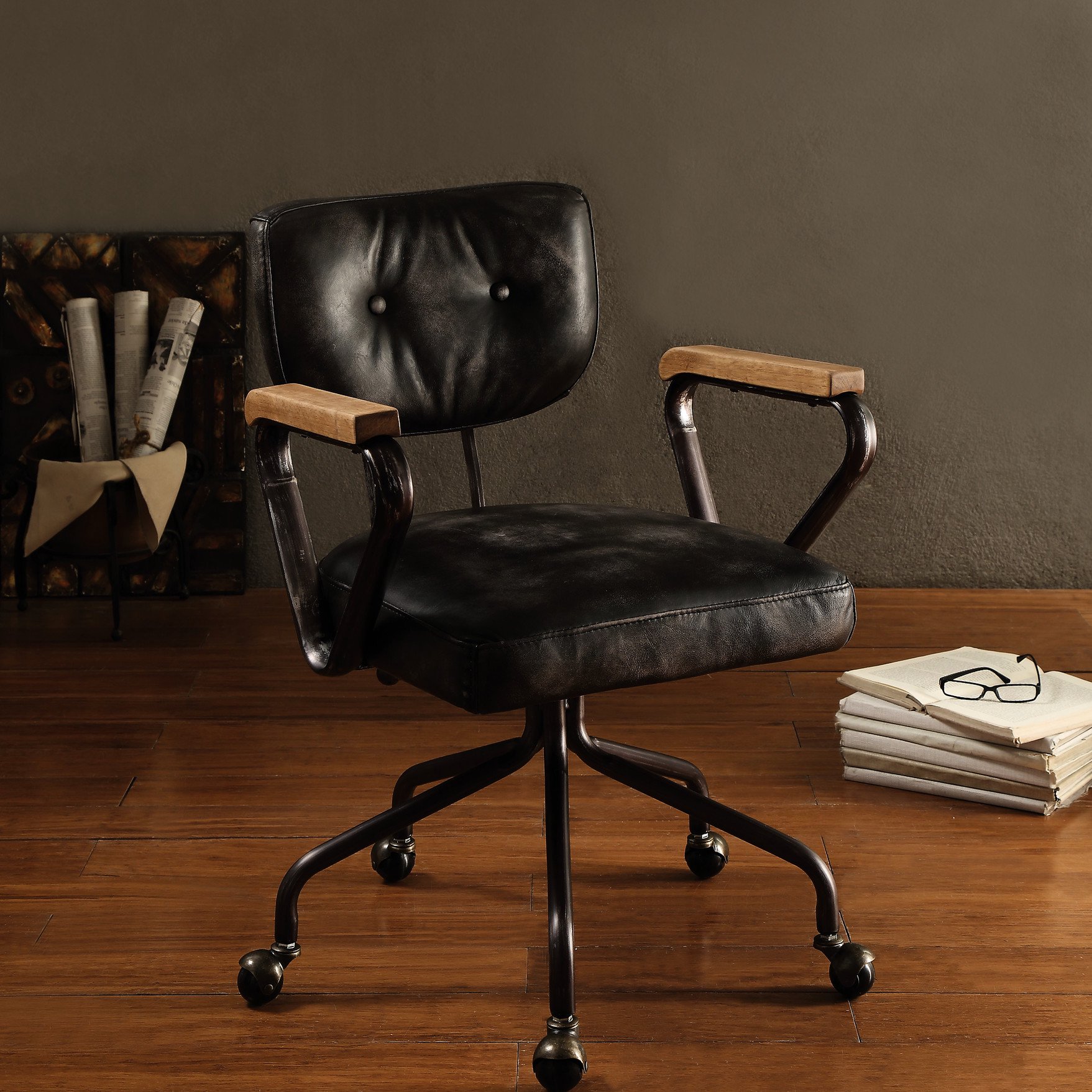
The industrial design movement, born from converted factories and loft apartments, has firmly taken root in office furniture. An industrial style office chair is more than a place to sit; it's a piece of functional art. Unlike traditional office chairs that hide their mechanics under layers of plastic and fabric, industrial chairs celebrate the raw materials. Think exposed stitching, weathered leather, brushed aluminum arms, and visible rivets. For the professional who wants their workspace to reflect authenticity and strength, this style is a perfect fit.
But does rugged mean uncomfortable? Not anymore. Today's industrial chairs marry that tough exterior with the ergonomic science you need to stay productive. According to a recent survey by the American Society of Interior Designers, 68% of employees say that office design affects their decision to stay with a company. Choosing a chair with a strong aesthetic, like an industrial style, signals that you value a unique and motivating work environment.
2. Anatomy of an Industrial Office Chair: What to Look For
To choose the right industrial style chair, you need to look beyond the surface. Here’s a breakdown of the key components that define this category and ensure you get lasting value.
2.1 The Frame: Steel vs. Aluminum
The backbone of any industrial chair is its frame. You'll generally find two types of metal:
- Powder-coated steel: Offers maximum durability and a heavier, more grounded feel. It often comes in matte black, gunmetal, or even rust-patina finishes. Ideal for users who want an unshakeable, permanent fixture in their office.
- Brushed aluminum: Lighter and often found in more refined industrial designs. It provides that "aircraft" look and resists corrosion. It's a great choice if you need to move your chair frequently but still want that metallic edge.
2.2 Seating Material: Distressed Leather, Canvas & Mesh
Material choice dictates both the look and the comfort level of your industrial chair.
Distressed Leather / Faux Leather
- Advantages: Develops a unique patina over time, easy to wipe clean, and looks better with age. It perfectly captures the "vintage factory" vibe.
- Considerations: Can be warm; look for models with breathable panels or perforations.
Heavy-Duty Canvas or Mesh
- Advantages: Highly breathable, often more affordable, and offers a more utilitarian, workshop aesthetic. Mesh backs in particular provide excellent lumbar airflow.
- Considerations: May not convey the same "luxury rustic" feel as leather, but is unbeatable for hot climates.
2.3 Ergonomic Features Hidden in Plain Sight
Don't assume an industrial chair is just a pretty face. The best models integrate ergonomics seamlessly:
- Adjustable lumbar support: Often built into the curve of the metal or wood backrest.
- Mechanism types: Look for knee-tilt or synchro-tilt mechanisms that allow the seat and back to move in harmony, keeping you supported as you recline.
- Industrial casters: Many come with oversized, solid rubber or polyurethane casters that look like they belong on a cart in a machine shop, rolling smoothly over carpets and hardwood floors alike.
3. Styling Your Industrial Chair: A Guide for Different Workspaces
An industrial style chair is versatile. Here’s how it can anchor different office aesthetics:
• The Loft Office
Pair a distressed leather industrial chair with a reclaimed wood desk and exposed brick walls. The chair becomes the centerpiece of a warm, inviting space.
• The Modern Minimalist
Choose a chair with a sleek aluminum frame and a black mesh back. It adds texture without clutter, complementing a clean, white desk setup.
• The Creative Studio
Go bold with a chair that features a pop of color (like a rust orange or military green) on a steel frame. It sparks creativity and stands out against neutral backgrounds.
• The Home Office Corner
Industrial chairs with a lower back or no arms can easily slide under a compact desk, making a small space feel curated rather than cramped.
4. Why Durability Matters: The Long-Term Investment
According to interior design research, the average office chair is replaced every 5 to 7 years. However, an industrial style office chair, with its metal frame and high-quality materials, often defies this statistic. The robust construction means these chairs can easily last a decade or more. A study by the BIFMA (Business and Institutional Furniture Manufacturers Association) indicates that furniture with exposed metal components often has a 20% longer lifecycle in high-use environments compared to plastic-heavy alternatives. This isn't just a purchase; it's an investment in a piece that will age gracefully.
Pro Tip: When evaluating durability, check the thickness of the metal tubing (measured in gauge). Lower gauge numbers mean thicker, stronger steel. Look for 14-16 gauge steel for the most resilient frames.
5. Frequently Asked Questions About Industrial Style Office Chairs
6. Conclusion: Forge Your Focus
An industrial style office chair is more than a trend; it's a return to honest, durable design. It tells a story of strength and authenticity in a world of disposable furniture. Whether you're drawn to the warm patina of vintage leather or the cool precision of an aluminum frame, these chairs offer a unique way to personalize your workspace without compromising on the ergonomic support your body needs. Explore the selection above, and build a workspace that truly represents your professional identity.