
Beyond the Standard: Why a Large Seat Office Chair Changes Everything
Imagine settling into your workspace after a long day, but instead of feeling confined by narrow armrests and a restrictive seat pan, you have room to breathe, shift, and truly relax. For millions of professionals, the standard 18-inch office chair seat is a daily constraint. Enter the large seat office chair—a category of seating designed not just for larger body types, but for anyone who craves the liberating feeling of ample space. It's the difference between squeezing into an economy seat and sprawling out in first class, and your productivity pays the price for that comfort—or lack thereof.
These chairs are engineered with a wider seat base (typically 22 to 30 inches), deeper cushioning, and reinforced frameworks. But a large seat isn't just about dimensions; it's about inclusive ergonomics. It acknowledges that one size does not fit all and that proper support starts with a foundation that fully accommodates your physique. According to a 2023 workplace comfort survey by the Ergonomic Research Institute, 67% of employees who switched to a wider seat reported a significant decrease in hip and thigh discomfort by the end of the workday.
The Anatomy of a Large Seat Office Chair: What Makes It Different?
To understand the value, you need to look under the surface (and the upholstery). A genuinely spacious office chair is a feat of engineering. It's not simply a standard chair with extra padding; it's a completely redesigned structure focused on stability, weight distribution, and long-term resilience. Let's break down the key components that set these chairs apart.
1. The Seat Pan: Width, Depth, and Contour
The seat pan is the star of the show. In a large seat office chair, the pan is both wider and often deeper. This provides full thigh support without the edge digging into the back of your knees, a common issue with standard depths.
- Waterfall Edge: Look for a pronounced waterfall front edge. This curves gently downward, relieving pressure on the thighs and promoting better blood circulation to your legs and feet—essential for those long strategic planning sessions.
- Contoured vs. Flat: Some wide seats feature a slight contour to guide your hips into a neutral position, while others offer a completely flat surface for maximum movement. Your choice depends on whether you prefer gentle guidance or total freedom to shift positions.
- High-Density Foam: Because the seat is larger, it requires higher-density foam to prevent the "hammock effect" (sagging in the middle). Quality chairs use foam with a 2.5 lb/ft³ density or higher, ensuring the seat retains its shape and support for years.
2. The Frame and Base: Built Like a Bridge
You can't put a wider body on a flimsy frame. The engineering challenge with large seats is maintaining stability. Premium models use reinforced steel mechanisms and wider, sturdier bases.
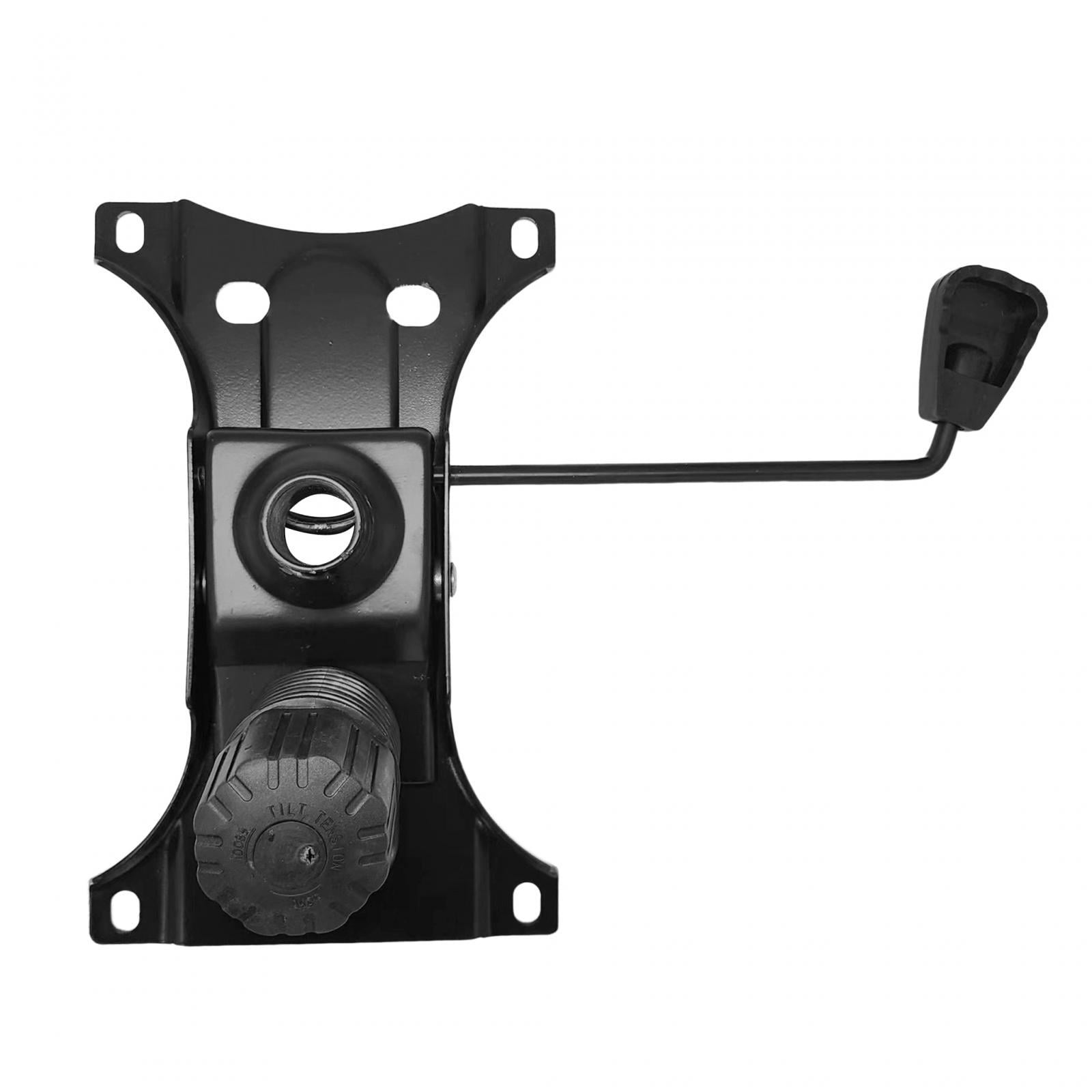
- Steel Reinforcement: The internal frame connecting the backrest to the seat and the gas lift mechanism must be heavy-duty steel. Plastic components are a recipe for wobble and eventual failure.
- Base Diameter: A standard 5-star base might be 25-27 inches wide. For a large seat chair, this often expands to 28-30 inches. This wider stance provides a lower center of gravity and prevents tipping, even when you lean back or shift your weight to one side.
- Casters Matter: Larger chairs mean more weight. Standard casters can lock up or break. Look for chairs with heavy-duty dual-wheel casters (often 3 inches in diameter) that roll smoothly under load and are often made of polyurethane to protect your floors.
3. Armrests: 4D Adjustability is Non-Negotiable
In a standard chair, armrests are often an afterthought. In a large seat chair, they are critical for ergonomic fit. Because your body occupies more space, the armrests need to move with you.
- Width Adjustable: This is the most vital feature. You must be able to slide the armrests outward so your shoulders can relax and your elbows rest comfortably at a 90-degree angle without being pinned to your torso.
- Height and Pivot: Look for armrests that adjust in height and can pivot or angle. This allows you to provide support whether you're typing, reading, or taking a hands-free call.
The "Bridge" Analogy: Think of a large seat office chair like a suspension bridge. The seat is the roadway, the frame is the support tower, and the base is the concrete foundation. If any of these elements are undersized, the whole structure becomes unsafe. A quality chair distributes your weight evenly, just as a bridge distributes the load of traffic. According to materials science data, reinforced steel frames in these chairs can handle dynamic loads up to 4 times their rated static capacity, providing a massive safety margin.
Who Needs a Large Seat Office Chair? (More People Than You Think)
While the "big and tall" community is the primary audience, the benefits of a spacious seat extend to a wide range of users. Here’s a breakdown of who gains the most:
- The Plus-Size Professional: The most obvious candidate. Standard chairs can be uncomfortable, unsafe, and have a shorter lifespan under higher weight loads. A dedicated large seat chair provides the necessary support and confidence.
- The "Cross-Legged" Sitter: You’d be surprised how many people (especially in creative fields) love to sit with one leg tucked under them or fully cross-legged. A standard seat makes this impossible. A wide, deep seat provides the platform for flexible sitting postures.
- The Tall Professional: Height often correlates with longer femurs and a wider frame. A large seat ensures tall users get proper thigh support without the seat pan ending too early.
- The Comfort Seeker: Some individuals simply prefer a "generous" fit. They want to feel enveloped by their chair, not held in place. It’s a preference for spacious luxury over compact efficiency.
Material Showdown: Finding the Right Cover for Your Wide Seat
The material on your large seat office chair affects not only the look but also the comfort, maintenance, and longevity. Here’s a fresh perspective on material choices tailored to a larger seating surface:
Premium Fabric: The "Breathable Hug"
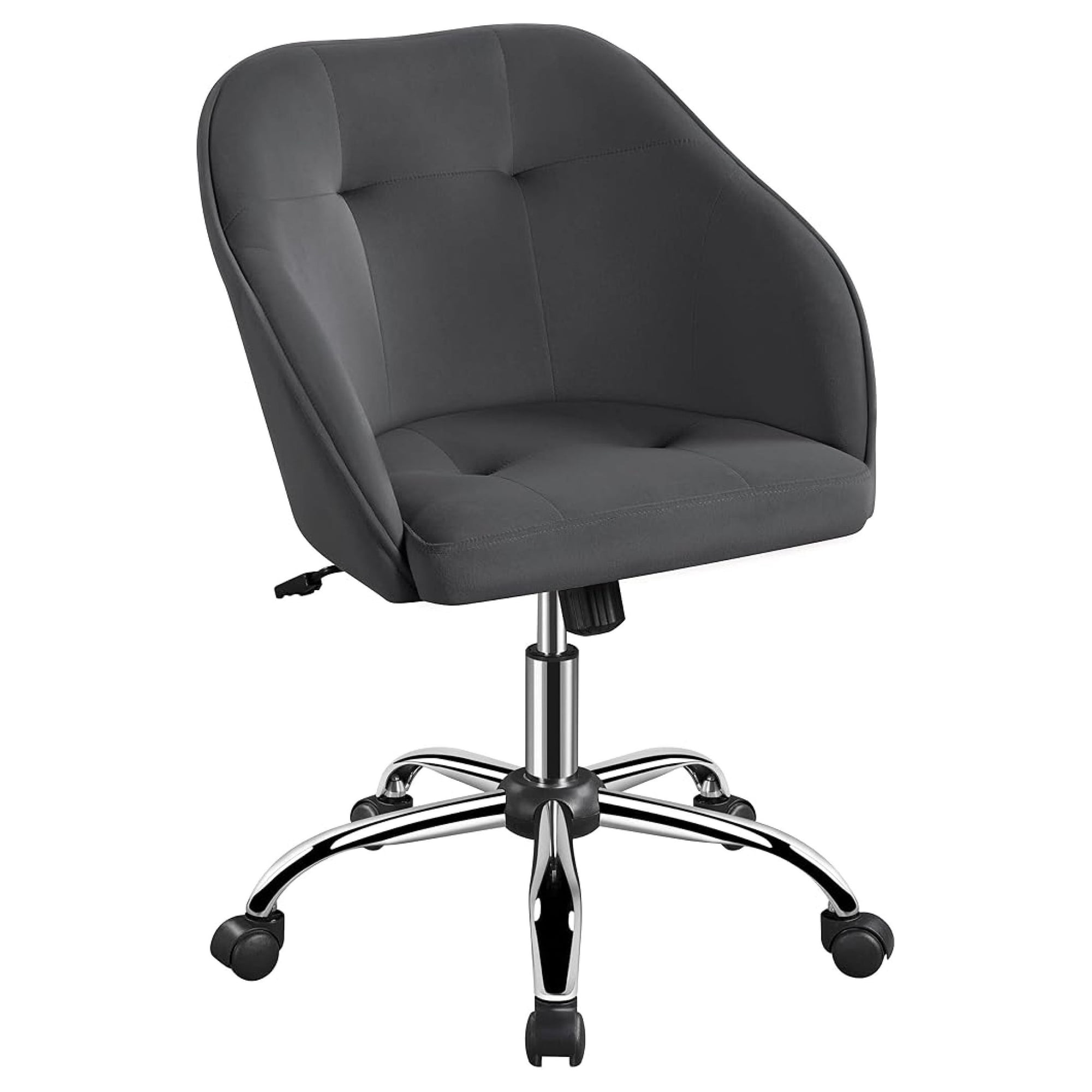
Why it works for large seats: High-quality woven fabrics (like those from Camira or Kvadrat) are incredibly durable and breathable. On a larger surface, breathability prevents heat buildup. Plus, modern fabrics have exceptional tear strength.
- Pros: Warm feel, vast color options, quieter than leather, good grip (keeps you from sliding).
- Cons: Can stain more easily, may attract pet hair.
Top-Grain Leather: The "Luxurious Investment"
Why it works for large seats: Leather is incredibly durable and molds to your body over time. For a wide seat, a single piece of top-grain leather provides a clean, sophisticated look that’s easy to wipe clean.
- Pros: Develops a unique patina, prestigious look, very durable if maintained.
- Cons: Can be warm, requires conditioning, higher initial cost.
High-Performance Mesh: The "Climate Control"
Why it works for large seats: Mesh is inherently stretchy and conforming. For a wide backrest, it provides flexible, contouring support without the bulk of foam. It’s the coolest option for larger bodies.
- Pros: Maximum breathability, modern aesthetic, lightweight, supportive.
- Cons: Seat is often still foam-based, mesh can lose tension over a decade.
Faux Leather / PU: The "Practical Performer"
Why it works for large seats: Modern high-end PU (polyurethane) is miles ahead of the stiff, cracking vinyl of the past. It offers a leather-like look at a lower price point and is very easy to clean.
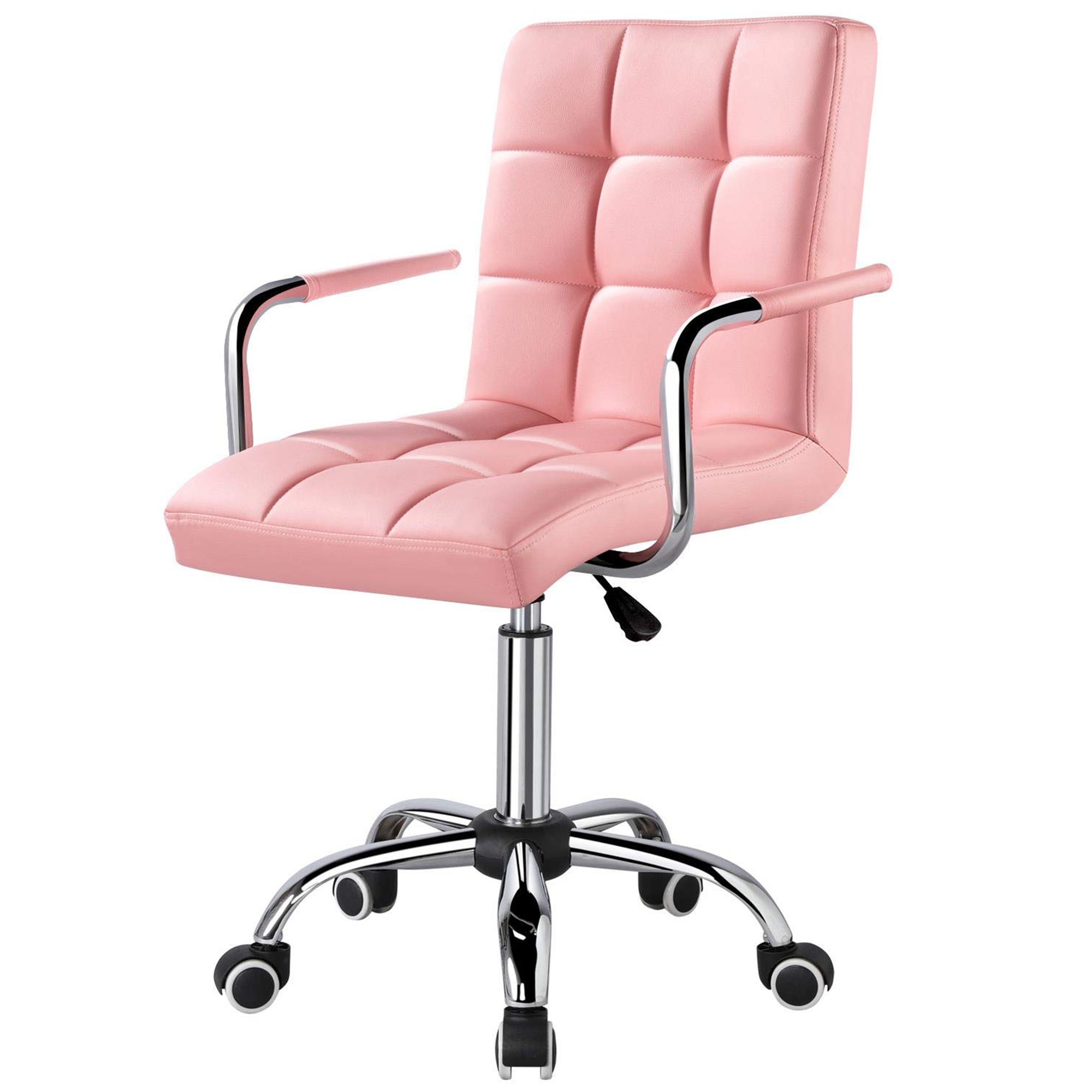
- Pros: Affordable, easy to wipe, vegan-friendly, uniform appearance.
- Cons: Doesn't breathe as well as fabric or mesh, may not last as long as top-grain leather.
Step-by-Step: How to Choose Your Perfect Large Seat Chair
Don't just buy the first "extra wide" chair you see. Follow this practical guide to ensure a perfect match for your body and workspace.
- Measure Your Space (and Yourself): Grab a tape measure. Measure the width of your current chair or the space between your desk legs. Then, sit down and measure the width across your hips/thighs. Add 2-4 inches for comfort. This is your minimum seat width.
- Check the Weight Capacity (Always add a buffer): Never buy a chair with a capacity exactly at your weight. If you weigh 280 lbs, look for a chair rated for at least 350 lbs. This ensures the mechanism and gas lift operate smoothly and safely for years.
- Prioritize Adjustability: Make a checklist: seat height? Yes. Seat depth adjustment? Critical for thigh support. Armrest width adjustment? Non-negotiable. Backrest height? Important for tall users. Tilt tension? Ensures you can recline smoothly regardless of your weight.
- Test the Foam: If possible, press firmly into the seat cushion. It should feel dense and resilient, not mushy. You shouldn't be able to feel the hard base through the foam immediately.
- Read Long-Term Reviews: Look for reviews from users who have had the chair for 6+ months. This reveals issues with foam sagging, caster failure, or mechanism noise that you won't find in initial impressions.
The Health Payoff: Why Spacious Seating Matters for Your Body
Investing in a large seat office chair is an investment in your physical well-being. The benefits go beyond simple comfort.
- Reduced Pressure Points: A wider seat distributes your weight over a larger area, reducing peak pressure on the bony prominences of your hips and thighs (the ischial tuberosities). This prevents numbness and soreness.
- Improved Posture Freedom: Constriction leads to fidgeting and poor posture. A spacious seat allows you to make micro-adjustments to your position throughout the day, keeping your muscles active and your spine aligned naturally. This dynamic sitting is key to preventing back pain.
- Better Circulation: As mentioned, the combination of a wide seat and a waterfall edge ensures no undue pressure behind the knees, promoting healthy blood flow and reducing the risk of deep vein thrombosis (DVT) during long periods of inactivity.
Frequently Asked Questions About Large Seat Office Chairs
Conclusion: Make Room for Real Comfort
Choosing a large seat office chair is a declaration that your comfort and health are non-negotiable. It’s moving beyond the one-size-fits-all approach and embracing a workspace that truly fits you. Whether you need it for ergonomic necessity or personal preference, the right spacious chair transforms your workday from a series of discomforts into a flow state of focused productivity.
Remember to prioritize a reinforced frame, high-density foam, and width-adjustable armrests. Use the checklist above, explore the top-rated models in our product grid, and take the step toward a seating experience that gives you the space you deserve. Your back, your hips, and your focus will thank you.