
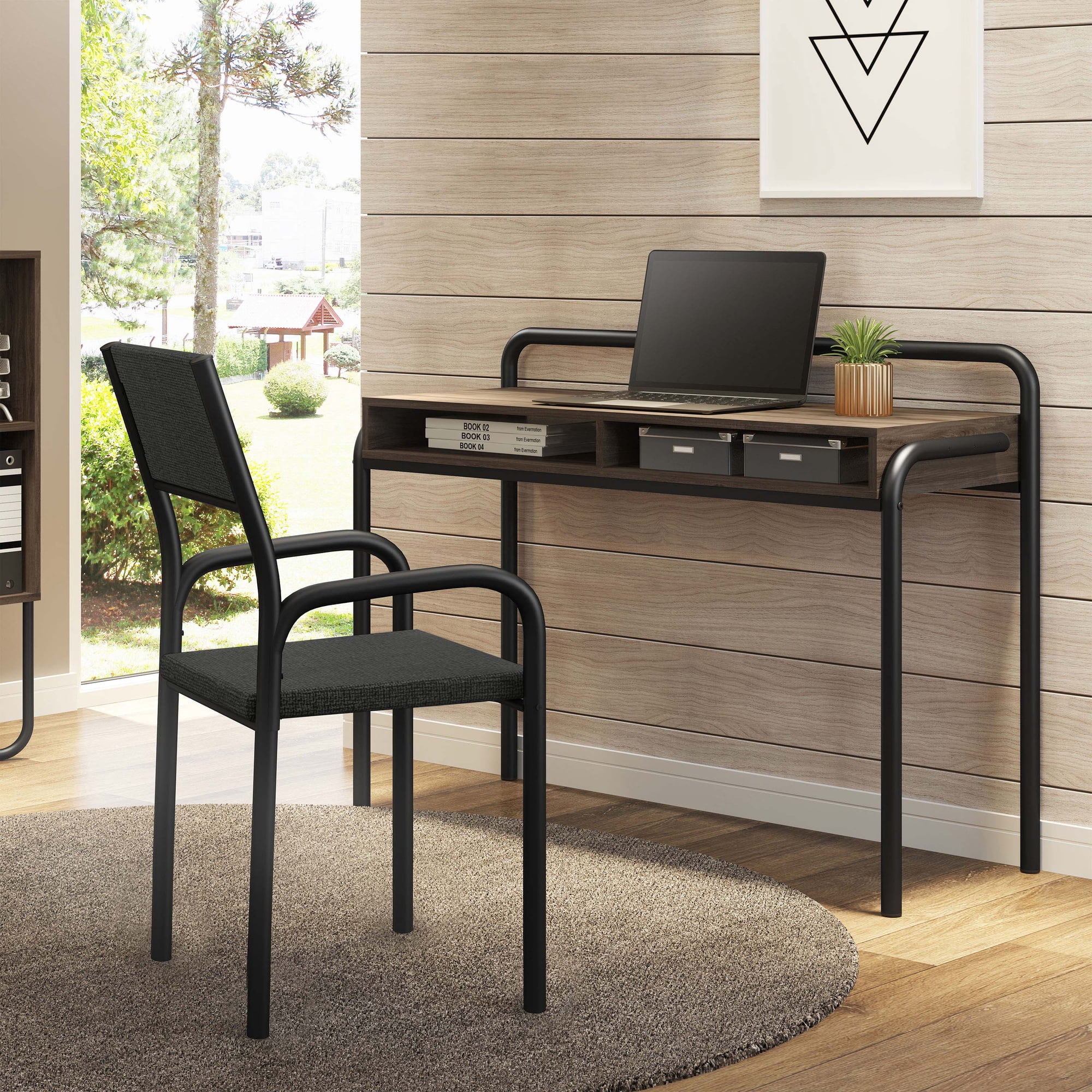
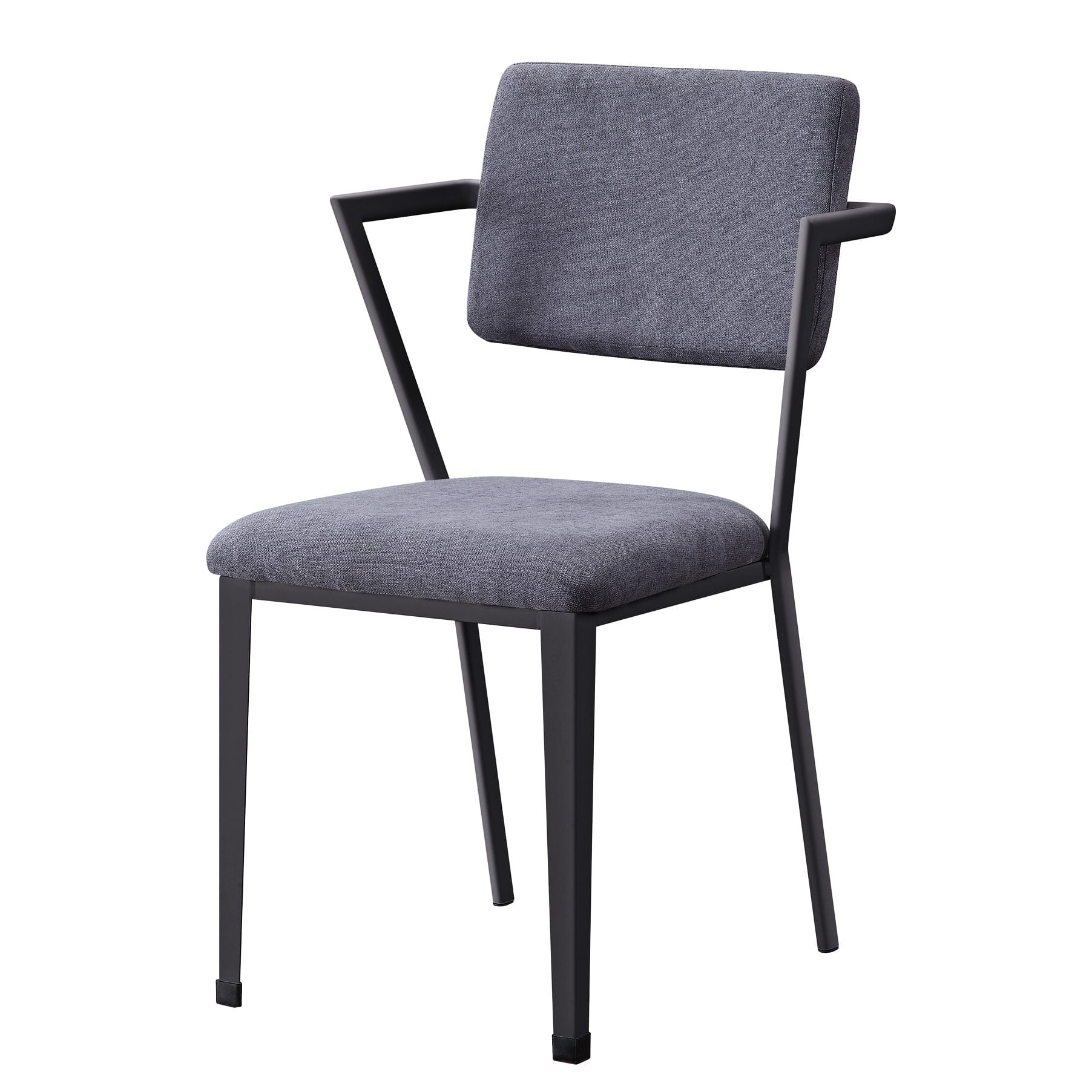
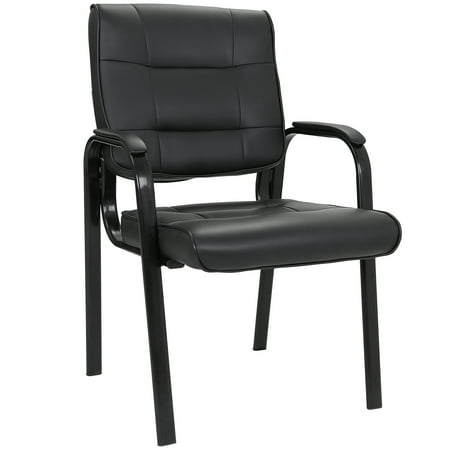
Why Choose a Metal Frame Office Chair?
Imagine the difference between a temporary scaffolding and a steel bridge. A standard office chair with a plastic base might serve you well for a few years, but a metal frame office chair is the bridge—built for the long haul. It's the foundation of a seating solution that prioritizes stability, longevity, and raw strength. If you've ever felt a chair twist under you or heard the ominous crack of aging plastic, it's time to consider the industrial-grade reliability of a metal frame.
Engineering Insight: Chairs with a reinforced steel or aluminum frame can withstand significantly more stress over time. Unlike plastic which can become brittle from UV exposure and temperature changes, a powder-coated metal frame maintains its structural integrity for decades. For users who spend 8+ hours a day seated, this rigidity translates to consistent ergonomic support without the "flex" that can lead to poor posture.
The Anatomy of Strength: What Makes Metal Frames Superior?
Not all metal frames are created equal. The term "metal frame" typically refers to the chair's base structure—the part that connects the seat, backrest, and wheel base. Here's what sets high-quality versions apart:
- Reinforced Steel Alloy: Most premium chairs use cold-rolled steel for the frame. This material is incredibly resistant to bending and warping, even under heavy loads.
- Robust Weld Points: The durability of a metal chair often comes down to its welds. Look for chairs with reinforced weld joints rather than simple bolts, which can loosen over time.
- Powder-Coated Finish: This isn't just for aesthetics. A baked-on powder coat protects the metal from scratches, moisture, and rust, ensuring the chair looks new for years.
- Heavy-Duty Base: The five-star base is often made of metal as well. A metal base distributes weight more evenly than nylon, preventing cracks and providing a wider, more stable footprint.
Pros and Cons of Metal Frame Office Chairs
Like any major purchase, metal frame chairs have distinct advantages and a few trade-offs. Understanding these will help you decide if this category is right for your workspace.
✅ The Advantages
- Unmatched Durability: They are virtually indestructible under normal office use. No more worrying about the base cracking.
- Higher Weight Capacity: Most are rated for 350 lbs or more, with some heavy-duty models supporting over 500 lbs.
- Superior Stability: The chair feels planted. There's no wobble or sway, which is crucial for focus and safety.
- Long-Term Investment: While often more expensive upfront, a metal frame chair can outlast three or four plastic-base chairs.
- Industrial & Modern Aesthetic: They fit perfectly in loft offices, industrial-themed spaces, or any setting that values a raw, utilitarian look.
⚠️ The Considerations
- Increased Weight: They are heavier, making them harder to move around compared to lightweight plastic chairs.
- Higher Initial Cost: Quality materials and construction come at a premium price.
- Potential for Squeaks: If not properly lubricated, metal-on-metal joints can develop squeaks over time (though this is easily fixed).
- Temperature Sensitivity: In an unconditioned space, metal parts can feel cold in winter.
Who Needs a Metal Frame Chair? (Use-Case Analysis)
Are you the right candidate for this type of seating? Here are the most common scenarios where a metal frame is not just a luxury, but a necessity:
If you exceed the standard weight limit of 250-300 lbs, a metal frame provides the safety margin you need. The reinforced structure won't give way under pressure.
In call centers, security posts, or trading floors where chairs are used around the clock, durability is paramount. Plastic simply wears out faster.
Offices attached to warehouses, garages, or studios benefit from a chair that can handle dirt, occasional impacts, and a rougher environment.
For work-from-home professionals who sit for 10+ hours a day, investing in a chair that won't degrade after a year is a smart move for both posture and wallet.
Metal vs. Plastic vs. Wood: A Quick Material Showdown
To put the benefits in perspective, let's see how a metal frame stacks up against common alternatives:
| Feature | Metal Frame | Plastic/Nylon Base | Wooden Base |
|---|---|---|---|
| Durability | ⭐⭐⭐⭐⭐ (Excellent) | ⭐⭐⭐ (Good, but can crack) | ⭐⭐⭐⭐ (Very Good, but can split) |
| Weight Capacity | 300-500+ lbs | Up to 300 lbs typical | 250-350 lbs typical |
| Stability | Rock solid, no flex | Can flex under load | Solid, but can be rigid |
| Aesthetic | Industrial, modern, utilitarian | Versatile, often budget-friendly | Classic, traditional, warm |
| Maintenance | Low (occasional tightening) | Low, but may become brittle | Medium (can scratch, requires polish) |
Key Features to Look for When Buying
When you start shopping, keep these specific features in mind to ensure you're getting a quality metal frame chair, not just a heavy one.
- Check the Gauge of Steel: Thicker steel (lower gauge number) means a stronger frame. Look for specifications that mention "heavy-gauge steel."
- Examine the Weld Quality: If possible, look at photos of the frame. Smooth, continuous welds are a sign of quality construction.
- Look for a Reinforced Base: The star base should also be metal. Aluminum or steel bases are less likely to crack than nylon.
- Test the Gas Lift Mechanism: A heavy chair needs a powerful Class 4 gas lift to ensure smooth and safe height adjustment, especially for heavier users.
- Consider the Casters: Hard floor or carpet? Metal frame chairs are heavy, so ensure the casters are rated for the total weight and your floor type (e.g., polyurethane casters for hardwood).
According to ergonomic studies, a stable seating platform can reduce micro-adjustments and muscle fatigue by up to 15% over an 8-hour day. By eliminating the "wobble" factor, a metal frame office chair allows you to focus entirely on your work, not on balancing yourself.