
Introduction: The Silent Battle Between Your Chair and Your Floors
Imagine this: you've just installed beautiful, gleaming hardwood floors in your home office. They transform the room, adding warmth and value. But then you roll your old office chair across them, and you hear it—a harsh grating sound. You look down and see faint scuff marks. This is a common dilemma. Hardwood floors are an investment, and the wrong office chair for hardwood floors can act like sandpaper, slowly degrading their beauty.
The good news? You don't have to choose between ergonomic comfort and floor protection. Modern seating solutions are designed with both in mind. This guide will walk you through everything you need to know—from the science of casters to the best chair mats—ensuring you find a chair that glides silently and safely, letting you focus on your work, not on protecting your floor.
Why Standard Office Chairs Damage Hardwood Floors
To understand the solution, we first need to look at the problem. Most budget to mid-range office chairs come equipped with standard hard plastic casters. These are designed primarily for carpet, where they grip the fibers. On a smooth, hard surface like wood, these hard wheels have two major flaws: they pick up tiny debris that acts like sandpaper, and their hard surface can create dents or micro-scratches under the weight of a person sitting for long periods.
Key Statistic: A 2023 survey by the National Wood Flooring Association found that 68% of floor damage in home offices is caused by inappropriate furniture casters. The average cost to repair minor scratching across a room? Around $500-$1,000.
The Casters Are the Culprit (and the Hero)
The wheels, or casters, are the only point of contact between your chair and the floor. Upgrading these is the single most effective change you can make. Here’s a breakdown of caster types suitable for hardwood:
- Standard Hard Plastic Casters: ❌ AVOID. These are the default on many chairs and will scratch your floor.
- Soft Rubber or Urethane Casters (Roller Blade Style): ✅ BEST CHOICE. These are non-marking, absorb shock, and roll effortlessly. They look like small inline skate wheels.
- Felt Pads (Adhesive): ⚠️ TEMPORARY FIX. These can be stuck onto existing casters but often fall off and collect dust, which then scratches the floor.
- Locking Casters: Useful if you have a standing desk or want the chair to stay put when you stand up, preventing it from rolling away on the slick surface.
Beyond Wheels: The Role of Chair Base and Weight
It's not just the wheels. The chair's base—typically a five-point star made of metal or plastic—can also pose a risk. If the base is low to the ground or has sharp edges, it could scrape the floor if the chair tips. Additionally, a very heavy executive chair combined with a person of significant weight can create immense pressure. Even with soft casters, prolonged static pressure in one spot could, over many years, leave a slight impression. This is where a chair mat becomes invaluable.
Chair Mats: Your Floor's Best Friend
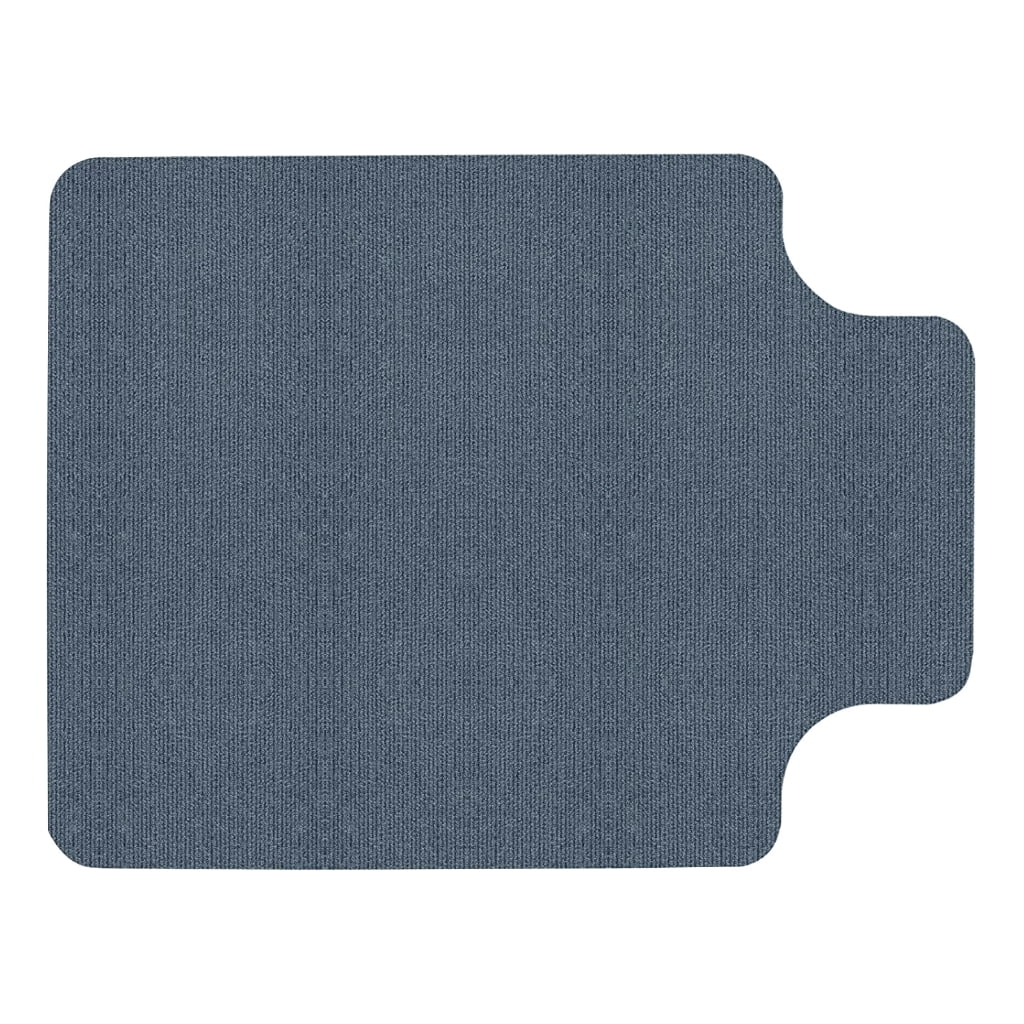
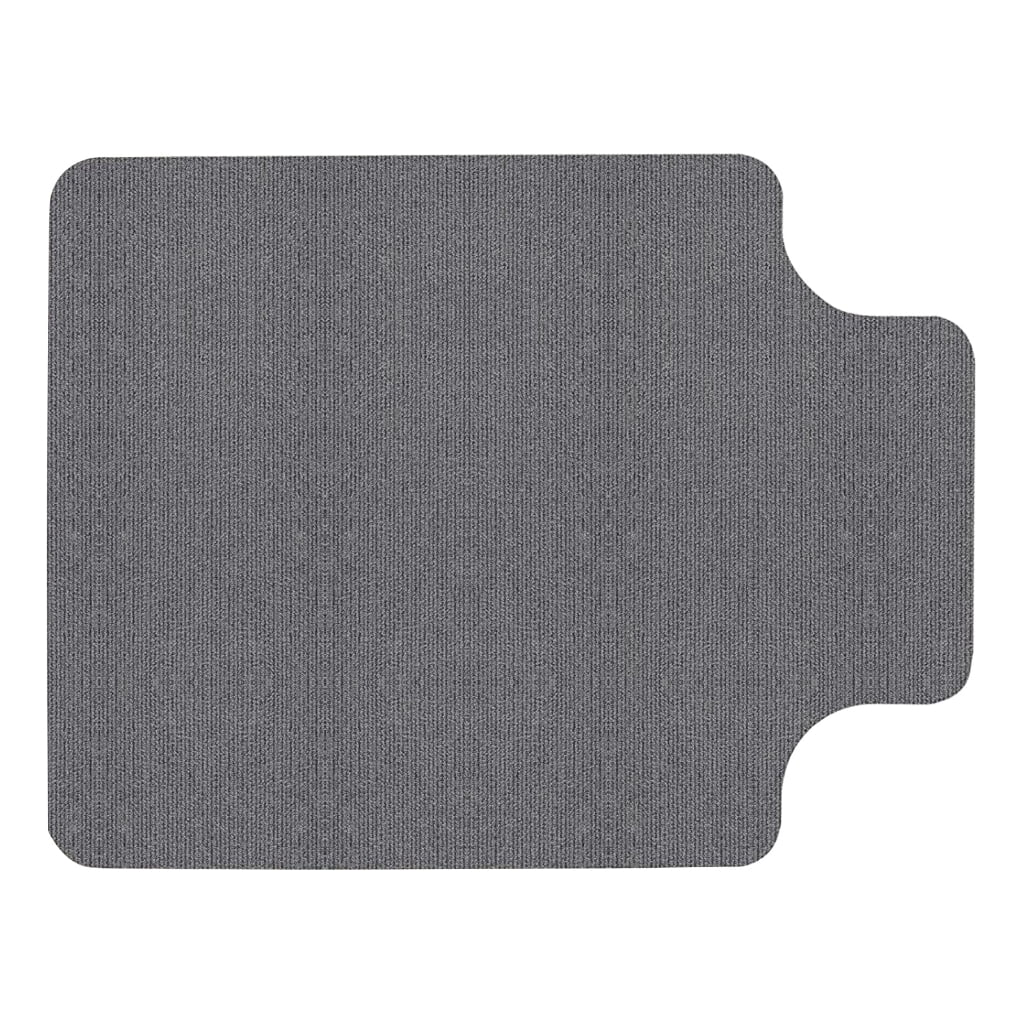
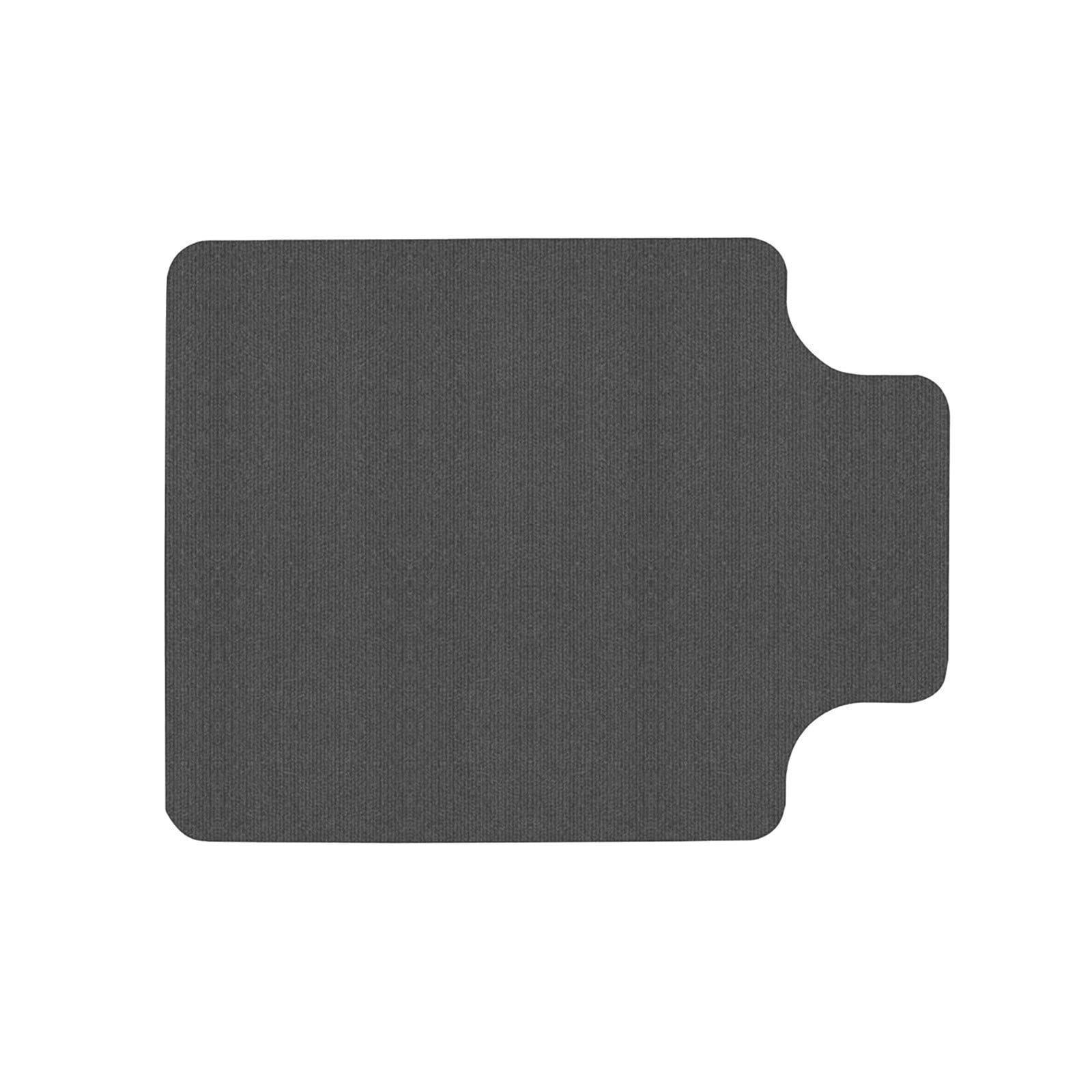
A chair mat is a sheet of protective material placed under your desk chair. For hardwood floors, it's an excellent investment. It provides a smooth, consistent surface for rolling and acts as a shield against impacts and spills. However, choosing the wrong mat can be just as bad as choosing the wrong chair.
Choosing the Right Mat for Hardwood
Polycarbonate Mats
Best for: High-end aesthetics and maximum clarity. They are virtually unbreakable, crystal clear, and won't yellow over time. They are the most expensive option but last a lifetime.
PVC (Vinyl) Mats
Best for: Balance of cost and durability. Clear PVC mats are a common choice. Ensure you buy a 'hard floor' version, as some are textured for carpet and can damage wood.
Bamboo/Rubber Mats
Best for: Aesthetic appeal. These are rigid mats made from bamboo slats or recycled rubber. They look beautiful but can be heavy and more expensive.
Ergonomics Still Matter: Don't Compromise on Comfort
While protecting your floor is paramount, your chair's primary job is to support your body during long work hours. A chair with perfect casters but poor lumbar support will lead to back pain. The best office chair for hardwood floors is one that combines floor-safe features with excellent ergonomics. Here’s what to look for:
- Adjustable Lumbar Support: Just as crucial on a floor-safe chair as any other. It maintains the natural curve of your spine.
- Seat Depth Adjustment: Ensures there's a 2-3 finger gap between the back of your knee and the seat, promoting healthy circulation.
- Waterfall Seat Edge: Reduces pressure on your thighs, which is especially important when sitting for hours.
- Material Breathability: Leather looks professional, but mesh breathes better. Consider your climate and office temperature.
Think of it this way: the chair is the engine, and the casters are the tires. You wouldn't put racing slicks on a family sedan for a snowy road, and you shouldn't put hard plastic casters on a premium ergonomic chair for your hardwood floors. Both components must work in harmony.
Universal Upgrades: How to Retrofit Your Current Chair
What if you already own a chair you love, but it has standard hard casters? Don't rush to buy a whole new chair. You can simply replace the casters. This is a cheap, easy, and highly effective DIY project.
- Identify your caster stem type: Most office chairs use a standard 7/16" or 3/8" diameter stem. Measure yours or check your chair's manual.
- Purchase universal rollerblade-style casters: Search for "office chair wheels for hardwood floors" or "universal soft rubber casters." A set of 5 usually costs between $20 and $40.
- Remove the old casters: Simply pull them straight out of the chair base. They are held in by friction. You might need a bit of muscle, or you can use a pry bar or screwdriver for leverage.
- Insert the new ones: Push the new soft casters firmly into the holes until they click or are fully seated.
This simple 10-minute upgrade transforms your existing chair into the perfect office chair for hardwood floors, saving you money and keeping your favorite seat.
Frequently Asked Questions About Office Chairs and Hardwood Floors
Conclusion: Invest in Protection, Invest in Comfort
Choosing the right office chair for hardwood floors doesn't have to be a compromise. By understanding the critical role of casters and the added security of a chair mat, you can create a home office that is both luxurious and practical. Whether you decide to buy a new chair specifically designed with soft wheels or upgrade your existing favorite, the investment is minimal compared to the cost of repairing scratched floors.
Remember the hierarchy: First, ensure the chair fits your body ergonomically. Second, verify or upgrade the casters to soft, urethane roller-blade style. Third, consider a high-quality polycarbonate or glass mat for ultimate protection. With this trifecta, you'll enjoy a smooth, quiet, and safe rolling experience, allowing you to focus on what truly matters—your work and your well-being.
Browse our curated selection above to find a chair that meets all these criteria, and take the first step toward a perfectly protected and productive workspace.