
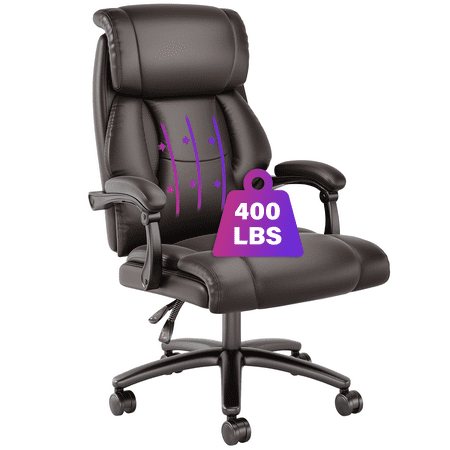
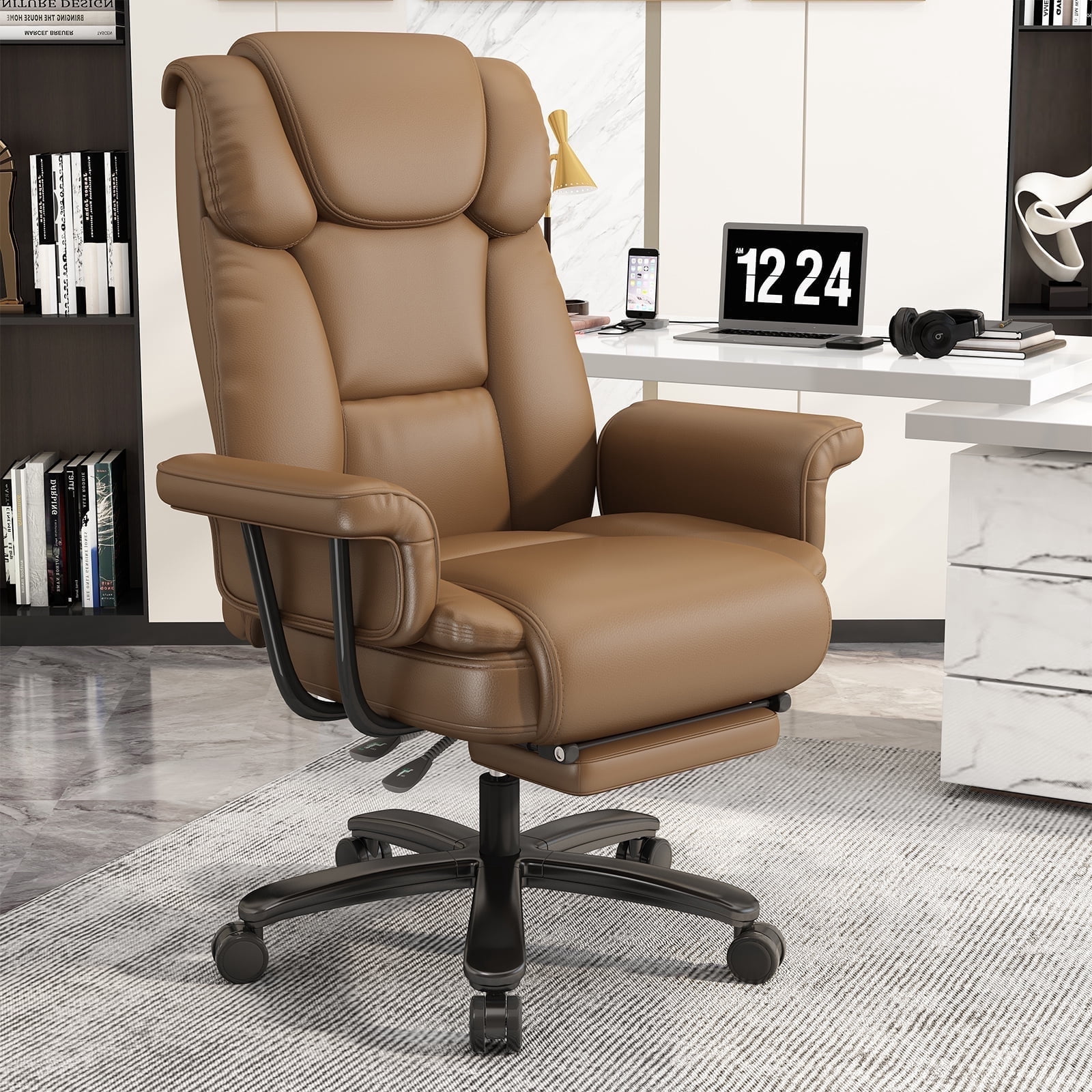
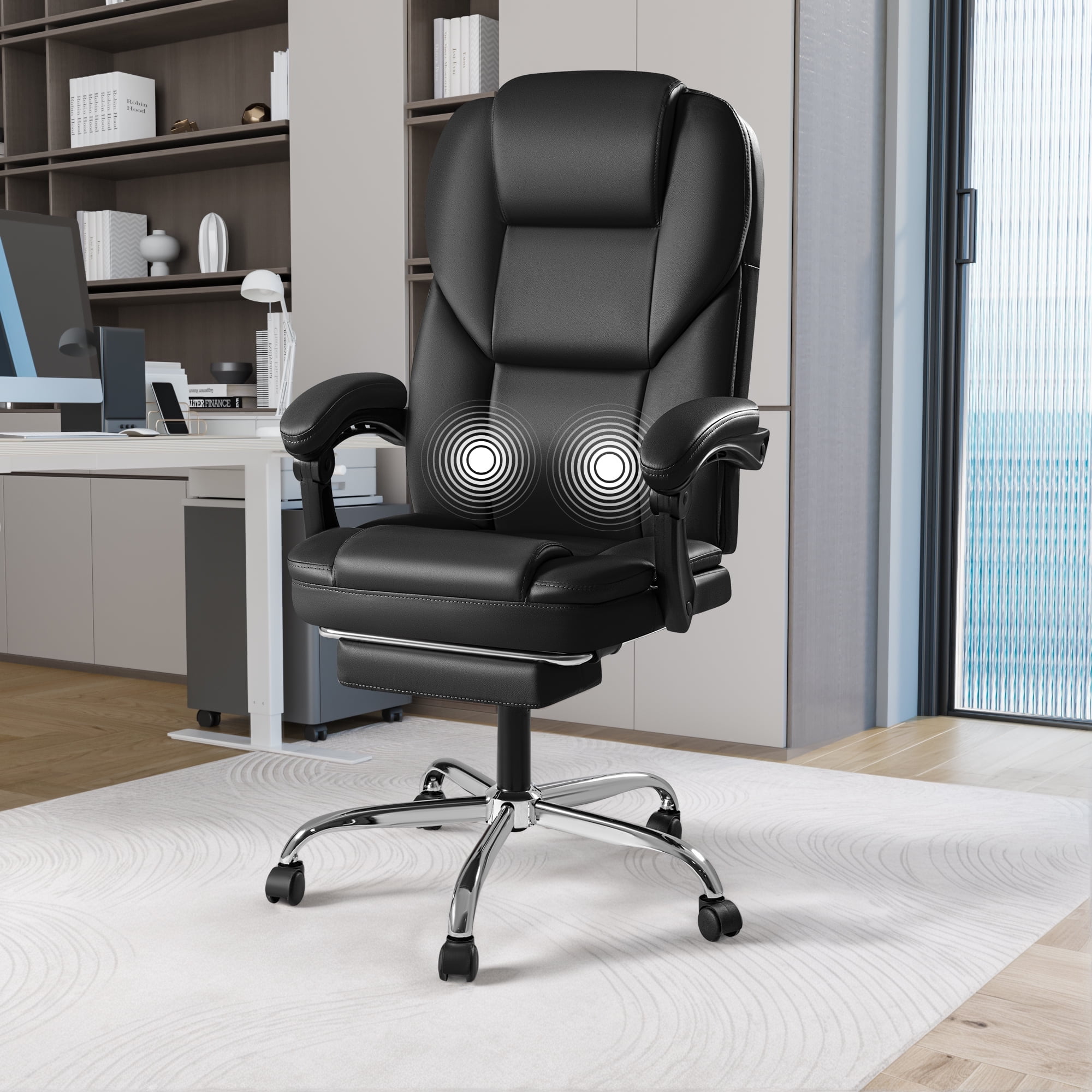
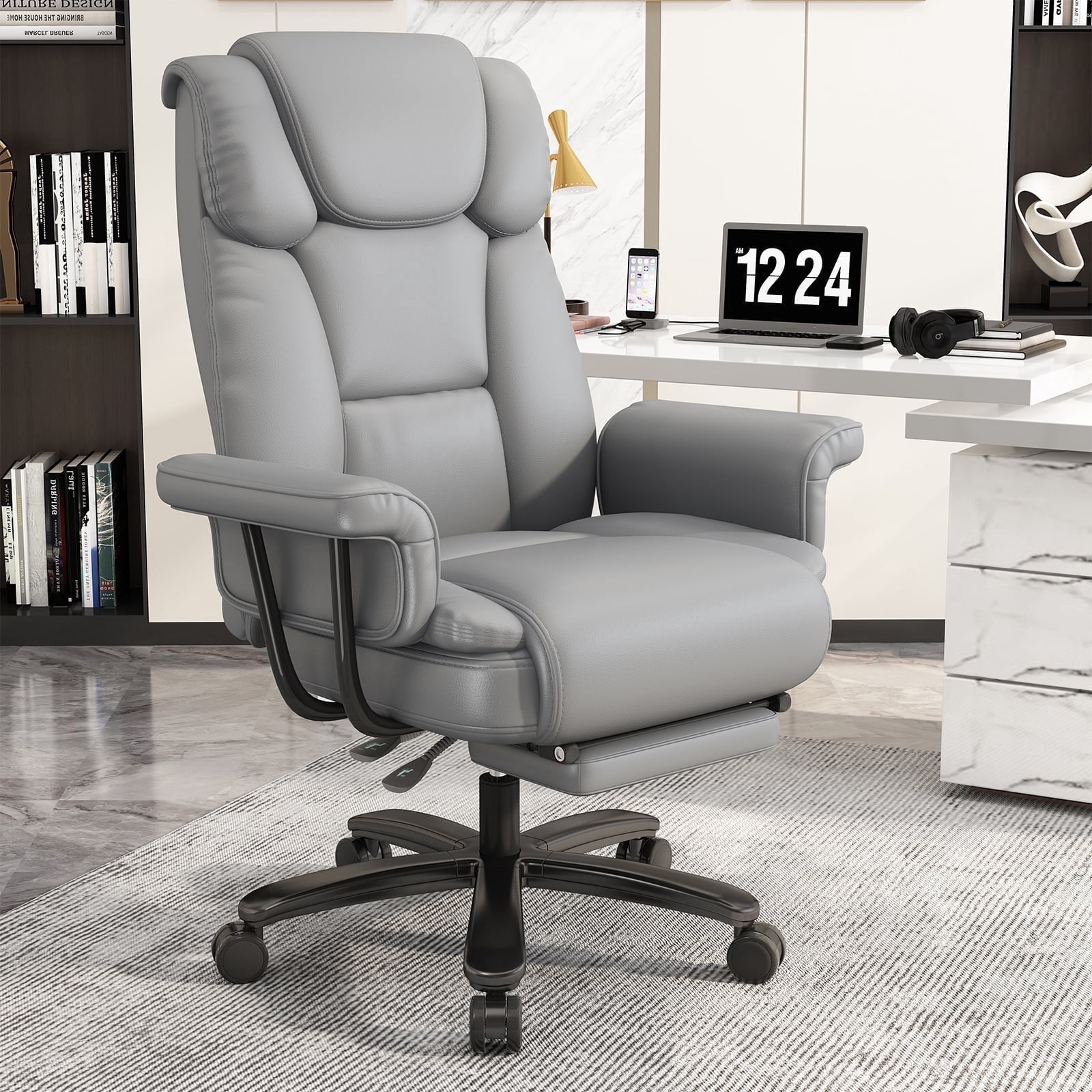
Why a Heavy Duty Reclining Office Chair is a Game-Changer
If you’re a larger-framed professional or simply demand the utmost in durability, a standard office chair often falls short. It might squeak, wobble, or wear out within a year. Enter the heavy duty reclining office chair—built like a tank but designed for plush, ergonomic comfort. These chairs are the SUV of office seating: robust frame, high clearance (weight capacity), and the ability to recline and relax without fear of tipping over.
Did you know? According to ergonomic studies, individuals weighing over 250 pounds are 3x more likely to experience chair failure within the first two years if using standard-rated furniture. A heavy duty reclining office chair with a 500lb capacity reduces this risk by over 90% and provides better long-term postural support.
1. The Anatomy of Resilience: What Makes a Chair "Heavy Duty"?
Not all chairs labeled "heavy duty" are created equal. To truly handle the demands of larger users or 24/7 use, specific components must be upgraded. Think of it like comparing a residential ladder to an industrial scaffold—the materials and engineering are fundamentally different.
- Reinforced Steel Frame: The skeleton of the chair. Look for a solid steel frame (not just plastic or thin metal) that is welded, not just bolted. This prevents twisting and creaking over time.
- Class 4 or 5 Gas Lift: The cylinder that raises and lowers the chair. A Class 4 lift is rated for heavier loads and provides smoother, safer height adjustment without sudden drops.
- Wide-Diameter Base: A 28" to 30" nylon or aluminum base provides a stable footprint. A wider base prevents tipping, especially when reclined. It’s like the wide stance of a pickup truck.
- Oversized Dual-Wheel Casters: Standard casters can crack under pressure. Heavy duty chairs use larger, softer urethane wheels (often 3") that roll easily on carpet and distribute weight evenly.
- High-Density Foam Cushioning: To prevent the "bottoming out" feeling, these chairs use foam with a higher ILD (indentation load deflection) rating—typically 50+ ILD—ensuring the seat stays supportive for years.
2. Recline Mechanism: Beyond Just Leaning Back
For many, the "reclining" feature is a sanctuary—a way to decompress during a phone call or think creatively. But in a heavy duty chair, the mechanism must be precise and lockable. Here’s what to look for:
- Multi-Position Lock: The best chairs allow you to lock the backrest at any angle, from 90 degrees for focused work to 135 degrees for relaxing. Don't settle for just upright or fully reclined.
- Synchronized Mechanism: Some high-end models offer synchronized recline, where the seat tilts slightly forward as you lean back. This keeps your feet planted and prevents the "legs-up" feeling, maintaining better circulation.
- Tension Control: A knob to adjust how much force is needed to recline. Heavier users need a stronger spring (adjustable tension) so the chair doesn't fling back too easily.
3. Ergonomic Features for the Long Haul
A heavy duty frame is useless without proper ergonomics. For users spending 8+ hours seated, these features are non-negotiable:
Adjustable Lumbar
Separate, adjustable lumbar support (not just a built-in curve) is vital. It fills the small of your back, preventing slouching even when reclined.
3D/4D Armrests
Armrests that adjust up/down, left/right, and pivot allow you to keep elbows at 90 degrees, reducing shoulder strain.
Adjustable Headrest
Essential for taller users (6'2"+). It supports the cervical spine, especially in a reclined position, preventing neck fatigue.
Seat Depth Adjustment
Allows you to slide the seat pan forward/backward. Proper depth leaves 2-3 fingers of space between the back of your knee and the seat edge.
4. Material Matters: Upholstery for Durability and Climate
The covering on a heavy duty chair takes a lot of wear. Here’s a quick guide based on your environment:
- Premium Bonded Leather or Top-Grain Leather: Best for professional settings. Durable, easy to wipe clean, and molds to your shape. Ensure it's breathable to avoid sweating.
- Heavy-Duty Fabric (e.g., 3D Air Mesh): Ideal for warmer climates or home offices. Mesh backs provide airflow, while the seat may be fabric-covered foam. Look for "industrial grade" fabric with high rub-count (100,000+ double rubs).
- Faux Leather (PU): A budget option, but ensure it's "thick gauge" PU. Lower-quality PU can peel or crack within 2-3 years on heavy duty frames due to friction.
5. Who Needs a Heavy Duty Reclining Chair?
You might think it's just for plus-size individuals, but the benefits extend further:
- Big & Tall Executives: The primary audience. These chairs provide the width (22"+ seat) and depth needed for comfort.
- Users with Mobility Issues: The sturdy frame and locking casters offer stability when sitting down or standing up.
- Tall Individuals (6'3"+): Standard chairs often have short backrests. Heavy duty models feature high backs (28"+), supporting the entire spine and head.
- Home Office Power Users: If you live in your chair (12+ hours a day), the reinforced components won't wear out quickly.
- Shared Workspaces: In a 24/7 office, a chair that can withstand different body types and constant use is a smart investment.
6. Real-World Data: The Cost of Not Investing
Consider this: replacing a standard $300 office chair every 2 years costs $1,500 over a decade. A high-quality heavy duty reclining office chair priced at $800-$1,200 will likely last 10-15 years. Furthermore, a study by the Cornell University Ergonomics Web noted that poor seating can lead to a 17-20% decrease in productivity due to discomfort and micro-breaks. Investing upfront saves money and boosts output in the long run.
Frequently Asked Questions: Heavy Duty Reclining Office Chairs
Conclusion: Make the Sturdy Choice for Your Health
Choosing a heavy duty reclining office chair is not just about weight capacity—it’s about respecting your body and your work. It’s an acknowledgment that comfort and durability are not luxuries, but essentials for productivity and well-being. By focusing on reinforced frames, intelligent recline mechanisms, and personalized ergonomic adjustments, you create a command center that supports you through every deadline and every moment of relaxation. Don't settle for a chair that wobbles; invest in one that stands firm.
Final Pro Tip: Always check the warranty. A reputable heavy duty chair will come with at least a 5-year warranty on the frame and mechanism. This is the manufacturer's vote of confidence in their product's durability.