
The Enduring Appeal of the Black Wood Office Chair
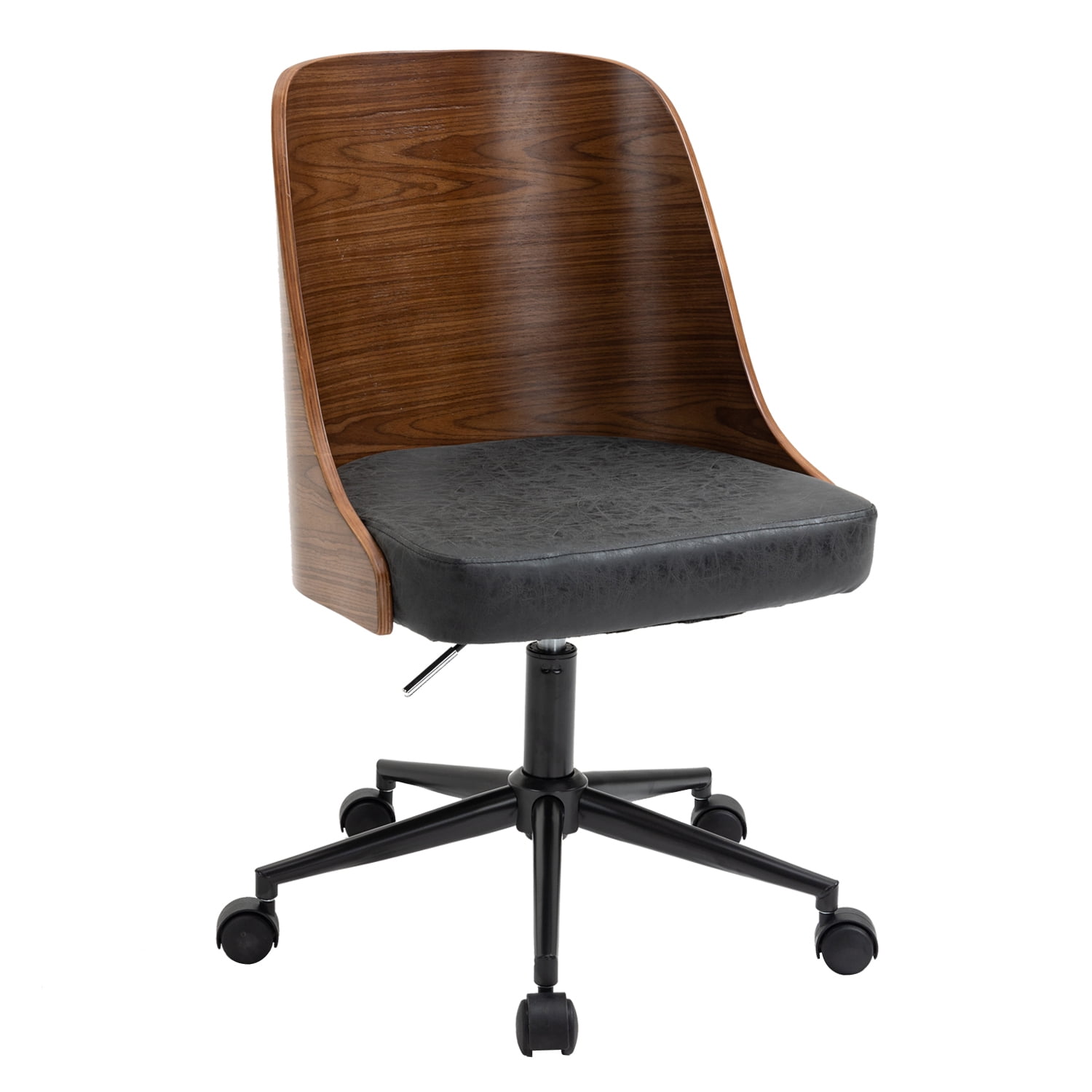
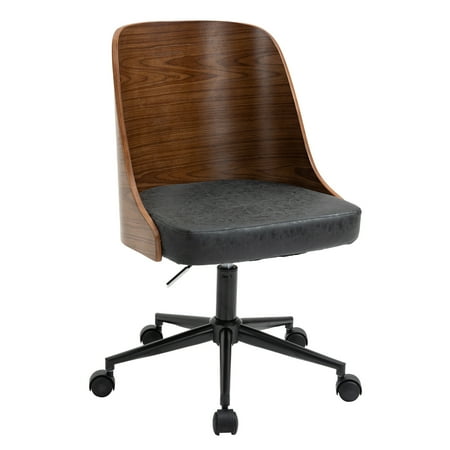
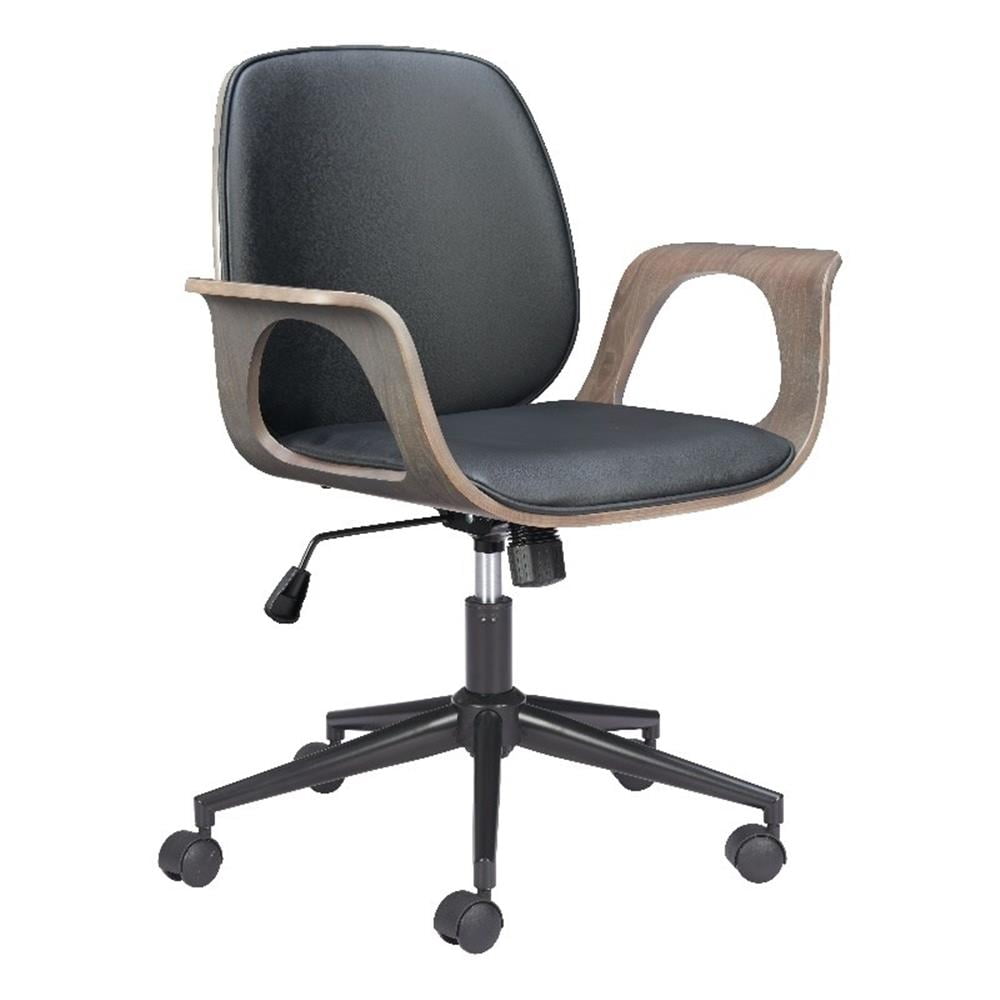
Imagine a chair that feels less like office equipment and more like fine furniture. That's the promise of a black wood office chair. In a world dominated by plastic, mesh, and chrome, wooden office chairs stand apart, offering a connection to classic craftsmanship and timeless design. They are the choice for professionals who value permanence, quality, and a workspace that exudes quiet confidence.
But a black wood office chair is not just about looks. Modern iterations seamlessly blend this traditional aesthetic with contemporary ergonomic science. The result is a seating solution that supports your body through long workdays while complementing the decor of your office, whether it's a corner office in a high-rise or a sophisticated home workspace. According to a 2023 survey by the American Home Furnishings Alliance, 38% of remote workers now prioritize furniture that looks like "real furniture" rather than purely functional office pieces, with wood-based designs seeing a significant resurgence.
The Anatomy of a Quality Black Wood Office Chair
To choose the right chair, you need to understand what lies beneath the surface. A high-quality black wood office chair is more than just stained timber. Let's break down its core components.
1. The Wood: Species, Grain, and Construction
The type of wood dictates the chair's durability, weight, and character. You'll typically encounter:
- Solid Hardwoods (Oak, Mahogany, Walnut): These are the gold standard. They offer immense strength, beautiful grain patterns, and can last for decades. A chair with a solid oak frame stained black is an investment piece. It's heavy, stable, and can be refinished if needed.
- Engineered Wood (Hardwood Plywood, MDF with Veneer): Many excellent chairs use engineered wood for the core, layered with a real wood veneer and a black stain. This provides good stability and a uniform look at a more accessible price point. It's also lighter than solid wood.
- Joinery: Look at how the wood pieces connect. Mortise-and-tenon joints or dowel joints reinforced with glue and screws indicate quality. Avoid chairs that rely solely on staples or small screws into end grain.
2. The Upholstery: Leather, Fabric, or Faux?
The black upholstery is what you interact with most. Your choice affects comfort, maintenance, and the overall feel.
Premium Leather
- Appearance: Unmatched luxury; develops a rich patina.
- Breathability: Natural leather breathes well.
- Durability: Lasts 10-15+ years with care.
- Maintenance: Wipes clean; needs occasional conditioning.
High-Grade Fabric
- Comfort: Warm, soft, and available in various textures.
- Breathability: Generally good, especially with open weaves.
- Colorfast: Black fabric holds its color well.
- Cost: Often more affordable than top-grain leather.
Faux Leather / PU
- Look: Can mimic leather well initially.
- Budget: Most economical option.
- Durability: Prone to peeling and cracking over time.
- Breathability: Poor; can feel hot and sticky.
3. Ergonomics: The Science Behind the Style
A common misconception is that wooden chairs are rigid. Modern designs integrate ergonomic features seamlessly:
- Contoured Seat and Backrest: The wood frame is shaped to support the natural curves of your body, with padding added for comfort.
- Adjustable Lumbar Support: Many models incorporate a built-in or cushion-based lumbar system that you can adjust for height and depth, crucial for preventing slouching.
- Waterfall Seat Edge: The front of the seat curves gently down to reduce pressure on your thighs and improve blood circulation.
- Mechanism and Adjustments: Look for chairs with a reliable gas lift for height adjustment, tilt tension control (to adjust how easily the chair leans back), and sometimes a tilt-lock feature.
4. The Foundation: Base and Casters
While the seat is wood, the base is typically metal or heavy-duty nylon for strength and mobility.
- Metal Base (Polished or Black): Complements the wood aesthetic perfectly. It's incredibly strong and durable.
- Casters: Essential for movement. Ensure you choose the right type for your floor: soft rubber casters for hardwood or tile, and standard hard casters for carpet.
Styling Your Space with a Black Wood Office Chair
Think of a black wood office chair as the anchor of your office. Its versatility allows it to fit into various design narratives:
Pair a high-back black leather chair with rich mahogany wood arms and a classic desk. Add brass accents and bookshelves for a stately feel.
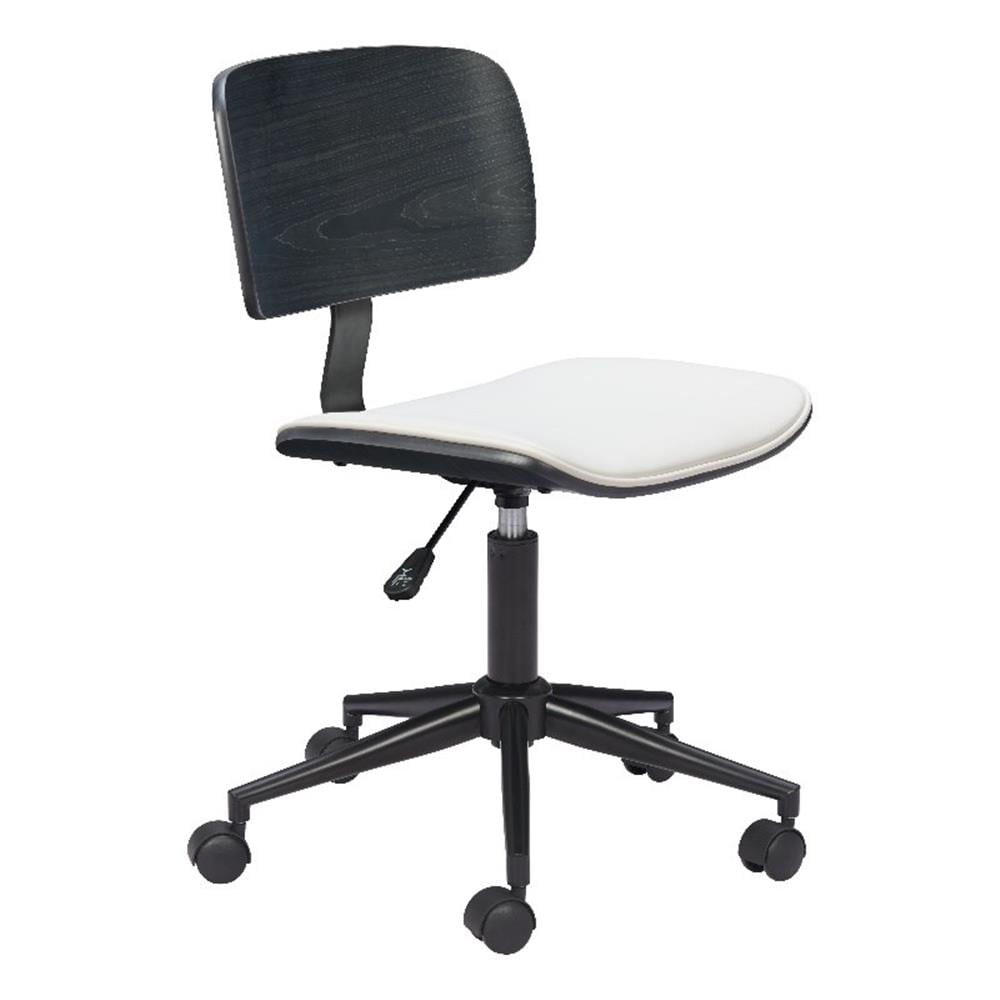
Choose a sleek, low-back black fabric chair with clean-lined oak or ash wood. Place it in front of a light wood desk with clean lines and minimal decor.
Opt for a chair with light wood (like birch or ash) stained black, paired with a simple black upholstered seat. The focus is on functionality and natural materials.
A black wood chair with exposed metal hardware and a slightly rugged finish looks perfect against a backdrop of brick walls and concrete floors.
How to Choose Your Perfect Black Wood Office Chair: A 4-Step Framework
Step 1: Define Your Primary Use & Aesthetic
Are you welcoming clients into your office (prioritize appearance) or coding for 10 hours a day (prioritize ergonomics)? List your top three priorities: e.g., style, lumbar support, adjustability.
Step 2: Match Wood & Upholstery to Your Body & Environment
For hot climates: Consider a breathable black fabric or a leather-and-mesh combo. For larger frames: Ensure the seat width and depth accommodate you, and the weight capacity is sufficient. For decor: Take a photo of your office and see which wood tone (dark walnut vs. lighter oak) complements it.
Step 3: Test the Mechanisms (In-Store or via Detailed Reviews)
If possible, sit in the chair. Adjust the height, test the tilt, and feel the lumbar support. If buying online, read verified reviews focusing on long-term comfort and build quality. Look for detailed videos.
Step 4: Verify the Warranty and Return Policy
A quality black wood office chair should come with a warranty of at least 5 years on the frame and mechanism. A generous return policy (30 days or more) is essential in case it doesn't suit you after a week of use.
Frequently Asked Questions About Black Wood Office Chairs
Conclusion: Invest in a Legacy
Choosing a black wood office chair is an investment in your daily comfort and the character of your workspace. It's a move away from disposable furniture and toward something with soul and substance. By understanding the materials—from the grain of the wood to the quality of the casters—and aligning them with your ergonomic needs, you can find a chair that will support your work and elevate your environment for years to come. It's not just a place to sit; it's a place to think, lead, and create.