
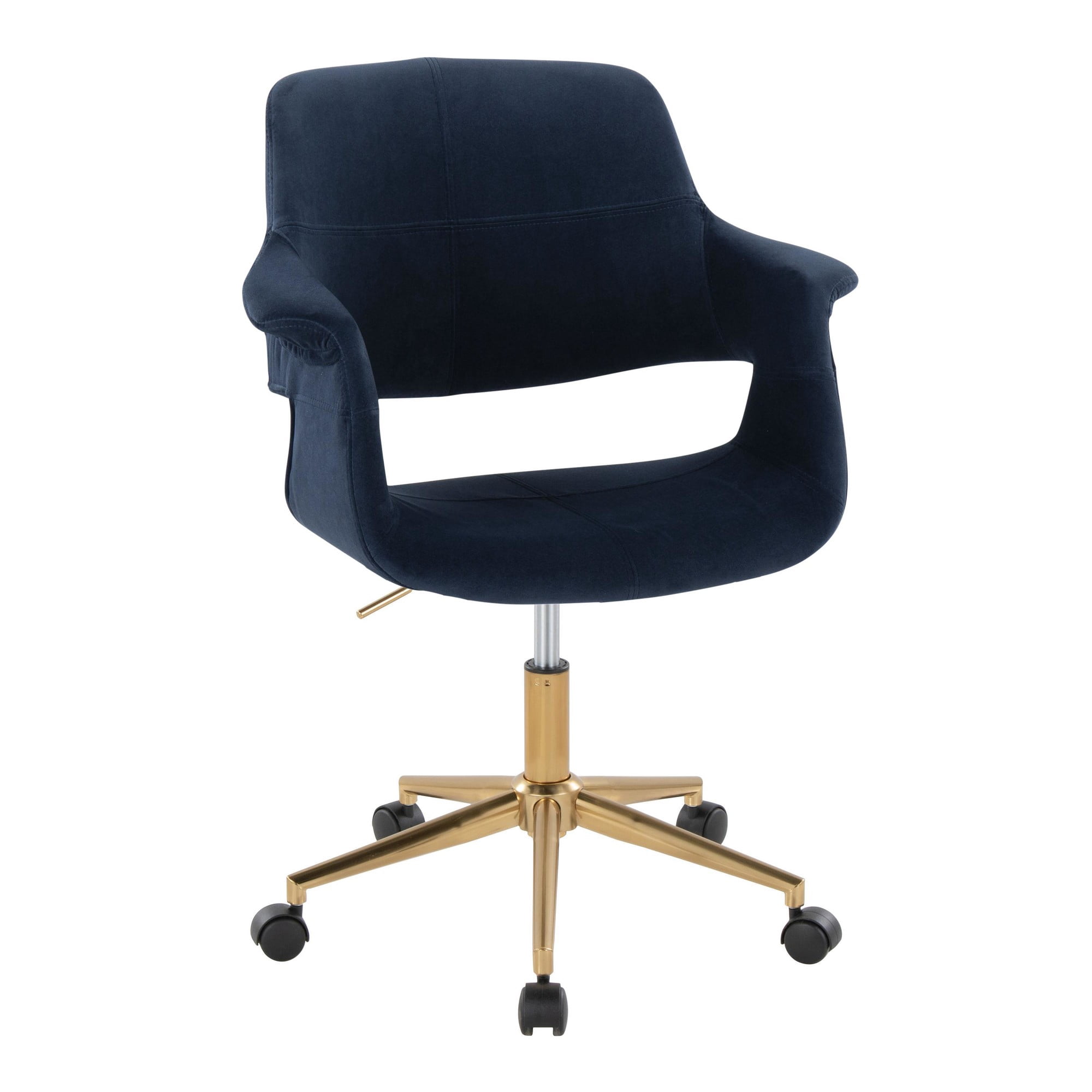
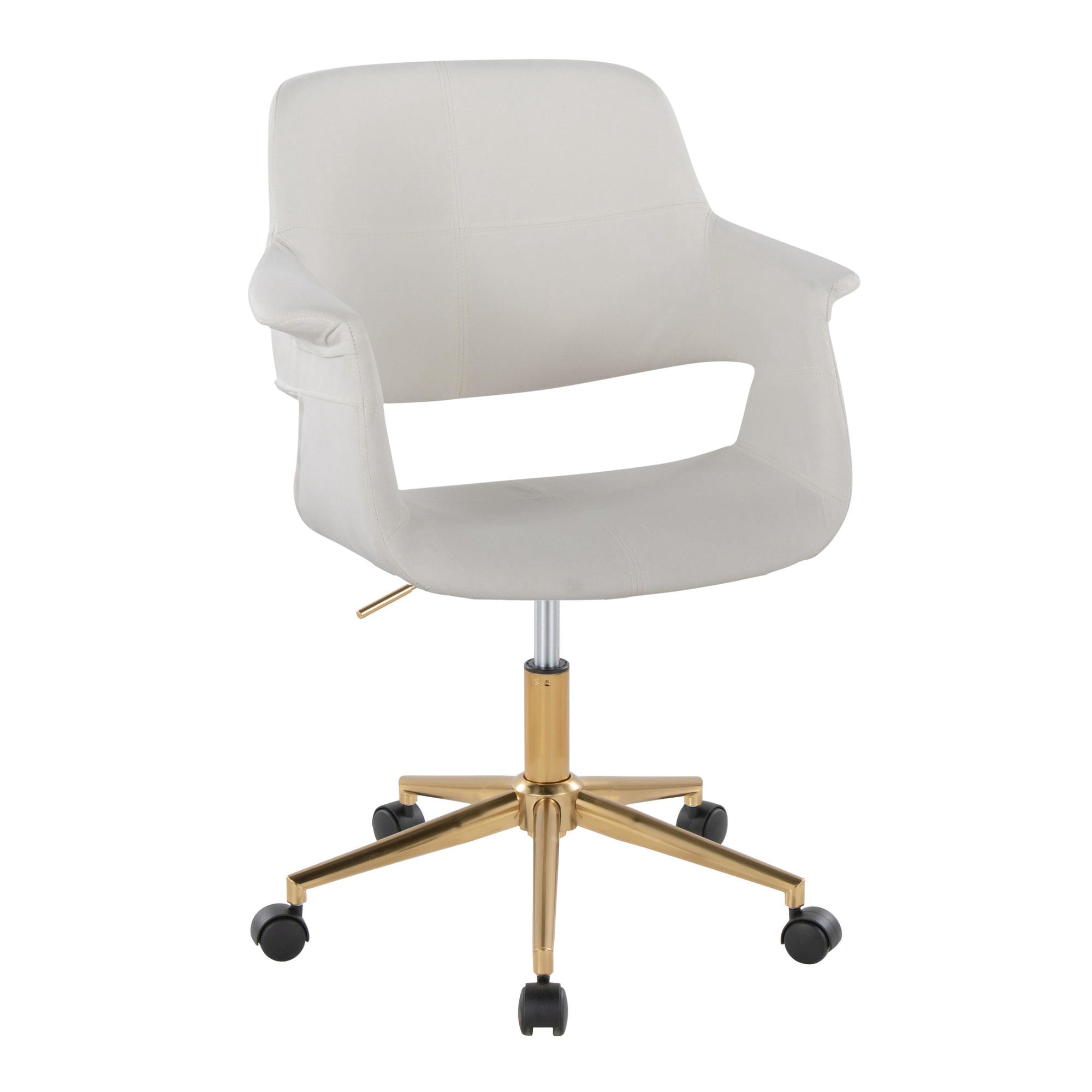
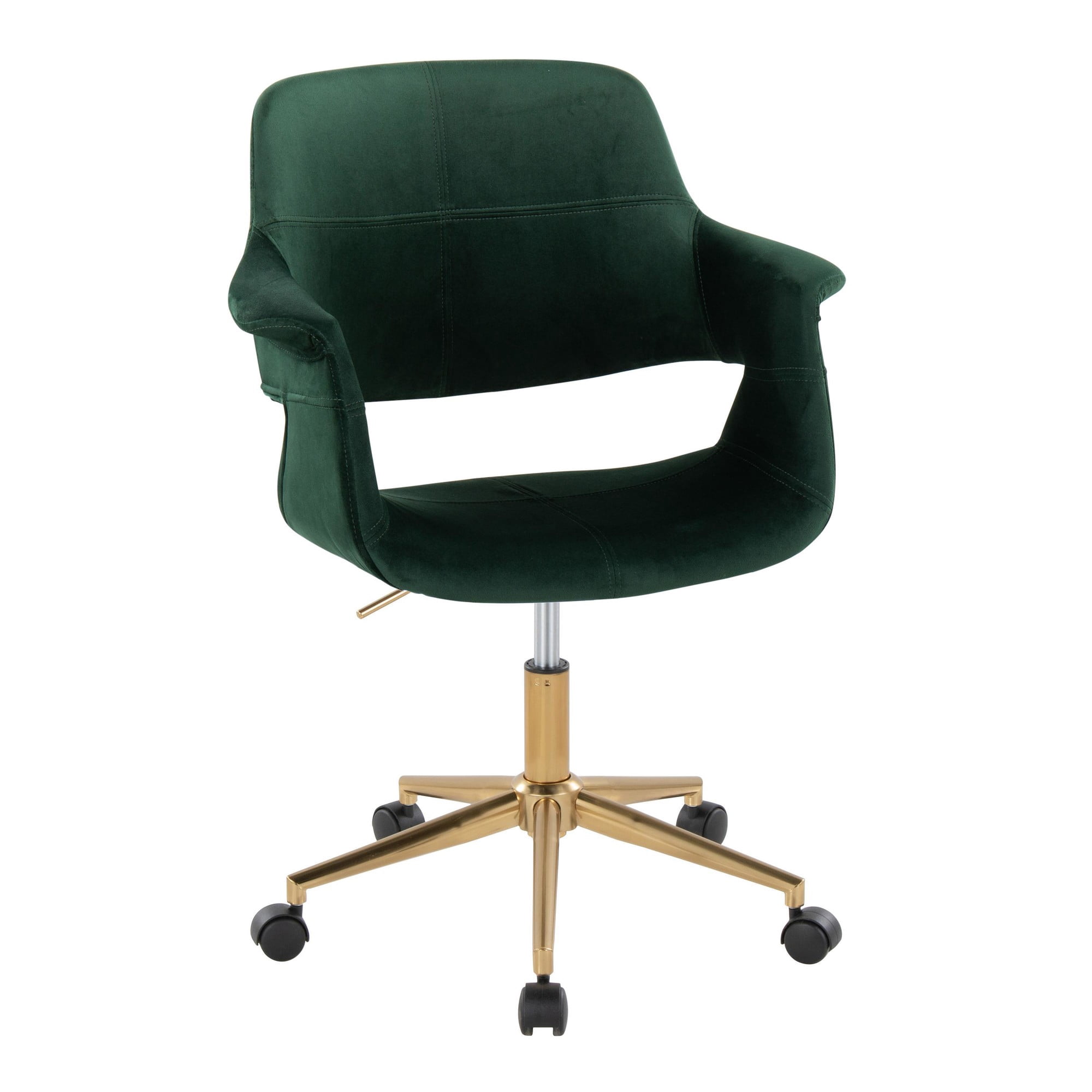
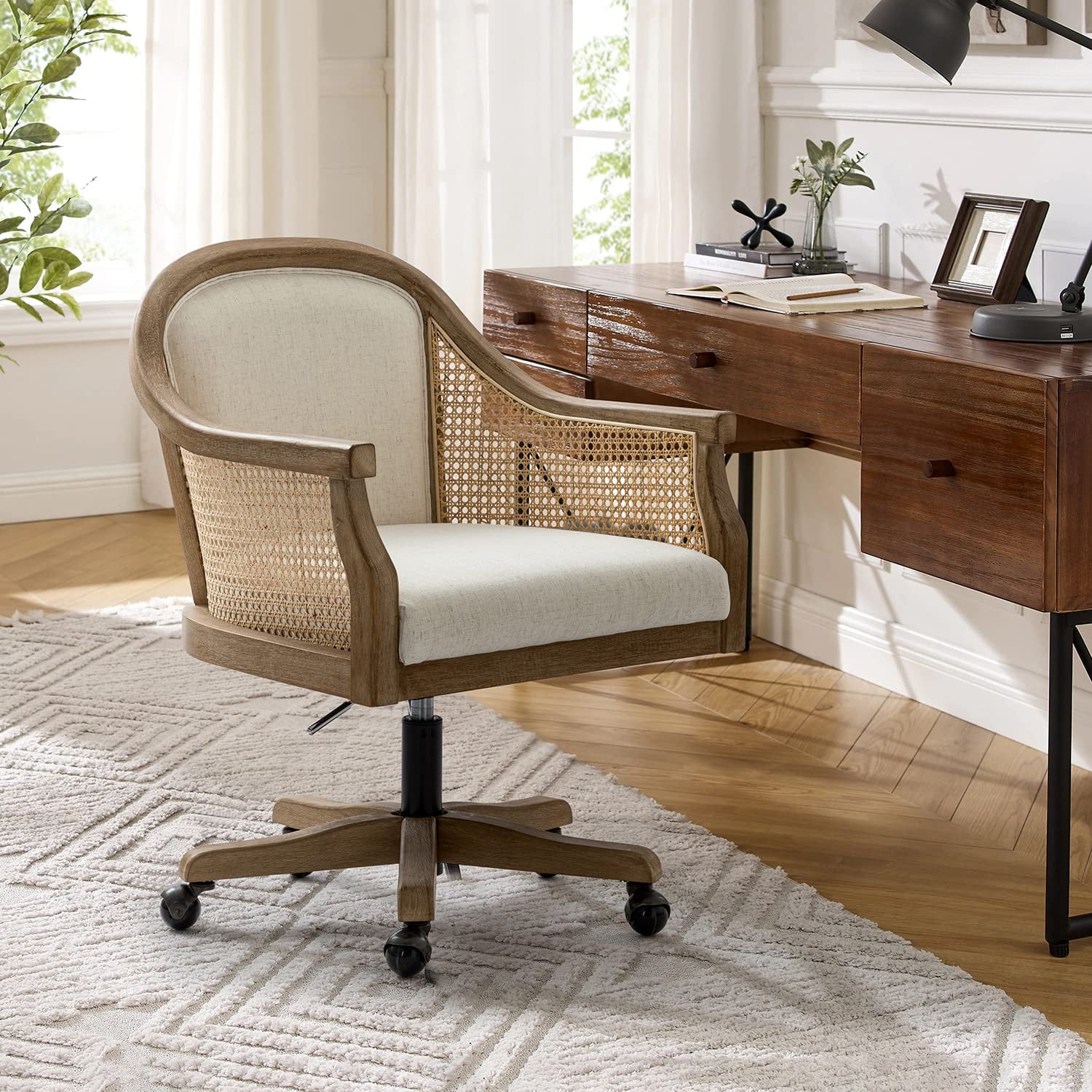
Why Choose a Vintage Office Chair?
A vintage office chair isn’t just a place to sit — it’s a statement. In an era of mass-produced, forgettable furniture, these classics bring personality, quality craftsmanship, and a connection to design heritage. Whether you're curating a mid-century modern home office or adding an industrial touch to your studio, the right vintage chair can anchor the room and spark creativity.
Design Note: According to interior design surveys, 68% of remote workers say that a visually inspiring workspace boosts their motivation. A vintage chair adds that unique focal point while often being built from solid hardwoods, thick steel, and full-grain leather — materials that outlast most modern alternatives.
The Anatomy of a Vintage Office Chair
Understanding the classic construction helps you spot quality. Here's what sets them apart:
- Solid wood or tubular steel frames: Often heavier and more durable than today's plastic composites.
- Deep button-tufting (Chesterfield style): Common in executive vintage chairs; adds plush comfort and timeless elegance.
- Metal or wooden base with casters: Early models used hooded casters; many vintage-inspired chairs now include smooth-rolling wheels.
- Leather or Naugahyde upholstery: Develops a beautiful patina over decades; easy to maintain.
- Simple ergonomics: Originals often had fixed height — modern replicas integrate gas lifts and lumbar support discreetly.
Eras & Styles of Vintage Office Seating
🪑 Mid-Century Modern (1950s–60s)
Clean lines, molded plywood, tapered legs, and organic shapes. Iconic designers: Eames, Jacobsen. Often upholstered in wool or leather.
Design icon🏭 Industrial / Factory (1920s–40s)
Cast iron, rivets, adjustable steel seats, and wheeled bases. Originally used in factories — now a loft favorite.
Raw & rugged👔 Traditional Executive (1970s–80s)
High-back, tufted leather, wooden armrests, often with a brass base. The "mad men" era style — power seating.
Bold presenceRestored vs. Vintage-Inspired: Which Path to Take?
You have two main routes when shopping for a vintage office chair. Let's compare them side by side:
| Aspect | Authentic Restored Vintage | Vintage-Inspired Modern |
|---|---|---|
| Materials | Original hardwood, steel, aged leather | New wood, engineered leather or fabric, powder-coated steel |
| Comfort/Ergonomics | Often minimal adjustment; may need extra cushion | Built-in lumbar support, height adjust, tilt mechanism |
| Durability | If restored properly, can last another 30+ years | Typically 5-10 years depending on quality |
| Price range | $300 – $1,200+ (for rare pieces) | $150 – $600 |
| Best for | Design purists, collectors, showpiece offices | Daily users who need comfort & style |
Our product grid above includes both categories — check product descriptions carefully to see if it's a true vintage item or a modern reinterpretation.
5 Tips to Style a Vintage Office Chair in Your Space
- Mix eras fearlessly: A 1960s chair pairs beautifully with a contemporary glass desk — the contrast makes both stand out.
- Use it as an accent: Let the chair be the star. Keep walls neutral and add one or two period-appropriate accessories (brass lamp, rotary phone).
- Check scale: Vintage chairs can be bulkier. Measure your room to ensure it doesn't overwhelm a small home office.
- Update the casters: If you love an original base, swap the wheels for modern ones that roll silently and protect floors.
- Add a lumbar pillow: For authentic vintage chairs lacking support, a small leather or wool pillow preserves the look while helping your back.
Where to Find Authentic Vintage Office Chairs
Beyond the affiliate products above, you can explore:
- Local antique malls and estate sales — often the most affordable source.
- Etsy and Chairish for restored pieces with seller ratings.
- Habitat for Humanity ReStores — hidden gems sometimes appear.
- eBay with search filters for "vintage office chair" and "restored".
Remember: if you buy an unrestored original, factor in the cost of professional reupholstery or wood refinishing (approx. $200–$600).
Frequently Asked Questions About Vintage Office Chairs
Conclusion: Bring Character to Your 9-to-5
A vintage office chair is more than a piece of furniture — it's a daily dose of inspiration. Whether you opt for a fully restored original from the 1950s or a brand-new chair with retro DNA, you're investing in style and often better materials. Just balance aesthetics with the ergonomic support your body needs. Check the product grid above for our curated selection, and don't forget to measure your desk height. Here's to working in style!