
Why a Thin Office Chair Makes Sense for Executives
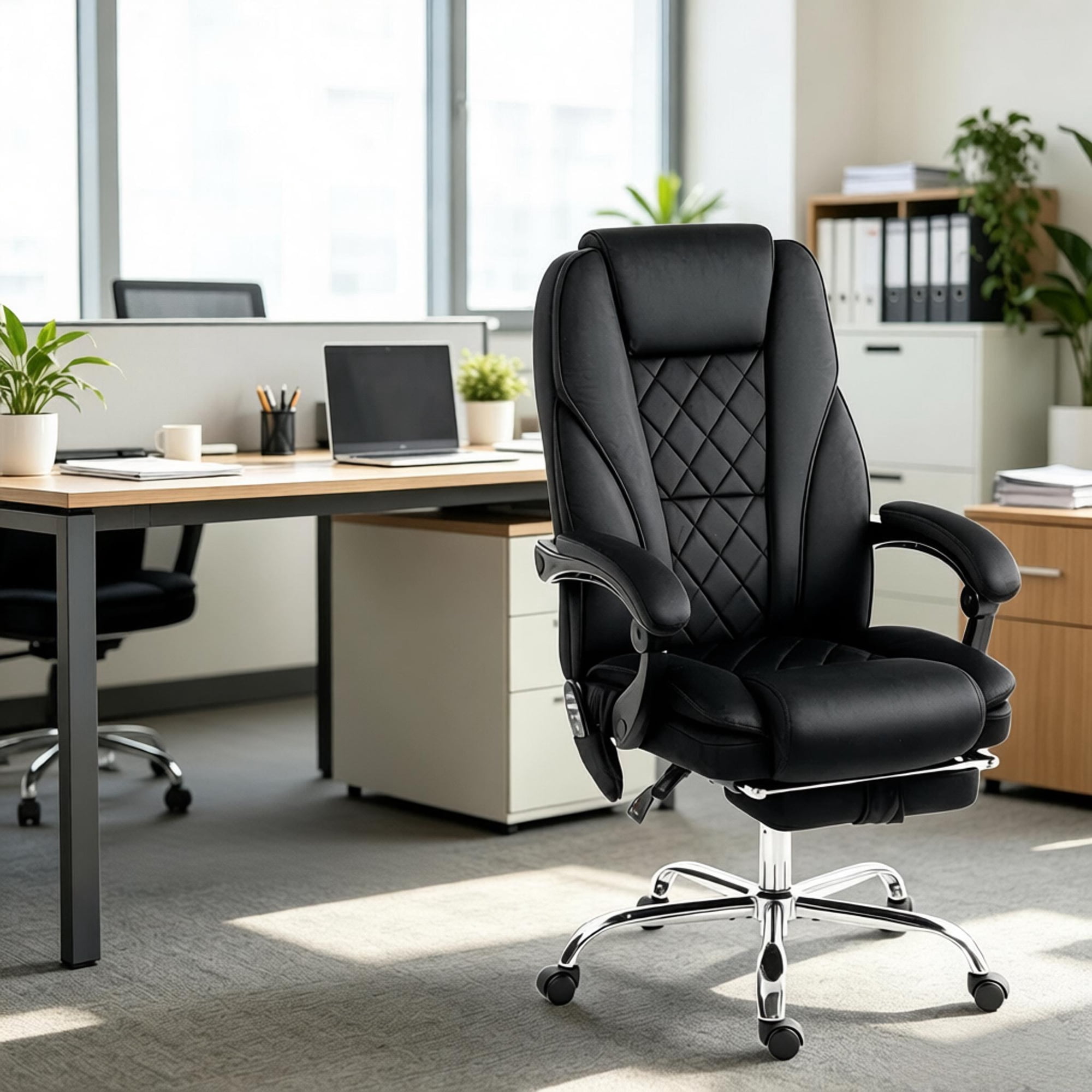
Imagine an office chair that takes up noticeably less visual and physical space, yet still cradles your back like a premium throne. That's the promise of a thin office chair. Unlike bulky traditional executive chairs, these streamlined designs fit narrow desks, small home offices, or collaborative zones where space is at a premium. According to recent workspace studies, 63% of remote workers report that their desk area is smaller than a standard corporate cubicle — making compact ergonomic seating not just a preference, but a necessity.
Ergonomic insight: A chair's width does not determine its support quality. Thin chairs with advanced contouring can reduce pressure on hips and thighs, especially for users with narrower frames. The key is intelligent design, not bulk.
Anatomy of a Thin Office Chair
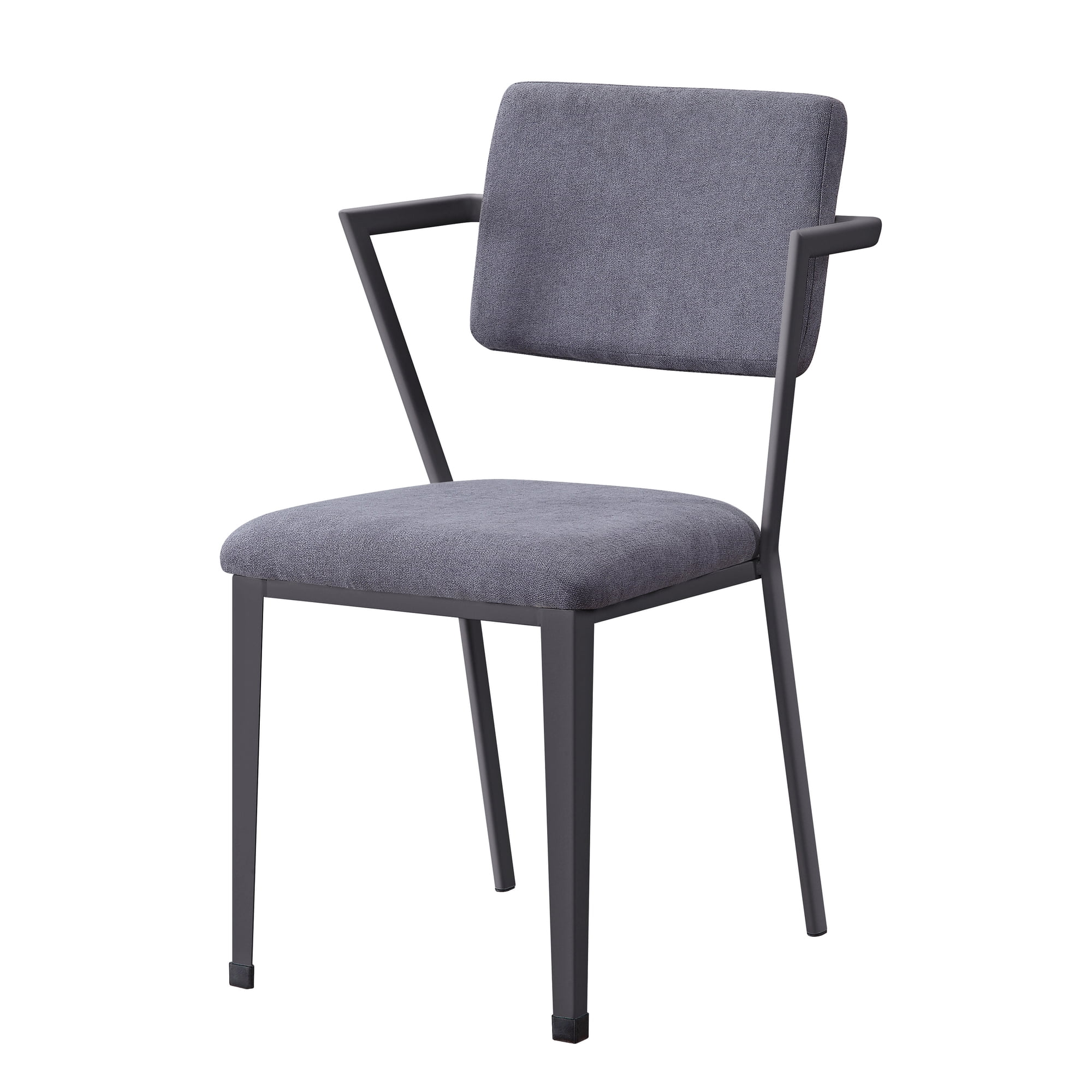
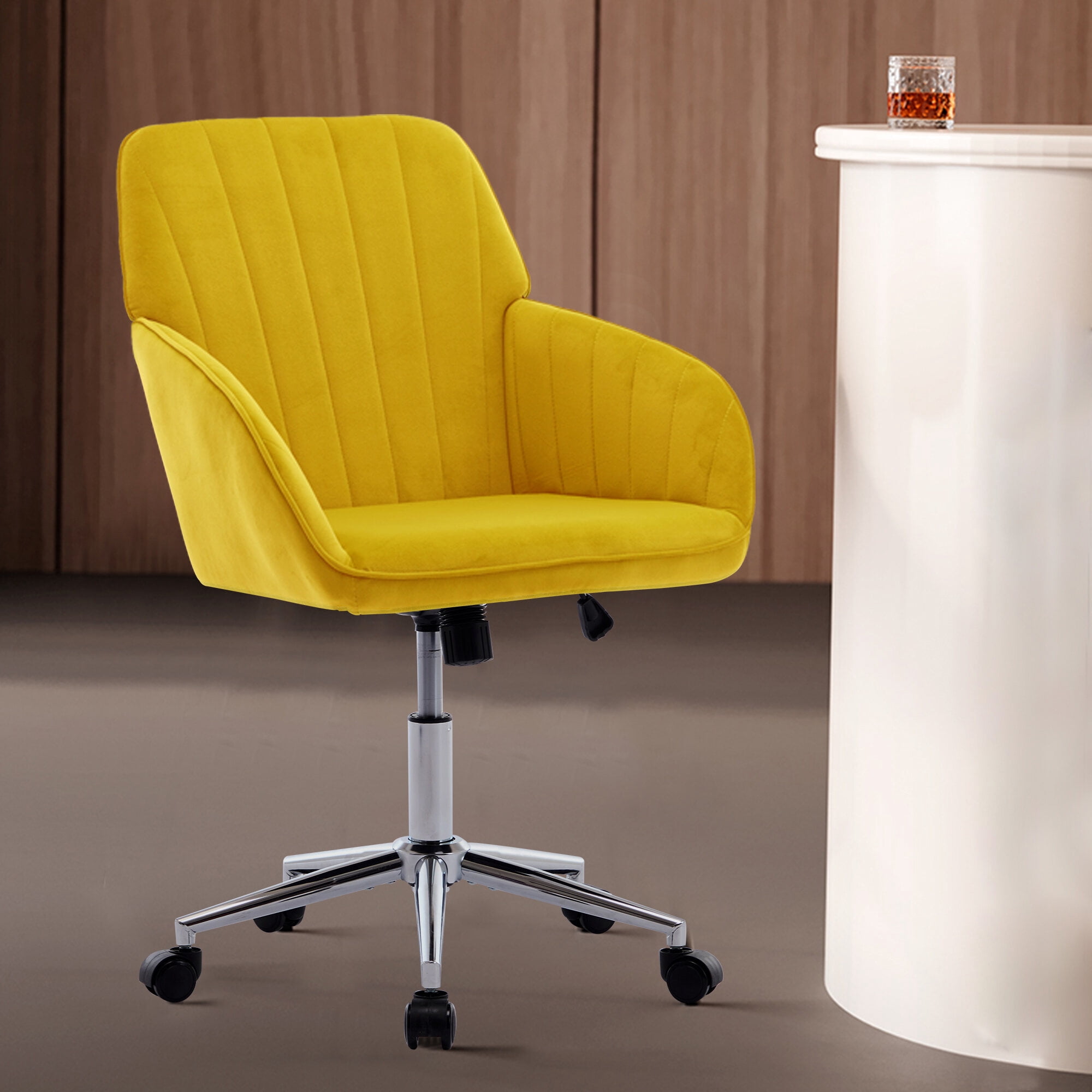
What exactly makes a chair "thin"? It's a combination of three core measurements: seat width (typically 18–20 inches), backrest width (often tapered), and armrest design (sometimes adjustable or removable). Here are the defining characteristics:
- Narrow seat pan: 19 inches or less, allowing the chair to fit into tight L-shaped desk curves.
- Slim-profile backrest: Often made of mesh or thinly padded leather to avoid visual heft.
- Streamlined armrests: Flip-up, fixed narrow, or width-adjustable arms that don't splay outward.
- Compact base: Smaller five-star footprint (about 25 inches diameter vs. standard 27-28 inches).
- Minimalist padding: High-density foam that provides support without excessive cushion bulk.
Who Benefits Most from a Thin Office Chair?
While anyone can appreciate a space-saving design, these chairs are particularly valuable for:
👍 Ideal candidates
- Home office workers with limited square footage
- Petite to average frame users who feel lost in wide seats
- Minimalist aesthetic lovers who prefer clean lines
- Co-working spaces that need flexible, movable seating
- Executives with twin-monitor setups — more room for elbows
👎 Consider alternatives if...
- You have a larger build (hips wider than 20 inches)
- You prefer "wrapped" feeling of oversized chairs
- You need integrated headrest (some thin chairs omit it)
- Heavy-duty use over 300 lbs — check capacity first
Key Features to Look for in a Thin Executive Chair
Not all slim chairs are created equal. When shopping for a thin office chair that maintains executive comfort, prioritize these adjustable elements:
1. Lumbar Support That Doesn't Bulge
Thin chairs often incorporate lumbar curves directly into the shell or use a low-profile adjustable pad. Look for "curved backrest" or "integrated lumbar" descriptions. Some models offer air-bladder lumbar that inflates without adding thickness.
2. Seat Depth Adjustment
A narrow seat can still be too deep for shorter users. Chairs with sliding seat pans (at least 2 inches of travel) ensure your thighs are properly supported without pressure behind the knees. This is critical in a thin design to maintain ergonomics.
3. Material: Mesh vs. Thin Leather
Mesh is inherently thin, breathable, and contours to the back. Premium mesh chairs (like those from Eurotech or Haworth) offer exceptional lumbar support in a slim package. Thin leather chairs use lighter padding and sometimes a perforated surface to reduce bulk while maintaining a classic look.
4. Armrest Adjustability
To keep the profile narrow, armrests may be height-adjustable only (not width-adjustable). However, some high-end thin chairs offer 3D or 4D arms that can be moved inward, actually making the chair even narrower at elbow level. Check the minimum width between armrests.
📏 Quick dimension checklist: Seat width 18–20” • Backrest width ≤ 19” • Armrest-to-armrest (min) 18–19” • Base diameter ≤ 26” • Overall width at widest point ≤ 27”
Comparing Thin Chairs to Traditional Executive Models
To help you visualize the trade-offs, here's a comparison based on real-world usage scenarios:
| Feature | Thin Office Chair | Standard Executive Chair |
|---|---|---|
| Floor space footprint | Approx. 24" x 24" (fits narrow areas) | Often 28" x 28" or larger |
| Visual weight | Light, modern, less imposing | Substantial, authoritative presence |
| Typical weight capacity | 250–300 lbs (some heavy-duty thin models exist) | 300–400 lbs common |
| Lumbar adjustability | Often built-in curve or minimal pad | Frequently multi-dimensional |
| Best for | Small offices, multitasking, light-to-medium frames | Corner offices, larger users, traditional decor |
Health & Posture Benefits of a Properly Fitted Thin Chair
Contrary to the myth that "bigger is more supportive," a chair that fits your body dimensions actually promotes better posture. A thin chair encourages:
- Active sitting: Less bulk allows easier movement and shifting.
- Natural arm positioning: Narrower armrests keep elbows close to torso, reducing shoulder strain.
- Better alignment: The lumbar curve is positioned precisely where your back needs it, not spread out over a wide area.
A 2022 ergonomics report noted that users in properly fitted chairs (where seat width matches hip breadth) reported 34% less buttock pain and 27% improved circulation compared to those in oversized seats.
5 Steps to Choose Your Ideal Thin Office Chair
Frequently Asked Questions About Thin Office Chairs
Final Verdict: Thin Is In for Smart Workspaces
Choosing a thin office chair isn't about sacrificing luxury—it's about intelligent adaptation to modern work environments. Whether you're outfitting a compact home office, a sleek startup headquarters, or simply prefer a chair that doesn't dominate the room, today's thin executive chairs deliver on both style and substance. Focus on fit, adjustability, and build quality, and you'll find a slim-profile seat that supports your success for years to come.
Remember: the best chair is the one that fits you and your space. Thin doesn't mean weak—it means wisely proportioned.