
Why Office Chair Arm Pads Are a Game-Changer for Your Workspace
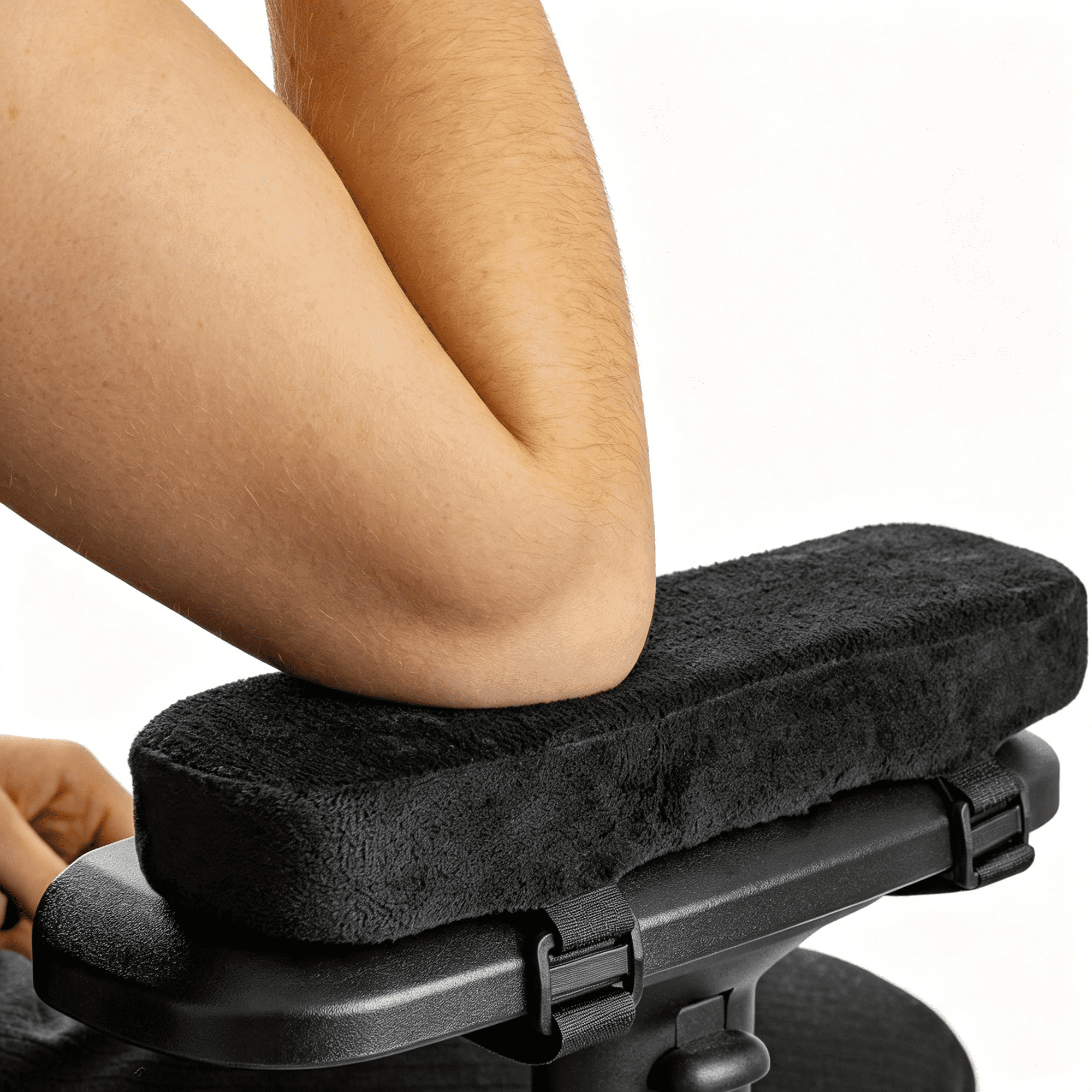
Imagine resting your arms on a cloud after a long day of typing. That's the feeling a good set of office chair arm pads can provide. Often overlooked, the armrests of your office chair are a critical touchpoint that can either support your productivity or contribute to fatigue and discomfort. If your current chair has hard, worn-out, or uncomfortably narrow armrests, you're not just dealing with a minor annoyance—you might be inviting long-term issues like shoulder stiffness, carpal tunnel syndrome, or poor posture.
According to a study by the Human Factors and Ergonomics Society, proper arm support can reduce muscle activity in the shoulders and neck by up to 20%, significantly lowering the risk of repetitive strain injuries. Think of office chair arm pads as the suspension system for your upper body. They absorb shock, provide a stable base, and keep everything aligned. Whether you're a remote worker, a gamer, or a C-suite executive, upgrading your arm pads is one of the most cost-effective ergonomic improvements you can make.
Ergonomic Insight: A survey by the American Chiropractic Association revealed that 70% of office workers who added memory foam arm pads to their chairs reported a noticeable decrease in upper back and neck pain within two weeks. The right arm support is not just a comfort feature—it's a health investment.
The Anatomy of an Office Chair Arm Pad: What You're Really Buying
To choose the perfect arm pads, you need to understand their core components. It's not just a slab of foam; it's a carefully engineered accessory. Here’s a breakdown of the key elements that define quality and comfort.
1. Core Material: The Foundation of Comfort
The inner filling determines how the pad feels and how long it lasts. Here’s a comparison of the most common types:
Memory Foam
- Conforms to your arm shape: Provides personalized, pressure-relieving support.
- Excellent shock absorption: Ideal for typists and those with heavy-handed desk work.
- Drawback: Can retain heat; look for gel-infused versions for cooling.
High-Density Foam
- Firm and durable: Maintains its shape well over time, offering consistent support.
- Responsive: Bounces back quickly, providing a stable surface.
- Drawback: May feel too firm for users seeking a plush, sink-in feeling.
Gel Infusion / Cooling Gel
- Temperature regulation: Actively dissipates heat, keeping arms cool and sweat-free.
- Often combined with foam: Provides both comfort and cooling.
- Ideal for: Warm climates or long sessions where heat builds up.
Air Mesh / Breathable Fabric
- Maximum airflow: Prevents moisture and heat accumulation.
- Lightweight: Adds minimal bulk to the armrest.
- Drawback: Offers less cushioning and pressure distribution compared to foam.
2. Cover Material: Durability and Aesthetics
The outer layer is what you touch every day. It needs to be durable, easy to clean, and feel pleasant.
- Faux Leather / PU Leather: Offers a sleek, professional look that's easy to wipe clean. However, it can peel or crack over time, especially with sweat and friction.
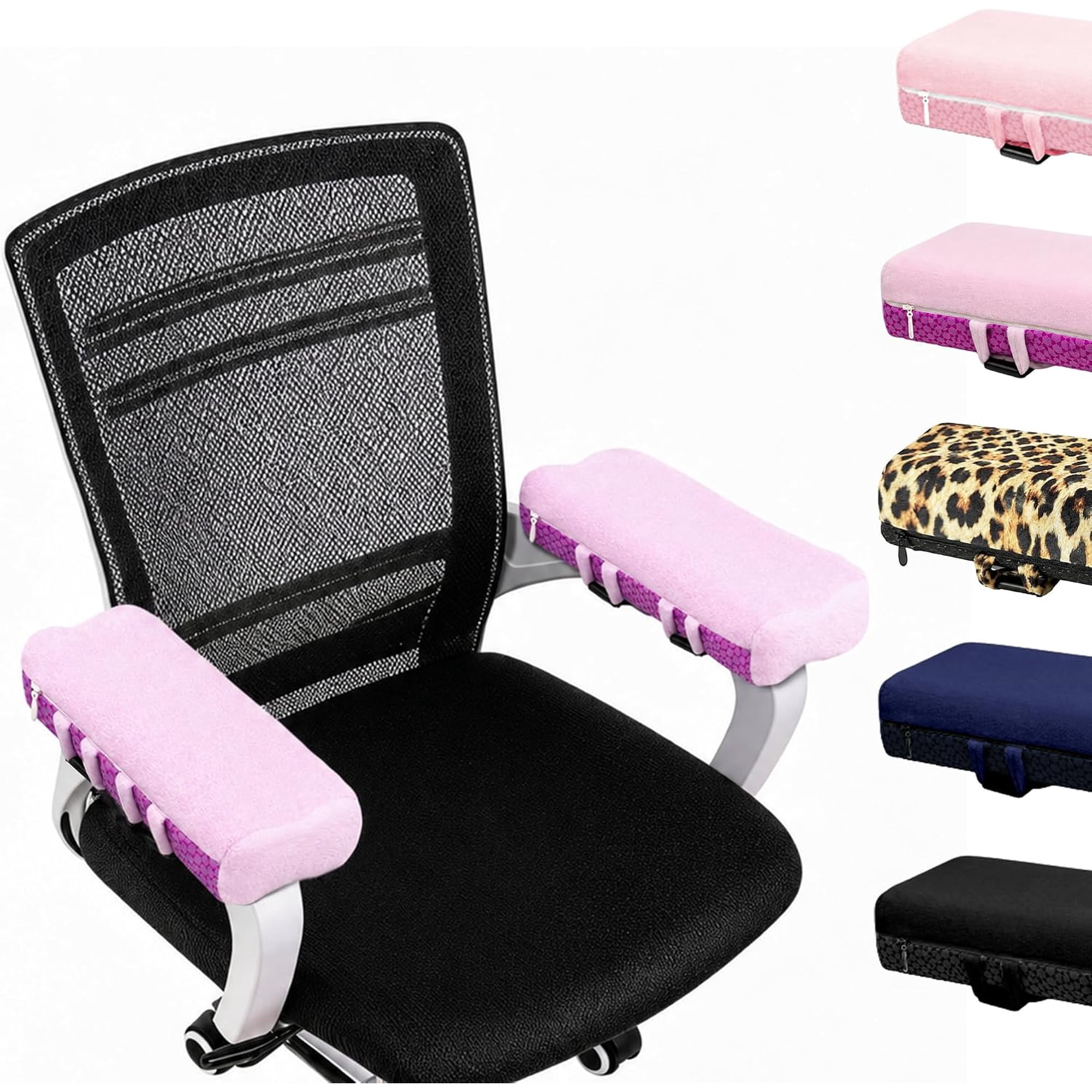
- Fabric (Polyester, Nylon): Breathable and soft, available in many colors. It may stain more easily and can pill with heavy use.
- Mesh: Highly breathable but can be abrasive on bare arms if the quality is low. Best for covered-arm environments.
- Velour / Microfiber: Extremely soft and cozy, but can trap dust and be harder to clean.
3. Attachment Mechanism: Keeping Them in Place
There's nothing worse than arm pads that slide around. Here are the common methods:
- Slip-On / Sock Style: These stretch over the entire armrest. They provide full coverage and stay put very well. Best for armrests that are detachable or have a simple shape.
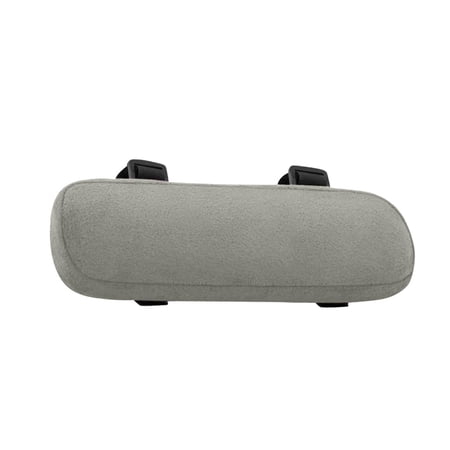
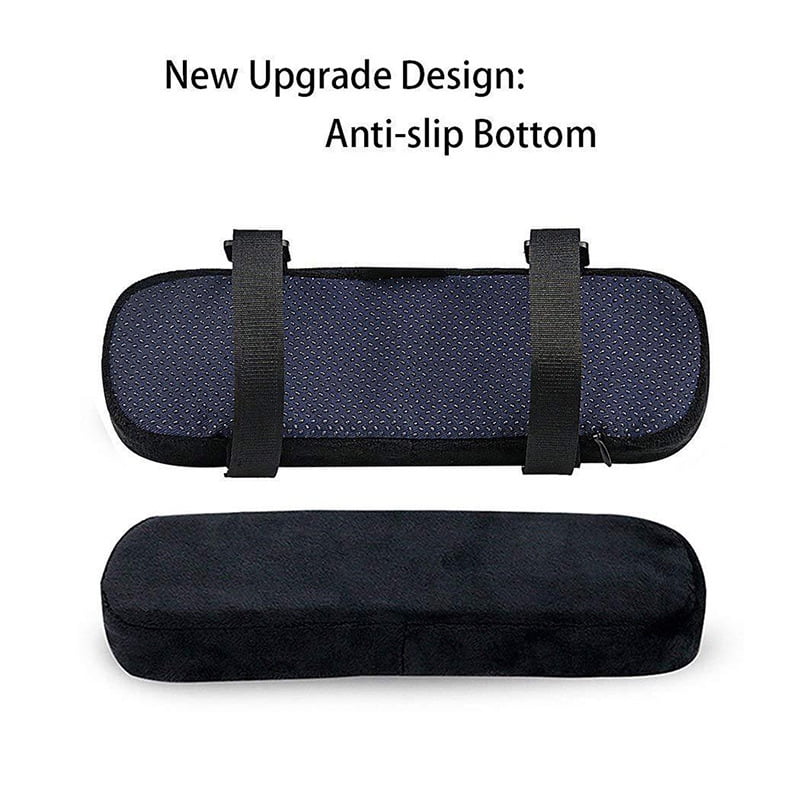
- Strap-On (Velcro or Buckle): Universal pads with adjustable straps. They can fit a wide variety of armrest widths. Look for heavy-duty elastic and non-slip silicone strips on the underside for extra grip.
- Adhesive Backing: Some thin pads stick directly onto the armrest. While low-profile, the adhesive can weaken over time and leave residue.
- Screw-On Replacement: These are exact replacements for specific chair models (like Steelcase or Herman Miller). They offer a factory-fit look and feel but are not universal.
Step-by-Step Guide: Selecting Your Ideal Arm Pads
Choosing the right arm pads doesn't have to be a guessing game. Follow this systematic approach to find your perfect match.
Step 1: Measure Your Existing Armrests
- Width: Measure the top surface width. Universal pads typically fit 2" to 3.5".
- Length: Measure from front to back. Standard is 7" to 10".
- Depth/Thickness: Note how much space you have if you want a thicker pad.
- Shape: Is it flat, contoured, or rounded? This affects strap-on vs. slip-on compatibility.
Step 2: Define Your Primary Need
Step 3: Match Material to Your Environment
- Shared Office / High Traffic: Faux leather or treated fabric for easy cleaning.
- Home Office / Personal Use: Memory foam with a soft fabric cover for maximum comfort.
- Hot Climate / No A/C: Gel-infused or mesh-covered pads are non-negotiable.
Step 4: Read Reviews for "Real-World" Fit
Product dimensions are crucial, but reviews often reveal if a pad runs small, if the straps are long enough, or if the foam flattens quickly. Pay special attention to reviews from users with the same chair brand as yours.
Installation Tips: Getting the Perfect Fit
Once you have your new office chair arm pads, proper installation ensures they perform as intended.
- Clean First: Wipe down your existing armrests with rubbing alcohol. This removes oils and dirt, helping non-slip backings and straps grip better.
- Strap Tension: For strap-on pads, tighten them just enough to be secure but not so tight that you deform the pad's cushioning. The pad should sit flush with the armrest.
- Slip-On Technique: For a snug fit, try turning the cover inside out, pulling it over the armrest like a sock, then rolling it right-side out. This minimizes bunching.
- Break-In Period: Memory foam may feel firm at first. Give it a day or two to conform to your arms and the room temperature.
Frequently Asked Questions About Office Chair Arm Pads
Conclusion: Small Investment, Big Difference in Daily Comfort
Your office chair is a tool, and like any good tool, its components should work in harmony to support you. Office chair arm pads are the unsung heroes of ergonomic comfort. They bridge the gap between a standard chair and a personalized seating experience. Whether you're dealing with the cold, hard plastic of a budget chair or the worn-out padding of a favorite classic, the right arm pads can revitalize your workspace.
By understanding the materials, measuring your space, and matching the pads to your specific needs—be it cooling gel for summer or plush memory foam for all-day typing—you're taking a proactive step toward a healthier, more productive work life. Explore the products above, read the details, and give your arms the support they deserve. Your shoulders and neck will thank you.