
Why Your Tile Floor Needs a Dedicated Chair Mat
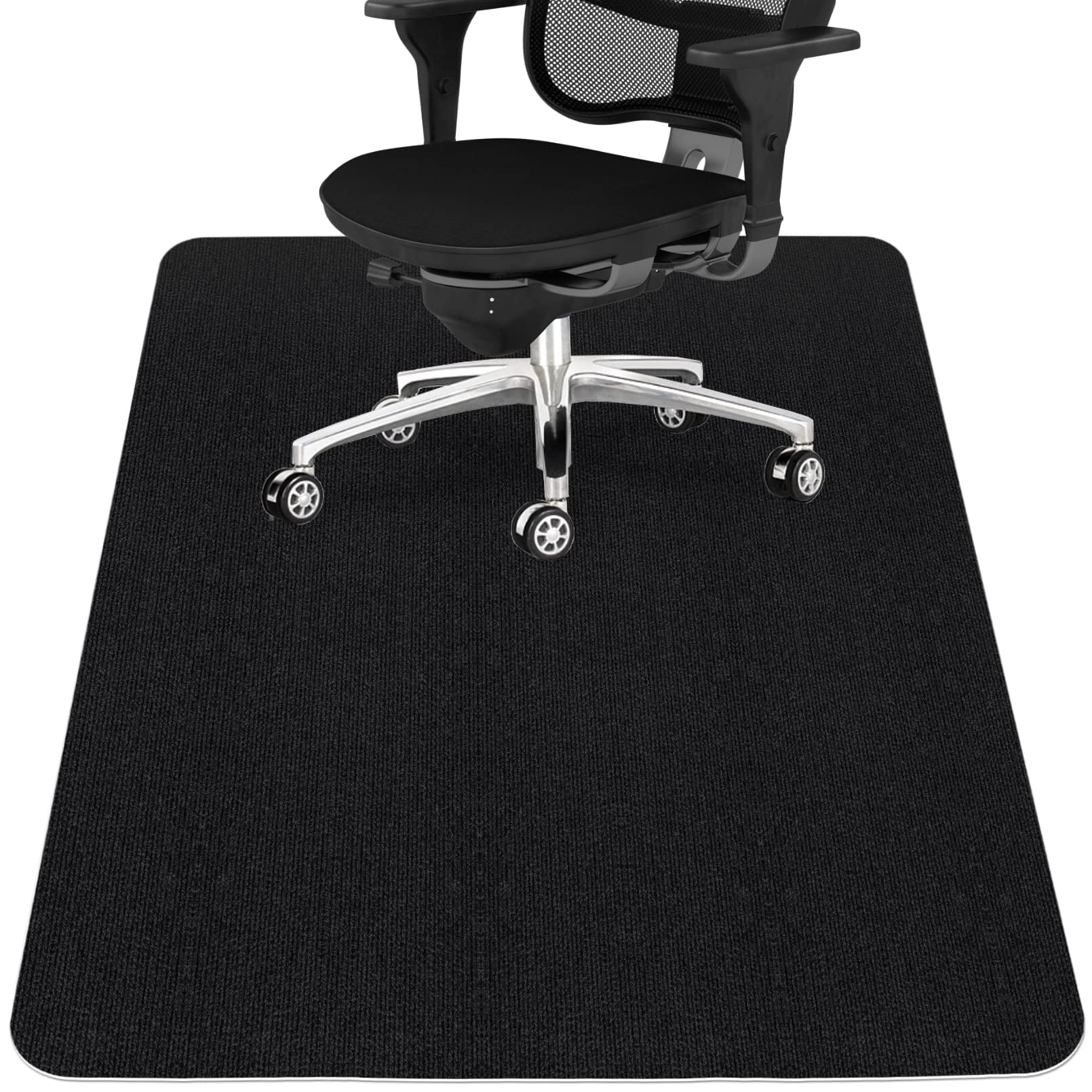
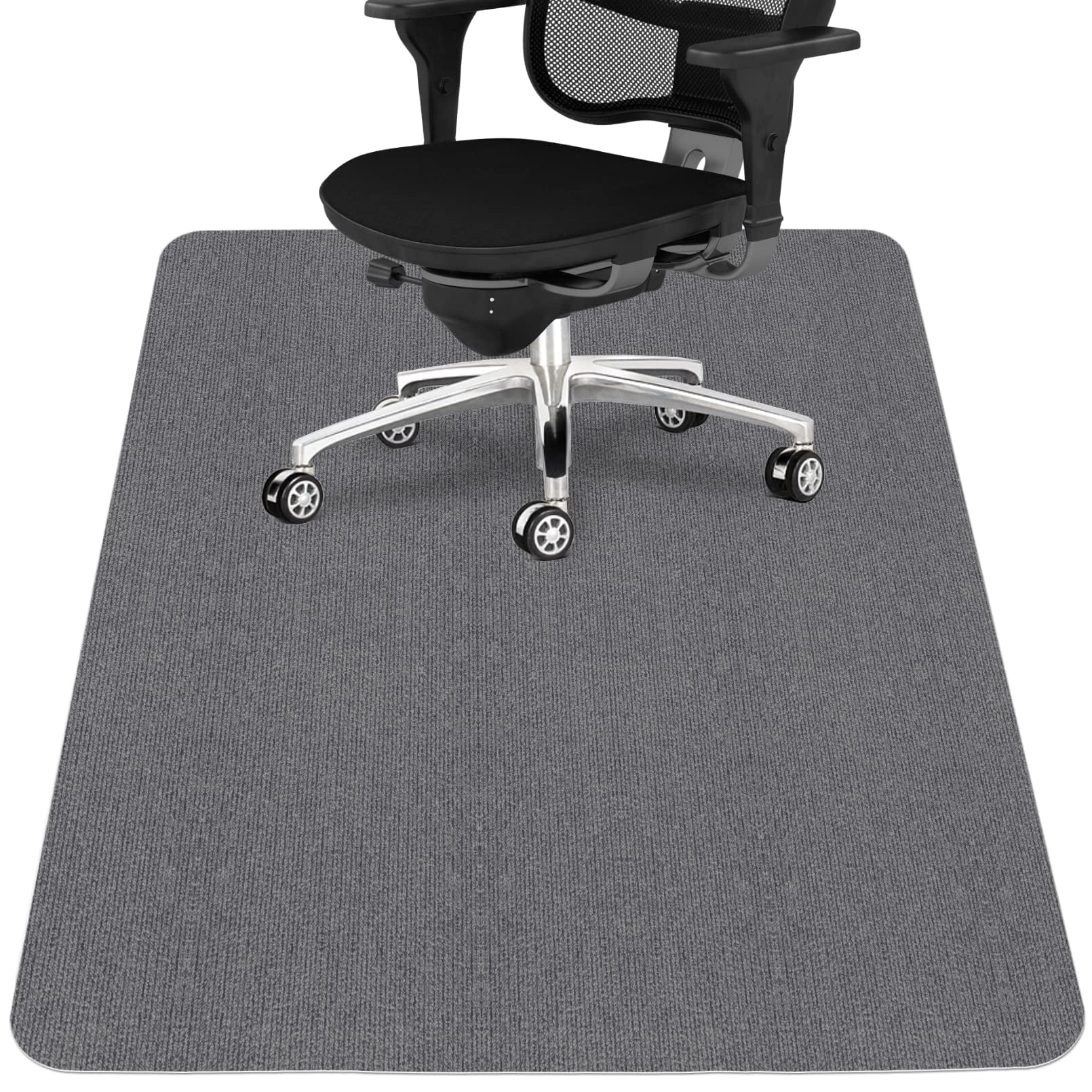
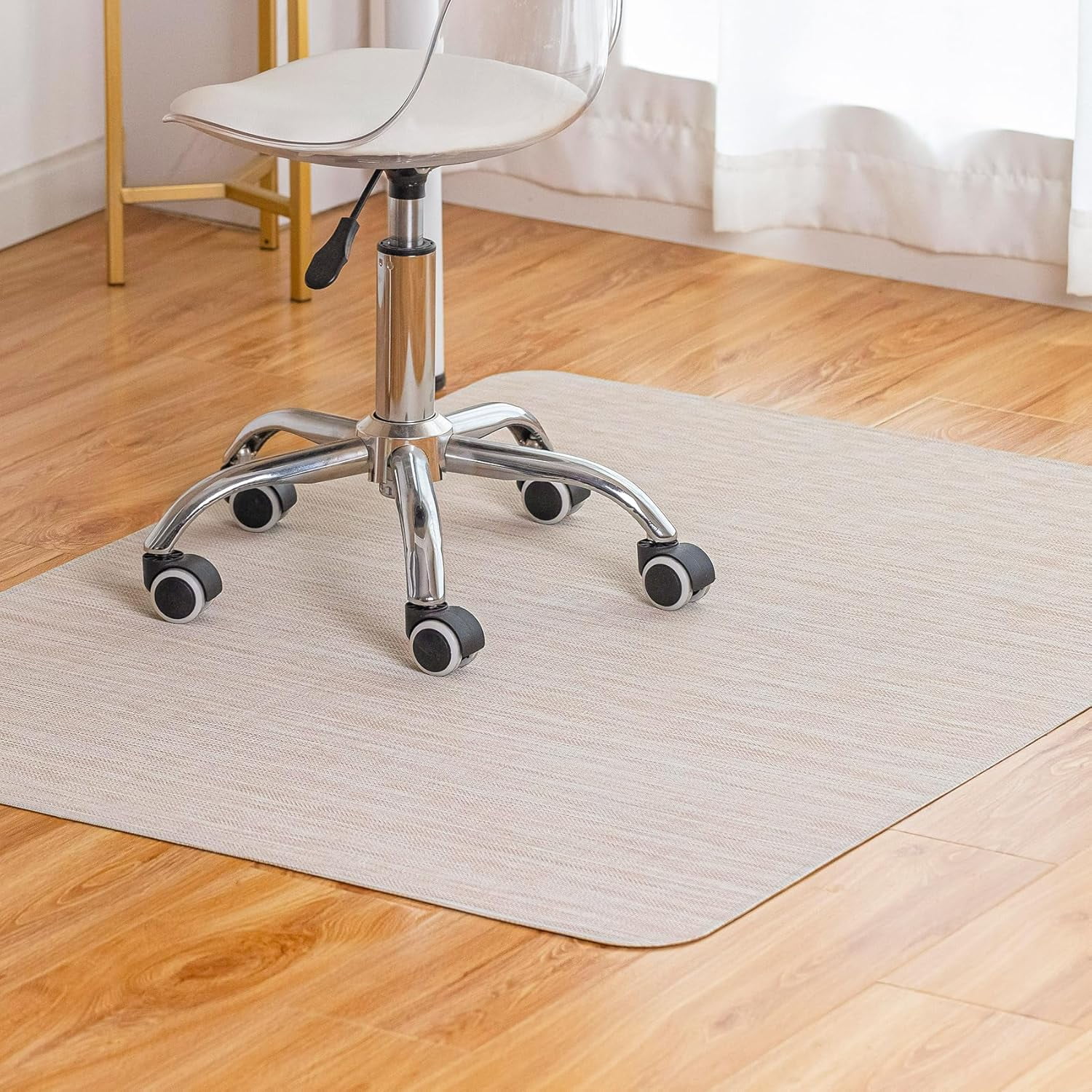
Imagine spending thousands on beautiful ceramic, porcelain, or stone tile flooring, only to watch it get scratched, dulled, or chipped by the simple act of rolling your office chair. It happens more often than you think. Standard chair casters, especially if they're hard plastic or have accumulated grit, act like tiny chisels on tile grout and the protective glaze. An office chair mat for tile floor acts as an invisible shield, absorbing the friction and preserving the pristine look of your floor for years to come. But not all mats are created equal—using a carpet mat on tile is a recipe for slipping and scratching.
Industry Insight: According to flooring specialists, up to 70% of micro-scratches on hard surface floors in home offices come from unfettered office chair movement. A proper hard floor mat can virtually eliminate this damage, preserving both the floor's appearance and your security deposit or home resale value.
Key Features of the Perfect Tile Floor Chair Mat
Selecting a mat for tile is different than for carpet. You need to prioritize floor protection, sure, but also your own rolling experience and safety. Here are the critical features to look for:
- Hard Floor Specific Backing: Avoid mats with cleats or spikes. Look for a smooth or lightly textured underside that provides grip without scratching. Some have a "dimpled" or "gripper" backing made of a softer material that clings to the smooth tile surface.
- Material Durability: Polycarbonate is the gold standard. It's incredibly tough, resistant to cracking under weight, and remains clear and flat over time. PVC (Vinyl) is a budget-friendly alternative but can yellow, curl at the edges, or become brittle in cold temperatures.
- Thickness and Beveled Edges: A mat that's too thin might not protect against heavy impacts or the chair's weight concentration. Look for at least 2mm to 3mm thickness. Crucially, the edges should be beveled (sloped) to allow your chair to roll onto the mat smoothly without creating a tripping hazard.
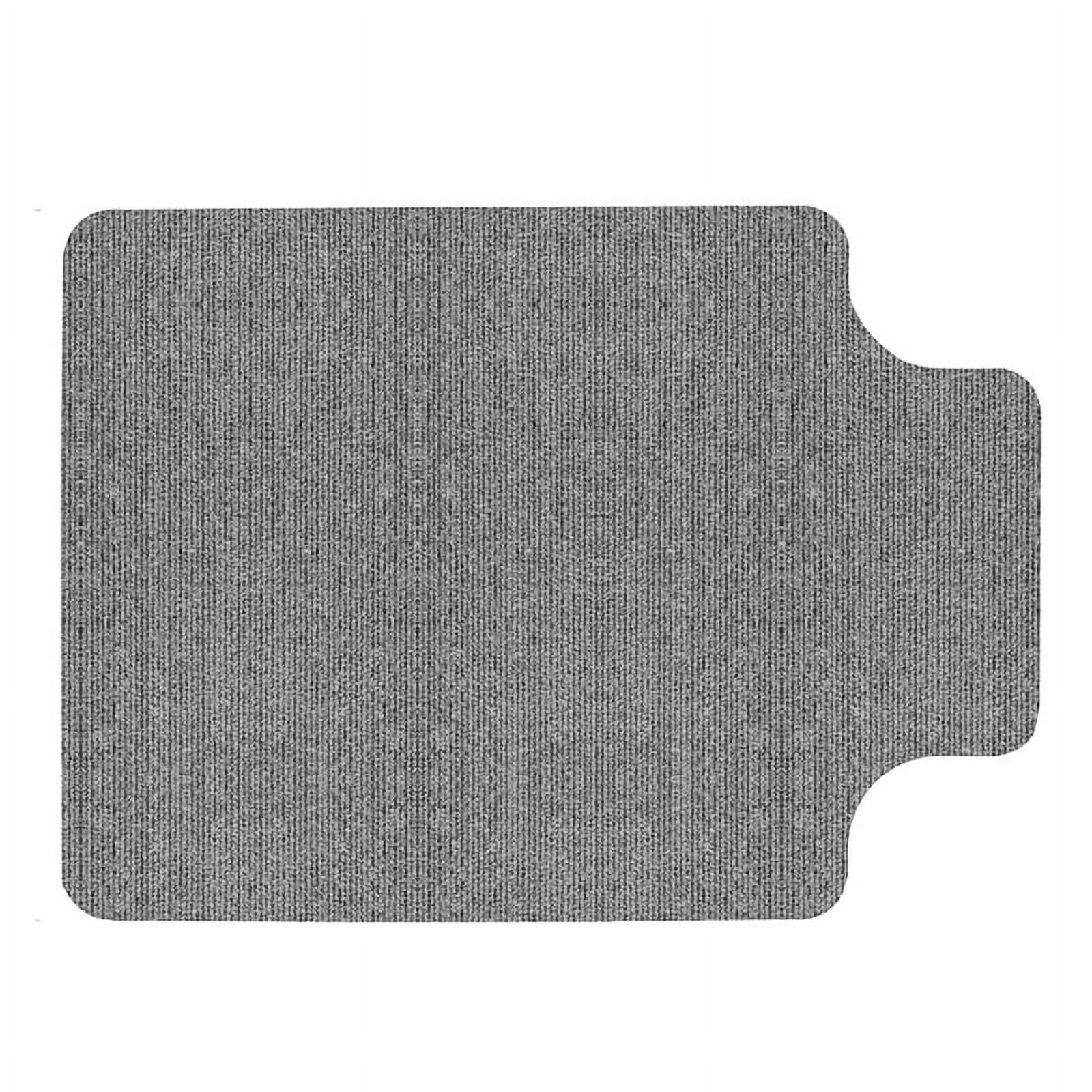
- Size and Lip: Measure your workspace. The mat should be large enough so your chair stays on it during typical use. A "lip" that extends under your desk is essential to protect the area where your feet rest and where the chair sits when not in use.
- Transparency vs. Texture: Clear mats let your beautiful tile shine through. Textured or patterned mats hide dust and small scratches better but can visually alter the room.
Material Showdown: Polycarbonate vs. PVC for Tile
The material is the soul of your chair mat. Here’s a detailed comparison to help you decide:
✅ Polycarbonate (Premium Choice)
- Unmatched Clarity: Stays crystal clear, doesn't yellow with age.
- Extreme Durability: Virtually unbreakable under normal office use. Resists cracking and chipping.
- Lies Flat: Superior memory means it won't curl at the corners.
- Eco-Friendlier: Typically free from BPA and phthalates.
- Performance: Provides a smooth, consistent rolling surface for years.
⚠️ PVC (Vinyl / Budget Choice)
- Cost-Effective: Significantly cheaper than polycarbonate.
- Prone to Yellowing: Can become hazy or yellow over time, especially in sunlight.
- Curling Issues: Edges may curl, creating a tripping hazard and annoyance.
- Temperature Sensitivity: Can become brittle in cold rooms and soft in extreme heat.
- Potential Odor: New mats often have a strong "off-gassing" plastic smell.
For a long-term investment in protecting your tile floor, polycarbonate is almost always the recommended route. It simply performs better and lasts longer, making the higher upfront cost worthwhile.
Step-by-Step Guide: Choosing Your Ideal Mat
Follow this simple guide to navigate the options and pick the perfect office chair mat for tile floor for your specific setup.
Step 1: Assess Your Floor & Chair
- Tile Type: Is it glossy ceramic, textured porcelain, or natural stone? Glossy floors need a mat with excellent non-slip properties. Textured stone might be more forgiving.
- Chair Weight & Caster Type: Heavy executive chair? You need a thicker polycarbonate mat. Do you have roller blade-style casters (soft wheels)? They are gentler on floors but still benefit from a mat.
Step 2: Measure Your Workspace
- Mat Size: Standard sizes are 36"x48" or 45"x53". Measure the area where your chair moves. You need enough space so the casters don't roll off the edge during normal work tasks.
- Desk Lip: Measure how far your desk extends. You need the mat's "lip" to slide under the desk to protect the area where your feet and chair base rest.
Step 3: Decide on Material & Backing
- For maximum durability and clarity: Choose a polycarbonate mat with a gripper backing. This is the best long-term value.
- For a tight budget or temporary use: A PVC mat might suffice. Be prepared for potential curling or yellowing.
- For heavy traffic/high weight: Opt for a thicker gauge (<3mm) polycarbonate.
Step 4: Check for Safety & Aesthetics
- Beveled Edges: Ensure the description mentions beveled edges for safety and easy rolling.
- Clear vs. Patterned: Choose clear to show off your floor. Choose a light texture if you're worried about showing dust.
Pros and Cons of Using a Chair Mat on Tile
✅ Pros
- Floor Protection: Prevents scratches, scuffs, and glaze wear.
- Easier Movement: Provides a smooth, consistent surface for rolling.
- Ergonomic Benefit: Reduces the force needed to move, easing strain on legs and back.
- Preserves Grout: Protects grout lines from being worn down by casters.
- Easy to Clean: A quick wipe or vacuum keeps the mat and the floor underneath clean.
❌ Cons
- Cost: A quality polycarbonate mat is an investment.
- Potential for Slipping: Poor quality mats can slide on smooth tile. Essential to get one with gripper backing.
- Aesthetics: Some people dislike the look of a plastic mat on their beautiful floor.
- Debris Trap: Dirt can get trapped underneath, requiring periodic cleaning to prevent scratches from the debris itself.
Maintenance Tips for Your Tile Floor Mat
To keep your mat looking clear and performing well for years, follow these simple steps:
- Regular Cleaning: Vacuum or sweep the top of the mat weekly to remove grit that can cause micro-scratches on the mat's surface.
- Lift and Clean Underneath: Every month or two, lift the mat and clean the tile floor underneath. This prevents trapped dirt from acting as an abrasive.
- Wipe Spills Immediately: While polycarbonate is resistant to many liquids, standing water or spills can seep underneath or damage the mat's backing over time.
- Use Proper Casters: Soft rubber or "roller blade" style casters are quieter and gentler on both the mat and your tile.
Frequently Asked Questions About Chair Mats for Tile
Final Verdict: Is a Chair Mat Worth It for Tile?
Absolutely. Think of an office chair mat for tile floor as an insurance policy for one of the most expensive surfaces in your home or office. The cost of replacing or professionally cleaning scratched tile far exceeds the price of a high-quality polycarbonate mat. By choosing a mat with the right material—ideally polycarbonate—and a non-slip backing, you ensure effortless chair movement, a safer workspace, and a pristine floor that will last. Don't wait until you see the first gray scuff mark; protect your tile today.
Quick Recommendation
Invest in a clear polycarbonate mat with a gripper backing. It offers the best balance of durability, aesthetics, and floor protection.
A thick PVC mat can work as a temporary solution, but be prepared to replace it sooner due to yellowing or curling.
Seek out a heavy-duty polycarbonate mat (often labeled "for hard floors") with a thickness of at least 1/4 inch for maximum stability.