
The Quiet Dignity of a Small Wooden Office Chair
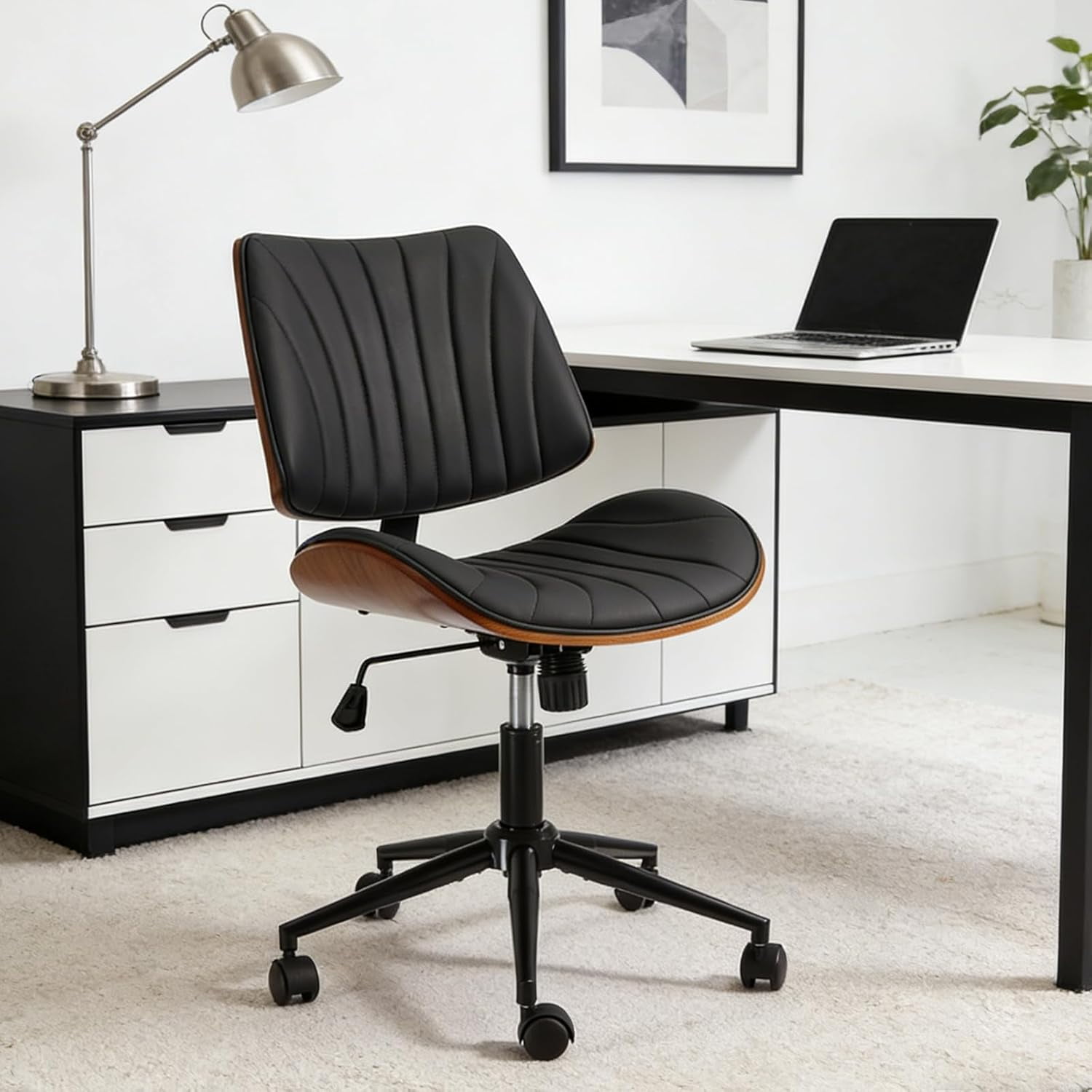
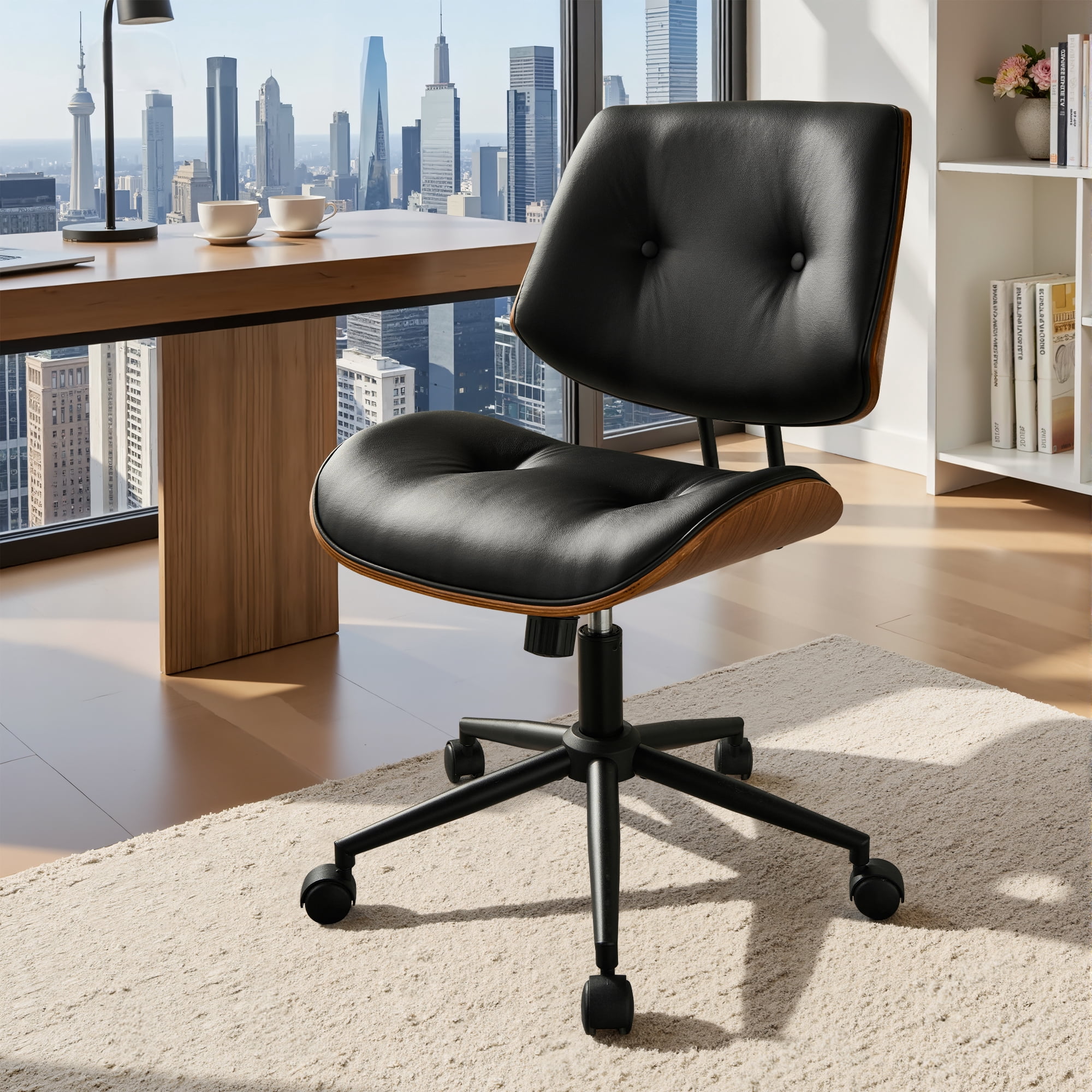
In an era of flashy gaming chairs and cold mesh backs, the small wooden office chair stands apart like a piece of heirloom furniture. It doesn't shout for attention—it quietly supports you with natural materials and honest craftsmanship. But is it just a pretty face? Not anymore. Today's compact wooden chairs are engineered with ergonomic curves, subtle adjustments, and space-saving dimensions that make them ideal for home offices, writing nooks, or even a stylish accent in a bedroom workspace.
Think of a wooden office chair as the "selvedge denim" of seating—it gets better with age, develops a patina, and tells a story. For the small-space dweller, it's a strategic choice: a chair that measures under 24 inches in width can tuck neatly under a desk, freeing up precious floor area. This guide will walk you through everything you need to know, from wood types to ergonomic features, so you can find a chair that's both a design statement and a supportive partner for your workday.
Did you know? According to interior design surveys, 68% of home office workers prefer natural materials like wood to create a calming, biophilic workspace. A wooden chair can reduce visual clutter and promote a sense of focus, much like a wooden desk does.
Anatomy of a Small Wooden Office Chair: What to Look For
Choosing the right wooden chair involves more than just picking a pretty style. Here’s a breakdown of the critical components, using a numbered list to guide your evaluation.
1. Wood Type & Construction (The Backbone)
The species of wood determines durability, weight, and grain appearance. Here are the most common types you'll encounter:
- Oak: Extremely hard, heavy, and durable. Prominent grain pattern. Ideal for heavy daily use.
- Walnut: Rich dark color, luxurious feel. Slightly softer than oak but very stable. Perfect for executive or traditional styles.
- Beech: Very hard, smooth grain, takes stain well. Common in mid-century modern designs. Excellent strength-to-weight ratio.
- Birch: Similar to beech, with a light color and fine grain. Often used in Scandinavian-style chairs.
- Rubberwood: Eco-friendly (uses plantation trees), durable, and affordable. A great entry-level solid wood option.
Construction matters too: look for mortise-and-tenon joinery or metal-reinforced brackets, not just glue and screws. A well-constructed chair can last decades.
2. Ergonomics Meets Wood (Comfort Features)
Just because it's wood doesn't mean it's a torture rack. Modern small wooden chairs often incorporate:
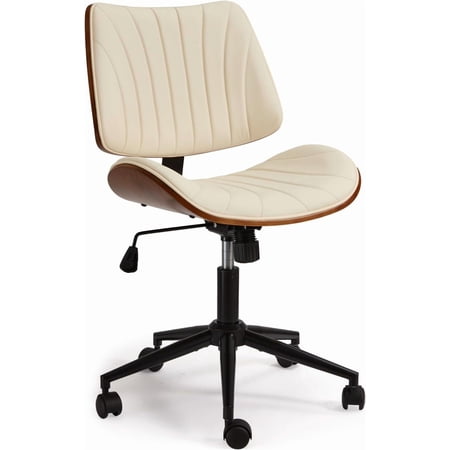
- Contoured seat and backrest: A slight saddle shape or lumbar curve follows your body's natural form.
- Removable cushions: Upholstered seats in leather, fabric, or wool add comfort without hiding the wood.
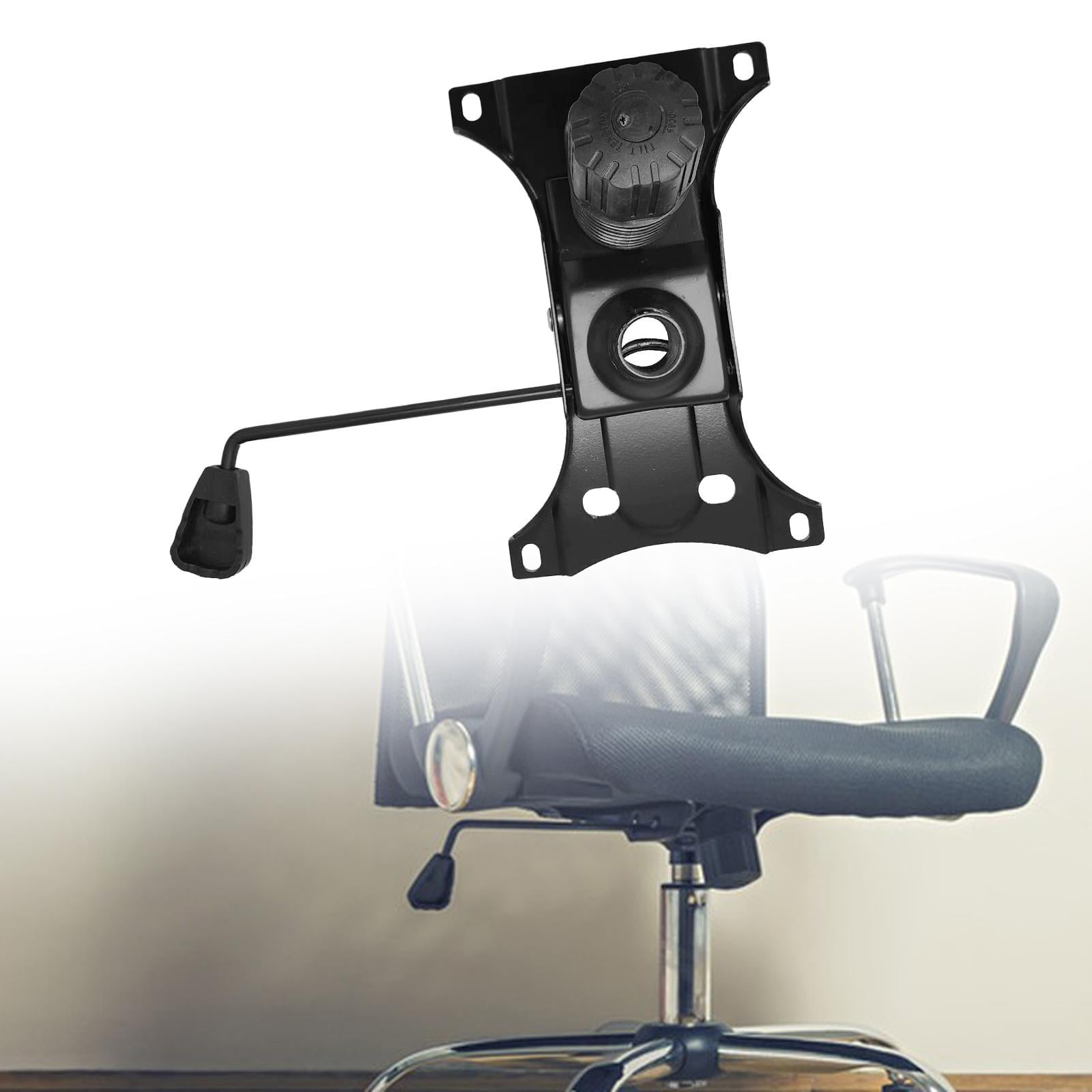
- Slight recline mechanism: Some swivel models include a spring-tilt or rocking feature for dynamic sitting.
- Adjustable height: Gas lift or screw mechanisms hidden in the base allow you to match desk height.
3. Mobility & Floor Protection
Will your chair roll or stay put? Here’s a quick comparison table of base options:
| Base Type | Best For | Floor Consideration |
|---|---|---|
| Fixed legs with glides | Rugs, carpets, or if you prefer minimal movement | Felt glides protect hard floors; replace if worn |
| Swivel + casters (wheels) | Multi-tasking, reaching different areas of your desk | Ensure casters are "hard floor safe" (soft rubber) to avoid scratches |
| Wooden sled base | Stability and a retro look | Use a clear chair mat on hard floors to prevent scuffs |
4. Size & Proportions (The "Small" Factor)
A true small wooden office chair typically has a seat width of 18-20 inches and a depth of 16-18 inches. Before buying, measure:
- Your desk height (to ensure chair fits underneath when not in use).
- The space between desk legs or arms.
- Your own thigh length – the seat shouldn't dig into the back of your knees.
5. Style & Finish
Wooden chairs are chameleons. They can be:
- Scandinavian: Light woods (birch, ash), clean lines, minimalism.
- Mid-Century Modern: Walnut or teak, tapered legs, organic curves.
- Industrial: Mixed materials (wood + black metal frame), exposed hardware.
- Traditional: Dark oak, leather upholstery, ornate spindle backs.
Choose a finish that complements your desk and room. A clear coat protects the wood, while oiled finishes require more maintenance but feel wonderful to the touch.
Frequently Asked Questions About Small Wooden Office Chairs
Final Thoughts: Is a Small Wooden Office Chair Right for You?
A small wooden office chair is more than just a place to sit—it's an investment in your daily environment. It suits the work-from-home professional who values aesthetics, the writer seeking a quiet corner, or the student needing a durable, space-smart seat. By paying attention to wood type, ergonomic features, and floor protection, you can find a chair that serves you well for many years.
Remember to prioritize comfort alongside style. If possible, test the chair's seat contour and consider adding a small lumbar cushion if needed. With the right choice, your wooden chair will become a beloved part of your workspace, gaining character with every project you complete.
🌳 Sustainable Choice
Wood from certified sources is renewable and biodegradable, unlike plastic chairs that end up in landfills.
⚡ Natural Strength
Hardwoods like oak have a higher strength-to-weight ratio than many metals, ensuring longevity.
🎨 Timeless Design
Wood never goes out of style. It adapts to changing decor trends and always looks appropriate.