
The Rise of Slim Ergonomic Office Chairs: Style Meets Space Efficiency
Like a well-tailored suit, a slim ergonomic office chair fits perfectly without unnecessary bulk. As workspaces shrink — with more people setting up offices in apartments, studios, or shared rooms — the demand for chairs that are both supportive and space-conscious has skyrocketed. These chairs are designed for the modern worker who refuses to compromise on ergonomics despite a smaller footprint.
Did you know? According to a 2023 home office survey, 43% of remote workers use a dedicated space that's less than 100 sq. ft. A slim chair can reclaim up to 30% of floor space compared to traditional executive chairs, making rooms feel more open and organized.
Anatomy of a Slim Ergonomic Chair: What Makes It Different?
A slim chair isn't just a regular chair with less padding. Its engineering focuses on intelligent miniaturization. Imagine a smartphone that packs powerful features into a thin body — slim chairs do the same for seating. Here are the core components that define them:
- Narrow Seat Pan (18-20 inches): Standard chairs often span 21-23 inches. Slim models trim this width, allowing you to fit two chairs in the space of one, or simply free up elbow room.
- Streamlined Base & Casters: A compact five-star base with a smaller diameter ensures the chair doesn't protrude too far, making it ideal for desks with limited knee space.
- Thinner Yet High-Density Foam: To maintain comfort without bulk, manufacturers use advanced foam that provides firm support without the "sinking" feeling of thick cushions.
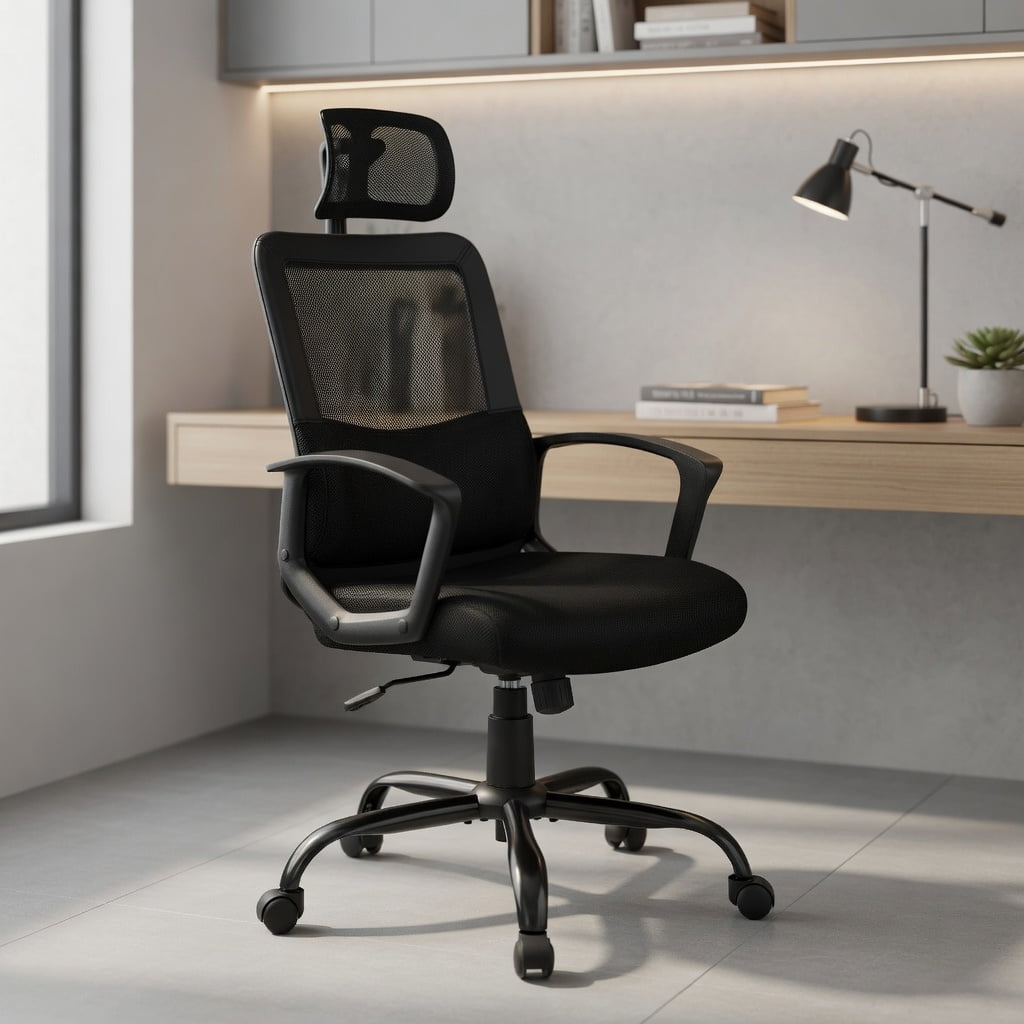
- Minimalist Backrest: Often made of mesh or a thin profile, the backrest provides ergonomic curves without the bulk of layered padding.
Why Choose a Slim Model? 5 Compelling Reasons
Opting for a slim ergonomic chair is a strategic move, not just an aesthetic one. Here's why they're becoming a staple in forward-thinking offices:
- Visual Lightness: A slim chair makes a small room feel larger. Its airy design doesn't dominate the visual field, creating a more open atmosphere.
- Easy Maneuverability: Lighter and more compact, these chairs are easier to slide under desks or move aside for standing breaks — a key feature for active workers.
- Cost-Effective: Using less material often means a more affordable price point without sacrificing ergonomic certifications, making quality seating accessible.
- Ideal for Multi-Purpose Spaces: In a bedroom-office or living-room-office, a slim chair looks less like industrial equipment and more like contemporary furniture.
- Encourages Better Posture: With less room to slouch sideways, the narrow frame naturally centers your body, promoting alignment.
Key Ergonomic Features to Look For in a Compact Design
Just because it's slim doesn't mean it should skimp on support. When shopping, prioritize these adjustable elements to ensure the chair adapts to you:
| Feature | Why It Matters in a Slim Chair | What to Look For |
|---|---|---|
| Adjustable Lumbar Support | Without thick padding, targeted back support becomes crucial to fill the natural curve of your spine. | Height-adjustable or depth-adjustable lumbar pad/blade. |
| Seat Depth Adjustment | A slim seat pan must accommodate different thigh lengths. Too short, and you lose support; too long, it pressures your calves. | Slider mechanism with at least 2 inches of travel. |
| 3D or 4D Armrests | Narrower armrests can still be adjustable. This lets you bring support close to your body without spreading your elbows wide. | Height, width, angle, and depth adjustments. |
| Tilt Mechanism with Tension Control | Helps you move dynamically throughout the day, reducing the stiffness that comes from static sitting. | Synchro-tilt or knee-tilt with adjustable resistance. |
Slim Chairs vs. Standard Chairs: A Quick Reality Check
It's helpful to think of slim chairs as "precision tools" while standard chairs are "generalists." A slim chair excels in defined spaces and for users with petite to medium frames. A standard chair might offer more sprawling room. Use this simple guide:
- If your desk is against a wall and you have file cabinets on either side, a slim chair prevents banging into things.
- If you often sit cross-legged or with one leg tucked under, a standard wide seat might be more comfortable.
- For shared workspaces, slim chairs are easier to rearrange and store.
Material Choices for the Slim Enthusiast
Material plays a dual role in slim chairs: aesthetics and tactile comfort. Here’s how popular options perform in compact models:
Breathable Mesh
Best for: All-day comfort and modern look. Mesh backrests are naturally thin yet supportive. Look for chairs with a mesh back and a cushioned seat.
Fabric Upholstery
Best for: Warmth and color options. Ensure the foam beneath is high-density so the seat doesn't feel too thin.
Leather/Faux Leather
Best for: A sleek, executive feel in a compact form. Needs careful conditioning to prevent cracking as the material is stretched over a thinner frame.
Plastic/Composite Frames
Best for: Lightweight and modern designs. Often used in transparent "ghost" chairs to minimize visual impact even further.
Frequently Asked Questions About Slim Ergonomic Office Chairs
Final Verdict: Is a Slim Ergonomic Chair Right for Your Workspace?
Choosing a slim ergonomic office chair is like choosing a minimalist lifestyle: it's about intentionality. You're prioritizing flow, openness, and smart design without sacrificing the science of sitting well. For the urban professional, the home-office dweller, or anyone who values a clean aesthetic, these chairs offer the perfect balance.
Remember to always check the product specifications for seat width, lumbar adjustability, and your personal comfort needs. A slim chair isn't about squeezing in — it's about fitting perfectly.
Look for mesh-backed slim chairs with flip-up armrests to slide completely under the desk.
Choose lightweight models with pneumatic adjustment for quick changes between users.
Consider chairs with wood accents or transparent elements for a designer touch.