
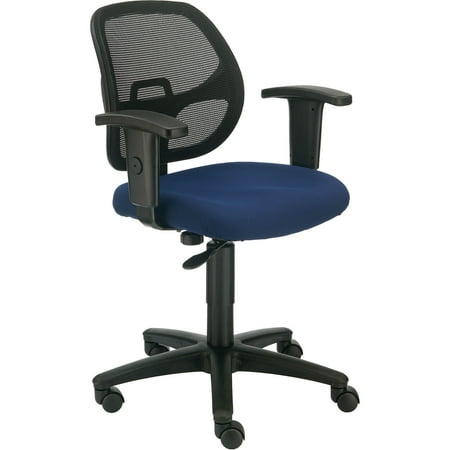
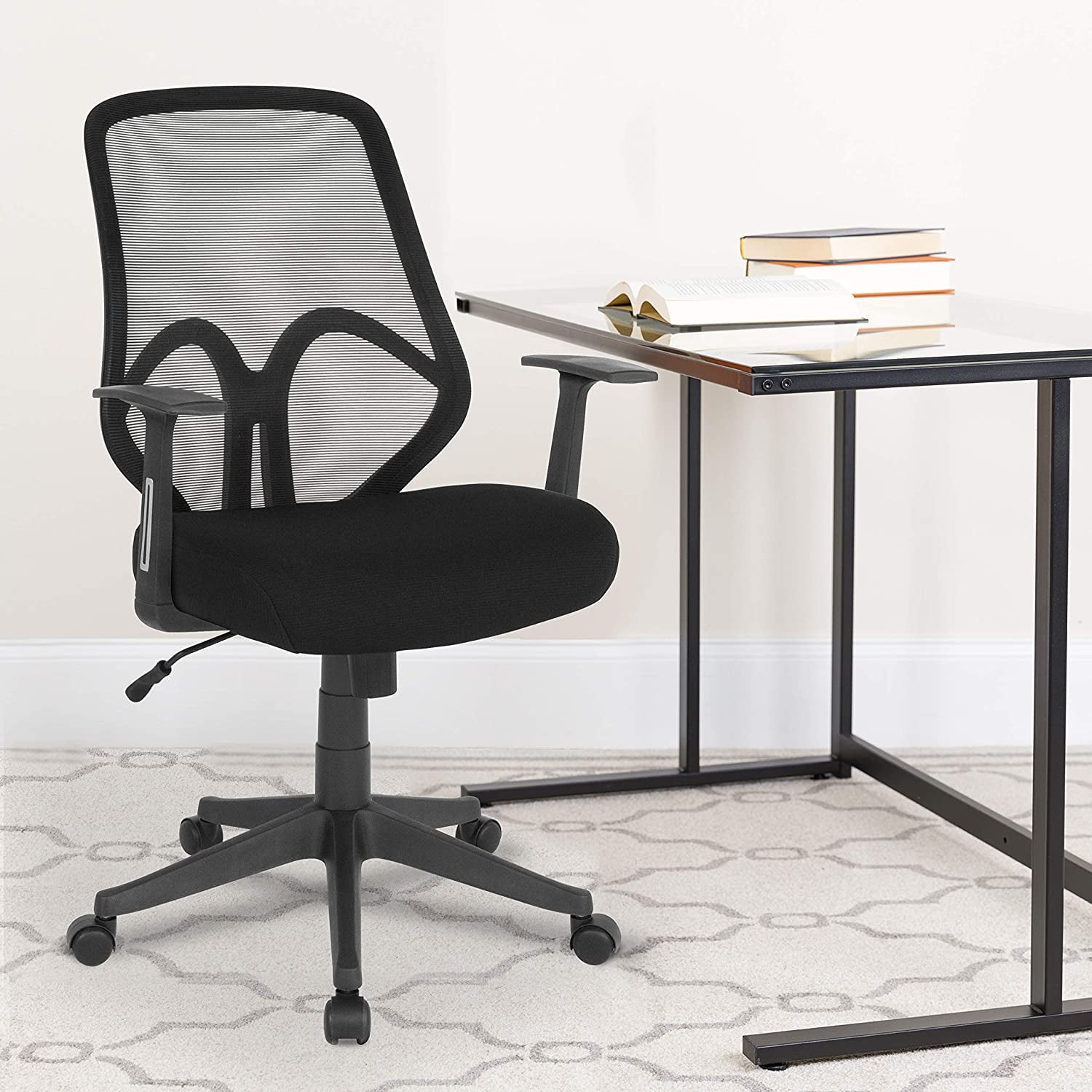
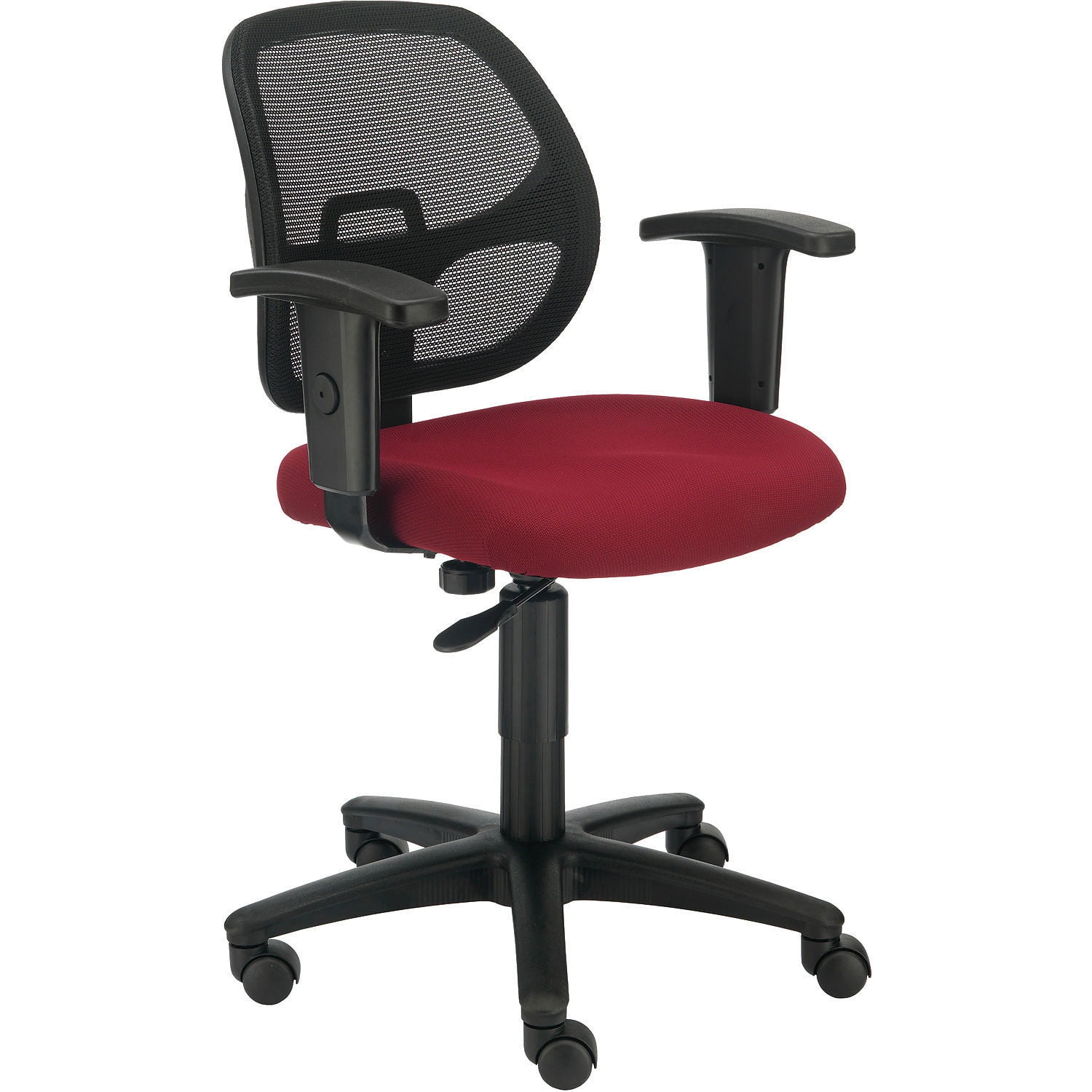
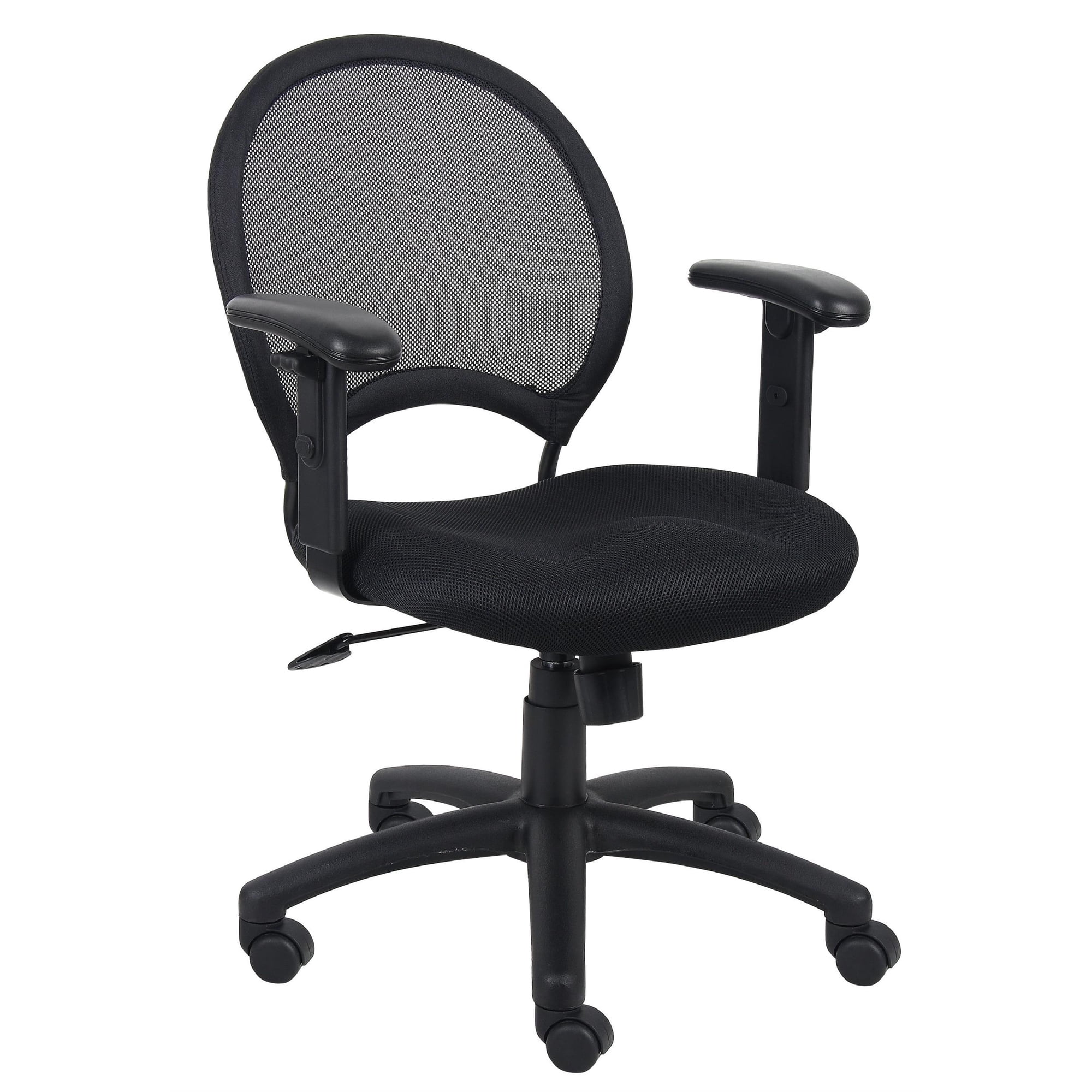
Why a Mesh Back Office Chair With Arms Is a Game-Changer
Imagine sitting at your desk for eight hours without that sticky, sweaty feeling on your back. That's the promise of a mesh back office chair with arms. Unlike leather or thick fabric, mesh is like a breathable performance fabric for your spine—it lets air flow freely, keeping you cool and comfortable even during marathon work sessions.
But comfort isn't its only superpower. A well-designed mesh back conforms to the natural curve of your spine, offering dynamic support that moves with you. And the arms? They're not just resting places; they're ergonomic tools that support your shoulders and arms, reducing strain from keyboard work. Whether you're a remote worker, a gamer, or a manager, this chair type is engineered for long-term well-being and focus.
The Anatomy of a Great Mesh Chair: What to Look For
Not all mesh chairs are created equal. Choosing one is like picking a running shoe—you need the right fit and features for your body and routine. Here’s a breakdown of the critical components.
1. Mesh Quality and Tension
The mesh itself is the heart of the chair. High-quality mesh (often made from nylon or polyester) is tightly woven yet slightly elastic. It should provide firm, even support without sagging. Look for "pique" or "suspension" mesh—terms indicating a durable, supportive weave. Cheap mesh can stretch out over time, losing its supportive properties.
- Breathability: The open weave prevents heat buildup—imagine it as a constant, gentle breeze for your back.
- Durability: Quality mesh resists pilling and maintains tension for years. Check user reviews about longevity.
- Lumbar Integration: Some chairs have built-in lumbar curves; better ones have an adjustable lumbar pad that moves independently behind the mesh.
2. Armrest Adjustability: The 4D Difference
Arms are often an afterthought, but they are crucial. A mesh back office chair with arms should offer more than fixed armrests. Think of armrests as the suspension system for your upper body. The more adjustable they are, the better they can fit your unique posture and desk height.
- Height Adjustment: Allows you to rest elbows at a 90-degree angle, preventing shoulder shrug.
- Width Adjustment: Lets you position arms close to your body for typing or wider for relaxation.
- Depth Adjustment: Ensures the pad supports your forearm, not just your wrist.
- Pivot (Angle) Adjustment: Tilts the pad to match your natural hand position. Aim for at least 2D (height & width); 4D is the gold standard.
3. Seat Construction and Foam Density
While the back is mesh, the seat is usually foam. Don't let a great back be let down by a poor seat. High-density foam is your friend—it resists flattening and maintains its contour. A "waterfall edge" (where the front of the seat curves down) is vital for reducing pressure behind your knees and promoting healthy blood circulation. Some advanced models offer a mesh seat as well, which maximizes breathability but may require a break-in period.
4. Mechanism Types: Synchronous vs. Knee-Tilt
The mechanism controls how you recline. For an executive feel, look for a synchronous mechanism. This allows the backrest and seat to move in a coordinated ratio (e.g., the back reclines 3 degrees for every 1 degree the seat tilts). This keeps you supported and your feet planted, preventing that feeling of tipping over. A knee-tilt mechanism is another good option, pivoting from the front of the chair to gently open your hip angle.
Did you know? A study by the Occupational Safety and Health Administration (OSHA) found that using a chair with proper lumbar support and adjustable armrests can reduce the risk of developing work-related musculoskeletal disorders by up to 60%. Mesh chairs, with their adaptive support, are a top choice for prevention.
Who Benefits Most From This Type of Chair?
A mesh back office chair with arms is incredibly versatile, but it's a particularly smart choice for specific groups:
- Hot Deskers & Warm Climates: If your office runs warm or you're prone to sweating, mesh is your best friend.
- Long-Hour Workers: The combination of breathability and dynamic lumbar support helps fight fatigue.
- People with Back Pain: The flexible support can be gentler than rigid foam, encouraging micro-movements that nourish spinal discs.
- Modern Office Aesthetics: Mesh chairs often have a sleek, minimalist look that fits contemporary and tech-forward spaces.
Mesh vs. Leather vs. Fabric: A Quick Comparison
To help you visualize, here’s how mesh stacks up against other common materials.
| Feature | Mesh Back | Leather | Fabric |
|---|---|---|---|
| Breathability | Excellent | Poor | Moderate |
| Maintenance | Easy (vacuum/wipe) | Easy (wipe) | Can trap stains |
| Comfort (Temp) | Cool year-round | Hot in summer, cold in winter | Neutral |
| Durability | High (quality mesh) | High (with care) | Moderate |
| Professional Look | Modern/Executive | Traditional/Luxury | Casual/Varied |
Frequently Asked Questions About Mesh Back Chairs With Arms
Conclusion: Breathe Easy With the Right Mesh Chair
Choosing a mesh back office chair with arms is an investment in your daily comfort and long-term health. By focusing on mesh quality, armrest adjustability, and a robust mechanism, you can find a chair that feels custom-made for you. Remember, the best chair is the one you forget you're sitting in—because you're focused, comfortable, and free from distraction. Use this guide, explore the top picks above, and take the next step toward a more breathable and productive workday.