

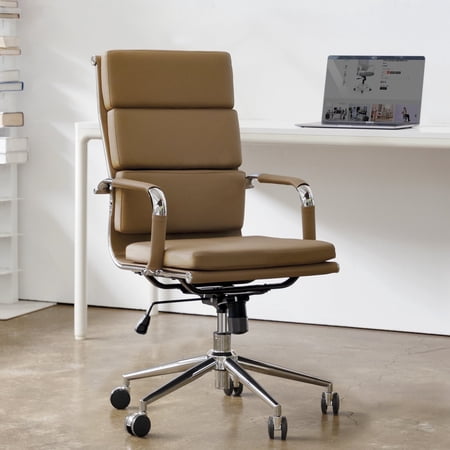
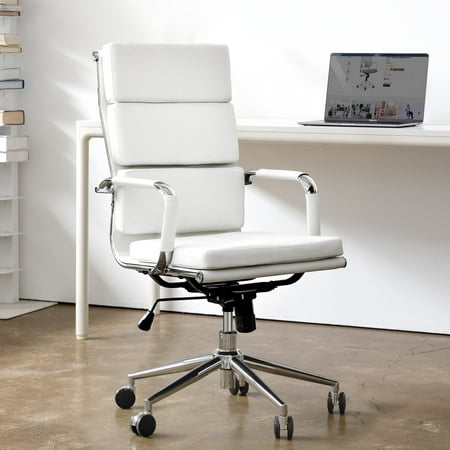
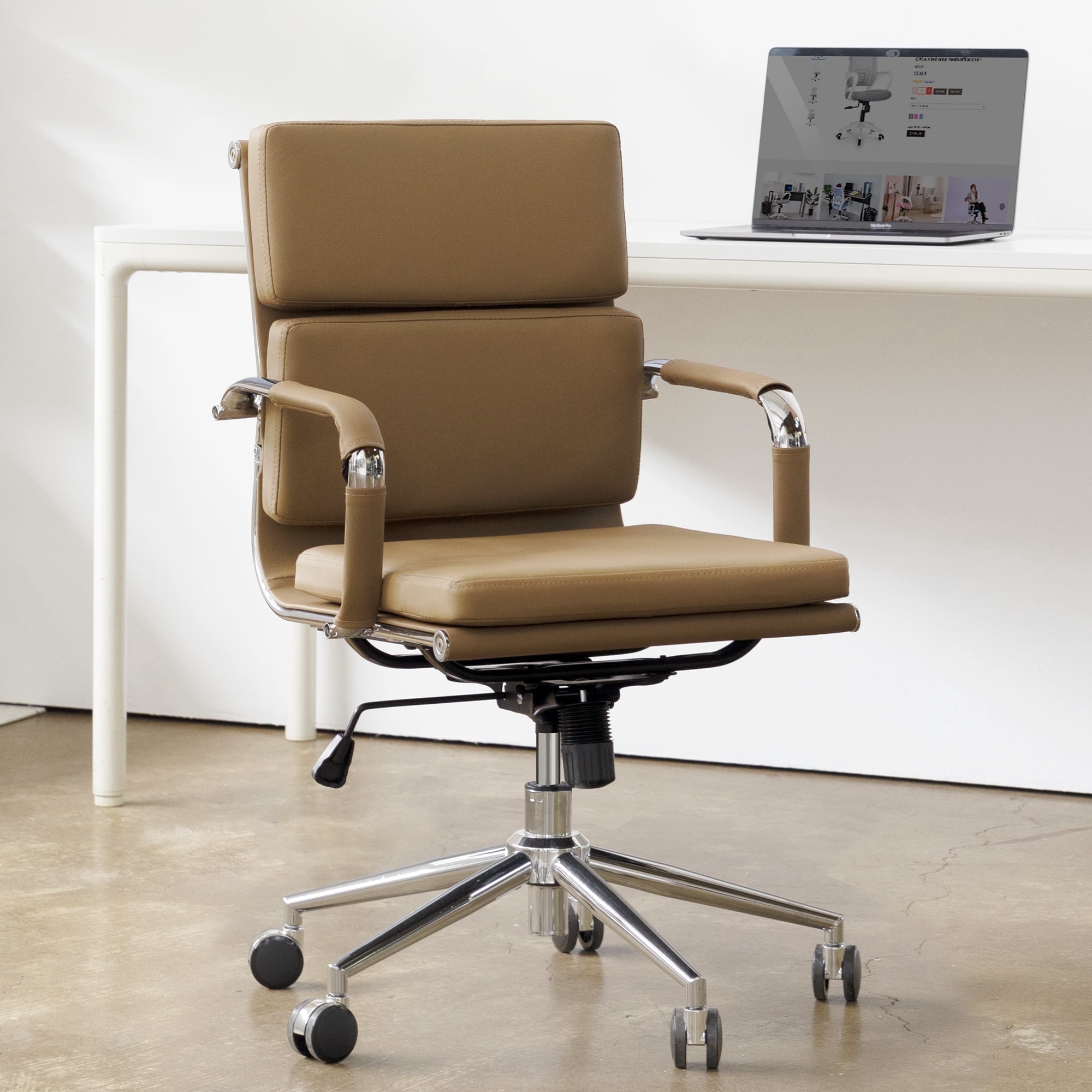
The Quest for the Most Cushioned Office Chair
Imagine settling into your office chair after a long morning, and instead of feeling hard plastic or stiff foam, you sink into a seat that feels like a supportive pillow. That's the promise of the most cushioned office chair. For anyone spending hours at a desk—whether you're a CEO, a designer, or a remote worker—comfort isn't a luxury; it's a productivity tool. A well-cushioned chair can reduce pressure on your hips and tailbone, improve blood flow, and make the workday feel less exhausting. But with so many options, what truly defines "most cushioned," and how do you choose one that stays fluffy for years? Let's dive deep.
Ergonomic Insight: A study in the Journal of Physical Therapy Science found that proper seat cushioning reduces spinal load by up to 35%. For the most cushioned office chairs, the goal is to combine that pressure relief with enough stability to keep your posture aligned.
Anatomy of Ultra-Plush: What Makes a Chair "Most Cushioned"?
It’s not just about a thick slab of foam. The best cushioned chairs use a layered approach. Here’s what to look for:
- High-Density Foam Core: Look for foam density of 2.5 lbs or higher. It resists sagging and maintains its shape. Cheaper foam (1.5-1.8 lb) feels soft initially but flattens within months.
- Memory Foam or Gel Topper: A top layer of temperature-sensitive memory foam or cooling gel conforms to your unique shape, distributing weight evenly and eliminating pressure points.
- Deep Quilting or Channeling: Some manufacturers use deep-button tufting or channel stitching. This not only looks luxurious but also creates air pockets that increase softness and breathability.
- Plush Upholstery Materials: Velvet, chenille, thick top-grain leather (with soft padding underneath), or high-pile fabric adds a tactile softness that enhances the feeling of luxury.
- Spring or Suspension System: Higher-end chairs integrate sinuous springs or elastic webbing beneath the foam, acting like a car suspension for a floating-on-clouds sensation.
Why Extra Cushioning Matters for Your Health and Focus
Think of your chair cushion as a shock absorber for your spine. Every minute you sit, gravity compresses your discs. A superior cushion mitigates this. Beyond the physical, there's a psychological effect: comfort breeds calm. When you're not fidgeting from a sore tailbone, your brain allocates more resources to the task at hand. According to a 2023 survey by the Ergonomics Trends Network, 78% of workers reported higher concentration levels after switching to a deeply cushioned ergonomic chair.
🛋️ Pressure Redistribution
Thick cushioning spreads your weight over a larger area, reducing peak pressure on the ischial tuberosities (sit bones) by up to 50% compared to a standard padded seat.
❄️ Cooling Innovations
The most cushioned chairs now often include phase-change materials or gel-infused foam to wick heat away, so you don't overheat even with extra padding.
🦴 Tailbone Relief
For individuals with coccydynia (tailbone pain), a chair with a deep central channel or extra-soft front edge can be a game-changer, eliminating agonizing pressure.
⏳ Longevity of Comfort
High-resilience foam rebounds instantly. You won't feel a permanent "dent" after you stand up, meaning the chair feels brand new for years.
Types of Cushioning Materials: A Quick Guide
Not all cushioning is created equal. Here’s how the most common materials stack up for the ultimate plush experience:
| Cushion Material | Softness Level | Support Factor | Best For |
|---|---|---|---|
| High-Density Polyurethane | Medium-Firm | Excellent (prevents bottoming out) | All-day sitting, posture support |
| Memory Foam (viscoelastic) | Soft to Medium | Good (molds to shape) | Pressure relief, contouring |
| Gel-Infused Memory Foam | Soft | Good (with cooling) | Hot sleepers/sitters, plush feel |
| Latex Foam | Medium | Very Good (bouncy) | Responsive comfort, eco-friendly |
| Down/Feather Wrap (over foam) | Very Soft | Low (needs foam core) | Luxury executive look, short sitting periods |
The "Cloud Test": How to Evaluate Cushioning In-Store or Online
If you're shopping online, you can't physically sit, but you can look for specific indicators. Use this checklist:
- Check the foam density specs: If the manufacturer lists foam density (e.g., 3.0 lb), that's a premium sign. If not, assume it's basic.
- Read reviews for "sinking" over time: Search for terms like "still fluffy after 6 months" or "bottomed out."
- Look at the seat depth and thickness: A truly cushioned chair often has a seat thickness of 4 to 6 inches (10-15 cm).
- Consider the base: A thick cushion on a flimsy base is useless. Ensure the chair has a sturdy mechanism and base to support the plushness.
- Hybrid designs: Some chairs combine a firm foam core for support with a soft top layer for comfort—the best of both worlds.
Balancing Plushness with Ergonomics: Don't Sacrifice Your Back
There's a common myth that "soft" means "unsupportive." In a well-engineered most cushioned office chair, the softness is on the surface, while the underlying structure provides firm support. Think of it like a high-end mattress: a plush pillow top over pocket springs or high-density foam. The chair should still offer:
- Adjustable lumbar support – often built into the backrest, not the cushion.
- Seat depth adjustment – so the thick cushion doesn't press behind your knees.
- Tilt mechanism – to shift pressure while reclining.
- Sturdy armrests – preferably padded as well.
Pros and Cons of Ultra-Plush Office Chairs
✅ Advantages
- Superior immediate comfort and luxury feel
- Reduces stress on hips and lower back
- Excellent for people with chronic pain conditions (fibromyalgia, arthritis)
- Enhances the aesthetic of a private office or home workspace
- Often comes with premium upholstery options
⚠️ Considerations
- Can retain heat if not designed with breathable materials
- May be too soft for those who prefer a firm, "active" sitting posture
- Higher initial cost for quality foam
- Heavier and bulkier to move
- Potential for deeper wear patterns if foam density is low
Who Needs the Most Cushioned Office Chair?
This level of comfort isn't for everyone, but it's a godsend for specific profiles:
- Executives in long meetings: When you're seated for 6+ hours with few breaks, plushness prevents fatigue.
- Individuals with lower back or tailbone pain: The cushion acts as a buffer between the skeleton and the hard chair frame.
- Designers, writers, programmers: Deep focus work benefits from physical ease.
- Older adults: As natural padding decreases, extra cushioning provides necessary comfort.
- Anyone working from home: Your home is your sanctuary—make your work corner as cozy as possible.
Frequently Asked Questions: Most Cushioned Office Chair
Final Verdict: Is an Ultra-Plush Chair Right for You?
The most cushioned office chair is more than a trend—it's a response to the reality that many of us live at our desks. If you prioritize a soft, enveloping seat that feels like a sanctuary, investing in a high-quality, deeply padded chair can transform your work life. Remember to look beyond the initial softness: verify foam density, check for ergonomic adjustability, and choose breathable, durable upholstery. Your back (and your bottom) will thank you for years to come. Whether you're closing deals or closing code, do it from a cloud.
Recommendation: For the perfect balance, look for a chair with at least 4 inches of high-resilience foam, a memory foam topper, and adjustable lumbar support. Brands that specialize in "big and tall" or "executive" lines often have the most generous padding.