
Small Space, Big Productivity: The Rise of the Space Saving Office Chair
Working from a cozy apartment corner, a compact studio, or a shared living space often means one thing: every square inch counts. A bulky traditional office chair can overwhelm a room, making it feel cramped and cluttered. This is where the space saving office chair becomes your secret weapon. It's not just about being smaller; it's about intelligent design that offers ergonomic support without dominating your floor plan. Think of it as the "furniture equivalent of a studio apartment layout"—maximizing function within a minimal footprint.
Did you know? According to a recent interior design survey, 63% of home office workers cite "lack of space" as a primary challenge. A well-chosen compact chair can free up to 30% more visible floor space compared to a standard executive model, making your room feel larger and more organized.
Key Design Philosophies of Compact Chairs
Space-saving chairs achieve their small footprint through several clever engineering approaches. Understanding these will help you choose the right type for your needs.
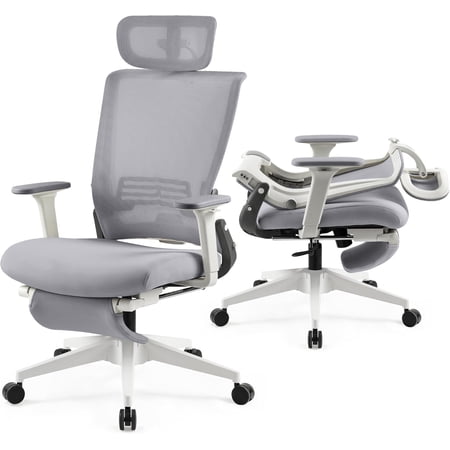
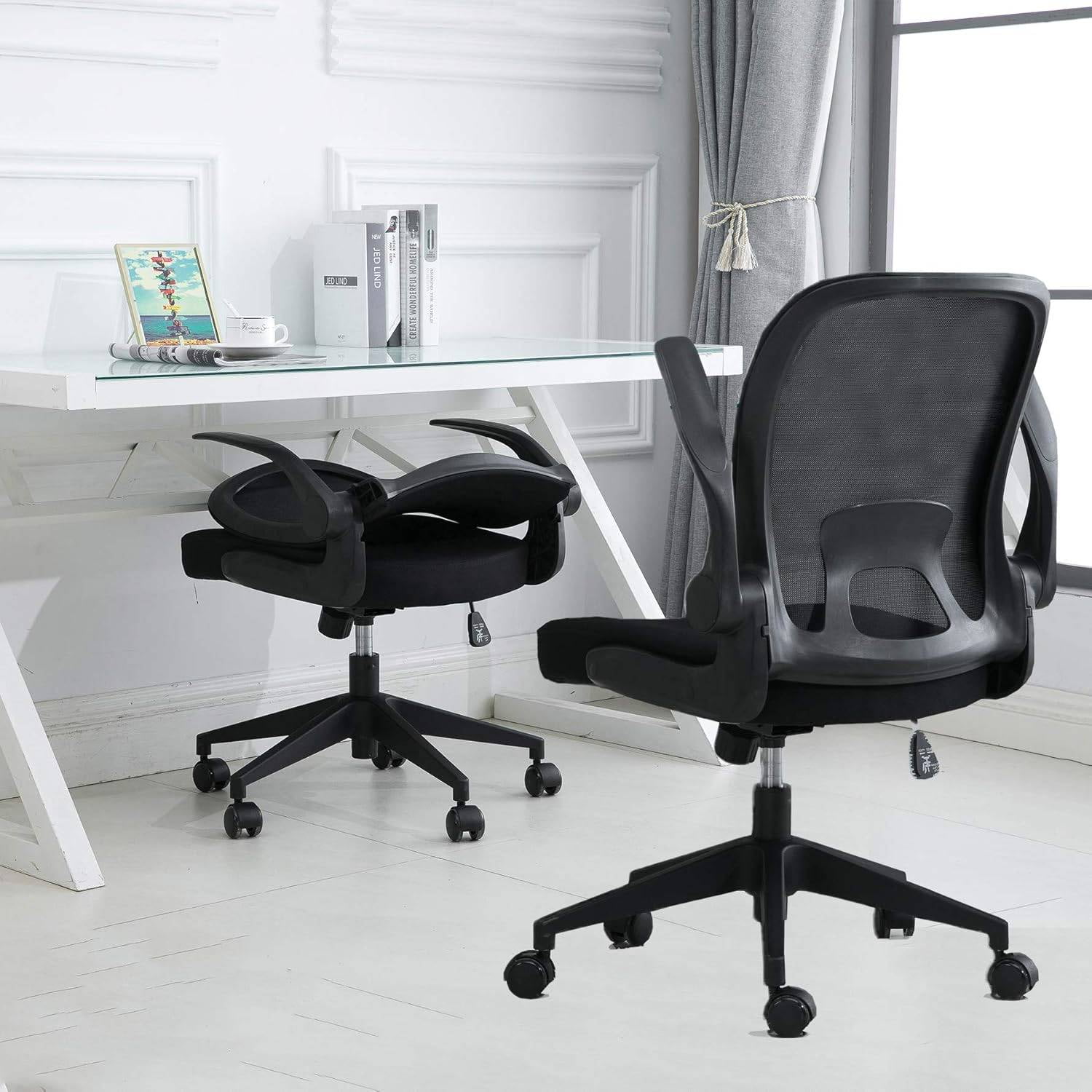
- The "Flip-Up" Armrest: Arms that pivot upwards allow the chair to be pushed completely under a desk, transforming it from a seating area into a clear walking space instantly.
- Foldable Backrest: Similar to a camping chair but with office-grade padding, these chairs fold down for storage in a closet or corner when not in use.
- Stackable Design: Perfect for guest areas or multi-purpose rooms, stackable chairs can be piled vertically to clear the floor entirely.
- Slimline Profile: Chairs with a narrower seat pan and backrest (often 18-20 inches wide instead of 22+) that fit perfectly into tight nooks.
- Backless or Saddle Style: Innovative designs like kneeling chairs or saddle seats that have a tiny footprint and promote active sitting.
Evaluating Your Compact Chair: Pros & Cons
✅ Advantages of Going Compact
- Floor Space Liberation: The most obvious benefit. You reclaim valuable square footage.
- Aesthetic Flexibility: A smaller chair is less visually dominant, blending better with room decor.
- Easier to Move: Lightweight designs are a breeze to shuffle around for cleaning or reconfiguring.
- Multi-Purpose Ready: Ideal for rooms that serve as both an office and a guest bedroom or dining area.
- Often More Affordable: Using fewer materials generally means a lower price point than massive executive chairs.
⚠️ Considerations Before Buying
- Potentially Fewer Adjustments: Some compact models sacrifice advanced lumbar or armrest adjustability.
- Padding Thickness: To keep a slim profile, some chairs use thinner foam, which may compress faster over time.
- Weight Capacity: Heavy-duty, high-capacity versions are rarer in the ultra-compact category.
- Less "Executive" Presence: If you need a throne-like chair for client meetings, a compact chair might look too modest.
5 Essential Features to Look for in a Space Saving Office Chair
When shopping, don't just look at the dimensions. Prioritize these features to ensure you don't sacrifice comfort for space.
1. Pneumatic Height Adjustment
Ensure the chair can lower enough to slide under your desk (aim for a seat height range starting at 17-18 inches). This is non-negotiable for tucking it away.
2. Flip-Up or Removable Arms
This single feature makes the biggest difference. It allows you to push the chair flush against the desk, creating a clean, open look when you're standing.
3. Quality Casters for Hard Floors
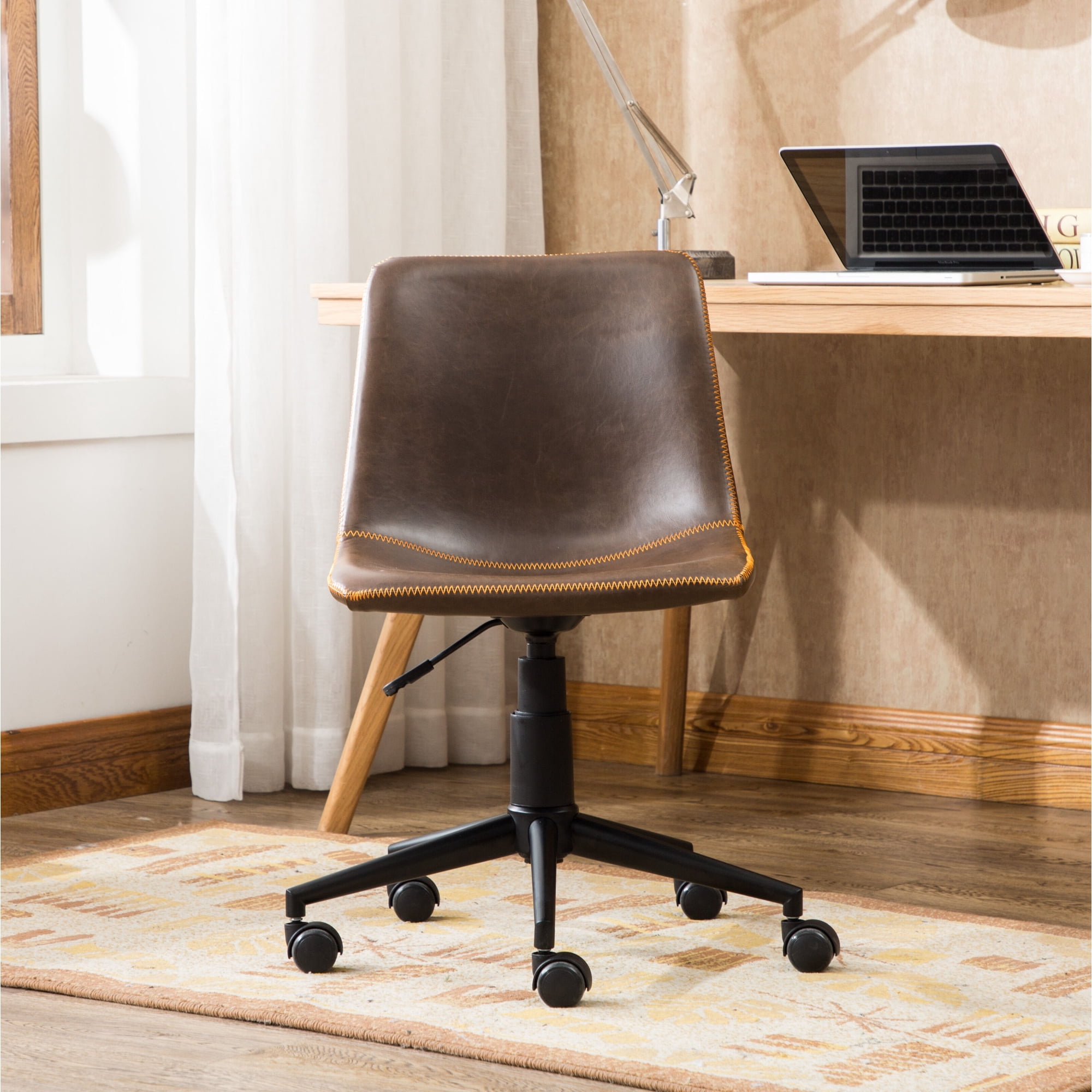
In a small space, you'll likely be moving the chair often. Soft, rubber casters protect your floors and roll smoothly without scratching.
4. Breathable Mesh Back
Mesh is often thinner than padded fabric or leather, contributing to a slimmer profile while keeping you cool during long work sessions.
5. A Sturdy Base
A five-point base is still the gold standard for stability. Even on a compact chair, avoid four-legged bases, which are less safe.
Quick Glance: Space Saver vs. Standard Executive
To help you visualize the difference, here's how a typical space-saving chair stacks up against a traditional executive model.
| Feature | Space Saving Chair | Standard Executive Chair |
|---|---|---|
| Typical Width (Seat) | 18" - 20" | 21" - 24" |
| Armrest Style | Flip-up / Fixed narrow | Wide, padded, fully adjustable |
| Backrest Height | Mid-back or foldable high-back | Usually tall (high-back) |
| Under-Desk Clearance | Excellent with arms flipped | Often limited by bulky arms |
| Primary Goal | Maximize floor space | Maximize prestige & recline comfort |
Material Matters in a Smaller Package
In a compact chair, material choice impacts both aesthetics and durability. Here’s how to decide:
For a truly minimalist aesthetic, a chair with a slim mesh back and a minimal foam seat often provides the best of both worlds: comfort without the bulk.
Frequently Asked Questions About Space Saving Office Chairs
Conclusion: Work Smarter, Not Larger
Choosing a space saving office chair is a smart, intentional decision for the modern worker. It's a testament to the idea that functionality doesn't require bulk. By prioritizing clever features like flip-up arms, a foldable frame, or a truly slim silhouette, you can create a workspace that feels open, organized, and perfectly tailored to your life. Whether you're in a micro-apartment or just want a cleaner look, the right compact chair supports both your body and your living space.
Final Thought
Measure your available space, list your must-have ergonomic features, and don't be afraid to go for a design that might look "small" on paper. In the right setting, it will be a giant leap for your daily comfort and room aesthetics.