
Why Choose an Office Bar Chair? The Rise of Perch Seating
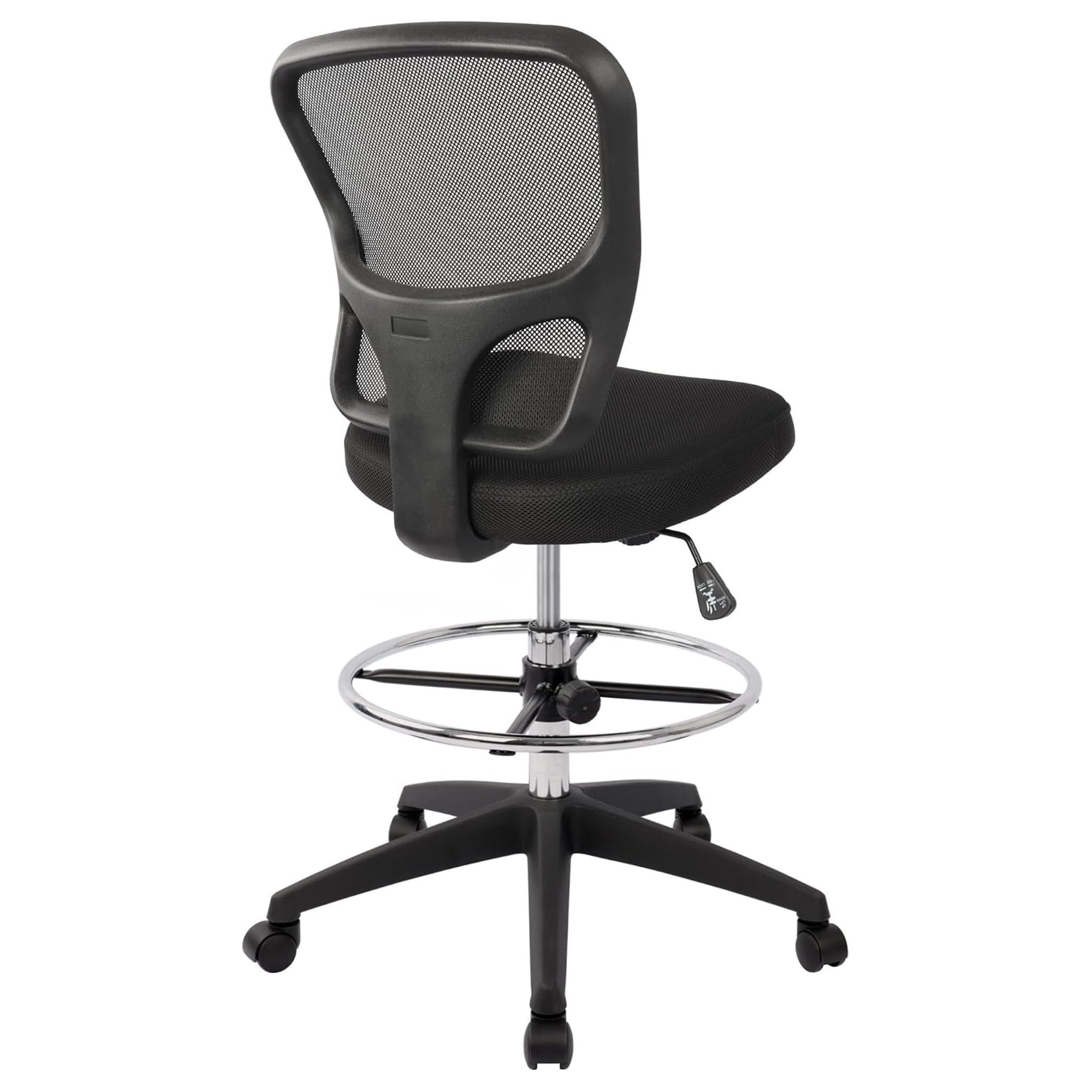
The modern workspace is evolving. Standing desks, high-top meeting tables, and kitchen-counter offices are becoming the norm. An office bar chair (also called a drafting chair or counter-height office chair) bridges the gap between a traditional task chair and a bar stool. It offers the ergonomic support you need while elevating your seating position to match higher surfaces. According to a 2023 workplace trend report, 34% of remote workers have integrated a standing desk, and nearly half of them pair it with a perch seat to reduce fatigue.
Ergonomic Insight: Perch seating (at bar height) opens the hip angle to about 135°, which can reduce lower back pressure by up to 50% compared to traditional 90-degree sitting. This makes office bar chairs a compelling choice for those with active sitting habits or back concerns.
Key Features Distinguishing Office Bar Chairs
- Extended Pneumatic Lift: Height range typically 24"–32" to match 39"–45" desk surfaces.
- Stable Footring: Essential for leg support; many models offer height-adjustable rings.
- Compact Footprint: Often designed with a smaller base to fit snugly under high counters.
- Swivel & Mobility: 360-degree swivel and smooth-rolling casters for dynamic movement.
- Ergonomic Backrest: Contoured support, sometimes with lumbar adjustment, for prolonged comfort.
- Industrial or Modern Aesthetics: Materials like metal frames, mesh, faux leather, or recycled plastics.
Office Bar Chair vs. Drafting Chair vs. Bar Stool: Clearing the Confusion
While often used interchangeably, there are nuances: Drafting chairs typically have a footring and are designed for drafting tables; office bar chairs lean towards a more professional, desk-friendly look with added ergonomics; bar stools usually lack back support, casters, or pneumatic adjustment. For a productive work environment, a true office bar chair is the superior choice.
Material and Build: What Works Best for Bar-Height Seating?
Given the elevated center of gravity, stability and material quality are paramount. Here's a comparison of common materials used in office bar chairs:
| Material | Stability | Comfort | Maintenance | Best For |
|---|---|---|---|---|
| Mesh Back + Fabric Seat | High (steel frame) | Breathable, medium padding | Easy vacuuming | All-day comfort, warmer climates |
| Faux Leather/Upholstered | Very High | Plush, soft | Wipe clean | Executive look, home offices |
| Full Metal/Industrial | Extreme (heavy base) | Minimal (often with cushion) | Dusting | Workshops, industrial lofts |
| Wood & Fabric combo | Good | Warm, natural feel | Moderate | Scandinavian/modern aesthetics |
Selecting the Perfect Office Bar Chair: A Step-by-Step Guide
Step 1: Measure Your Desk Height
Use a tape measure from floor to desk surface. Standard standing desks range from 40"–45". Your ideal seat height should be 8"–12" lower than the desktop. For example, a 42" desk pairs with a chair seat height of 30"–34".
Step 2: Determine Footring Necessity
If your feet don't comfortably touch the floor at seated height, a footring is non-negotiable. Adjustable rings allow you to customize the resting height for your legs, reducing circulatory strain.
Step 3: Evaluate Your Sitting Duration
For intermittent use (under 2 hours), a basic padded bar chair with backrest may suffice. For longer sessions (4+ hours), invest in lumbar support, adjustable tilt tension, and contoured seat foam.
Step 4: Check Base and Caster Type
A wider five-star base ensures tip resistance at higher positions. Choose casters suited for your floor: soft rubber for hardwood, hard wheels for carpet. Some bar chairs offer locking casters for stability when perching.
Step 5: Test Adjustment Range
Ensure the pneumatic cylinder offers enough range to accommodate other users or different desk heights. Look for at least 5–6 inches of travel.
Health Benefits of Perch Sitting in Bar-Height Chairs
Switching between sitting and standing is proven to boost energy. Office bar chairs facilitate "active sitting":
- Improved Posture: The higher seat encourages a more open hip angle, aligning the spine naturally.
- Reduced Sedentary Pressure: Perching distributes weight between seat and feet, lowering spinal disc pressure.
- Core Engagement: Without a full backrest (in some models), core muscles gently engage to maintain stability.
- Circulation Boost: The ability to rest feet on a ring or floor alternately promotes blood flow.
Industry Data: Why Bar-Height Seating is Trending
According to the Ergonomics in the Workplace 2024 survey, 27% of employees now use adjustable standing desks, and among them, 63% use some form of perching stool. The same study noted a 22% decrease in reported lower back fatigue when alternating between standing and using a bar-height chair with lumbar support. The office bar chair is no longer a niche product—it's becoming a staple in agile workspaces.
Setting Up Your Bar-Height Workspace Ergonomically
Once you've chosen your chair, proper setup is key:
- Adjust seat height so your elbows form a 90° to 100° angle when typing.
- Set footring so your thighs are parallel to the floor, with feet flat on the ring or the floor (if possible).
- Position backrest to support the natural curve of your lower back.
- Ensure you can easily reach all desk items without straining.
- Take micro-breaks: shift from perching to standing every 30–45 minutes.
With the right office bar chair, you transform your elevated workspace into an ergonomic haven that promotes movement, focus, and long-term wellness.