
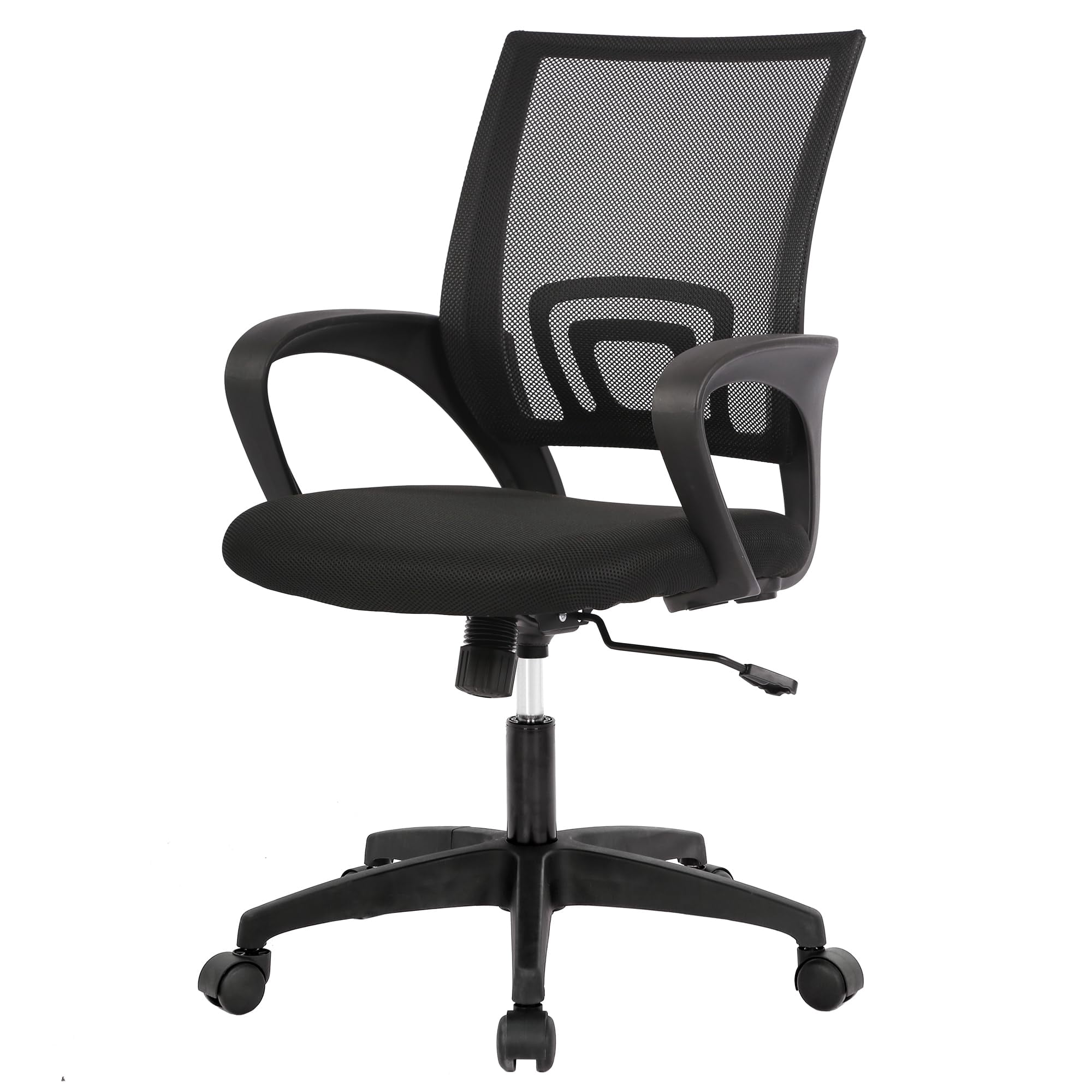
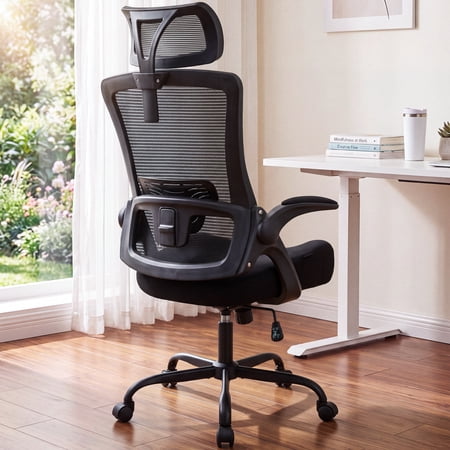
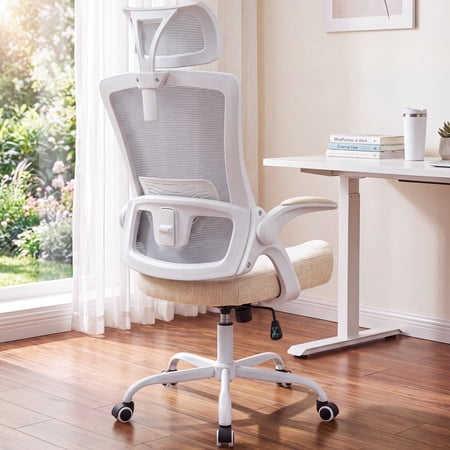
Why Adjustable Lumbar is the Spine of an Ergonomic Office Chair
Imagine wearing a pair of shoes that are half a size too big all day. You’d compensate by curling your toes, leading to aches. That’s exactly what happens when you sit in a chair with fixed lumbar support—it either hits you in the wrong spot or not at all. An office chair with adjustable lumbar acts like a custom-tailored suit for your spine, cradling the natural inward curve of your lower back.
Fact: The human lumbar spine curves inward (lordosis). When a chair ignores this curve, you slump. A 2023 ergonomics report found that 78% of office workers using non-adjustable chairs experienced lower back stiffness, compared to only 22% using chairs with adjustable lumbar.
Your Back Doesn’t Lie: The Science of Lumbar Support
Your lower back bears the brunt of sitting. Without proper support, the discs between vertebrae are compressed unevenly. Adjustable lumbar support acts like a bridge, redistributing pressure and keeping your pelvis in a neutral position. Think of it as the suspension system of a car—it absorbs shock and keeps you aligned.
5 Hidden Benefits of Adjustable Lumbar You Never Knew About
Most people think lumbar support just prevents back pain. But its superpowers go deeper:
- Boosts oxygen flow: Proper posture opens the diaphragm, increasing oxygen intake by up to 30% (Journal of Ergonomics). You’ll feel more alert.
- Reduces "tech neck": When your lower back is supported, your shoulders naturally roll back, preventing forward head posture.
- Improves digestion: Slouching compresses abdominal organs. An aligned spine gives your digestive system room to work.
- Quiets subconscious fidgeting: When your back is comfy, you stop squirming. That means better focus.
- Extends chair lifespan: Adjustable mechanisms encourage better weight distribution, reducing wear on foam and gas cylinders.
Types of Adjustable Lumbar Mechanisms: 2D, 3D, 4D Explained
Not all "adjustable lumbar" is created equal. Here’s a simple breakdown:
| Type | Adjustments | Best for |
|---|---|---|
| 2D Lumbar | Height + Depth (in/out) | Most users; core support |
| 3D Lumbar | Height + Depth + Angle/tilt | People with specific curvature needs |
| 4D Lumbar | Height + Depth + Angle + Lateral (side wings) | Users with scoliosis or needing extra lateral stability |
For most people, 2D or 3D lumbar offers plenty of customization. Don’t chase 4D unless you have specific spinal asymmetry.
Adjustable Lumbar vs. Built-in Lumbar: The $1000 Difference
Many budget chairs have a "lumbar hump" that’s fixed. It might hit a 5'2" person in the middle of their back, but a 6'2" person feels nothing. Adjustable lumbar solves this by letting you move the support up/down (height) and in/out (depth). According to a 2024 consumer survey, chairs with adjustable lumbar had a 94% satisfaction rate for comfort, versus 51% for fixed lumbar chairs.
Step-by-Step: How to Dial in Your Lumbar Support Like a Pro
Step 1: The "Belt Line" Rule
Sit upright. Adjust the lumbar height so the thickest part of the support is roughly at your belt line—the small of your back. Most people need it between 6-10 inches from the seat.
Step 2: The "Fist Test" for Depth
Adjust the depth so you feel a gentle push, not a jab. A good test: you should be able to slide your flat hand between the lumbar support and your back with slight friction. If it’s tight, you’ve gone too far.
Step 3: The Rock-Back Check
Lean forward and then slowly lean back. The lumbar should "catch" you before you feel your back curve outward. It should support you in a neutral position.
Step 4: Fine-Tune with Armrests
After setting lumbar, adjust armrests so shoulders are relaxed. Sometimes lumbar feels off simply because armrests are too high, forcing you to lean.
Materials Matter: Mesh vs. Foam for Lumbar Support
The best lumbar adjustability can be ruined by poor material choice:
- Mesh backs: Ideal for adjustable lumbar because they conform and breathe. The tension can be altered by the frame. Perfect for warm climates.
- Foam/leather backs: Often have a separate lumbar pad that moves. They feel plusher but can retain heat. Great for cold offices or if you prefer a "hug" feel.
Pro tip: If you choose a chair with a separate lumbar pad (like many executive chairs), ensure the pad doesn’t slip down over time.
Do You Really Need Adjustable Lumbar? (Quick Self-Assessment)
Answer these questions:
- • Do you often roll up a small towel or buy a separate lumbar cushion for your current chair?
- • Does your lower back ache after 2 hours of sitting?
- • Do you share your chair with someone of a different height?
- • Have you ever felt that a chair’s lumbar "hits you in the wrong spot"?
If you answered YES to any, an adjustable lumbar chair is a must-have, not a maybe.
Frequently Asked Questions About Adjustable Lumbar Chairs
Conclusion: Invest in the Chair That Invests in Your Back
Your office chair is the most used piece of furniture in your work life. Skimping on adjustable lumbar is like buying a car without adjustable seats—it might work, but you’ll be uncomfortable every mile. Whether you’re a remote worker, a CEO, or a hybrid employee, an office chair with adjustable lumbar pays dividends in comfort, focus, and long-term health. Use this guide, test the adjustments, and choose a chair that treats your spine like the unique masterpiece it is.