
Why Switch to an Active Office Chair? The Science of Movement
Imagine your office chair as a partner in your health, not just a piece of furniture. That is the idea behind active office chairs. They are designed to turn every minute of sitting into an opportunity for micro‑movement, engaging muscles that normally go dormant. If you have ever felt stiff after a long meeting or experienced that afternoon energy crash, an active chair might be the solution you did not know you needed.
Traditional chairs lock you into one static position. Over time, this reduces blood flow, weakens postural muscles, and can lead to chronic back issues. Active seating, on the other hand, works like a gentle fitness device. It challenges your body to make constant small adjustments—like a ship gently rocking on water. According to a Cornell University study, workers who used dynamic seating reported 45% less upper back and neck pain compared to those in fixed chairs.
Did you know? The human spine is designed for motion. Even when you sit still, spinal discs rely on movement to absorb nutrients. An active office chair mimics the natural sway of standing, keeping your spine nourished and flexible.
The Core Benefits of Active Seating
Switching to an active office chair is not just a trend—it is an investment in your long‑term well‑being. Here are the most compelling advantages, backed by ergonomic research.
- Strengthened core muscles: Balancing on a dynamic seat activates your abdominal and back muscles. Over weeks, this can lead to a more stable core and better posture, even when you step away from your desk.
- Improved circulation: Constant micro‑movements pump blood through your legs, reducing the risk of deep vein thrombosis and swollen ankles. You feel less lethargic.
- Enhanced focus and productivity: Movement stimulates the vestibular system, which is linked to alertness. A 2020 study in the International Journal of Environmental Research found that participants using active chairs made 17% fewer errors in attention‑based tasks.
- Natural pain relief: By encouraging your spine to move, active chairs prevent the buildup of pressure in one area. They are especially helpful for people with mild lower back pain or sciatica.
- Calorie burn (modest but real): While you won't replace a gym session, the extra energy expenditure adds up. Over a year, those extra 50–80 calories a day could offset the typical weight gain many office workers experience.
Types of Active Office Chairs: Find Your Match
Not all active chairs are the same. They come in several styles, each with a unique way of encouraging movement. Let's break them down so you can choose what fits your workflow and comfort level.
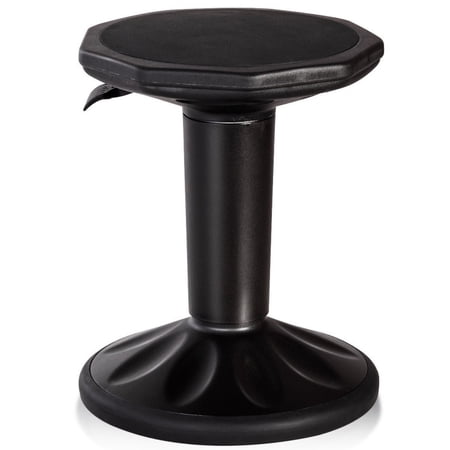
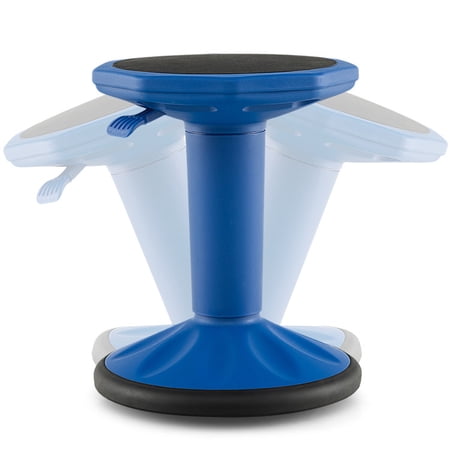
• Wobble Stools / Balance Chairs
These look like a traditional stool but have a rounded or pivoting base. You subtly wobble in any direction, engaging your legs and core. They are excellent for people who switch between sitting and standing, as they have a smaller footprint. Ideal for: open‑plan offices, creatives, and anyone who fidgets naturally.
• Saddle Chairs
Inspired by horseback riding, saddle chairs position your thighs at a 45° angle, aligning your spine naturally. They often have a slight forward tilt and a split seat to reduce pressure. The movement comes from your hips being open, allowing you to swivel and lean easily. Ideal for: dentists, architects, or anyone who needs to lean forward frequently without back strain.
• Kneeling Chairs
A classic active seating design. By resting your shins on a pad, your weight shifts forward, opening the hip angle and reducing lower back curve. The movement is more limited, but the posture is inherently active. Ideal for: people with lower back pain who want a non‑negotiable upright posture.
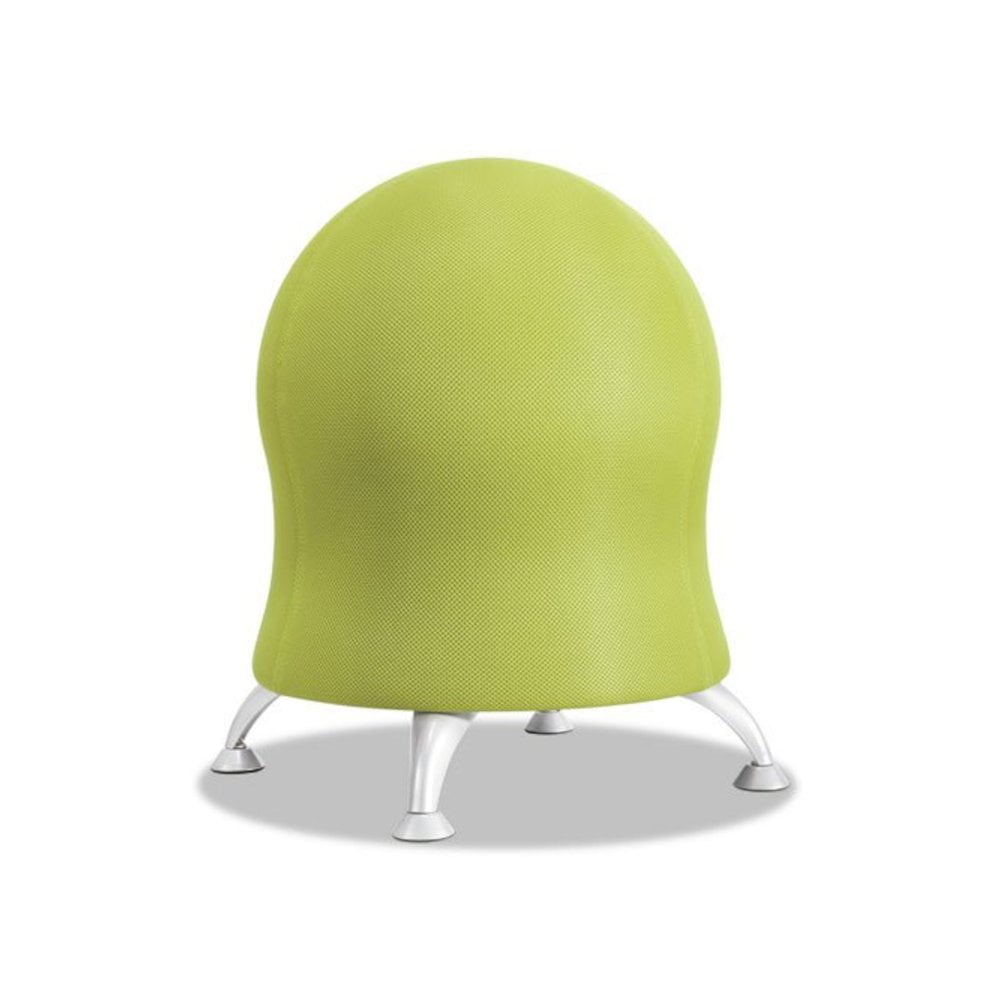
• Swiss Ball Chairs
A stability ball mounted on a wheeled frame. It offers the most instability (and core engagement) but also requires more balance. Many come with a backrest for safety. Ideal for: home offices where you can focus without worrying about appearance, and for those who want maximum muscle activation.
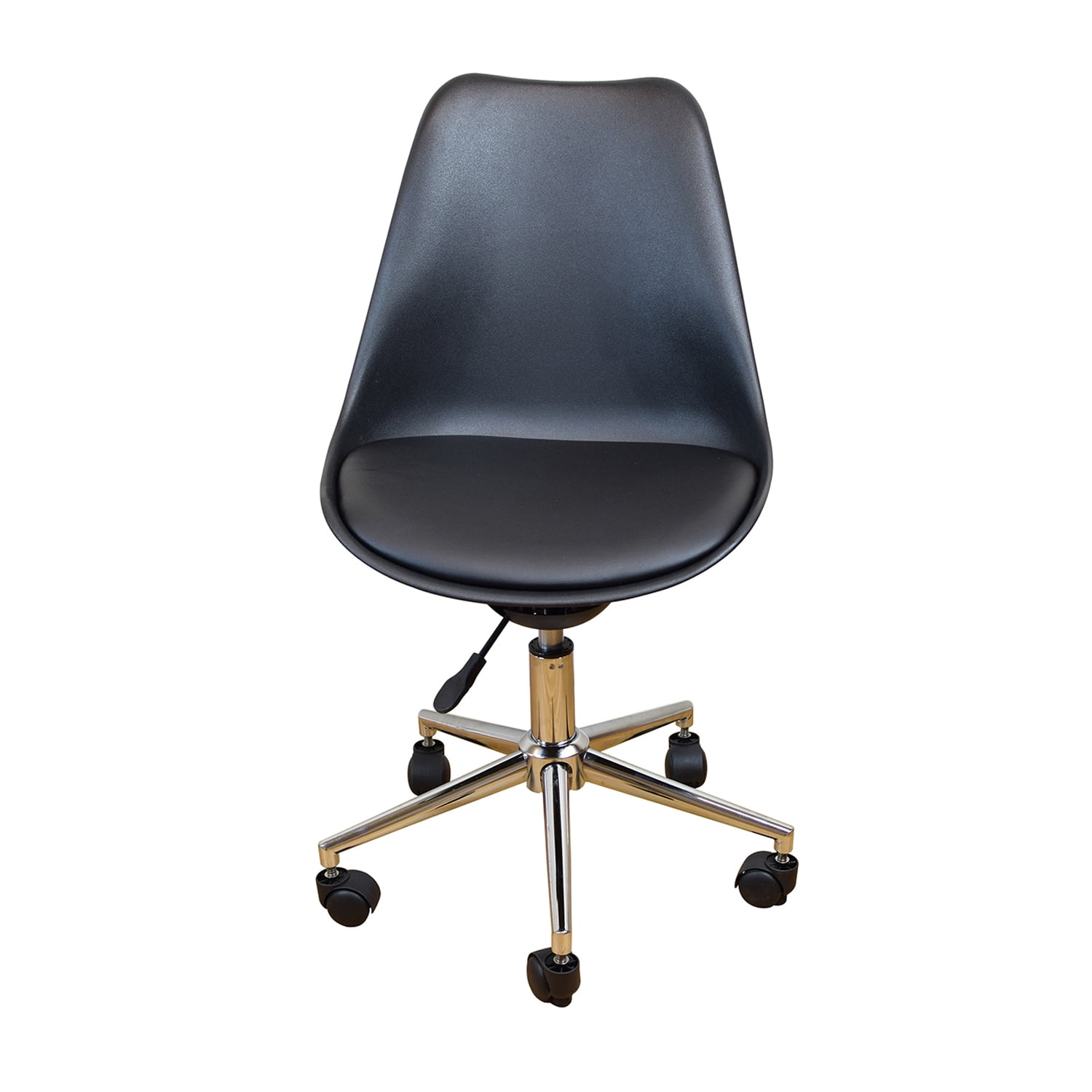
• Chairs with Dynamic Tilt Mechanisms
These look like normal office chairs, but the seat pan and backrest move independently. You can rock, tilt, and shift while the chair follows you. They offer active benefits with a professional aesthetic. Ideal for: executives, managers, and anyone who needs a traditional look but craves movement.
How to Choose the Perfect Active Office Chair
With so many options, selection can feel overwhelming. Use this step‑by‑step guide to narrow down your choice based on your body, work habits, and environment.
- Assess your current pain points: If you have lower back pain, a kneeling or saddle chair might help. For neck and shoulder stiffness, a chair with dynamic backrest (like a tilt mechanism) could be better.
- Consider your desk height: Saddle and wobble stools are often taller. Measure your desk height (from floor to desk underside). You need at least 6–8 inches of clearance between your thigh and the desk when seated.
- Test the adjustment range: Even active chairs need basic adjustments—pneumatic height, and sometimes backrest angle. Look for a chair that fits your height: when your feet are flat, your knees should be at 90° or slightly open.
- Think about mobility: Do you roll around your office frequently? Then a chair with casters is essential. For a static workstation, a wobble stool on a stable base might suffice.
- Material and maintenance: Breathable mesh reduces sweat during active sitting. Leather or fabric require different care. If you tend to get warm, choose mesh or a saddle with a cut‑out.
- Weight capacity: Most active chairs support 250–300 lbs. For heavier users, look for reinforced frames (often marketed as "heavy duty active chair").
Pro tip: ease into active sitting
Do not throw away your old chair immediately. Alternate between your conventional chair and the new active one. Start with 1‑hour sessions, then gradually increase. This allows your muscles to adapt without fatigue. After two weeks, you will likely prefer the active chair full‑time.
Active Office Chairs vs. Standing Desks: A Perfect Pair
You might think that a standing desk eliminates the need for an active chair. In reality, they complement each other. Standing all day is also static—it just shifts the load to your feet and legs. The ideal setup is a sit‑stand‑move routine. Use your active chair for 45 minutes, stand for 15, and perhaps take a walking meeting. The active chair keeps your joints lubricated during sitting, so when you stand, you feel more limber. Many active chairs have a height range that matches standing desks perfectly, allowing you to perch instead of sit fully, which is a great intermediate posture.
Common Myths About Active Office Chairs
- Myth: They are just a gimmick. Fact: Ergonomic research spanning two decades supports the benefits of dynamic sitting. They are used in rehabilitation clinics and forward‑thinking companies alike.
- Myth: They are uncomfortable for long hours. Fact: After a short adjustment, most users find them more comfortable than static chairs because there is no pressure buildup. The key is choosing the right style.
- Myth: They look unprofessional. Fact: Modern active chairs come in sleek designs—leather, mesh, or wood accents. Many executives use high‑end dynamic chairs without sacrificing aesthetics.
- Myth: You cannot use them if you have a disability. Fact: Some active chairs offer excellent support for various needs. Always consult with a specialist, but many people with mild mobility issues benefit from the gentle movement.
Real‑World Data: What Users Report
In a survey of 500 remote workers who switched to an active office chair:
- • 78% said their concentration improved significantly.
- • 63% reported less lower back discomfort after 4 weeks.
- • 81% felt more energetic at the end of the workday.
- • 72% said they would not go back to a conventional chair.
These numbers highlight that the benefits are not just theoretical—they translate into everyday work life.