
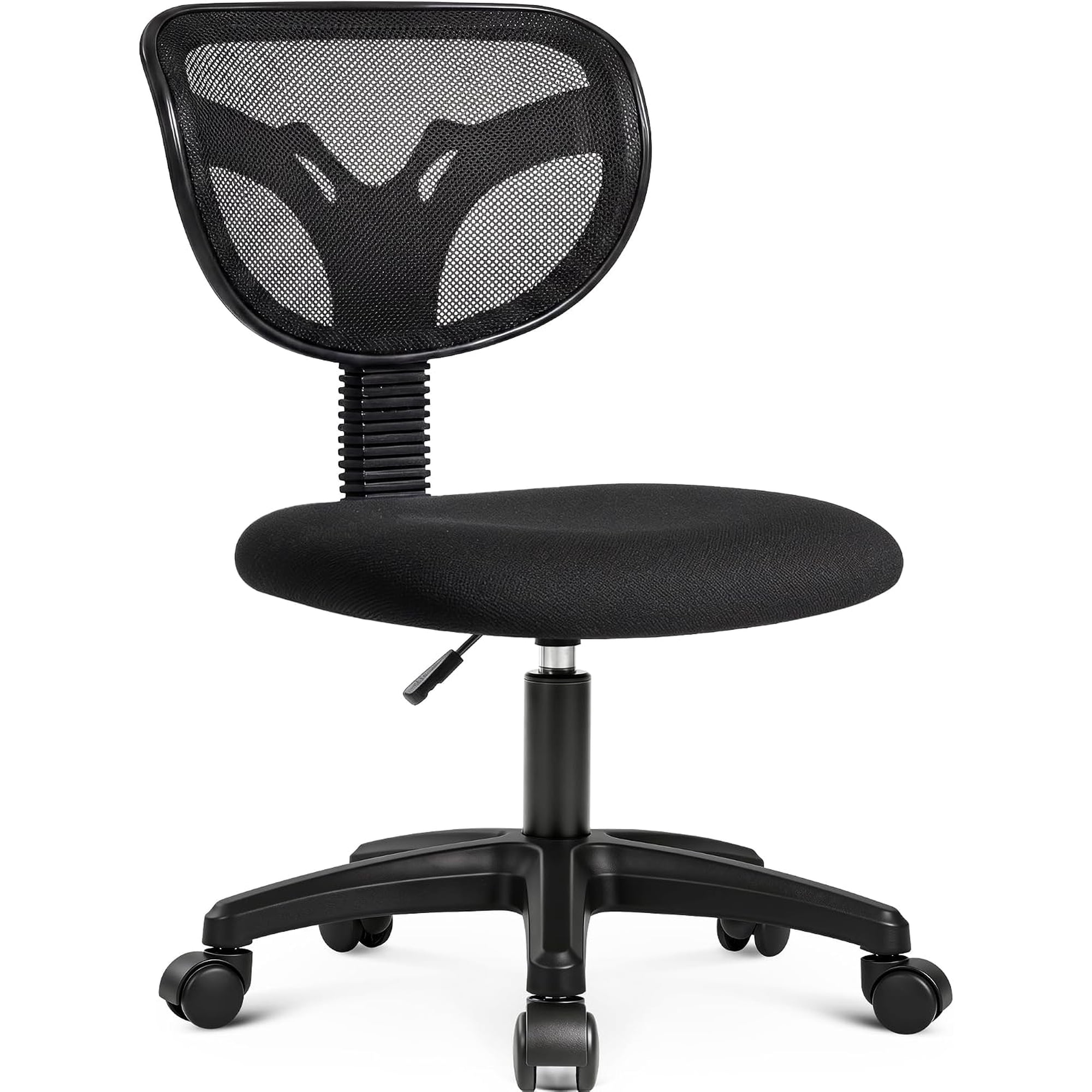
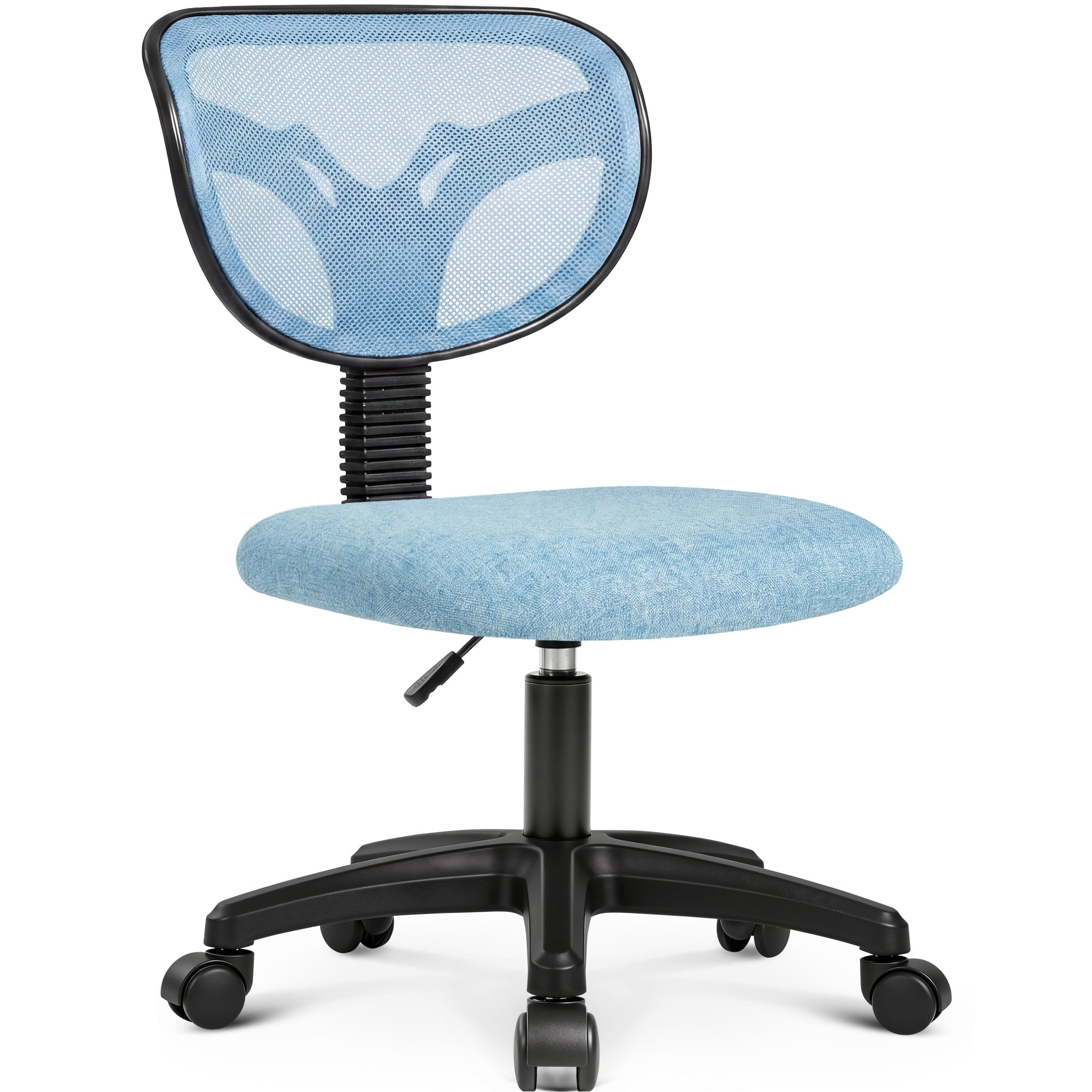
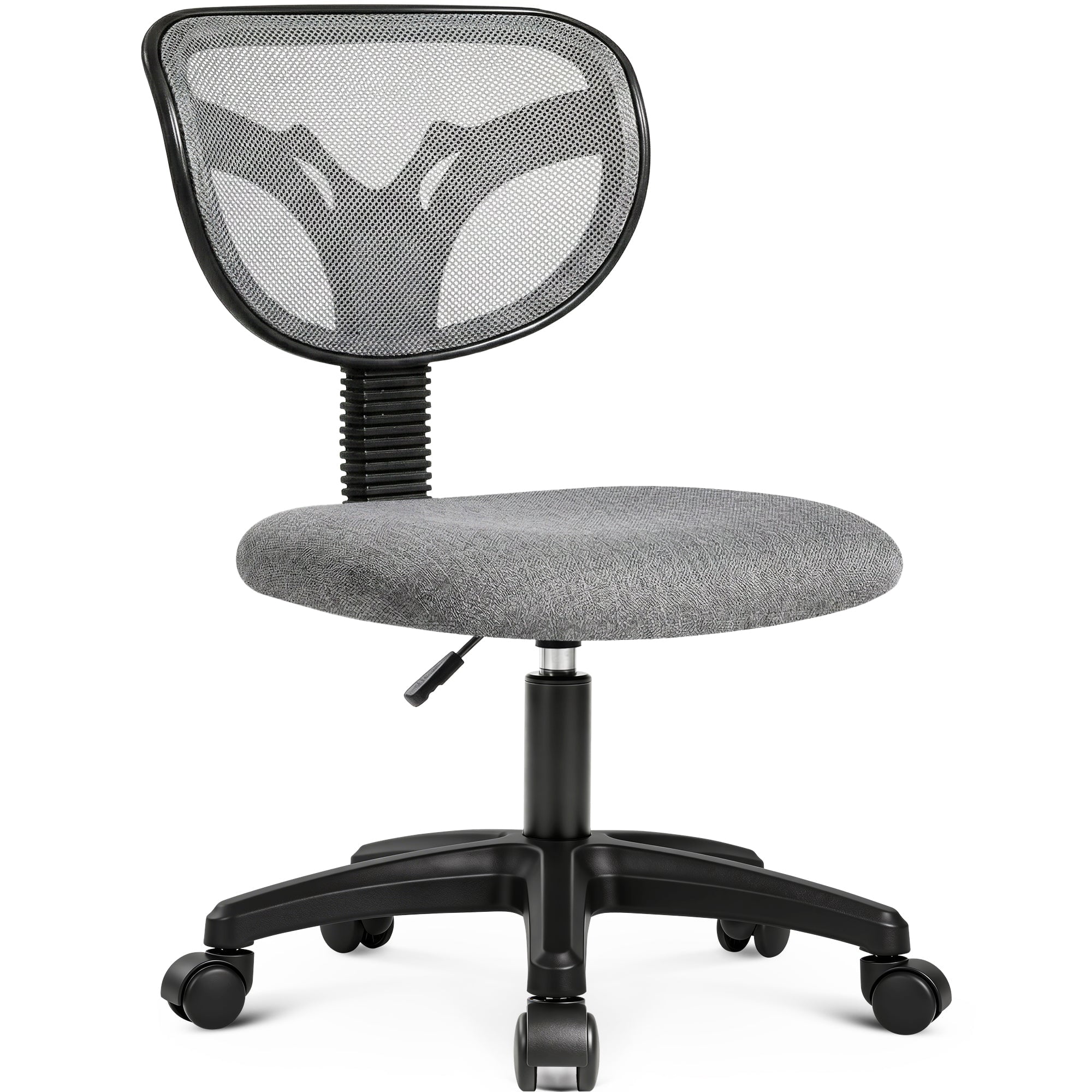
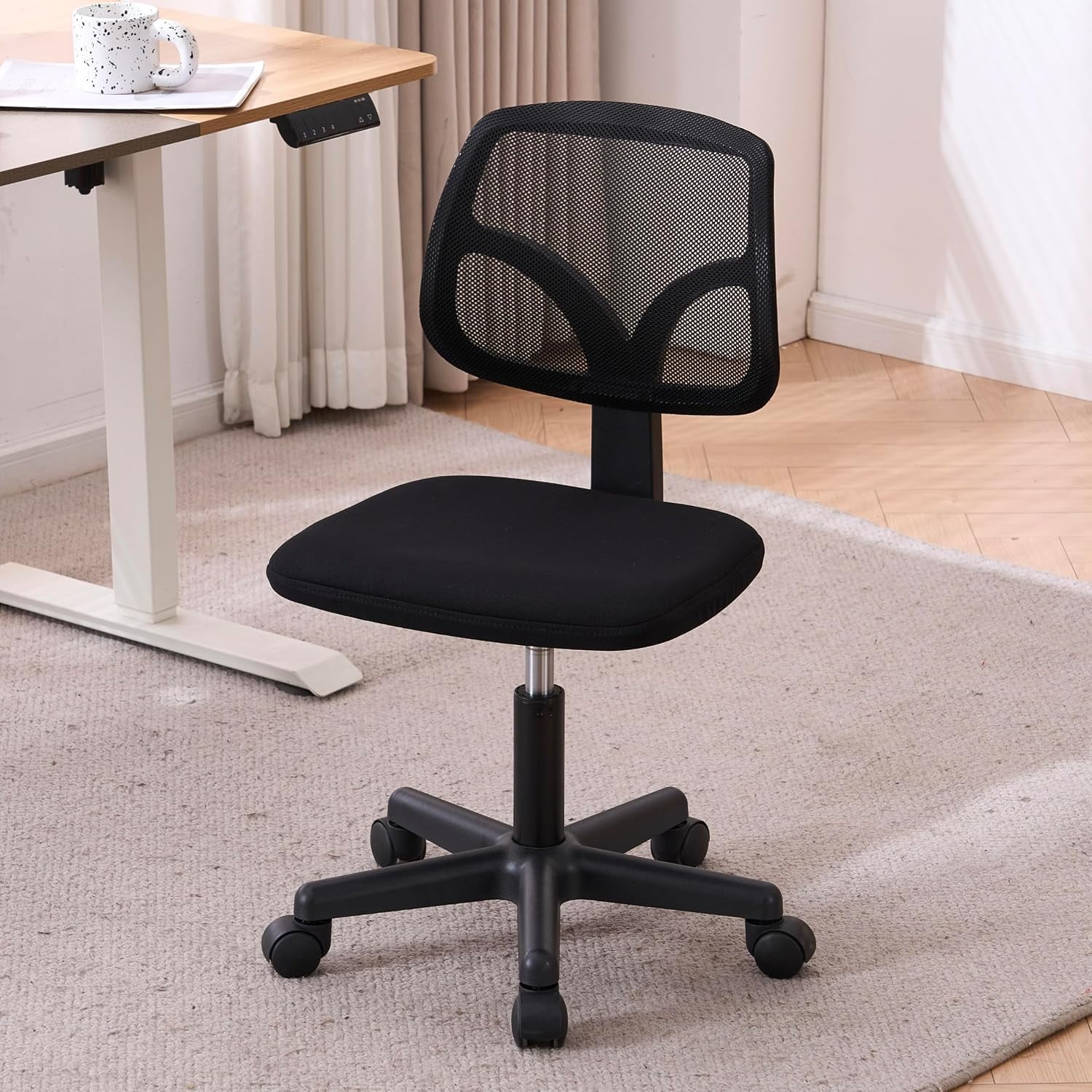
The Ultimate Guide to Choosing a Small Office Chair with Wheels
In today's world, where home offices are often carved out of a spare corner or a multi-purpose room, size matters. A bulky, executive-style chair can overwhelm a space, making it feel cramped and cluttered. This is where the humble hero of compact workspaces comes in: the small office chair with wheels. It's the automotive equivalent of a smart, fuel-efficient city car—agile, perfectly proportioned for its environment, and surprisingly comfortable.
Did you know? According to a recent interior design survey, 68% of home office workers cite "limited space" as a primary challenge. Choosing a chair with a smaller footprint can instantly make a room feel 30% larger, proving that smart furniture choices are the key to a functional and spacious-feeling workspace.
What Defines a "Small" Office Chair?
Before diving into features, it's crucial to define what we mean by "small." It's not just about the chair looking petite; it's about specific, quantifiable dimensions that contribute to its space-saving nature:
- Seat Width: Typically ranges from 18 to 20 inches (standard chairs are often 21-23 inches).
- Seat Depth: Often shallower, around 16-18 inches, to accommodate smaller users or tighter spaces.
- Backrest Height: Can vary from low-back (mid-back) to high-back, but the overall profile is narrower.
- Base Span: A compact base (often 22-24 inches in diameter) allows the chair to fit in smaller floor areas without tipping.
Think of it like this: a small chair is designed to provide full functionality without the "visual weight" or physical footprint of a traditional office throne.
Why Choose a Compact Rolling Chair? Beyond Just Saving Space
While space-saving is the most obvious benefit, these chairs offer several other advantages that make them a smart choice for a wide range of users.
1. The "Goldilocks" Fit for Petite Frames
For individuals under 5'4", a standard office chair can feel like sitting in a captain's chair. The seat might be too deep, causing the edge to press against the back of the knees, which impedes circulation. The backrest may hit too high, offering no real lumbar support. A small office chair with wheels is ergonomically proportioned for smaller bodies, ensuring that the lumbar curve hits the right spot and the seat depth supports the thighs without pressure. It's not just smaller; it's a better fit.
2. Agility and Mobility in Tight Quarters
A large, heavy chair can be a pain to maneuver in a small room. A compact rolling chair, by its nature, is lighter and more agile. Its smaller wheels (often 2-inch casters) and lighter frame mean you can spin from your desk to a filing cabinet or side table without performing a complicated multi-point turn. It glides through tight spaces like a skateboard compared to a sedan.
3. Aesthetic Flexibility and Visual Lightness
In interior design, bulky furniture can make a room feel heavy and closed in. A small chair with a sleek design, perhaps with an open back or slim arms, contributes to a sense of "visual lightness." It doesn't dominate the room. This is especially important in multi-functional spaces like a bedroom-office combo, where the office area shouldn't visually overwhelm the sleeping area. Many small chairs also come in modern, minimalist styles that blend seamlessly with home decor, unlike the imposing presence of a traditional leather executive chair.
4. Surprisingly Ergonomic
Don't equate "small" with "cheap" or "unsupportive." Modern compact chairs are engineered with ergonomics in mind. Features you should look for include:
- Adjustable Seat Height: Essential for aligning your eyes with your monitor, regardless of your height. Pneumatic lifts are standard, even on smaller chairs.
- Curved Backrest: Many models feature a contoured backrest that cradles the spine and promotes good posture.
- Built-in Lumbar Support: Some compact chairs have a pronounced lumbar curve or an adjustable lumbar mechanism, proving that support isn't a function of size.
- Waterfall Seat Edge: This design feature, common in quality chairs, reduces pressure on the thighs and improves blood flow, a critical ergonomic feature often found in smaller seats.
Key Considerations Before You Buy
Choosing the right small rolling chair involves more than just picking the cutest one. Here’s a detailed breakdown of what to evaluate.
Wheel Type: The Unsung Hero of Mobility
The wheels (casters) are critical for a chair named for its wheels. The wrong type can ruin your floor or make the chair impossible to roll.
🛞 Hard Floor Casters (Rubber/Soft Wheels)
If your office is on hardwood, tile, laminate, or vinyl, you must choose chairs with soft rubber casters. These wheels are non-marking and provide enough grip to roll smoothly without scratching or damaging your floor finish. Think of them as the "indoor slippers" for your chair.
🛞 Carpet Casters (Hard Nylon/Plastic Wheels)
For low to medium-pile carpets, hard nylon casters are the standard. They have the rigidity needed to roll over carpet fibers without getting bogged down. On plush, high-pile carpet, even these might struggle, and you may need a chair mat.
🛞 Dual-Wheel Casters
Many modern chairs, including compact ones, feature dual-wheel casters. These have two smaller wheels rotating together in the same housing. This design distributes weight more evenly, reduces rolling resistance, and provides a smoother glide on both hard floors and carpets.
Material Matters: From Mesh to Faux Leather
The upholstery impacts comfort, durability, and the chair's overall look.
👍 Mesh Backs
- Breathability: Excellent air circulation keeps you cool.
- Modern Look: Sleek and contemporary aesthetic.
- Flexible Support: Often contours to your back.
- Lightweight: Contributes to the chair's overall lightness.
👎 Mesh Limitations
- Less Cushioning: The back is just mesh, not padded.
- Cleaning: Can be harder to clean than fabric or leather.
👍 Fabric Upholstery
- Comfort: Soft, warm, and available in many colors.
- Breathability: Generally more breathable than leather.
- Cost: Often a more affordable option.
👎 Fabric Limitations
- Staining: Prone to absorbing spills and stains.
- Wear: Can show wear and pilling over time.
- Allergens: Can trap dust and dander.
👍 Faux Leather / PU Leather
- Style: Offers a sleek, professional look.
- Maintenance: Very easy to wipe clean.
- Cost: More affordable than genuine leather.
👎 Faux Leather Limitations
- Breathability: Can get hot and sticky.
- Durability: Can peel and crack after a few years, especially in fluctuating temperatures.
Armrests or No Armrests?
This is a key decision point for a small chair.
- Armrests: Provide support for your shoulders and arms, reducing strain. However, fixed armrests can prevent you from tucking the chair fully under your desk, wasting valuable space. Look for chairs with flip-up or removable arms for the best of both worlds. You get support when you want it, and a space-saving profile when you don't.
- Armless: The ultimate space-saver. An armless small office chair with wheels can easily slide completely under a desk, freeing up floor space instantly. It also allows for a wider range of movement and fits a wider variety of body types. This is often the best choice for extremely tight spaces.
Step-by-Step Guide to Finding Your Perfect Small Chair
- Measure Your Space: Before you even start browsing, measure the exact area where the chair will live. Note the width, depth, and the height clearance under your desk. Write these numbers down.
- Measure Yourself: Measure your seat height (from the floor to the back of your knee when sitting) and your hip width. This will help you gauge the required seat height range and minimum seat width for comfort.
- Prioritize Your "Must-Haves": Based on your space and body, make a list. Is flip-up arm a must? Do you need soft casters for hardwood floors? Is an adjustable lumbar support non-negotiable?
- Cross-Reference with Specifications: When you find a chair you like, don't just look at the pictures. Scrutinize the product specifications for seat width, depth, height range, base diameter, and weight capacity. Compare these numbers against your measurements from steps 1 and 2.
- Read User Reviews (Especially from Petite Users): Look for reviews from people of similar stature or with similar space constraints. They will often provide invaluable real-world insights that specifications can't. Search for phrases like "fits my small frame perfectly" or "easy to roll on my hardwood floors."
Data-Backed Benefits of the Right Fit
Investing time in finding the correctly sized chair isn't just about comfort; it's about health. A study in the journal "Applied Ergonomics" indicated that a mismatch between chair dimensions and user anthropometry is a leading cause of musculoskeletal discomfort in the workplace. By choosing a small office chair with wheels that actually fits your body and space, you are actively investing in your long-term physical well-being and productivity. You're creating an environment where your body isn't fighting against your furniture.
Frequently Asked Questions About Small Rolling Office Chairs
Conclusion: Small Chair, Big Impact on Your Workspace
Choosing a small office chair with wheels is a strategic decision for anyone looking to optimize a compact workspace. It's a declaration that you don't have to sacrifice comfort, mobility, or style just because you're short on square footage. By understanding the key features—from wheel types and materials to the critical importance of proper fit—you can select a chair that not only fits your room but also supports your body perfectly. It's the little details that make a big difference, transforming a cramped corner into a productive and comfortable command center. Remember, the best chair isn't the biggest or the most expensive; it's the one that fits you and your space like a glove.