
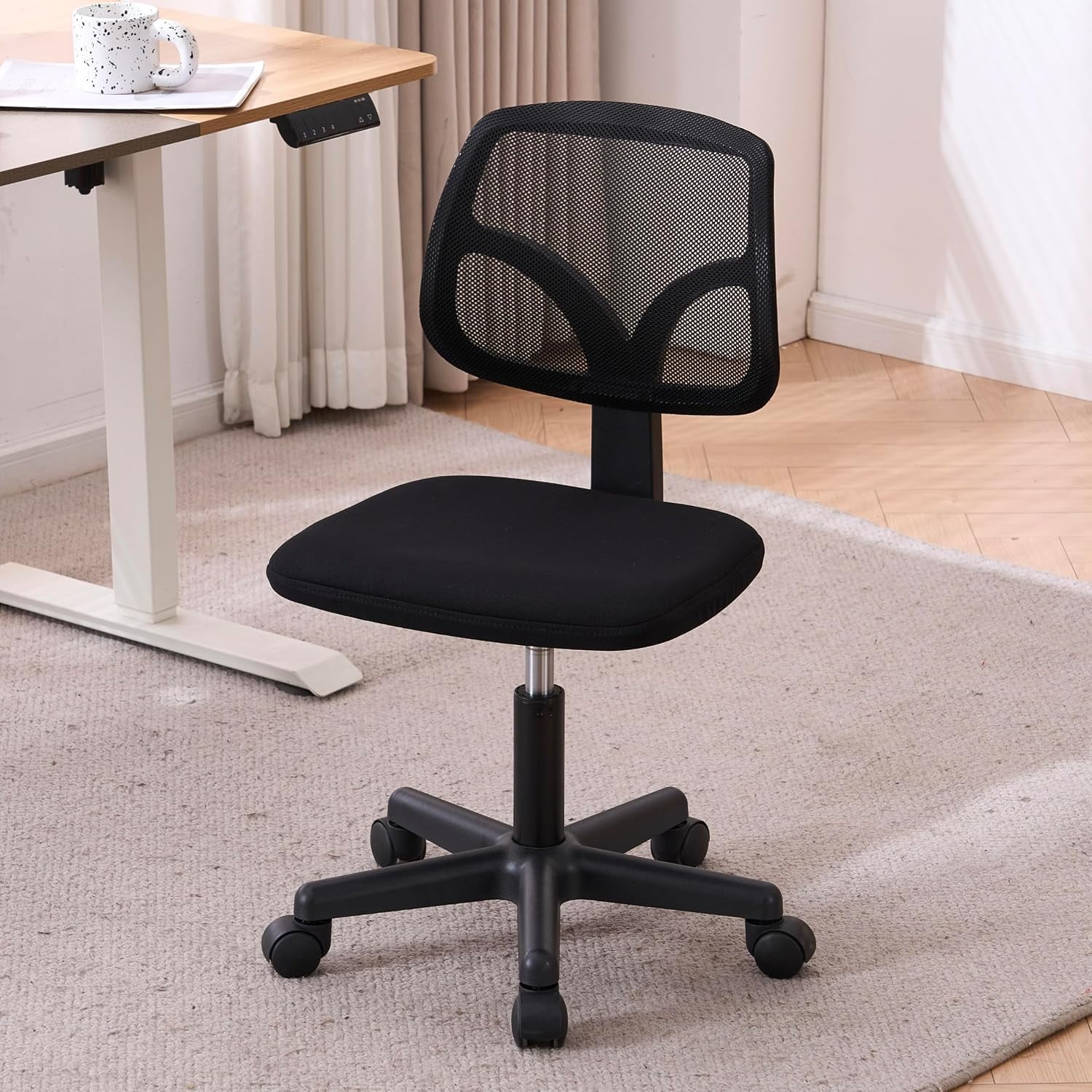
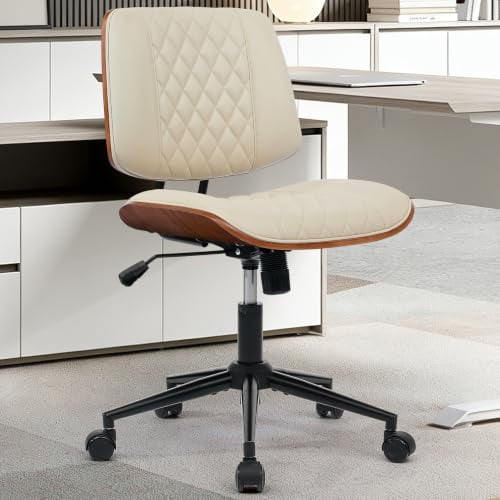
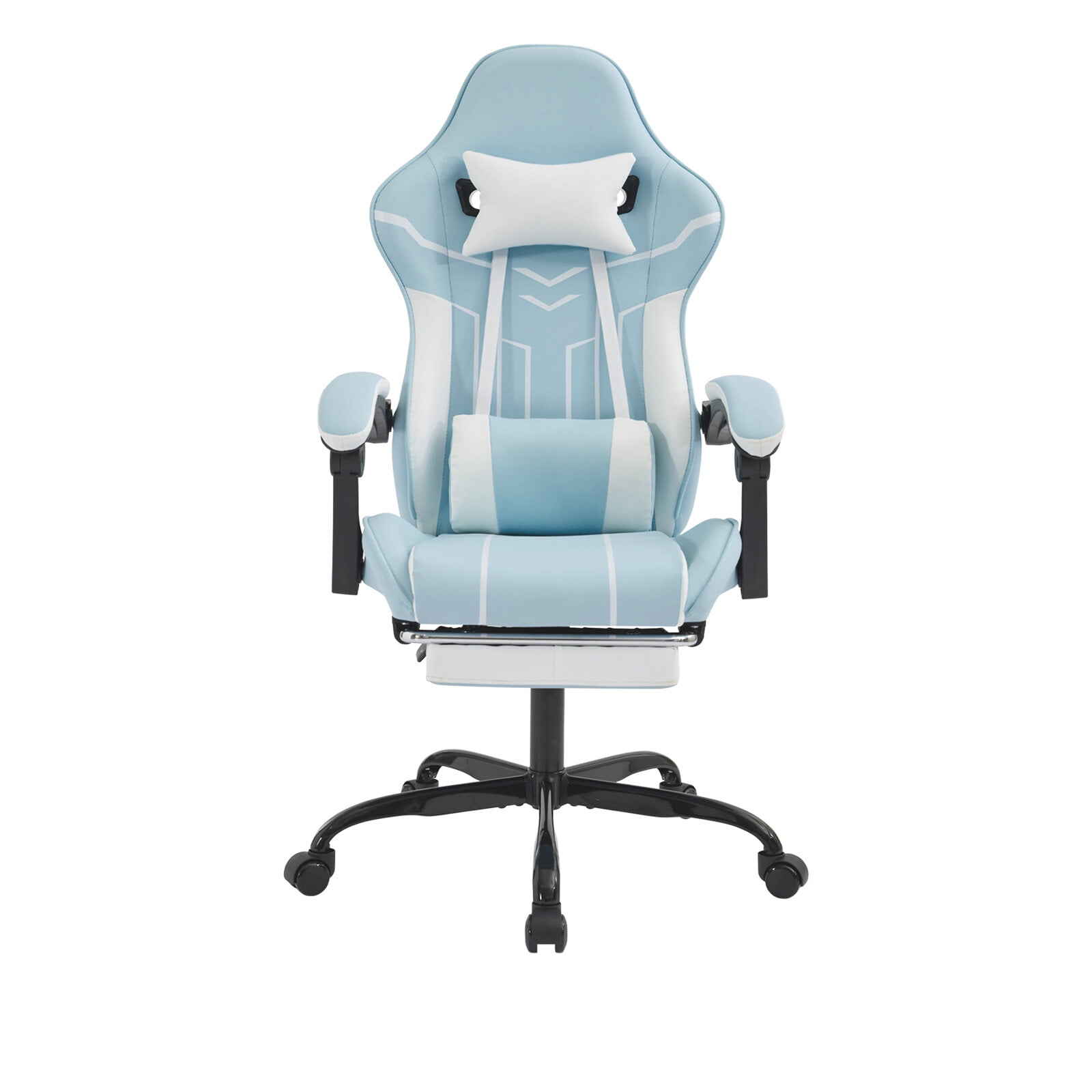
Why Size Matters: The Quest for the Perfect Small Ergonomic Office Chair
Imagine trying to write with a glove that's three sizes too big. That's what sitting in a standard office chair feels like if you have a petite frame or a cramped workspace. A chair that's too wide can cause you to slouch, strain your shoulders, and miss out on crucial lumbar support. A small ergonomic office chair solves this by scaling down the design without scaling down the science of sitting well.
According to a 2023 survey by the National Home Office Alliance, 42% of remote workers reported that their primary desk chair was too large for their space or body type. This mismatch leads to discomfort and reduced productivity. Whether you're designing a cozy home office nook, outfitting a dorm room, or simply need a chair that fits you, a compact ergonomic seat is the solution.
Decoding the Dimensions: What Makes a Chair 'Small' and 'Ergonomic'?
Not every chair labeled "compact" is truly ergonomic. We break down the anatomy of a quality small ergonomic office chair so you can shop with confidence.
• Seat Width and Depth: The Foundation of Fit
The most critical measurements for a small chair are the seat width (from side to side) and seat depth (from back to front). Standard office chairs often have a seat width of 20-22 inches. A true small ergonomic chair typically features a seat width of 18 to 19.5 inches. This narrower base prevents your arms from being pushed outward by armrests and allows your hips to sit squarely. Seat depth is equally vital; a depth of 16-17 inches ensures that the edge of the seat doesn't press against the back of your knees (a problem known as 'seat pan pressure'), which can restrict circulation.
• Backrest Height: Support for the Upper Body
For petite users (typically under 5'4"), a full-size high-back chair can place the headrest at the mid-back, creating a pressure point. Small ergonomic chairs often feature a mid-back design (18-22 inches tall) that supports the natural curve of the spine without interfering with shoulder movement. Some compact models offer adjustable lumbar support that can be moved up or down to align perfectly with your lower back's curvature.
• Adjustability That Scales
Being small doesn't mean you need fewer adjustments—you need them to work within a smaller range. Look for these features:
- Height-adjustable arms (2D or 3D): Armrests should lower enough to slide under a desk, typically to a minimum height of 7-8 inches from the seat.
- Seat height range: A pneumatic cylinder that lowers to at least 17 inches from the floor is essential for shorter individuals to place feet flat.
- Tilt tension and lock: Allows you to recline safely, even with a lighter body weight. Some chairs have a weight-sensitive mechanism that adjusts to lighter users.
- Depth-adjustable seat pan: A sliding seat mechanism is a premium feature that lets you shorten or lengthen the seat to fit your thigh length perfectly.
Material Choices for Small Chairs
Breathable Mesh
- ✔ Ideal for warmer climates
- ✔ Visually lightweight, doesn't overwhelm a small room
- ✔ Offers flexible, conforming back support
Fabric / Upholstery
- ✔ Soft and warm feel
- ✔ Available in colors to match decor
- ✔ Often provides more cushioning for the seat
Pro TipAlways check the "product dimensions" tab. Look for the keywords "compact," "space-saving," or "petite" in the official description, not just the title.
Beyond the Body: How a Small Ergonomic Chair Transforms Your Space
Choosing a small ergonomic office chair isn't just a physical decision—it's an interior design strategy. Here’s how it can open up your workspace:
- Visual Breathing Room: A bulky executive chair in a 8x10 foot home office makes the room feel cramped. A slim-profile chair with a mesh back or a narrow base creates an illusion of more space.
- Easier Movement: In a multi-purpose room (like a bedroom office), a compact chair is easier to tuck away or move aside when you need floor space for yoga or guests.
- Better Flow: Narrower chairs allow for better traffic flow around the desk, reducing the chance of bumping into furniture.
- Aesthetic Harmony: Small chairs often have cleaner, minimalist lines that complement modern or Scandinavian decor styles without dominating the room.
Frequently Asked Questions About Small Ergonomic Office Chairs
Conclusion: Small Chair, Big Impact on Your Workday
Selecting a small ergonomic office chair is an investment in your physical comfort and your living space. It’s a recognition that one size does not fit all, and that true ergonomics is about personalized fit. By focusing on key dimensions—seat width, depth, and adjustability—you can find a chair that feels like it was custom-made for you. Whether you're squeezing into a city apartment or simply prefer a chair that doesn't swallow you whole, the market today offers fantastic options that blend support, style, and a compact footprint. Remember to measure your space and your body, prioritize adjustable features, and choose a material that suits your environment. Your back (and your room) will thank you.