
The Case for Stability: Why Choose an Ergonomic Office Chair Without Wheels?
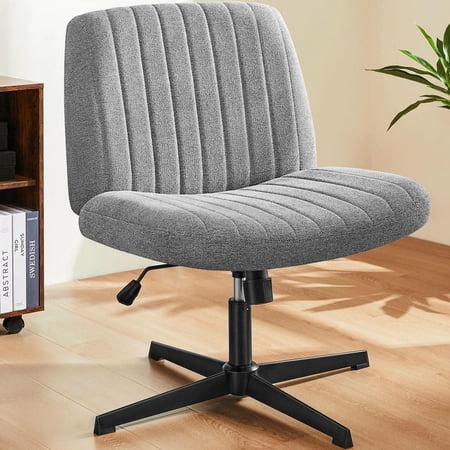
Imagine trying to paint a detailed watercolor or perform delicate soldering on a circuit board while your chair gently rolls away with every slight shift. Frustrating, isn't it? For millions of professionals, the standard wheeled office chair is a source of constant, micro-adjustments that break concentration. Enter the ergonomic office chair without wheels—a specialized seating solution that prioritizes absolute stability without sacrificing an ounce of back support. These chairs, often fitted with glides or a fixed base, are the unsung heroes of studios, home offices, and any workspace where staying put is just as important as sitting comfortably.
According to a study on workplace focus, unnecessary movement can increase cognitive load and reduce performance on tasks requiring fine motor skills by up to 20%. By eliminating the "drift," a stationary ergonomic chair helps anchor you to your work. But don't mistake a lack of wheels for a lack of features. Modern non-rolling chairs are engineered with the same advanced ergonomics as their mobile counterparts—adjustable lumbar support, waterfall seats, and synchro-tilt mechanisms—all built on a robust, floor-friendly base.
1. The Anatomy of a Stationary Ergonomic Chair
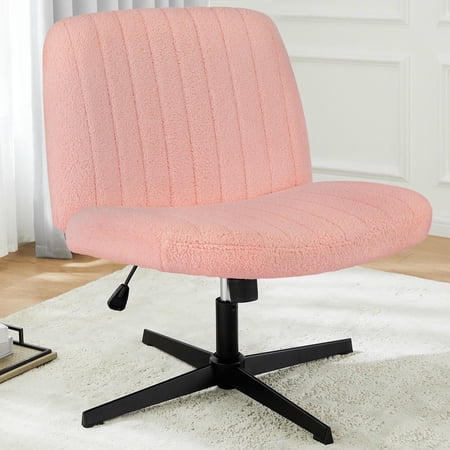
What exactly replaces the wheels? Most high-quality stationary chairs use a five-star base fitted with glides. These glides are typically made of nylon, felt, or rubber. They allow you to push back from your desk or make minor adjustments to your position, but they resist the constant, unwanted rolling caused by leaning or shifting your weight. This is a game-changer for:
- Precision Workers: Artists, draftsmen, and technicians who need a fixed pivot point.
- Standing Desk Users: A stable chair remains exactly where you left it when you raise your desk.
- Delicate Flooring: Felt glides are non-marking and safer for hardwood, tile, or laminate than many casters.
- Focus-Oriented Individuals: Reduces the fidget factor, helping you maintain a steady posture.
2. Comparing Base Types: Glides vs. Casters
To help you visualize the difference, here’s a quick comparison of how a non-rolling chair stacks up against a traditional wheeled chair in key areas:
| Feature | Ergonomic Chair with Glides (No Wheels) | Ergonomic Chair with Casters (Wheels) |
|---|---|---|
| Stability | High – chair stays planted during dynamic tasks | Variable – can roll unexpectedly on smooth floors |
| Mobility | Intentional – you must apply force to slide | Easy – gliding across the room requires little effort |
| Floor Protection | Excellent with felt/rubber glides – no scratches | Depends on caster type; hard casters can mark floors |
| Ideal Use Case | Focused work, drafting, standing desk setups | Multi-tasking, moving between filing cabinets or workstations |
3. Ergonomic Features You Don't Have to Give Up
Choosing a chair without wheels does not mean choosing a chair without support. The best models are fully featured ergonomic powerhouses. Look for these non-negotiable elements:
- Adjustable Lumbar Support: Just like a high-end wheeled chair, a stationary chair must support the natural curve of your spine. Look for both height and depth adjustability.
- Seat Depth Adjustment: Also known as a sliding seat pan, this ensures proper circulation by leaving 2-3 fingers of space between the back of your knee and the seat edge.
- 4D Armrests: Armrests that adjust in height, width, depth, and pivot angle allow you to keep your shoulders relaxed and elbows at a 90-degree angle.
- Synchro-Tilt Mechanism: This feature allows the backrest and seat to move in a natural ratio (e.g., 3:1) as you recline, keeping your feet planted and vision stable—perfect for thinking sessions.
4. Who Needs This Chair? A Detailed Persona Guide
Still wondering if this is the right choice? Let's break it down by professional archetype:
Needs a stable base for using a drawing tablet. A rolling chair can ruin a smooth pen stroke. A fixed chair provides the anchor needed for precision.
During video consultations, constant fidgeting or rolling can be distracting to clients. A stable chair projects calmness and professionalism.
Working on large blueprints or detailed models requires a fixed position. A chair that glides smoothly but doesn't roll away is ideal for reaching different corners of a drafting table.
If you have a small workspace or valuable hardwood floors, a chair with glides prevents accidental bumps into furniture and eliminates floor scratches.
5. Addressing the "But I Need to Move" Concern
A common misconception is that a chair without wheels will feel restrictive. High-quality glides are designed to be low-friction. You can still push back to stand up or slide laterally to reach a different part of your desk. The key difference is that the movement is intentional and requires a conscious effort, rather than happening accidentally. If you need to frequently move across a room (e.g., to a filing cabinet or printer), consider a chair with a combination of high-quality glides and a swivel function—the swivel allows you to turn and reach, while the glides keep you generally planted.
Frequently Asked Questions About Stationary Ergonomic Chairs
Final Verdict: Is a Non-Rolling Ergonomic Chair Right for You?
An ergonomic office chair without wheels is not a compromise; it's a specialized tool designed for a specific, and very common, way of working. If your daily tasks require a stable base, if you're tired of your chair drifting away from your desk, or if you simply prefer a workspace where everything has its place, then this is the optimal choice. It combines all the health benefits of a premium ergonomic seat—spinal alignment, pressure relief, and customized support—with the grounding stability of a fixed base. Think of it as the difference between a drift car and a formula one car: both are high-performance, but one is built for controlled slides, and the other for unwavering grip on a straight line. For focused, precision work, the grip of a stationary chair is unbeatable.