
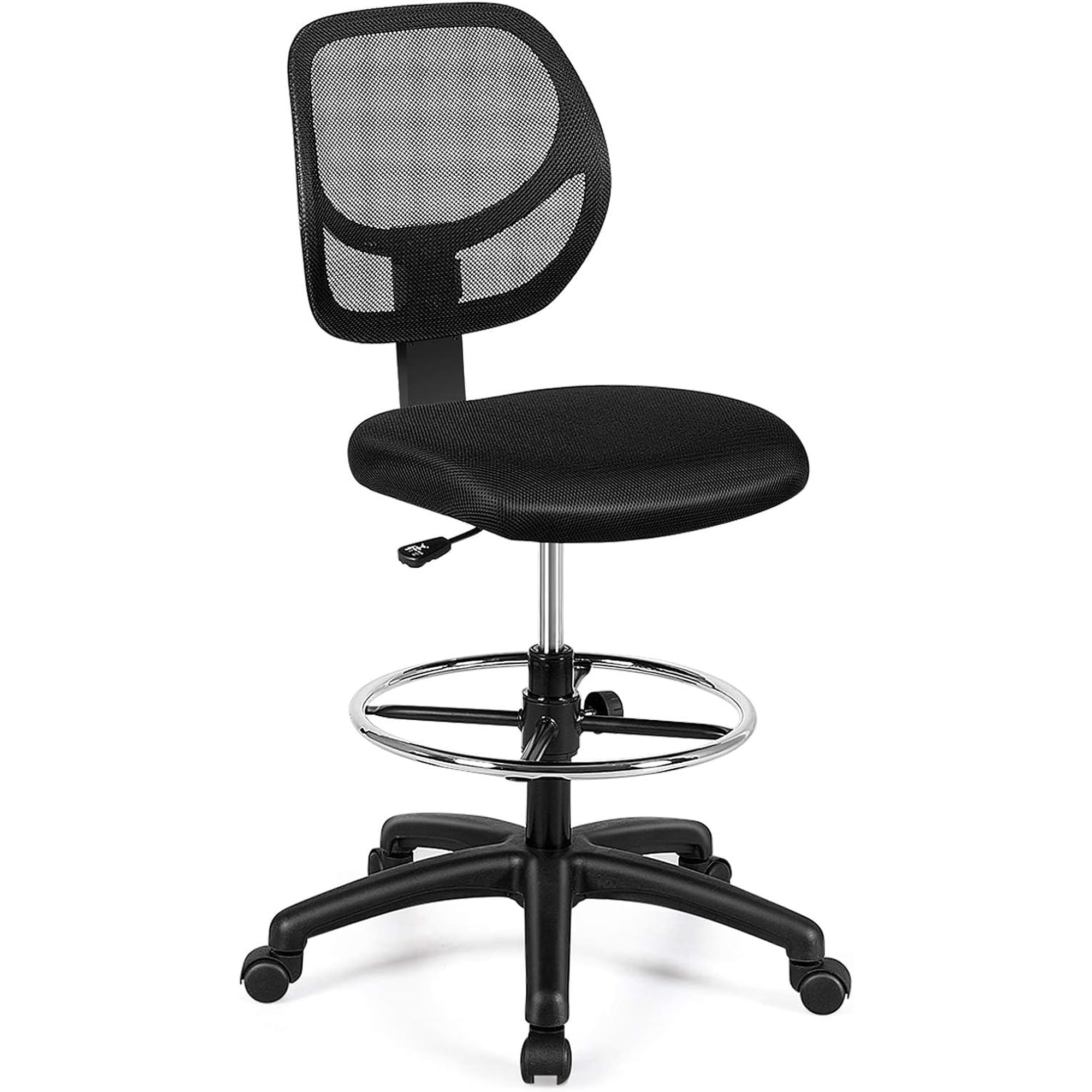
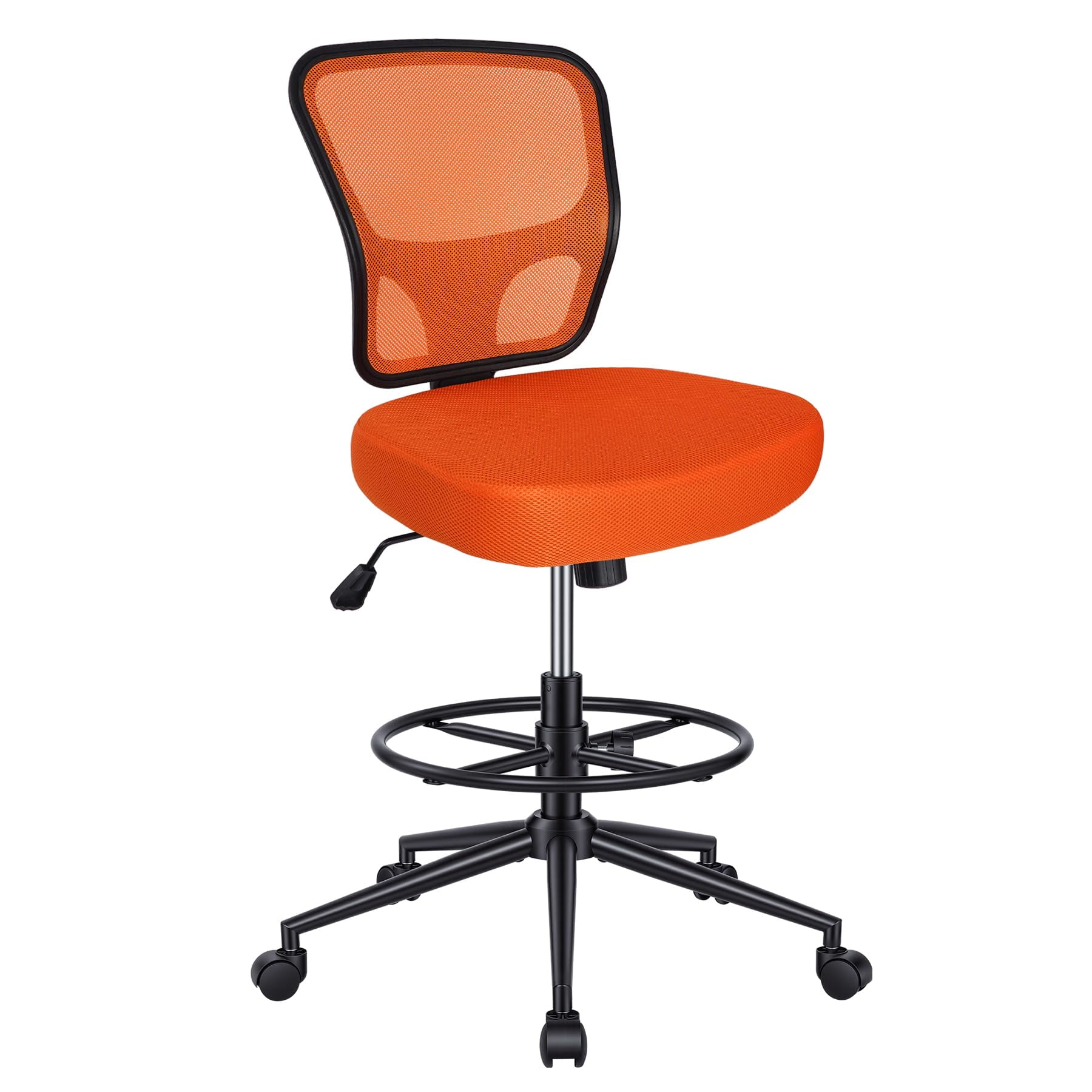
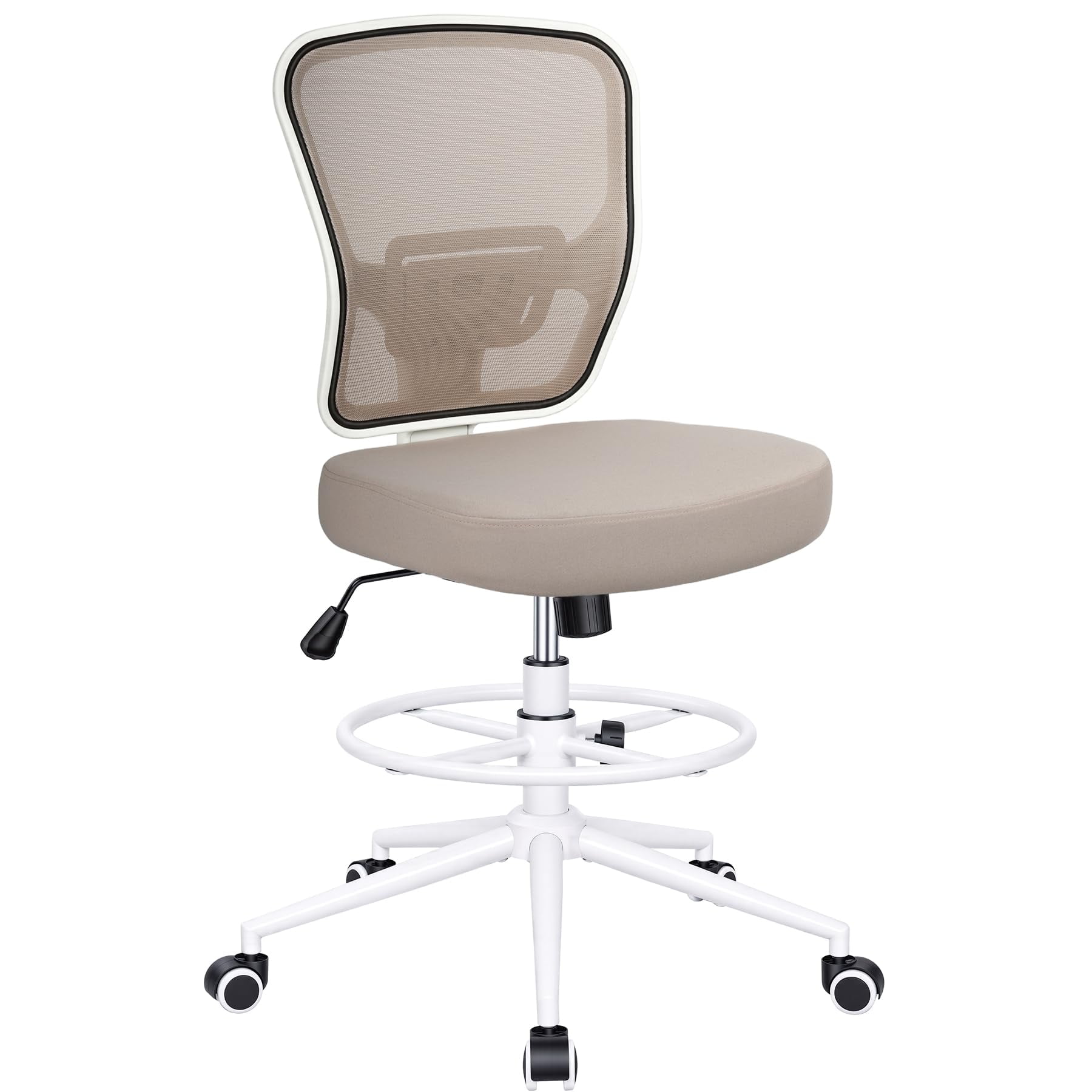
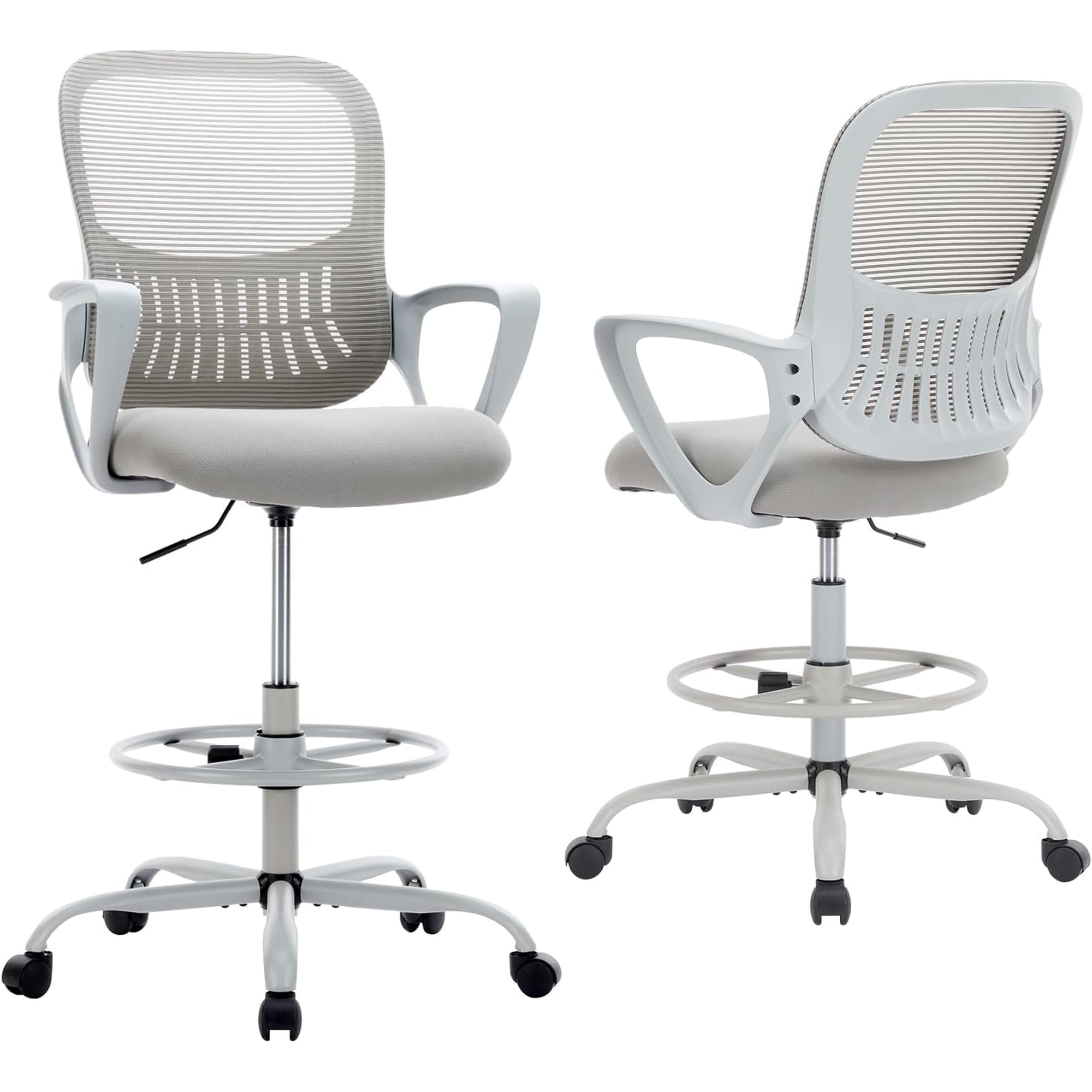
Why a Dedicated Drafting Chair Tall Office Chair Transforms Your Workspace
Imagine trying to conduct an orchestra while sitting on a child's stool—your arms are at the wrong angle, your feet dangle, and your back aches within minutes. That's exactly what happens when you use a standard office chair at a standing desk or drafting table. A drafting chair tall office chair is not just a taller seat; it's a precision tool designed to align your body with elevated work surfaces.
According to a 2023 ergonomics survey by the American Posture Institute, 67% of professionals using standing desks with mismatched seating reported hip or lower back discomfort within three months. The solution is a chair engineered for height—featuring extended pneumatic cylinders, stable bases, and often a foot ring to support your legs. This section dives deep into why these chairs matter for your health and productivity.
1. The Mechanics of a Tall Office Chair: More Than Just a Longer Cylinder
A common misconception is that a drafting chair is simply a standard task chair with a longer gas lift. In reality, quality tall office chair designs incorporate several critical engineering differences:
- Reinforced Gas Lift (Class 3 or 4): To prevent wobble at maximum extension, reputable chairs use heavy-duty pneumatic cylinders. Class 4 lifts are ideal for users over 200 lbs or for daily 10-hour use.
- Wide Base for Stability: A 27-inch or larger aluminum or steel base prevents tipping. Some budget models skimp here, leading to instability—always check the base diameter.
- Integrated Foot Ring: This isn't an afterthought. The best foot rings are adjustable in height and angle, allowing you to find a position that keeps your knees at a 90-110 degree angle even when your feet don't touch the ground.
- Seat Edge Design: Look for a "waterfall front" on the seat pan. This reduces pressure behind the knees, which is even more crucial when sitting slightly elevated.
2. Who Needs a Drafting Chair? Five User Profiles
While architects and graphic designers are the traditional users, the rise of adjustable standing desks has expanded the audience. Here are five distinct profiles that benefit from a drafting chair tall office chair:
- The Architect or Artist: Working at a slanted drafting table or easel requires an elevated seated position to maintain a natural line of sight to the work surface.
- The Standing-Desk Hybrid User: You switch between sitting and standing. A tall chair allows you to sit comfortably at the desk's raised height without lowering the desk, saving time and motor wear.
- The Lab Technician or Medical Professional: Many lab benches and examination tables are higher than standard desks. A rolling drafting chair with a foot ring provides mobility and ergonomic support.
- The Tall Individual (>6'2"): For very tall people, even a standard desk at 30 inches can feel low. A drafting chair paired with a slightly elevated desk can create a more natural posture.
- The Industrial or Warehouse Worker: Workstations for assembly or packing are often elevated. A durable drafting chair with casters improves efficiency and reduces fatigue.
3. Ergonomic Features: What to Look for in a Drafting Chair
When evaluating models, don't just look at height range. The ergonomics of a tall chair are paramount. Use this checklist when comparing products:
- Adjustable Foot Ring: A fixed ring might work, but adjustable height and tilt (some even flip up) accommodate different leg lengths and sitting preferences.
- Seat Depth Adjustment: Your thighs should be fully supported. Look for a seat slider that moves forward/backward.
- Backrest Height and Angle: Lumbar support shouldn't disappear just because you're sitting high. A tall backrest (at least 20 inches) with adjustable tilt tension keeps your spine aligned.
- Armrests (4D adjustable): At elevated positions, armrests must be height-adjustable to support your elbows without shrugging your shoulders.
The investment in a feature-rich drafting chair tall office chair pays off in sustained energy and reduced risk of repetitive strain injuries.
4. Material & Durability: Matching Chair to Environment
Just like standard office chairs, drafting chairs come in various upholsteries. Here's a quick guide tailored for tall chairs:
| Material | Best For | Durability at Height |
|---|---|---|
| Mesh (back) + Fabric (seat) | Ventilation, modern offices | Good; mesh back flexes, reducing pressure on lumbar. |
| Faux Leather / PU | Easy cleaning, labs, studios | Fair; can crack over time if cylinder fails and seat twists. Look for breathable PU. |
| Premium Fabric (woven) | All-day comfort, residential offices | Very Good; durable and less temperature sensitive. |
| Full-Grain Leather | Executive drafting suites | Excellent; but heavy, so ensure base is reinforced. |
5. The "Drafting" Difference: Stability at Altitude
One concern users voice is wobble. A chair at 32 inches high is inherently less stable than one at 20 inches. To combat this, premium tall office chair models use a wider footprint and heavier casters. Some even feature a chrome or nylon base with a central column that has a larger diameter. When testing a chair, extend it to its full height and gently rock side-to-side—minimal movement is acceptable, but clanking or shifting indicates a poor connection between column and base.
Pro Insight: If you frequently change height throughout the day, consider a chair with a "memory" or pneumatic lever that is easy to reach while seated. Gas lift levers positioned too far back can be a nuisance.
Setting Up Your Drafting Chair for Optimal Posture
Owning a great chair is only half the battle. Proper adjustment ensures you reap the benefits. Follow these steps after unboxing your new drafting chair tall office chair:
- Seat Height: Adjust so your thighs are roughly parallel to the floor, with your feet resting flat on the foot ring (or floor if possible). Your elbows should be at desk height.
- Foot Ring Position: Place it so your knees form a 90-degree angle or slightly more open. You should not have to curl your legs to reach the ring.
- Backrest: The lumbar support should fit into the curve of your lower back. Engage the tilt mechanism to allow gentle recline while working.
- Armrests: Set them so your shoulders are relaxed, and your forearms rest lightly, not propped up.
A 2022 study in the Journal of Ergonomics indicated that correct adjustment of a drafting chair reduced perceived discomfort by 53% over an 8-hour shift compared to misadjusted chairs.
Frequently Asked Questions About Drafting Chair Tall Office Chair
Conclusion: Elevate Your Comfort, Elevate Your Work
Choosing the right drafting chair tall office chair is an investment in your daily well-being. Whether you're sketching the next skyscraper or simply pairing it with a standing desk, prioritize stability, adjustability, and lumbar support. Remember, a chair that fits your body and your workspace transforms work from a strain into a flow.