
Why Choose an Office Chair with Flip Up Arms? (H2)
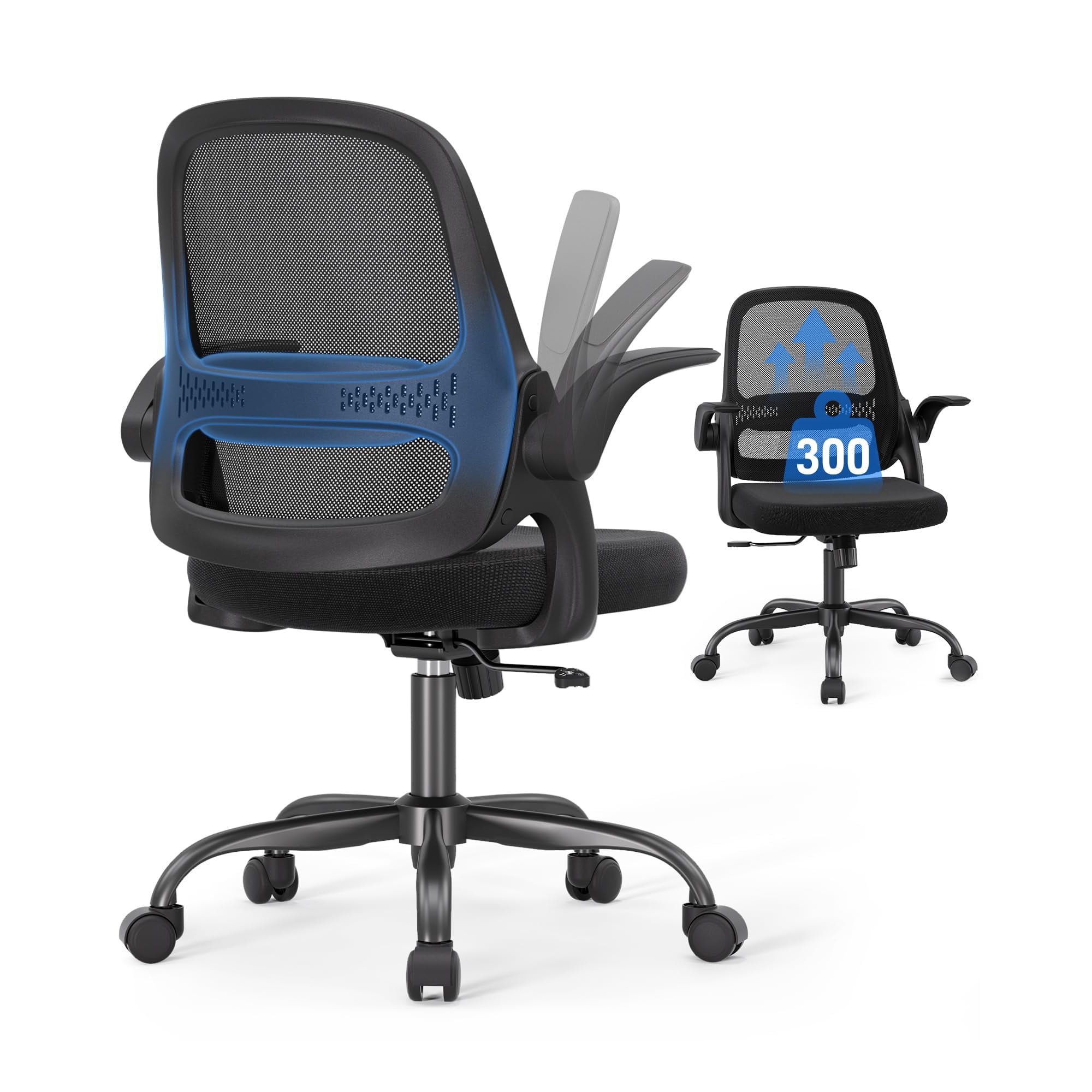
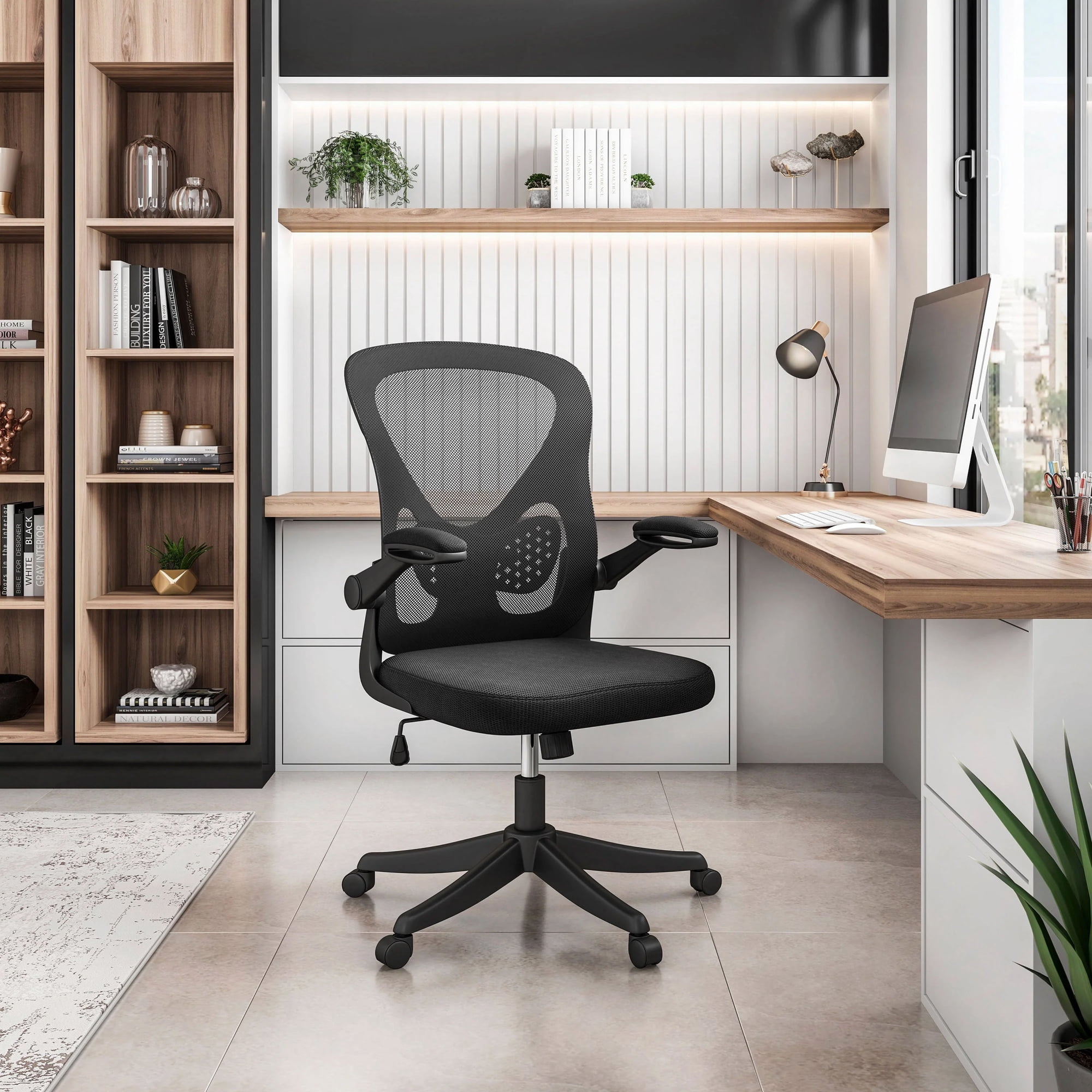
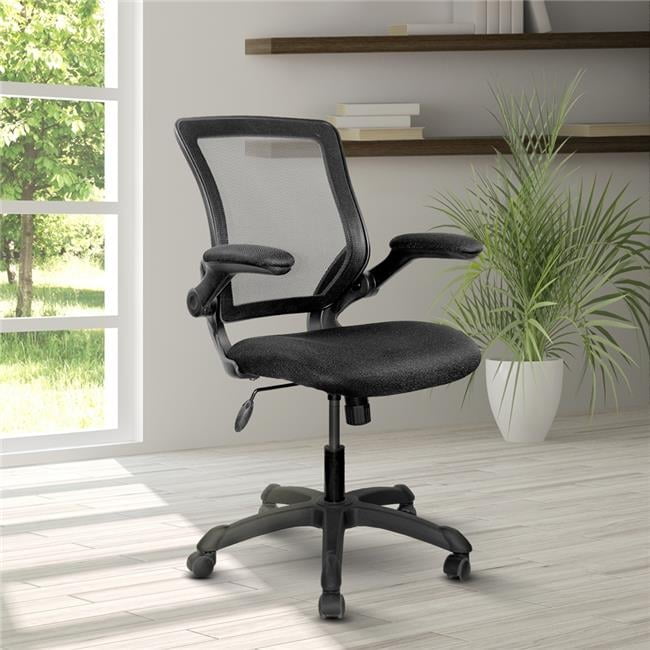
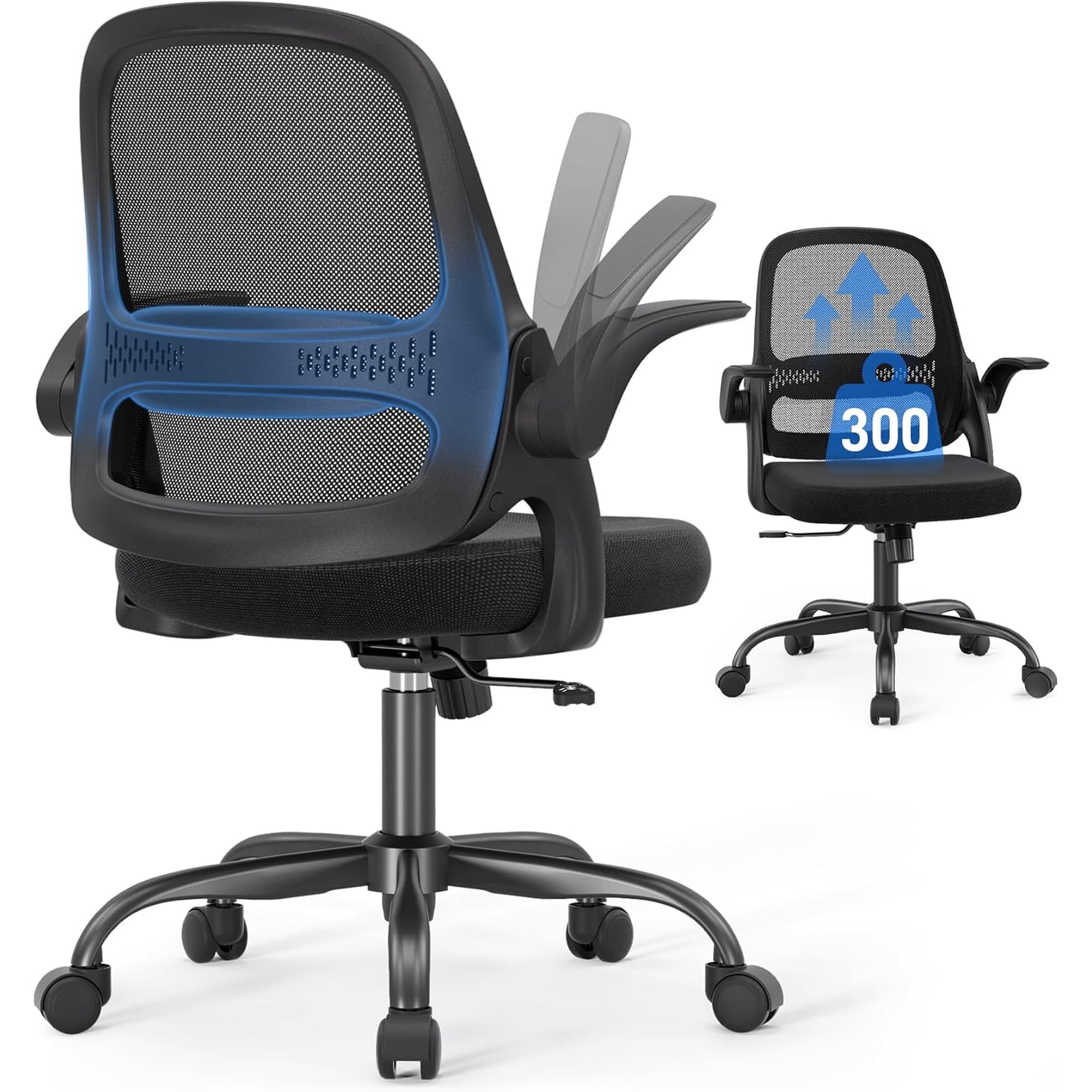
Imagine gliding your chair effortlessly under your desk, creating an open, spacious feel in your home office—or pulling up to a keyboard without armrests getting in the way. That’s the magic of an office chair with flip up arms. Unlike traditional fixed-arm chairs, these innovative designs let you pivot the armrests upward when you need extra room or a clean, minimalist look. They are the ultimate solution for compact living, multi-use spaces, and workers who crave adaptability.
Did you know? According to a 2023 home office survey, 47% of remote workers cite limited space as their top furniture challenge. Flip-up arm chairs directly address this by reclaiming up to 12 inches of floor depth when pushed under a desk.
Anatomy of a Flip-Up Arm Mechanism (H3)
Not all flip-up arms are created equal. There are two primary designs:
- Hinge pivot: The armrest rotates upward on a metal hinge, locking into a vertical position. Best for occasional flipping.
- Slide-and-pivot: The arm slides back slightly before flipping, offering more clearance. Common in higher-end ergonomic chairs.
- Detachable style: Some chairs allow you to completely remove the arms, but flip-up versions are more convenient for daily use.
When shopping, look for chairs with all-metal hinges and a positive locking feel. Plastic components may wear out faster under frequent flipping.
5 Scenarios Where Flip-Up Arms Shine (H3)
- The Compact Home Office: In a spare corner or alcove, you often need to push the chair away to access shelves or simply walk past. Flip arms up, slide chair under desk – floor space regained instantly.
- Multi-Purpose Rooms: Your home office might double as a guest room or craft area. A chair with arms that disappear lets you use it as extra seating without the bulk.
- Gamers & Musicians: Guitar players, drummers, or those using flight sticks prefer arm-free movement. Flip up the arms when you play, lower them when you type.
- Physical Therapy / Stretching: Some users like to occasionally sit sideways or stretch an arm. Flip-up arms remove the obstacle.
- Sharing the Chair: If family members with different preferences use the same chair, flip-up arms offer both arm-support and armless modes.
Pros and Cons: A Quick Overview
✅ Advantages
- Space-saving: slides fully under desk
- Versatility: arm support when you want it, freedom when you don’t
- Clean aesthetic: no protruding arms when stored
- Accessibility: easier side transfer for some users
- Resale value: appeals to wider audience
⚠️ Considerations
- Potential mechanism wear: lower-quality hinges may loosen
- Slightly heavier: extra hardware adds weight
- Arm padding: sometimes thinner due to mechanism
- Price: decent mechanisms cost more than fixed arms
Key Features to Evaluate Before Buying (H3)
| Feature | Why It Matters | What to Look For |
|---|---|---|
| Armrest Pivot Mechanism | Durability and ease of flipping | Steel or reinforced nylon hinge; smooth action with detents |
| Armrest Padding | Comfort during long hours | At least 0.5" of foam or gel; width ≥2.5" |
| Chair Base & Casters | Stability when arms are up (chair may tip more easily?) | 5-point base, preferably metal; weight capacity >250 lbs |
| Seat Height Range | Must tuck under your specific desk | Measure desk clearance; typical range 17"-21" |
| Backrest & Lumbar | Ergonomic support shouldn't be sacrificed | Adjustable lumbar, breathable mesh or padded back |
Ergonomics Don’t Take a Holiday: Finding a Healthy Chair
Some worry that a chair with moving parts might compromise ergonomics. The truth? Reputable manufacturers integrate flip-up arms without sacrificing support. Look for chairs that offer independent back height adjustment, seat depth slider, and synchro-tilt mechanism. The arms are just one feature; the chair should still promote good posture. “A chair that lets you change position easily—including flipping arms up for a different posture—can actually encourage movement, which is key to spinal health,” notes ergonomist Dr. Lisa Farnham.
🔄 Dynamic Sitting
Flip arms up to lean sideways or stretch; lowers to support typing.
📦 Under-Desk Storage
Park the chair completely out of the way when not in use.
🧘 Cross-Legged Option
Some users prefer to sit with legs folded; flip arms up for clearance.
🎸 Hobby-Friendly
Play instruments or do crafts without armrest interference.
Material & Build: What Lasts?
For a chair that will see daily flipping, prioritize mesh or fabric upholstery over bonded leather (which can crack). The armrest material should be easy to clean—soft PU is common. Check that the flip mechanism is recessed so it doesn’t dig into your elbows. Metal frame construction (especially in the base) ensures longevity. Many chairs in this category are rated for 8-10 hours of use, so don’t assume they’re only for occasional sitting.
Flip-Up vs. Fixed vs. No Arms: Quick Comparison
| Type | Best For | Space Saving | Versatility |
|---|---|---|---|
| Flip-Up Arms | Small offices, shared chairs, multi-use | ⭐⭐⭐⭐⭐ | ⭐⭐⭐⭐⭐ |
| Fixed Arms | Dedicated workstations, maximum arm support | ⭐ | ⭐ |
| Armless | Occasional seating, tight spaces | ⭐⭐⭐⭐ | ⭐⭐ |
The flip-up design uniquely bridges the gap between armless flexibility and ergonomic arm support.