
Why the Right Medical Waiting Room Chair Matters for Your Practice
Imagine walking into a medical office. Before you even see the doctor, you spend time in the waiting room. That first impression—the comfort of the seat, the cleanliness, the overall feel—shapes your perception of the entire practice. For healthcare providers, selecting the right waiting room chairs medical office environments need is not just about aesthetics; it's a crucial part of patient care and operational efficiency.
Industry Insight: Studies show that a comfortable waiting room can reduce patient anxiety by up to 30%. Furthermore, durable, easy-to-clean chairs minimize cross-contamination risks and lower long-term replacement costs. Investing in quality medical seating is an investment in patient satisfaction and practice reputation.
Key Considerations for Medical Office Waiting Seating
Unlike standard office chairs, medical waiting room chairs face unique challenges: heavy daily use, frequent cleaning with harsh disinfectants, and the need to accommodate patients of all ages and mobility levels. Here’s what you need to evaluate:
1. Material & Infection Control: The Hygiene Factor
The material of your waiting chairs is the frontline defense in infection control. In a post-pandemic world, non-porous surfaces are non-negotiable.
- Vinyl (PU / PVC): The most popular choice. It's waterproof, stands up to repeated wiping with hospital-grade disinfectants, and doesn't harbor bacteria. Modern vinyl is also breathable and comfortable, preventing that sticky feeling.
- Medical-Grade Fabric: Some high-end chairs use tightly woven fabric treated with antimicrobial agents. While comfortable, they require more rigorous cleaning protocols and may not be suitable for all areas (e.g., exam rooms).
- Metal & Wood Accents: Powder-coated metal frames resist chipping and rust. Wood accents should be sealed to allow for cleaning. Avoid porous materials like unsealed wood or fabric that cannot be sanitized.
2. Patient Demographics: Inclusivity Matters
Your waiting area should comfortably serve everyone who walks through your door. Consider these patient groups:
Bariatric Patients
Require chairs with higher weight capacities (500+ lbs), wider seat widths (24" or more), and reinforced frames. Never use standard chairs as a substitute.
Elderly & Mobility-Impaired
Chairs with armrests (for pushing up), a seat height around 18-20 inches, and a firm cushion make sitting and standing easier. Avoid low, soft sofas.
Pediatric Patients
Smaller, child-sized chairs or a dedicated colorful corner can ease anxiety. Ensure chairs are stable and have rounded edges for safety.
Companions
Provide a mix of single seats and small loveseats so family members can sit together. Ensure traffic lanes are wide enough for wheelchairs.
3. Configuration & Space Planning
How you arrange your chairs impacts both capacity and patient comfort. Common configurations for waiting room chairs medical office planners recommend include:
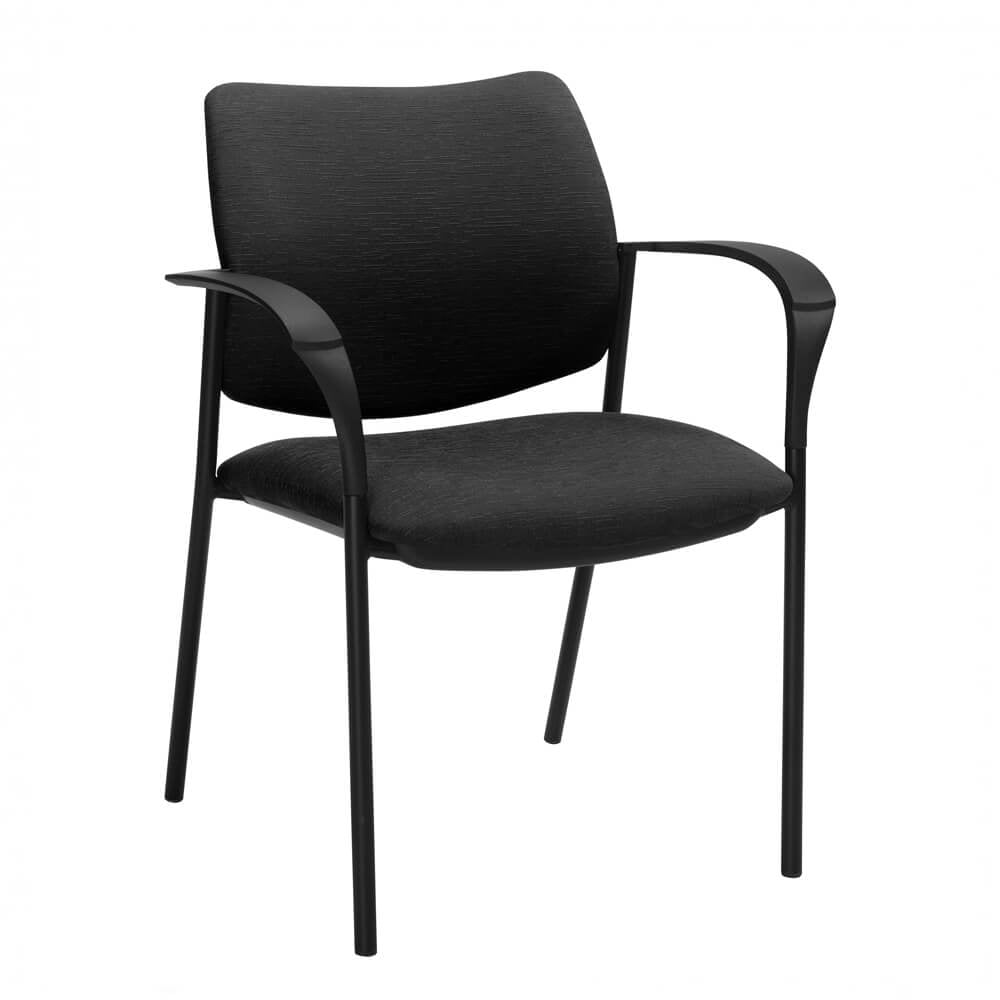
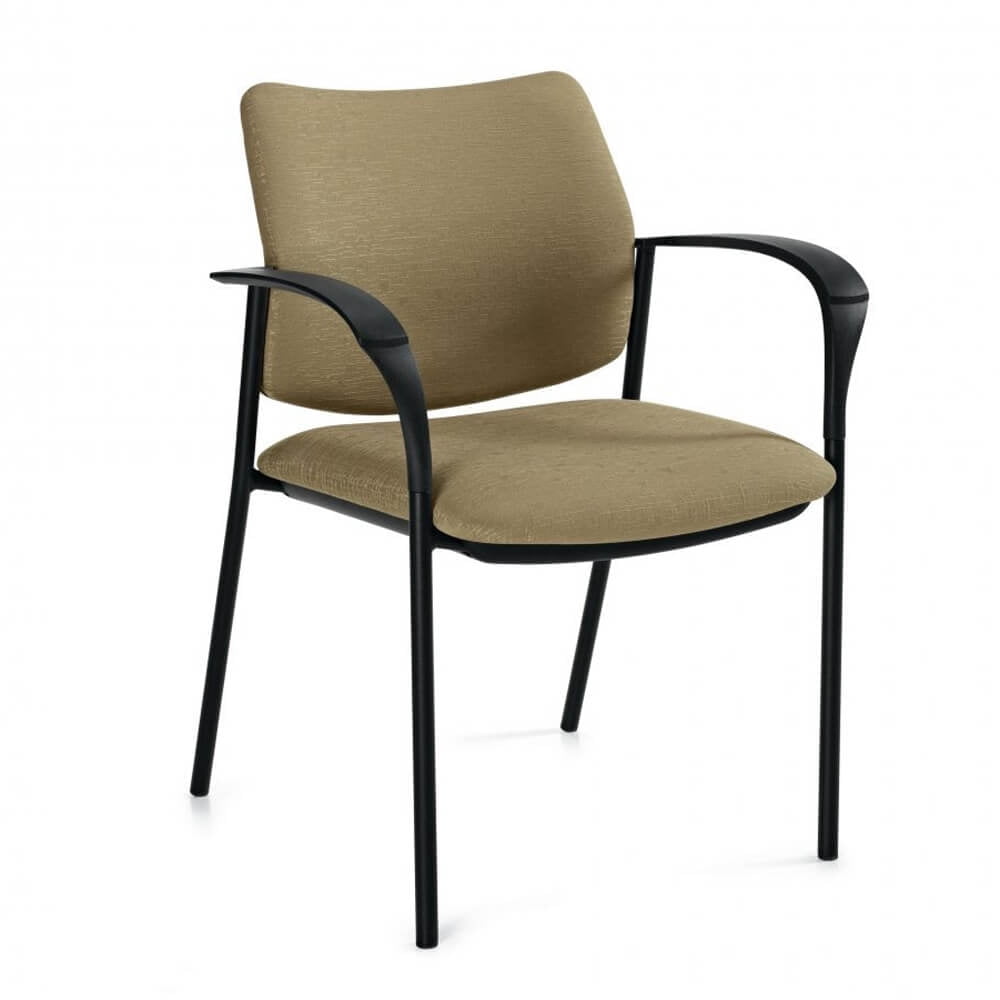
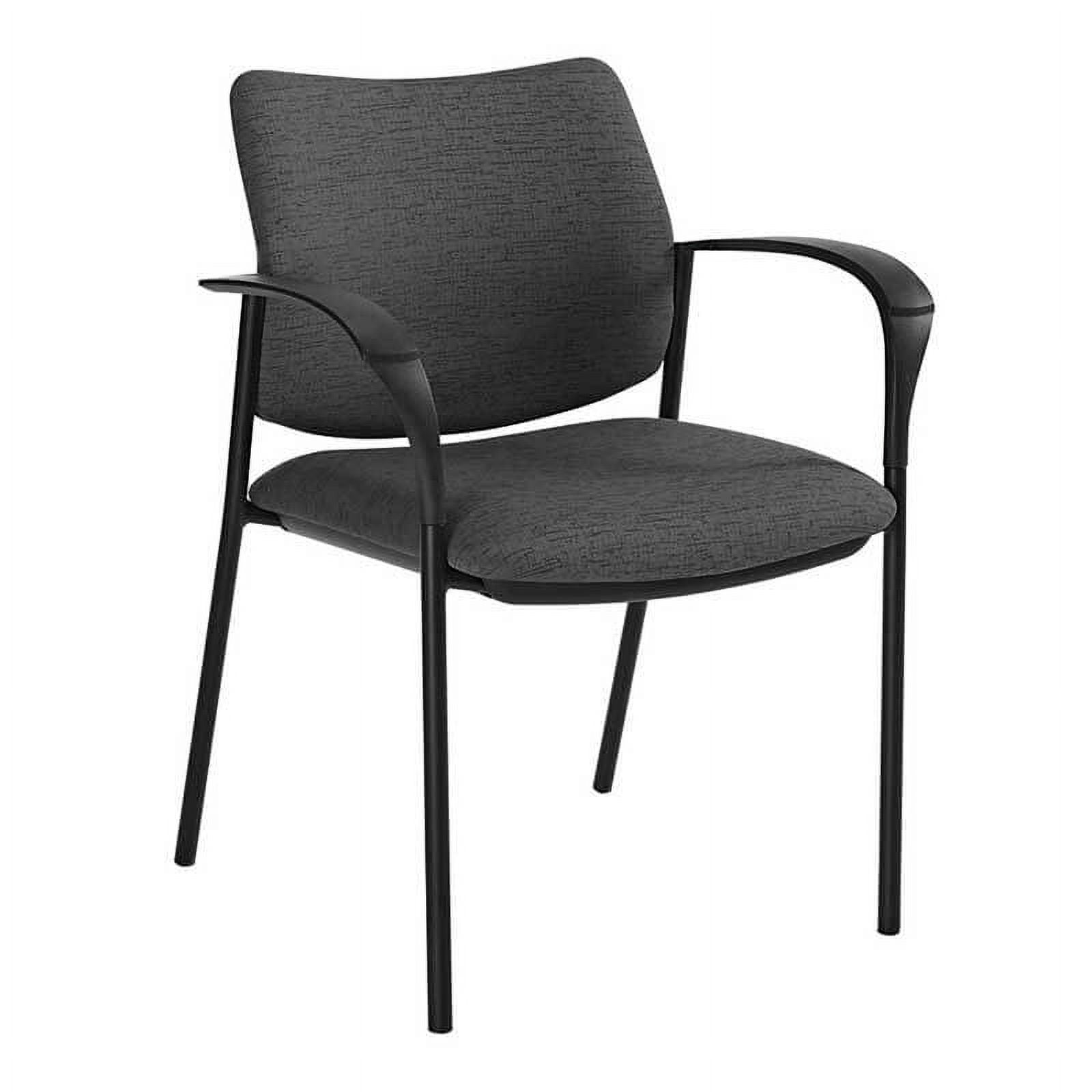
- Single Chairs (with or without arms): Offer flexibility and are easy to rearrange. Chairs with arms provide individual space, while armless versions can squeeze in extra capacity.
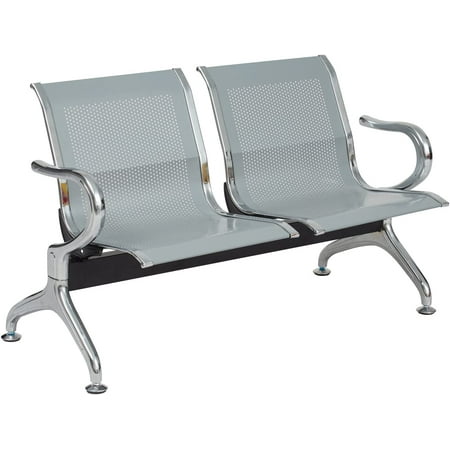
- Bench Seating (2-4 seats): Maximizes capacity in linear spaces. Ideal for hallways or against walls. Ensure there is enough legroom.
- Modular / Linked Seating: Chairs that bolt together. This creates a neat, organized row, prevents chairs from shifting, and simplifies cleaning underneath.
- Stackable Chairs: Perfect for multi-purpose rooms or offices that need to clear the space for after-hours events. They store compactly.
4. Comfort & Ergonomics for Waiting
While not a task chair for 8-hour workdays, a waiting chair must remain comfortable for 15-45 minute periods. Key features:
- Seat Depth & Width: A seat depth of 18-20 inches accommodates most adults. Avoid overly deep seats that pressure the back of the knees.
- Lumbar Support: A slight curve or contour in the backrest provides essential support, reducing fatigue.
- Cushion Density: High-resilience foam (HR foam) maintains its shape and doesn't bottom out. Look for foam density of at least 2.0 lbs/ft³ for longevity.
- Armrests: Essential for elderly patients. They should be sturdy and at a height that allows for natural arm positioning.
5. Durability & Maintenance: The Long-Term View
A medical waiting room sees heavy traffic. Chairs must withstand thousands of sits and stands.
- Frame Construction: Welded steel frames are the most durable. Look for powder-coated finishes to prevent rust.
- Joining Method: Avoid chairs held together solely by staples. Reinforcement with glue and dowels or welding indicates better quality.
- Cleanability: Seams should be heat-sealed or well-stitched to prevent liquid seepage. Removable seat cushions can be a bonus but must be easy to reinstall.
Comparing Medical-Grade Waiting Chair Materials
| Material | Infection Control | Comfort | Durability | Maintenance | Best Use Case |
|---|---|---|---|---|---|
| Healthcare Vinyl | Excellent (Non-porous, bleach-cleanable) | Good (Modern versions are soft & breathable) | Excellent (10+ years) | Easy (Wipe clean) | High-traffic areas, exam rooms, pediatrics |
| Polyurethane (PU) | Excellent | Very Good (Softer than vinyl) | Very Good (8+ years) | Easy | Mid to high-traffic waiting areas |
| Medical-Grade Fabric | Good (with antimicrobial treatment) | Excellent (Breathable, warm) | Good (5-7 years) | Moderate (Vacuum, spot clean) | Low-traffic, specialty clinics (e.g., therapy) |
| Leather (bonded/top-grain) | Good | High | Varies (Top-grain is durable) | Moderate (Conditioning needed) | Executive health suites, dentist offices |
Step-by-Step Guide to Selecting Your Medical Waiting Room Chairs
Step 1: Measure Your Space
Create a floor plan. Measure the length of walls. Account for door swings, walkways (at least 36" for ADA compliance), and space for wheelchair parking (not in the main aisle). Sketch where chairs will go.
Step 2: Calculate Capacity
Using your plan, determine how many linear feet of seating you need. A standard chair is roughly 22-26 inches wide. For 10 chairs in a row, you'll need about 20-22 feet of wall space. Don't forget end tables and space for plants or magazines.
Step 3: Prioritize Features
Make a checklist. Is infection control your top priority? → Choose vinyl. Do you see many bariatric patients? → Source specific bariatric chairs. Is budget tight? → Look for stackable or durable mid-range vinyl chairs with good warranties.
Step 4: Test Samples
Always request fabric and color samples. If possible, test a sample chair. Have staff sit in it. Clean it with your standard disinfectant to ensure compatibility. Check for any sharp edges or unstable legs.
Step 5: Review Warranties
Commercial-grade medical chairs should come with substantial warranties. Look for at least: 10 years on frame, 5 years on foam, 3 years on upholstery. A strong warranty indicates manufacturer confidence.
Budget Tiers for Medical Waiting Room Seating
Value
Basic vinyl, standard foam, limited color options. Suitable for low-volume practices or budget-conscious start-ups.
Mid-Range
Better ergonomics, higher-resilience foam, more durable vinyl, better color selection. Sweet spot for most clinics.
Premium
Designer styles, advanced ergonomics, top-tier materials (e.g., European vinyl), bariatric capacities, extensive warranties. For prestigious practices.
Frequently Asked Questions About Medical Waiting Room Chairs
Conclusion: Creating a Welcoming and Safe Patient Environment
Selecting the right waiting room chairs medical office requires balancing patient comfort, rigorous hygiene standards, and long-term durability. By prioritizing materials like medical-grade vinyl, planning for patient diversity, and choosing robust construction, you create a waiting area that reduces anxiety and reflects the quality of care you provide.
Remember, these chairs are not just furniture—they are part of the patient experience. Invest wisely, maintain them regularly, and your waiting room will serve as a calm, professional gateway to your practice for years to come. Use the filters above to explore specific models that meet your clinic's unique needs.