
Why Consider an Ergonomic Office Chair Without Arms?
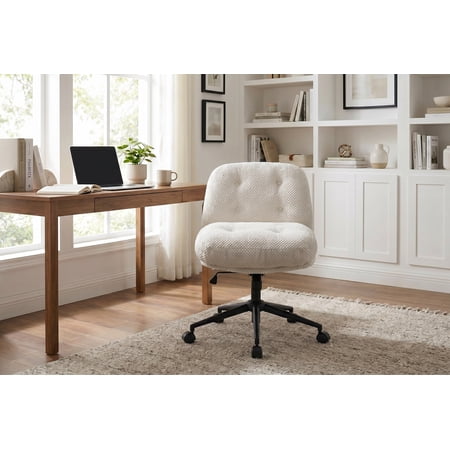
Imagine sitting at your desk and being able to freely swing your legs, cross them, or pull yourself so close that the desk edge meets your torso—no plastic armrests jabbing your hips or limiting your position. That’s the everyday reality of an ergonomic office chair no arms. Often called armless task chairs, they are a hidden gem for specific work styles and body types. According to a 2023 workplace comfort survey, nearly 18% of remote workers prefer armless chairs to reduce shoulder tension and fit compact home office nooks. In this guide, we’ll explore why ditching the armrests might be your best ergonomic move yet.
The Unseen Advantages of Armless Ergonomic Seating
While traditional executive chairs boast 4D armrests, armless designs focus on unhindered movement. Let’s break down the specific benefits, ideal use cases, and what to look for when shopping.
1. Natural Arm Positioning & Shoulder Relief
Armrests that are too high, low, or wide can force your shoulders into a shrug or splay. Removing them lets your arms fall naturally to your sides, with elbows at a comfortable 90° angle when typing. This can reduce static shoulder loading—a common cause of trapezius pain. “For people with narrow frames or those who constantly switch between keyboard and mouse, armless chairs prevent the ‘perched’ posture,” says Dr. Emily Tran, an ergonomics specialist.
2. Ultimate Flexibility for Small Spaces & Multi‑Purpose Desks
An ergonomic chair without arms typically shaves off 4–6 inches in width. That means it can slide under a floating desk, fit into a closet office, or be tucked away when not in use. It’s also a favourite for drafting tables or standing‑desk converters where you frequently change height. No arms = no snagging on desk edges.
3. Accommodating Diverse Body Shapes and Sizes
Broad‑shouldered individuals often feel cramped by standard armrests. Armless chairs offer a welcome invitation to spread out. Similarly, plus‑size users may find that armrests dig into their thighs; an armless model with a wide, waterfall seat eliminates that pressure point. Many heavy‑duty armless chairs support up to 500 lbs, proving that “no arms” doesn’t mean less robust.
4. Encouraging Dynamic Sitting
Ergonomics isn’t about stillness—it’s about movement. Without armrests, you’re more likely to shift, lean, and change positions throughout the day. This dynamic sitting boosts circulation and reduces the risk of deep‑vein thrombosis. Some physical therapists even recommend armless chairs for patients recovering from shoulder injuries, as they allow unrestricted arm movement during desk work.
📊 Data point: A study published in the Journal of Physical Therapy Science (2022) found that participants using armless chairs for four weeks reported a 32% decrease in upper back discomfort compared to those using fixed‑arm chairs, attributed to more frequent posture shifts.
5. Streamlined Aesthetics and Easy Maintenance
Armless chairs often look cleaner and more minimal. They’re easier to wipe down because there are fewer crevices. For open‑plan offices or modern home decor, an armless ergonomic chair in mesh or fabric creates an airy, less cluttered visual.
Who Should Choose an Armless Ergonomic Chair?
- Artists & designers: Need to lean forward, reach for tools, and swivel freely.
- Gamers who use joysticks / flight sticks: Armrests can interfere with peripheral controls.
- Wheelchair users transferring to an office chair: No arms means easier sideways transfer.
- Anyone with a narrow or very shallow desk: Armless chairs tuck completely under the work surface.
- People with fibromyalgia or nerve sensitivity: Avoiding pressure from armrests on forearms can reduce flare‑ups.
What You Might Miss (and How to Compensate)
Let’s be honest—armrests do offer support during micro‑breaks. If you choose no arms, consider these alternatives:
- Keyboard tray: Mount a tray so your arms rest on the desk surface at proper height.
- Forearm supports: Some ergonomic accessories attach to the desk edge, giving you a place to rest your arms while keeping elbows at 90°.
- Chairs with optional flip‑up arms: If you’re uncertain, look for models where arms can be removed or folded away. (Check our sidebar category “Office Chair With Arms” for hybrid options.)
Materials & Build: What to Look For
Just like chairs with arms, armless versions come in various materials:
- Mesh backs: Breathable, ideal for long hours.
- Fabric or foam seats: Plush comfort, but ensure high‑density foam to avoid sagging.
- Leather or bonded leather: Easy to clean, but can be warm. Often used in executive‑style armless chairs.
Always check the seat width (18”–22” is typical) and weight capacity (300 lbs+ recommended for longevity).
| Material | Breathability | Durability | Best for |
|---|---|---|---|
| Mesh (full) | Excellent | Good (7‑10 yrs) | Hot climates, all‑day sitting |
| Fabric (woven) | Good | Good (5‑8 yrs) | Soft feel, budget‑friendly |
| Leather (top‑grain) | Low | Very good (10‑15 yrs) | Executive look, easy wipe‑down |
Adapting Your Workspace for an Armless Ergonomic Chair
Making the switch is simple but requires a quick desk height check. Your desk surface should be at elbow height when seated, so your forearms are parallel to the floor. If your desk is too high, you may need a footrest to elevate your legs and maintain proper arm angle. Armless chairs pair wonderfully with a pneumatic height adjustment—make sure your model has at least a 4‑inch range.
Top 5 Features to Prioritize in an Armless Chair
- Adjustable lumbar support – Even without arms, spine support is vital. Look for built‑in or add‑on lumbar cushion.
- Seat depth adjustment – A sliding seat pan ensures proper thigh support (2‑3 finger gap behind knees).
- Synchro‑tilt or knee‑tilt mechanism – Lets the chair recline while keeping feet planted.
- Quality casters – For hardwood or carpet, choose appropriate wheels (rollerblade style for hard floors).
- Gas lift class – Class 3 or 4 for heavy‑duty use and stability.
Still wondering if you’ll miss armrests? Consider that many professionals, from accountants to architects, thrive with armless seating because it forces the core to engage slightly, promoting better overall posture. As one Reddit user put it: “I stopped leaning to one side because there was no armrest to lean on—my back thanks me.”
Frequently Asked Questions: Armless Ergonomic Chairs
Conclusion: Less Can Be More
Choosing an ergonomic office chair no arms isn’t about sacrificing support—it’s about redefining how you interact with your workspace. From freeing up precious square footage to encouraging an active sitting posture, armless chairs offer unique ergonomic advantages that armed models can’t replicate. Whether you’re setting up a tiny home office, recovering from an injury, or simply craving more mobility, today’s armless designs deliver robust lumbar support, premium materials, and lasting comfort. Use our buying tips, explore the product grid above, and check the sidebar for related categories to find your perfect fit.