
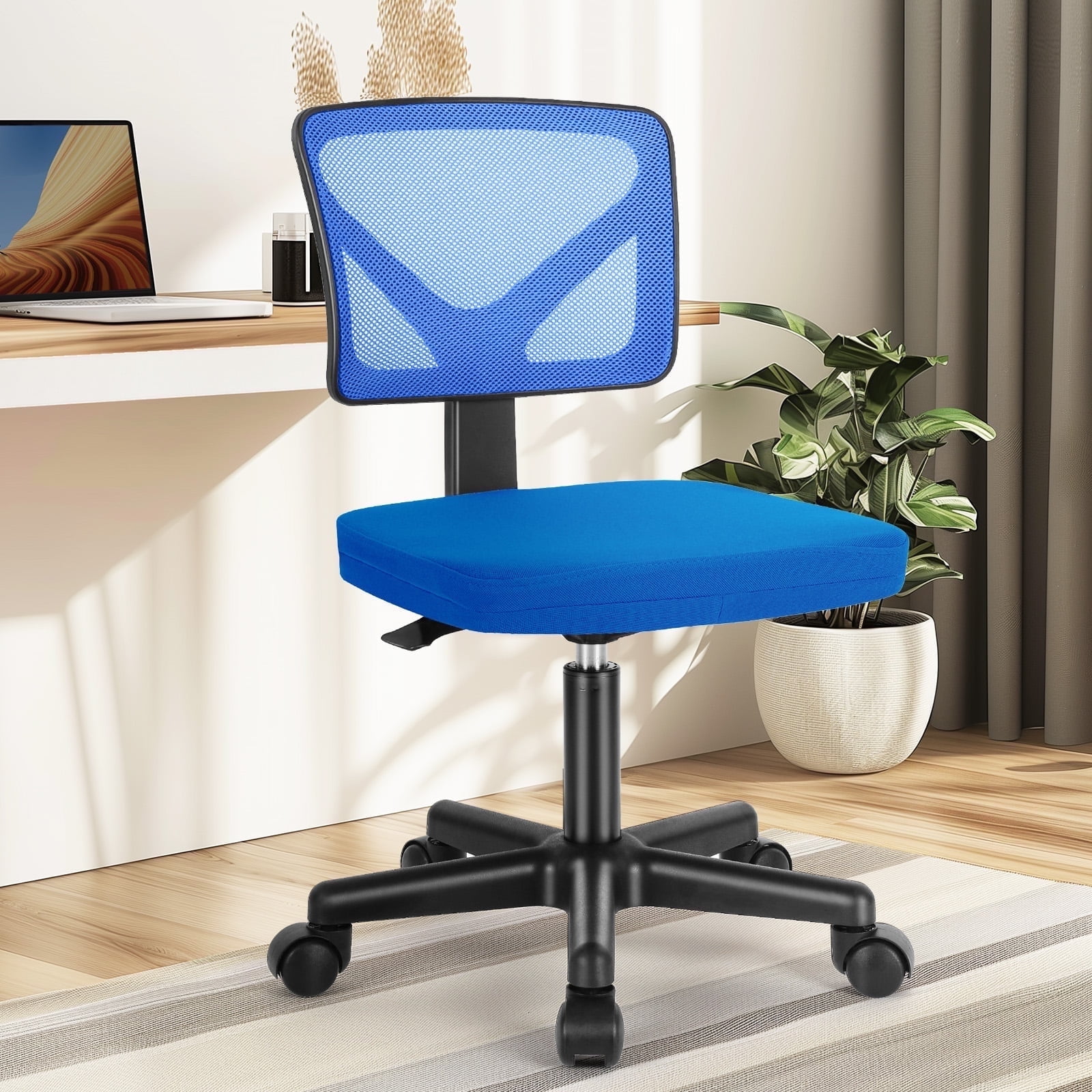
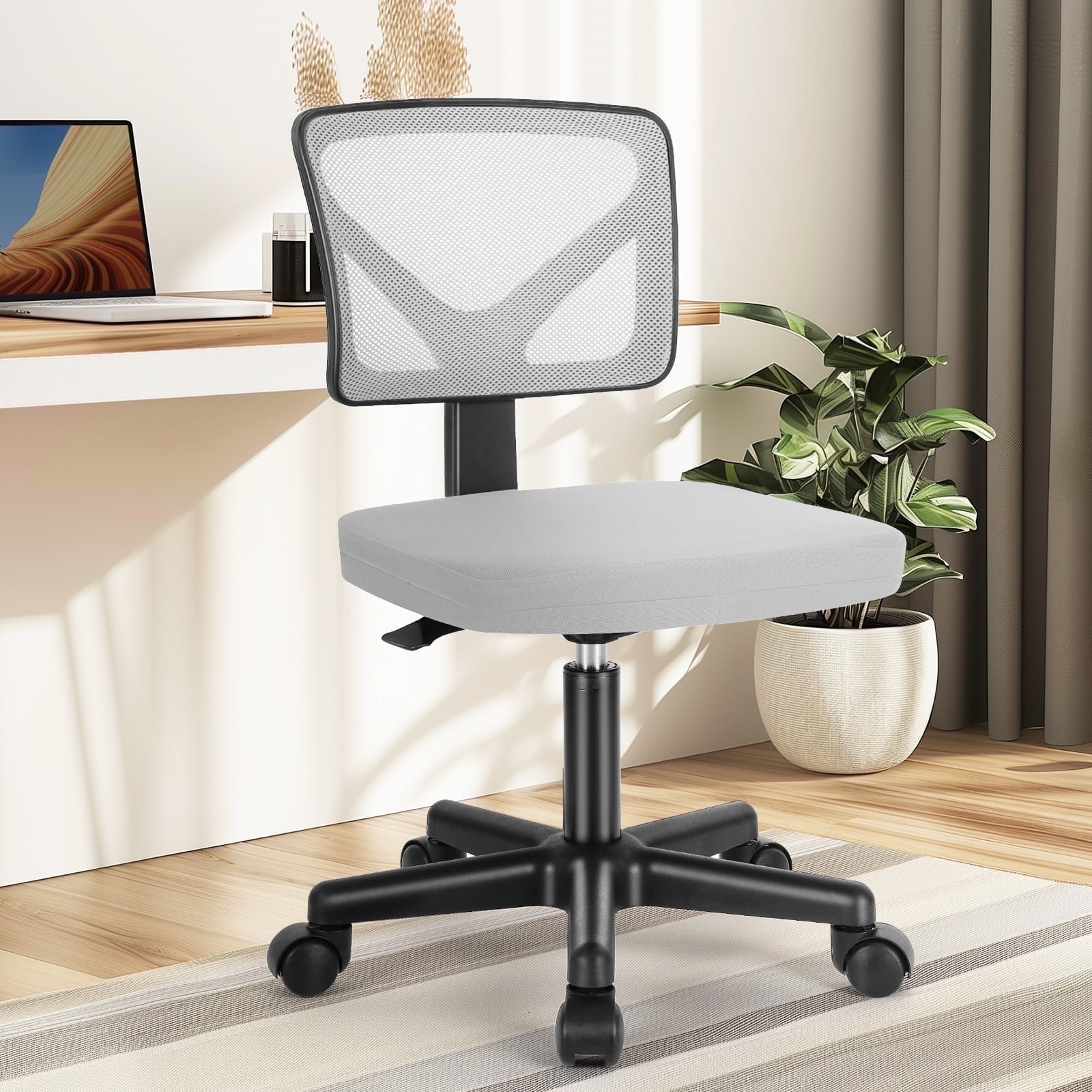
Why a Small Space Ergonomic Office Chair is a Game-Changer
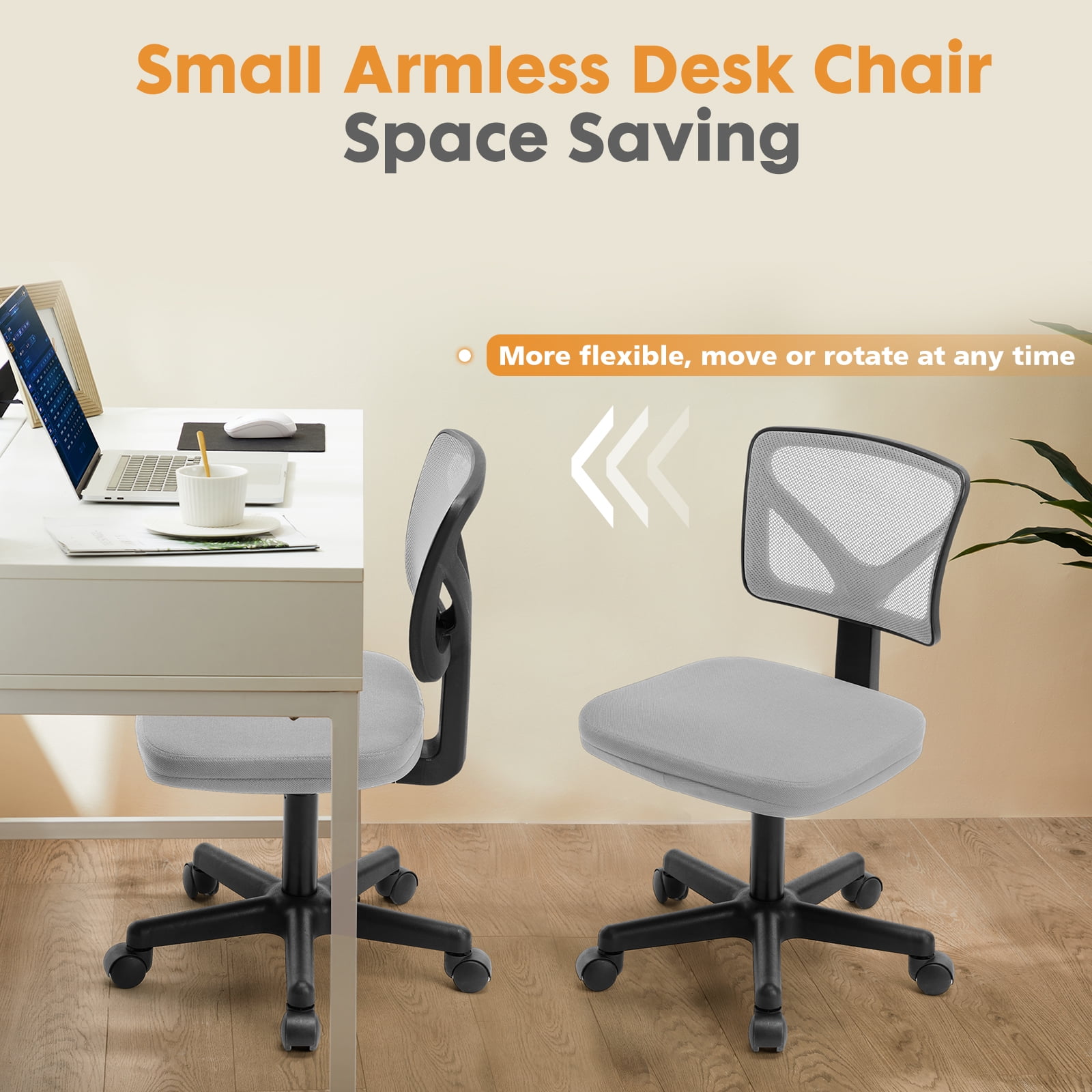
Working from a compact home office, a shared space, or a small apartment doesn't mean you have to settle for a basic, uncomfortable chair. The right small space ergonomic office chair combines a space-saving footprint with the essential ergonomic features that keep you productive, focused, and pain-free throughout the day. It's the smart solution for modern professionals who value both their health and their home aesthetics.
Design Insight: Studies show that workers in small spaces often experience higher stress levels when their environment feels cluttered. A compact, ergonomic chair can reduce visual clutter by up to 30% while providing the same level of support as larger executive models, directly contributing to a calmer, more productive mindset.
Key Characteristics of a True Space-Saving Ergonomic Chair
Not all chairs labeled "compact" deliver on ergonomics. Here's what to look for in a genuine small space ergonomic office chair that balances footprint with function:
- Slim Backrest Profile: Usually 18-20 inches wide, often made from breathable mesh to reduce bulk while maintaining lumbar support.
- Flip-Up or Adjustable Armrests: Allows the chair to be tucked completely under the desk, freeing up precious floor space when not in use.
- Narrow Seat Base: Compact seat width (typically 19 inches or less) that fits standard desk openings without sacrificing comfort for petite to average-sized users.
- Lightweight Construction: Easy to move around, which is essential in dynamic small spaces where furniture may need to be rearranged.
- Essential Adjustments: Height adjustment, tilt tension, and seat depth are still critical, even in a smaller frame, to accommodate different body types.
📏 Quick Measurement Guide for Your Space
Before purchasing a small space ergonomic office chair, take these three key measurements to ensure a perfect fit:
- Desk Opening Width: Measure the space between your desk legs or the width of your desk alcove. Aim for a chair at least 2 inches narrower than this measurement.
- Under-Desk Clearance: Measure the height from the floor to the underside of your desk. Your chair's seat height range should allow your thighs to fit comfortably with clearance.
- Overall Depth: Measure the distance from the back of your desk to any wall behind it. Choose a chair with a base depth that leaves room to recline slightly without hitting obstacles.
Design & Aesthetics: Blending Style with Function
A small space chair must also look good. The best small space ergonomic office chairs feature minimalist designs, neutral colors, and clean lines that don't overwhelm a room. Consider these aesthetic factors:
- Mesh Backs: Create an open, airy feel, making the chair visually less imposing.
- Light Upholstery: Light grey, beige, or white fabric can make a small space feel larger.
- Slim Casters: Dual-wheel casters are not only smooth-rolling but also have a smaller footprint than bulky single-wheel casters.
Top Materials for Compact Ergonomic Chairs
Material choice affects both the durability and the spatial feel of your chair:
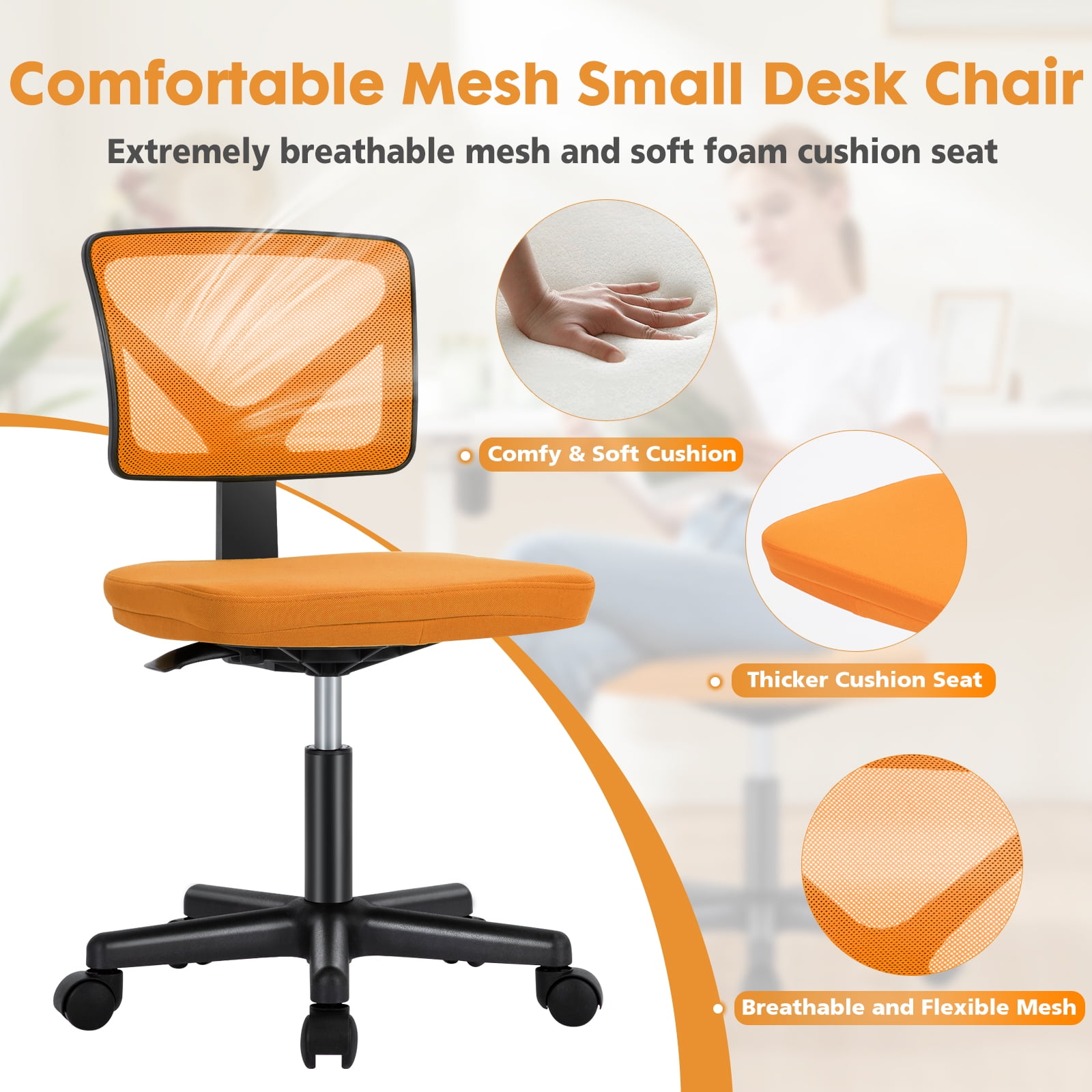
Breathable Mesh
Ideal for small spaces where air circulation is key. Mesh backs are typically thinner than padded backs, reducing visual weight. They also provide consistent support without overheating.
Performance Fabric
High-quality, stain-resistant fabric offers a soft, premium feel while maintaining a slim profile. Modern performance fabrics are durable and easy to clean, perfect for home offices.
Eco-Leather / Faux Leather
For a sleek, professional look, faux leather can be used in compact designs. Look for models with thinner padding to keep the profile trim, and ensure the material is breathable to avoid sweating.
Who Benefits Most from a Small Space Ergonomic Chair?
This category is perfect for a wide range of users, but especially:
- Apartment Dwellers: Those living in studio or one-bedroom apartments where every square foot counts.
- Home Office Hybrids: Professionals who use a desk that doubles as a dining or hobby table and need a chair that tucks away easily.
- Petite Users: Individuals who find standard office chairs too wide or deep, leading to poor posture. Compact chairs often fit smaller frames more naturally.
- Minimalists: Anyone who values a clean, uncluttered aesthetic and prefers furniture that is functional yet unobtrusive.
Ergonomics in a Smaller Package: What You Don't Have to Compromise On
A common misconception is that a smaller chair means fewer ergonomic features. In reality, quality small space ergonomic office chairs are engineered to include:
- Adjustable Lumbar Support: Often integrated into the backrest design, with some models offering height-adjustable lumbar pads.
- Seat Depth Slider: Allows users to adjust the seat pan to ensure proper thigh support without pressure behind the knees.
- 3D or 4D Armrests: Even in compact models, you can find armrests that adjust in height, width, and angle, ensuring a custom fit.
- Multi-Function Tilt Mechanism: Enables independent seat and back angle adjustments for dynamic sitting, which is crucial for spinal health.
Pro Tip: For the ultimate space-saving setup, pair your ergonomic chair with a standing desk converter. The chair's compact size makes it easy to slide under the desk when you switch to standing mode, keeping your workflow seamless and your space organized.