
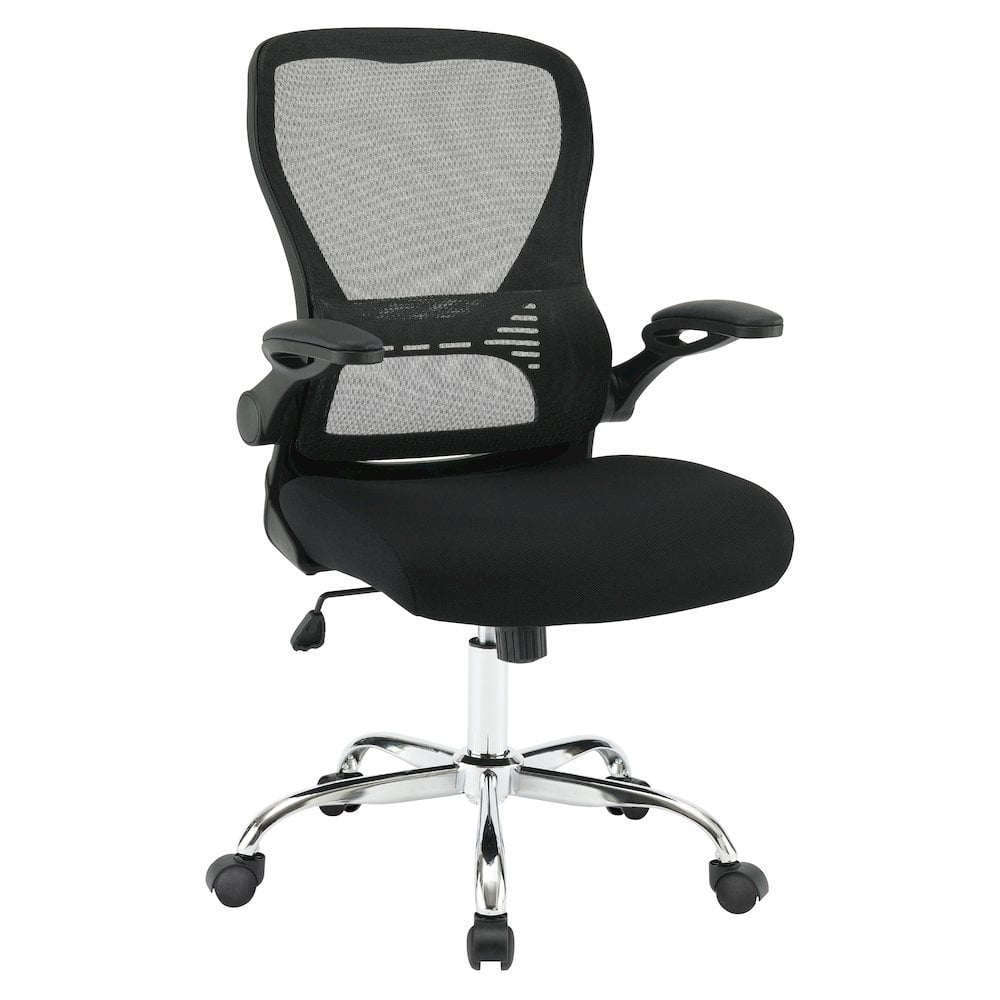
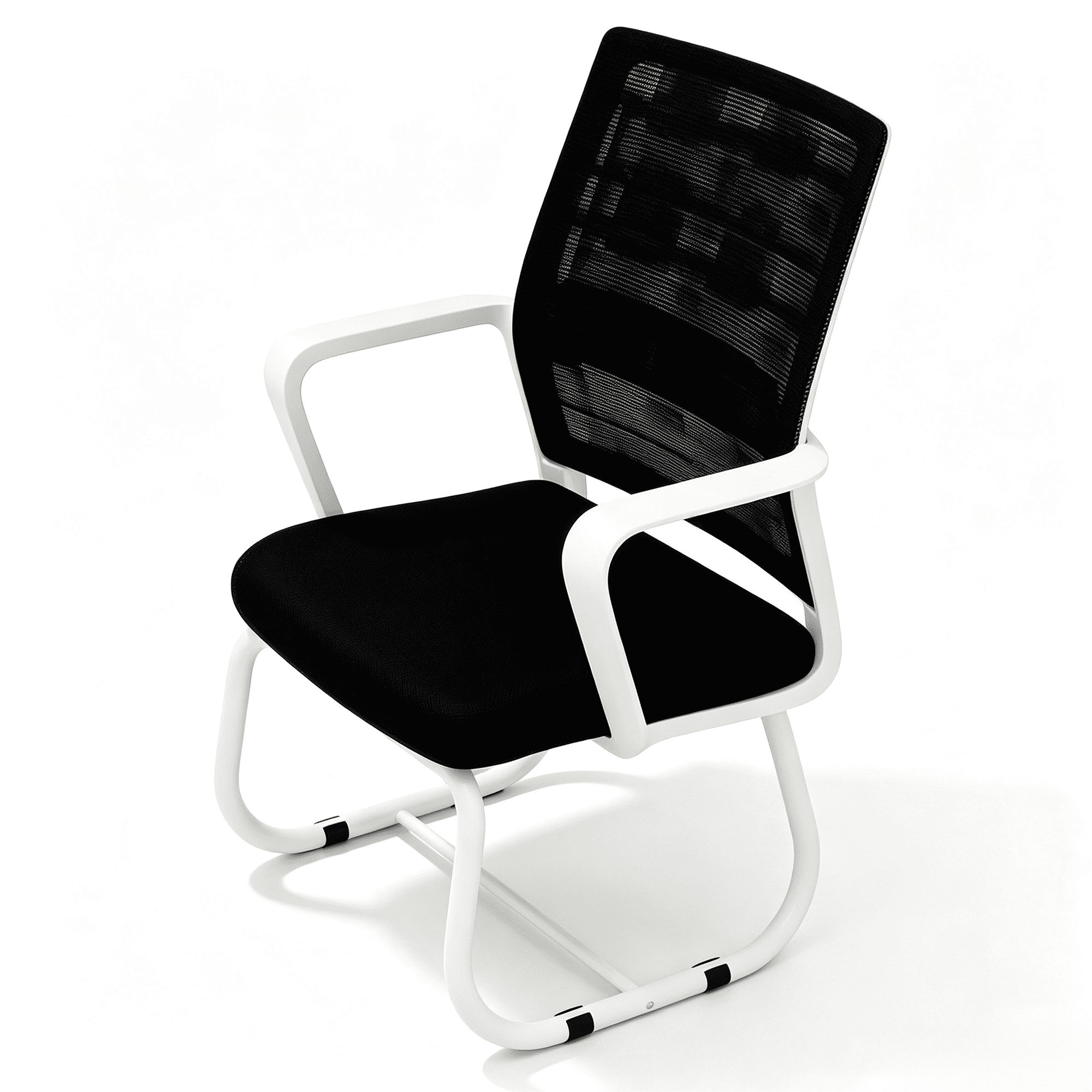
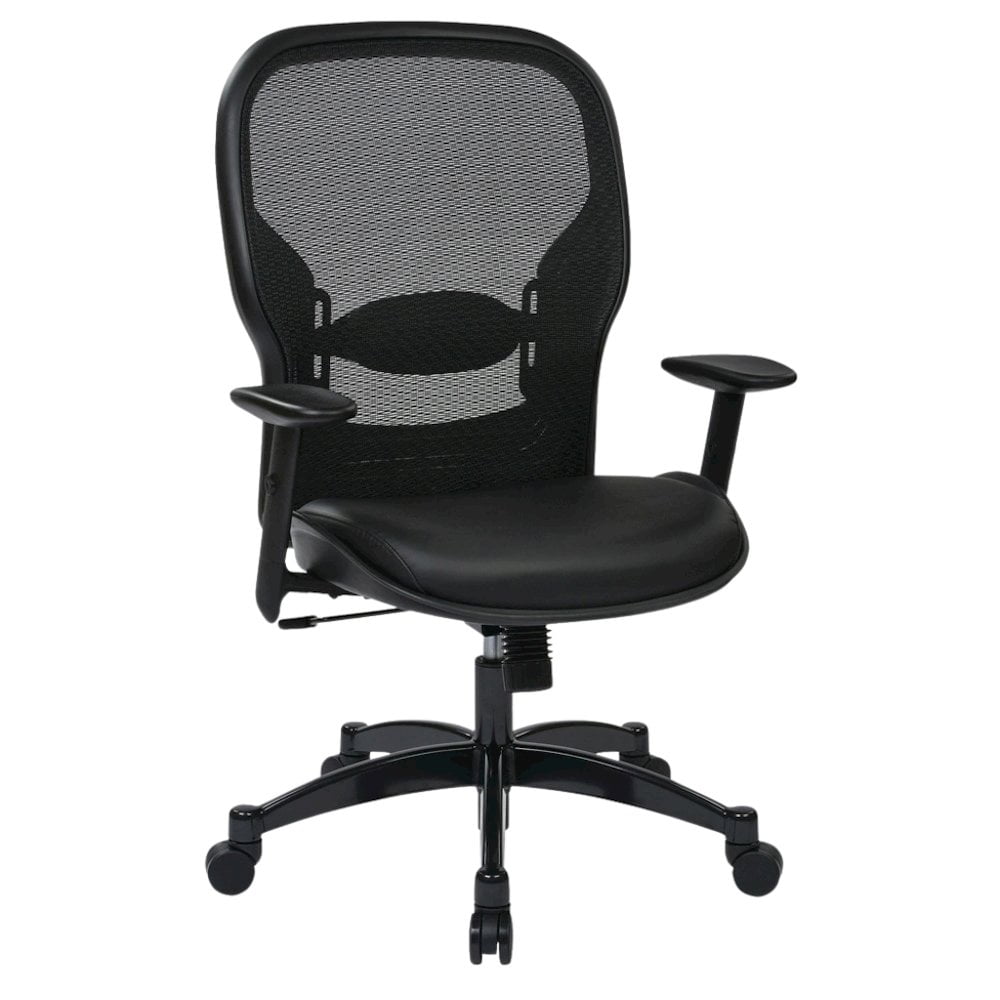
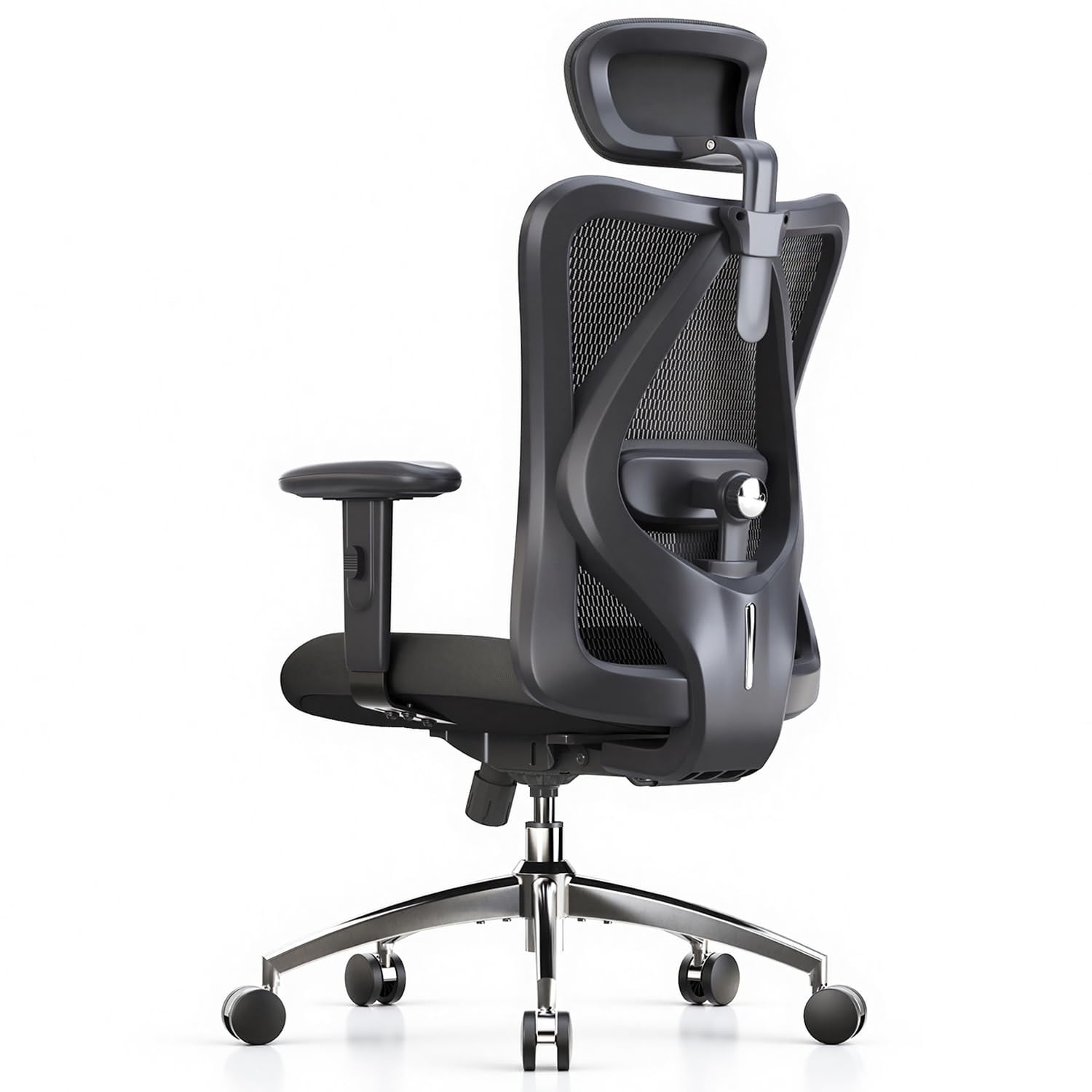
The New Heart of Your Home: Choosing the Right Office Chair for Home Use
The way we work has transformed. For millions, the daily commute is now just a few steps from the bedroom to the home office—or the kitchen table. Your chair is no longer just a piece of office furniture; it's part of your living environment. A well-chosen office chair for home use bridges the gap between professional ergonomics and domestic comfort. It’s the silent partner in your work-from-home success, influencing everything from your posture to your productivity.
Remote Work Reality: A study by Pew Research Center found that nearly 60% of Americans who can do their job from home are still working remotely all or most of the time. With the average home worker spending over 40 hours a week at their desk, a dedicated home office chair isn't a luxury—it's a necessity for long-term health.
Why a Dedicated Home Office Chair Matters
Using a dining chair or a couch for work might seem harmless for an hour, but over a week, it adds up to poor posture, back pain, and reduced focus. A proper home office chair is designed to support your body during dynamic work tasks—typing, thinking, video calls, and even the occasional moment of leaning back to read. Unlike generic seating, it offers adjustability that adapts to you, not the other way around.
Key Features of a Great Home Office Chair
When shopping for an office chair for home use, look beyond aesthetics. These functional elements separate a short-term fix from a long-term companion:
- Adjustable lumbar support: Your lower back needs consistent support. Look for chairs with a mechanism that moves up/down or in/out.
- Seat depth adjustment: A sliding seat pan ensures your thighs are supported without pressure behind the knees, vital for taller or shorter users.
- Breathable material: Mesh backs are fantastic for airflow, while fabric seats offer comfort. Avoid materials that make you sweat during long Zoom calls.
- Quiet, smooth-rolling casters: Home floors vary (hardwood, tile, carpet). Choose chairs with wheels suited for your floor type to protect your flooring and move silently.
- Compact or adjustable armrests: Armrests should allow you to relax your shoulders. In a home setting, the ability to adjust them width-wise or flip them up can help you tuck the chair away when not in use.
Material Matters: Finding Your Home Vibe
Your home office likely reflects your personal style. The chair's material plays a huge role in both comfort and aesthetics.
- Mesh: The champion of breathability. Ideal for those who run warm or live in hotter climates. Modern mesh chairs often have a sleek, professional look that blends into modern homes.
- Fabric: Offers warmth and a soft feel. Available in countless colors and patterns, fabric chairs can add a cozy, inviting touch to a home office. Look for high-quality, durable weaves that resist wear.
- Leather/Faux Leather: Easy to wipe clean and projects a classic, executive image. However, it can be less breathable. In a home setting, a leather chair can act as a statement piece.
- Combination: Many chairs now combine materials, like a mesh back with a fabric or cushioned seat, offering the best of both worlds: breathability where you need it and comfort where you sit.
Ergonomics Meets Home Life: What to Prioritize
Think of your chair as a tool you'll use daily. Here is a quick guide to matching your needs:
| Your Home Office Style | Chair Priority | Why It Matters |
|---|---|---|
| Multi-purpose room (living/dining area) | Aesthetics & Mobility | A chair that looks good and can be easily moved or tucked away. Consider armless designs or chairs with a refined silhouette. |
| Dedicated home office (8+ hours/day) | Advanced Ergonomics | Invest in full adjustability: 4D armrests, independent lumbar, seat depth, and tilt tension. Your body will thank you. |
| Shared workspace (with partner or kids) | Quick Adjustability | Look for gas lifts and easy-to-use levers so multiple users can quickly set the chair to their preferred height and position. |
| Small apartment/compact space | Scale & Size | Measure your space. Seek out "small" or "compact" office chairs that offer full ergonomics without a bulky frame. |
The "Goldilocks" Principle: Finding Your Perfect Fit
Selecting a home office chair is a personal journey. Here’s a step-by-step approach to ensure you find the one that's "just right":
- Measure your space: Note the width and depth of the area where the chair will sit. Ensure there's room to move and that the chair won't obstruct pathways.
- Check your desk height: Sit in a standard chair and measure from the floor to your elbow. Your new chair's armrests (if any) should ideally be adjustable to this height.
- Identify your pain points: Do you suffer from lower back ache? Prioritize lumbar support. Do your legs feel cramped? Look for seat depth adjustment. Do your shoulders get tight? Ensure the backrest is tall enough.
- Read between the lines of reviews: Look for comments about "sitting for 8 hours," "easy assembly," or "good for petite/tall users" that match your profile.
- Consider the casters: If you have hardwood floors, get soft rubber casters (often called "hardwood floor casters") to prevent scratches and noise.
Health Benefits: More Than Just Comfort
The right office chair for home use actively contributes to your physical well-being. It's not just about feeling good; it's about staying healthy. Proper seating can help:
- Reduce spinal stress: By maintaining the natural S-curve of your spine, a good chair minimizes disc pressure.
- Improve circulation: A seat with a "waterfall" front edge prevents pressure on the back of your thighs, allowing blood to flow freely.
- Decrease fatigue: When your body is properly supported, your muscles can relax, reducing overall tiredness at the end of the day.
- Enhance focus: Discomfort is a major distraction. A chair that fits you well frees your mind to concentrate on work.
Style Guide: Making Your Chair a Part of Your Home
Gone are the days when office chairs were purely utilitarian blocks of black mesh. Today's home office chairs come in a spectrum of styles:
- Mid-Century Modern: Think wood accents, tapered legs, and gently curved backrests in vibrant fabrics or leather.
- Scandinavian Minimalist: Clean lines, light woods, and neutral fabrics that create an airy, uncluttered feel.
- Industrial Loft: Metal frames, exposed mechanics, and materials like recycled leather or tough canvas.
- Contemporary Ergonomic: Sleek, sculptural forms often in white, grey, or black mesh with highly visible adjustment mechanisms—a statement of function.
Budgeting for Your Home Office Throne
Investing in a quality chair is investing in yourself. While you can find chairs under $100, they often lack durability and support. Think of the cost-per-use: a $400 chair that lasts 5 years costs about 22 cents per workday. Here’s a realistic budget breakdown:
- Entry-Level ($100 - $250): Basic adjustability (height, tilt). Good for occasional use or a secondary workspace. Often uses simpler materials.
- Mid-Range ($250 - $500): The sweet spot for most home offices. Better lumbar support, more durable materials (often mesh or quality fabric), and additional adjustments like seat depth.
- Premium ($500 - $1,000+): High-end ergonomics, superior build quality, advanced mechanisms, and often a longer warranty. Chairs in this range are built to last a decade or more.