
Why Your "Work From Home" Chair Matters More Than You Think
Transitioning from a corporate office to a home office blurs the lines between our professional and personal lives. You might be sitting at the same desk where you pay bills or browse social media. This shift makes choosing the right office chair for work from home critically important. It's the physical anchor that signals to your brain, "It's time to work," while also protecting your body from the strains of a sedentary lifestyle.
The WFH Reality Check: A study by Pew Research Center found that while many enjoy working from home, a significant number struggle with creating a proper ergonomic setup. An improper chair is the number one cause of new-onset back pain for remote workers. Investing in a dedicated WFH chair is investing in your long-term health and career sustainability.
Key Features of a Great WFH Office Chair
Unlike a generic desk chair, a chair designed for the work-from-home lifestyle needs to be versatile, comfortable for extended periods, and often, visually pleasing for your home environment. Here's what to look for:
- Ergonomic Adjustability: The ability to customize seat height, backrest angle, and lumbar support is non-negotiable for all-day comfort.
- Sustainable Comfort: Look for high-density foam or breathable mesh that won't flatten out after a few months of full-time use.
- Quiet Mobility: Smooth-rolling casters that work well on hard floors or carpets without squeaking are a must for a peaceful home environment.
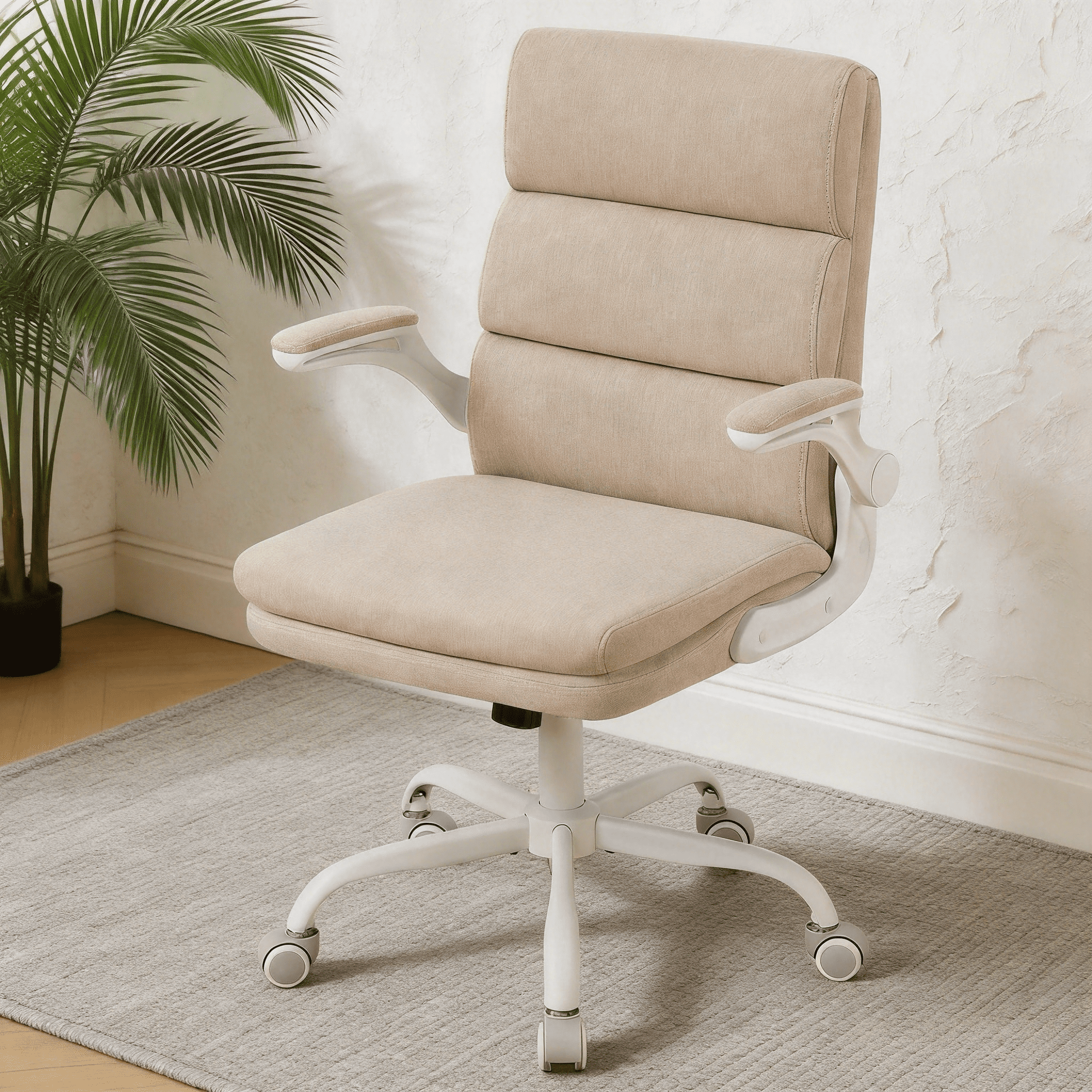
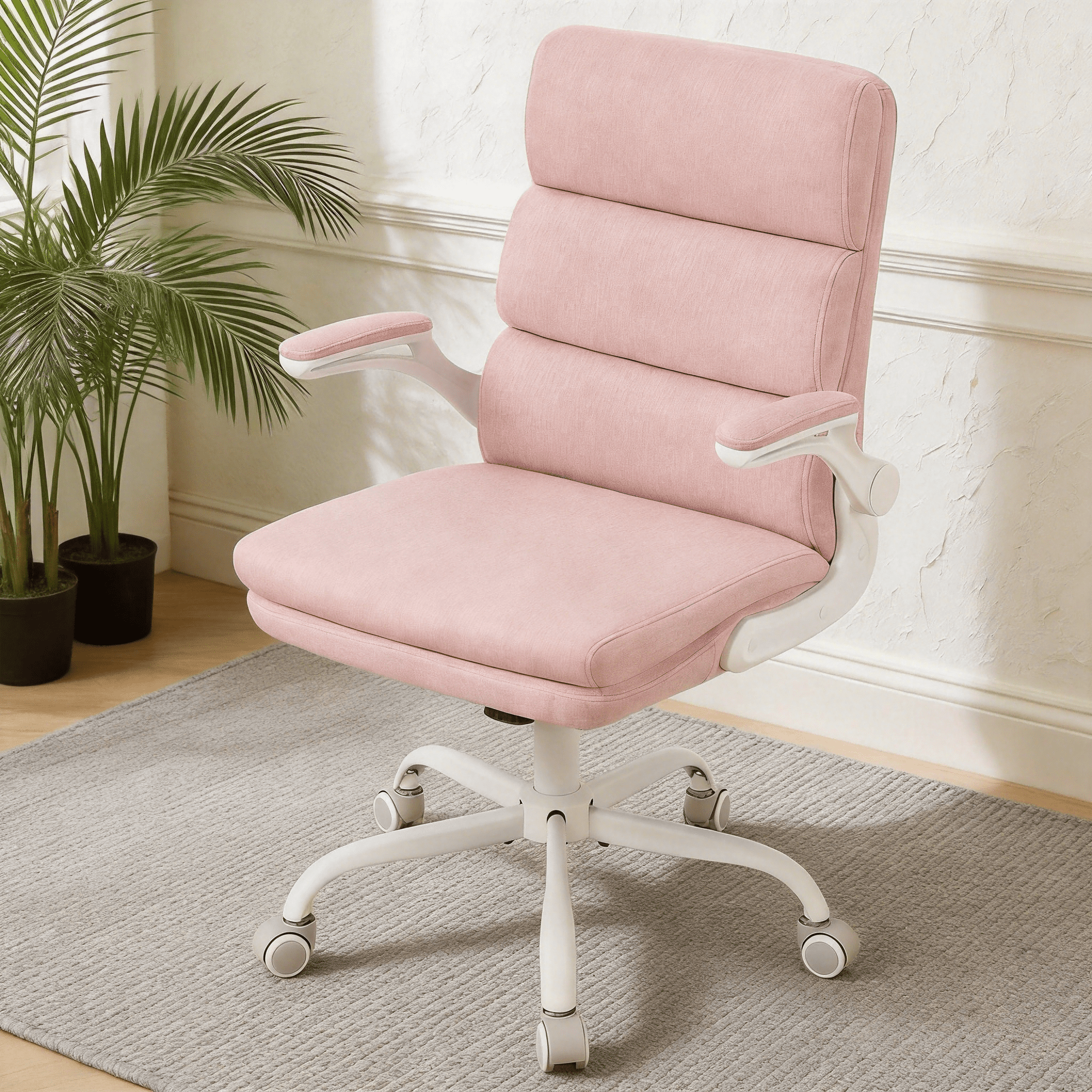
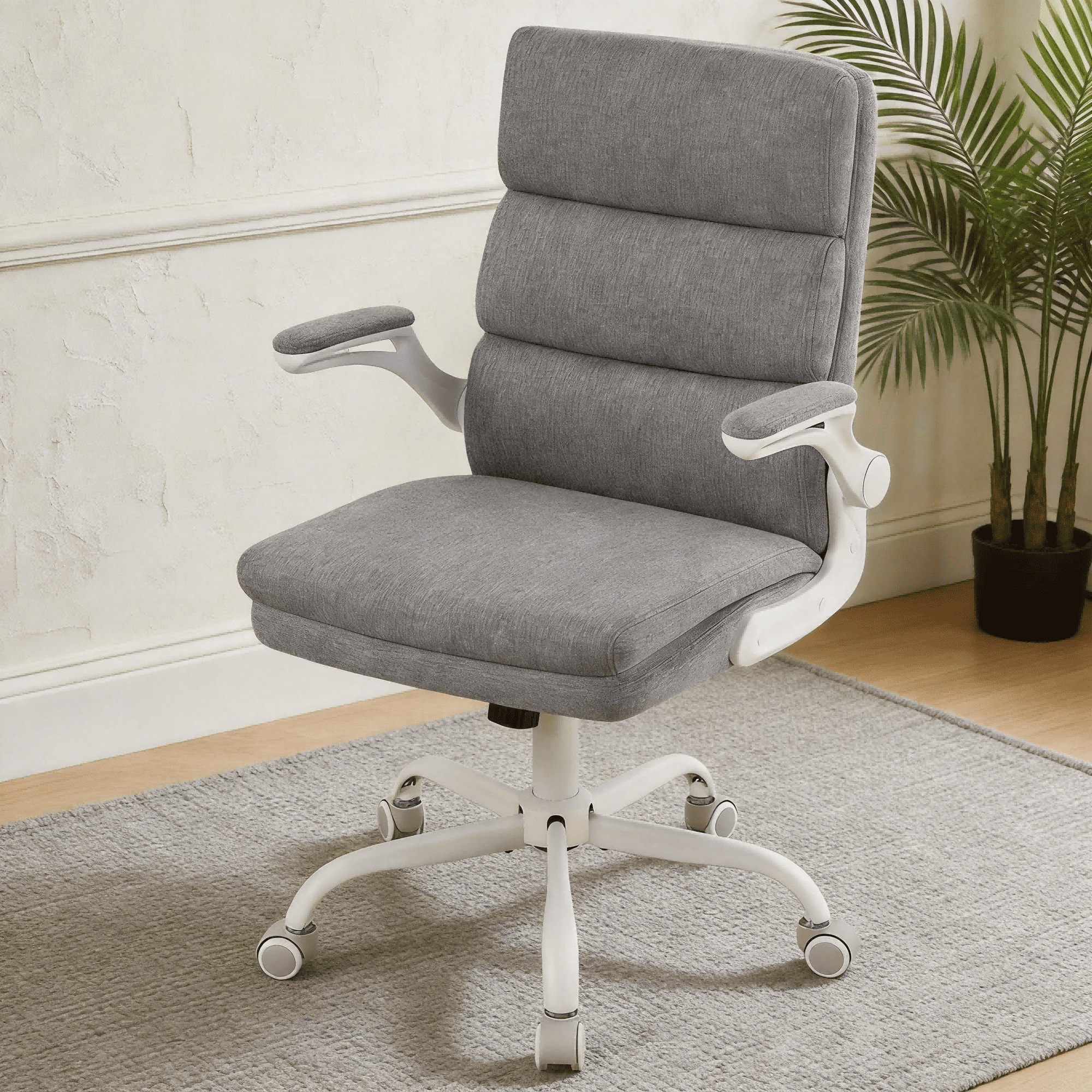
- Aesthetic Appeal: Your chair should complement your home decor, not clash with it. Modern, minimalist designs are increasingly popular for home offices.
- Compact Footprint: For smaller spaces, a chair with a smaller base or one that can be easily tucked away can be a game-changer.
Ergonomics 101: Setting Up Your WFH Chair for Success
Buying a great ergonomic chair is only half the battle; you need to set it up correctly. Think of your chair as a piece of performance equipment that needs tuning. Follow this simple guide to dial in your perfect sitting posture:
- Seat Height: Adjust it so your feet are flat on the floor, with your knees at a 90-degree angle. Your thighs should be parallel to the ground.
- Seat Depth: There should be 2-3 finger widths of space between the back of your knee and the seat pan. This prevents circulation issues.
- Backrest Recline: Use a slight recline (100-110 degrees) to reduce pressure on your spinal discs. Don't sit ramrod straight all day.
- Lumbar Support: The curve of the chair should fit snugly into the small of your back. Adjust it up or down to hit the right spot.
- Armrests: Position them so your shoulders are relaxed and your elbows form an L-shape, with your forearms parallel to the floor.
The Cost of Comfort: Budgeting for Your Home Office Chair
It's tempting to grab a cheap chair from a big-box store, but this often leads to discomfort and replacement within a year. A quality office chair for work from home is an investment. Here’s a realistic breakdown of what you can expect to pay:
| Price Range | What to Expect | Best For |
|---|---|---|
| $100 - $250 | Basic ergonomic features, likely mesh or fabric. May lack advanced adjustments like seat depth or 4D armrests. | Part-time home workers, students, or those on a strict budget. |
| $250 - $500 | The "sweet spot." Good build quality, better materials, and more adjustments. You'll find reputable brands and better lumbar support here. | Full-time remote employees who spend 30-40 hours a week in their chair. |
| $500 - $1,000+ | Premium ergonomic chairs with advanced mechanisms, superior materials (like high-grade mesh or leather), and extensive warranties. | Executives, professionals with specific back issues, or those wanting the absolute best in long-term durability and comfort. |
Health Benefits of a Dedicated Work-From-Home Chair
The connection between your chair and your health is direct and significant. Here’s how a good chair actively contributes to your wellbeing:
Reduced Musculoskeletal Pain
Proper lumbar support can decrease lower back pain by up to 50%, according to ergonomic studies.
Improved Focus & Productivity
When you're not distracted by an aching back or numb legs, your brain can dedicate 100% of its energy to your tasks.
Better Posture & Core Engagement
A chair with good support encourages you to sit properly, subtly engaging your core muscles and preventing slouching.
Mental Boundary Setting
Having a specific, comfortable work chair helps create a psychological boundary between "work mode" and "relax mode" in your home.