
Why Your Small Space Needs a Dedicated Small Home Office Chair
Working from home has become the new normal for millions, but not everyone has a sprawling home office. Many of us carve out a workspace in a bedroom corner, a living room nook, or even a closet-office. In these tight quarters, a full-size executive chair simply won't do. That's where the small home office chair steps in—a compact powerhouse designed to fit petite spaces without compromising on support or style.
According to a recent interior design survey, 47% of home workers report that their workspace is less than 50 square feet. In such areas, every inch counts. A bulky chair can make a room feel cramped and hinder movement. A thoughtfully designed small office chair, however, becomes an asset: it tucks away neatly, rolls smoothly, and provides the ergonomic support you need to stay productive.
Ergonomics in miniature: Don't let the word "small" fool you. Modern compact chairs incorporate features like adjustable lumbar support, waterfall seats, and synchro-tilt mechanisms—all within a frame that respects your floor plan.
What Defines a "Small Home Office Chair"?
It's not just about being physically smaller. A true small home office chair is engineered with proportions that suit both the user and the environment. Key characteristics include:
- Reduced footprint: Typically a base diameter under 25 inches and seat width between 18-20 inches.
- Lower back height: Often mid-back or low-back designs that don't visually overwhelm a small room.
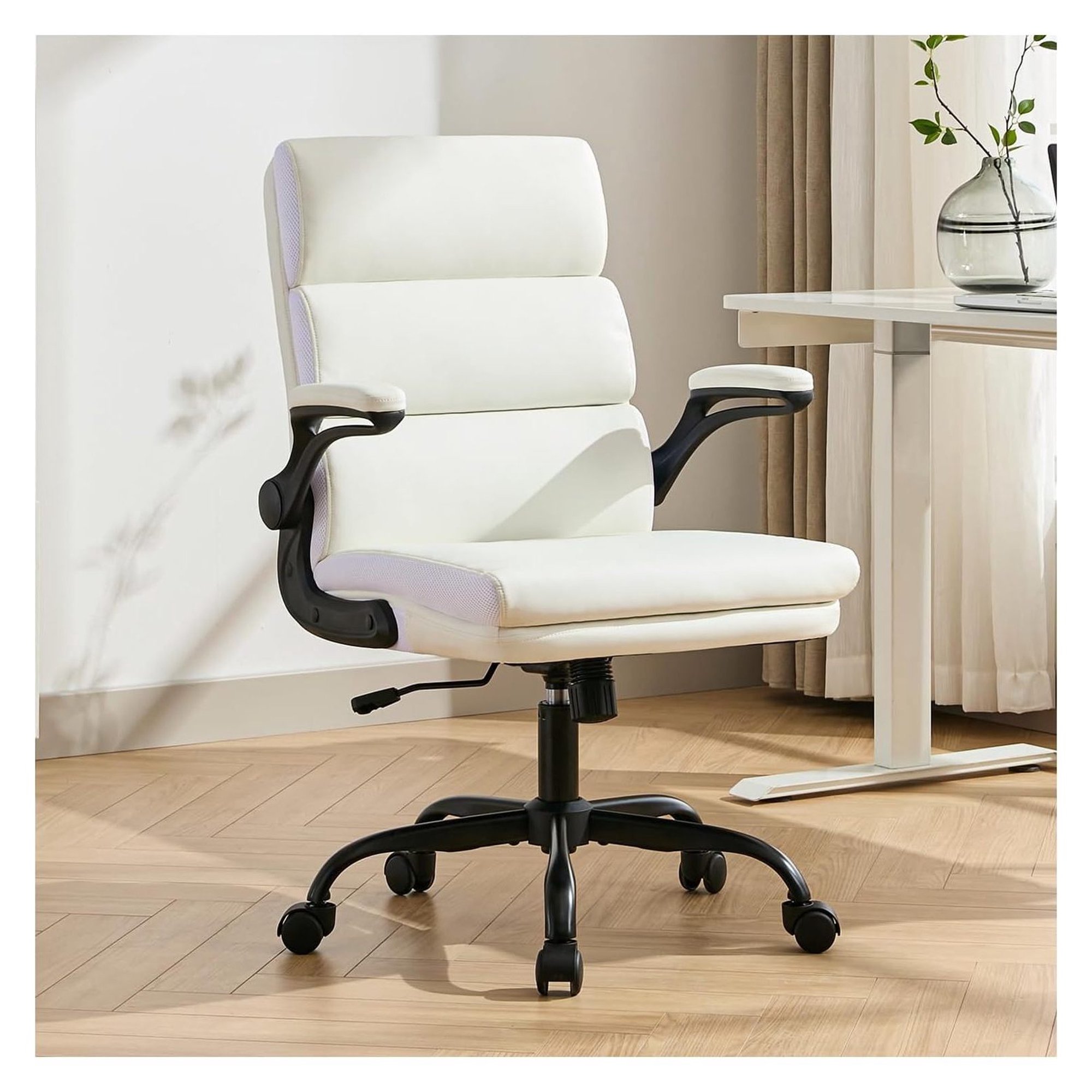
- Armless or flip-up arms: Allows the chair to slide completely under a desk, saving space when not in use.
- Lightweight construction: Easier to move around in a confined area.
- Proportional aesthetics: Designed to look balanced next to a compact desk or table.
Space-Saving Features vs. Ergonomic Needs: A Balancing Act
Choosing a compact chair often means making trade-offs. Use this comparison to decide what matters most for your setup.
| Feature | Space-Saving Benefit | Ergonomic Consideration |
|---|---|---|
| Armless design | Slides under desk, width reduction up to 6 inches | May lack arm support; consider if your tasks require resting elbows |
| Low back / mid back | Visual lightness, fits under overhead cabinets | May offer less neck support; ideal if you don't lean back frequently |
| Smaller seat pan | Leaves more legroom in the room | Must still support your thighs; check seat depth adjustability |
| Thinner padding | Sleeker profile, easier to move | Look for high-density foam to maintain comfort without bulk |
| Compact base (23" span) | Fits in tight corners, easier maneuvering | Ensure stability; 5-point base still required for safety |
5 Essential Steps to Choose Your Ideal Small Home Office Chair
Follow this numbered guide to narrow down the options and find the perfect match for your body and your room.
- Measure your space meticulously: Note the width of your desk knee hole, the distance to walls, and the floor area. A chair with a 26-inch height and 24-inch width might be perfect—or too large. Write down maximum dimensions.
- Identify your must-have ergonomics: Do you need lumbar adjustment? Seat depth? Tilt lock? Make a list of non-negotiables. Many small chairs offer surprising adjustability.
- Consider mobility and floor type: For hardwood or tile, choose soft rubber casters to avoid scratches. For carpet, standard casters work. Some compact chairs also offer locking casters for stability.
- Test the weight capacity and build: Even for small frames, a chair rated for at least 250 lbs ensures durability. Check the cylinder class and base material (nylon vs. metal).
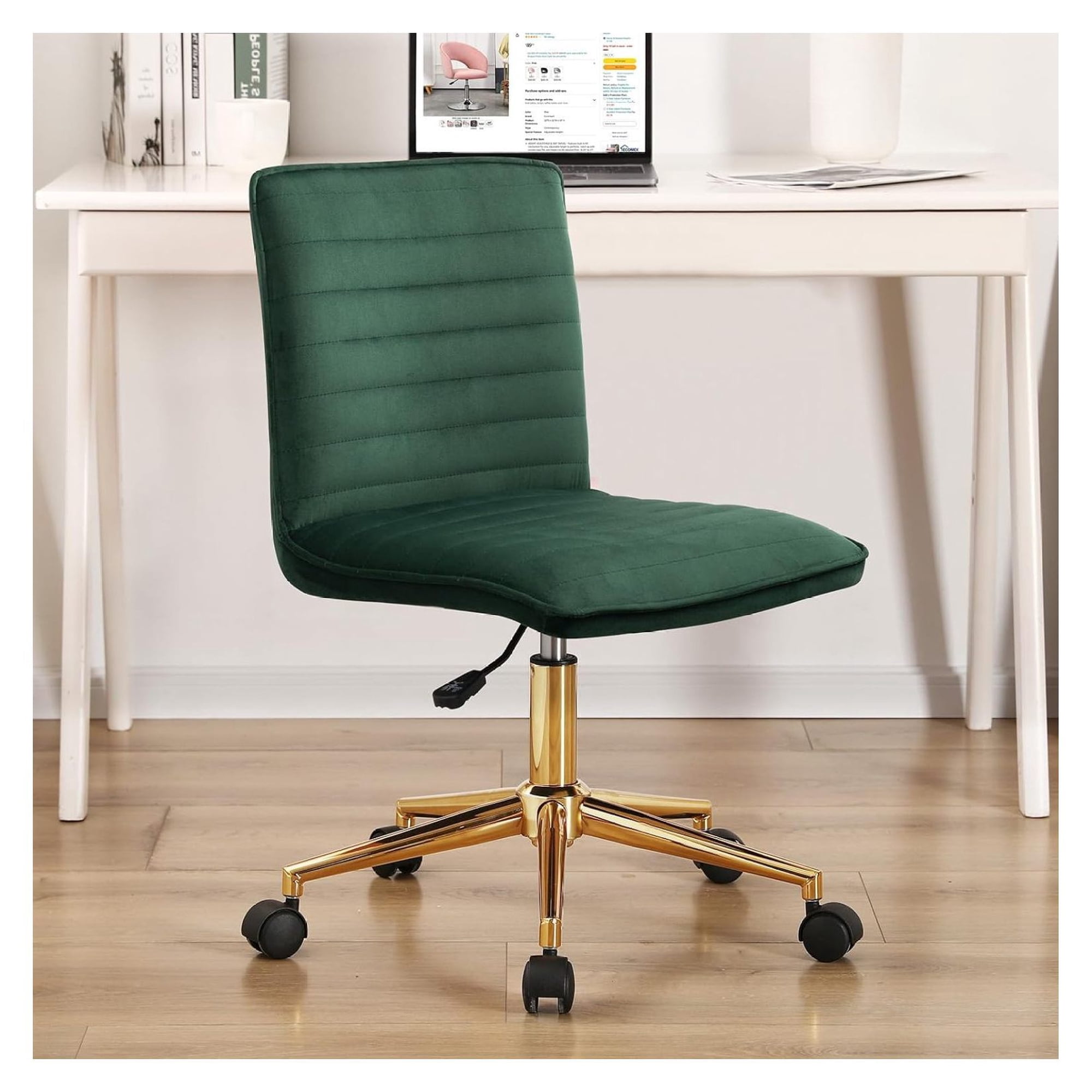
- Visualize the style: A small chair can be a design accent. From mesh back for a modern look to velvet for a touch of luxury, pick a finish that complements your home.
Materials Matter: What Works Best for Compact Chairs
In a smaller chair, material choice affects both aesthetics and longevity. Here's a breakdown tailored to compact seating.
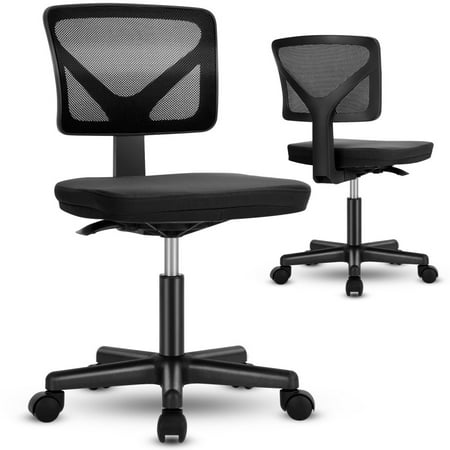
Mesh
- Breathable: Ideal for warmer climates or long hours.
- Visually light: Doesn't overwhelm a small room.
- Flexible: Conforms to back shape.
- Low maintenance: Easy to wipe clean.
Fabric
- Cozy feel: Adds warmth to a home office.
- Color variety: Endless options to match decor.
- Stain treatment: Look for performance fabrics.
- Padding: Can add slight bulk but often comfortable.
Leather / Faux Leather
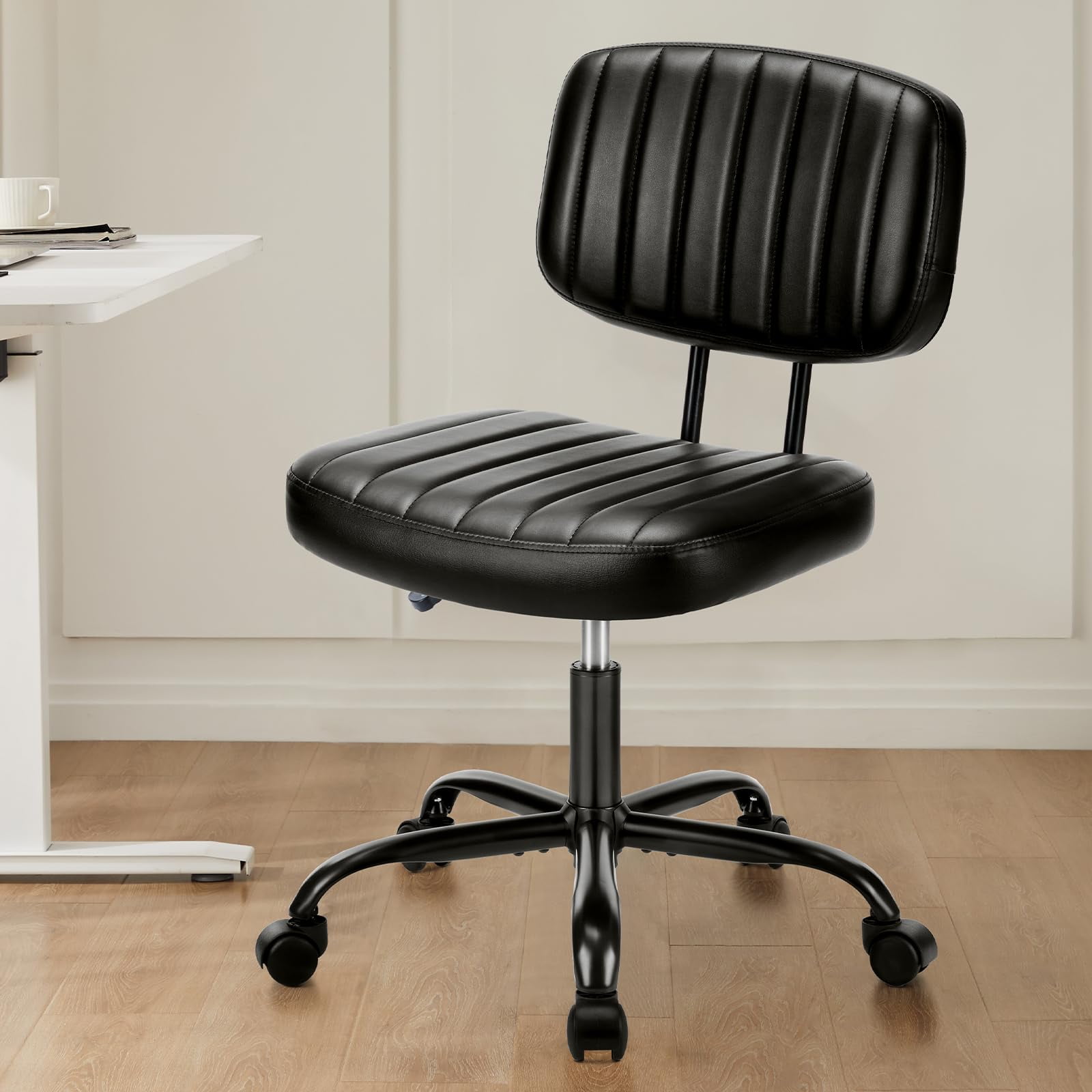
- Sleek appearance: Makes a small chair look refined.
- Easy to clean: Wipe spills instantly.
- Durable: High-quality leather lasts years.
- Minimal bulk: Allows slim profiles.
Combination (Mesh Back + Fabric Seat)
- Best of both: Breathability where you need it, comfort where you sit.
- Often lighter: Reduces overall chair weight.
- Stylish contrast: Adds visual interest.
Material Comparison at a Glance
| Material | Durability | Comfort | Maintenance | Space Feel |
|---|---|---|---|---|
| Mesh | Good (5-8 yrs) | High (breathable) | Low | Airy |
| Fabric | Moderate (4-7 yrs) | High (cushioned) | Medium (vacuum) | Warm |
| Faux Leather | Moderate (3-6 yrs) | Medium | Low (wipe) | Sleek |
| Genuine Leather | High (10+ yrs) | High (molds) | Medium (condition) | Luxurious |
Health Benefits: Why Proper Fit Matters Even More in a Small Chair
When you're in a compact space, your body adapts to the environment. A poorly chosen small chair can lead to slouching, cramped legs, or awkward reaching. Conversely, the right small ergonomic chair offers:
Better Posture
Adjustable lumbar keeps spine aligned despite smaller backrest.
Reduced Pressure
Waterfall edge on a compact seat still promotes circulation.
Enhanced Focus
A chair that fits the space reduces subconscious friction.
Joint Comfort
Proper seat height and armrests (if any) prevent strain.
Frequently Asked Questions About Small Home Office Chairs
Conclusion: Small Chair, Big Impact
Selecting a small home office chair is about more than just fitting into a corner—it's about creating a workspace that respects your home's architecture while supporting your professional life. By focusing on the right mix of dimensions, ergonomic features, and material, you can transform even the tiniest nook into a productive and comfortable command center.
Remember to measure twice and buy once. And if possible, test the chair's adjustability to ensure it aligns with your body. With the compact options available today, you no longer have to sacrifice comfort for space.