
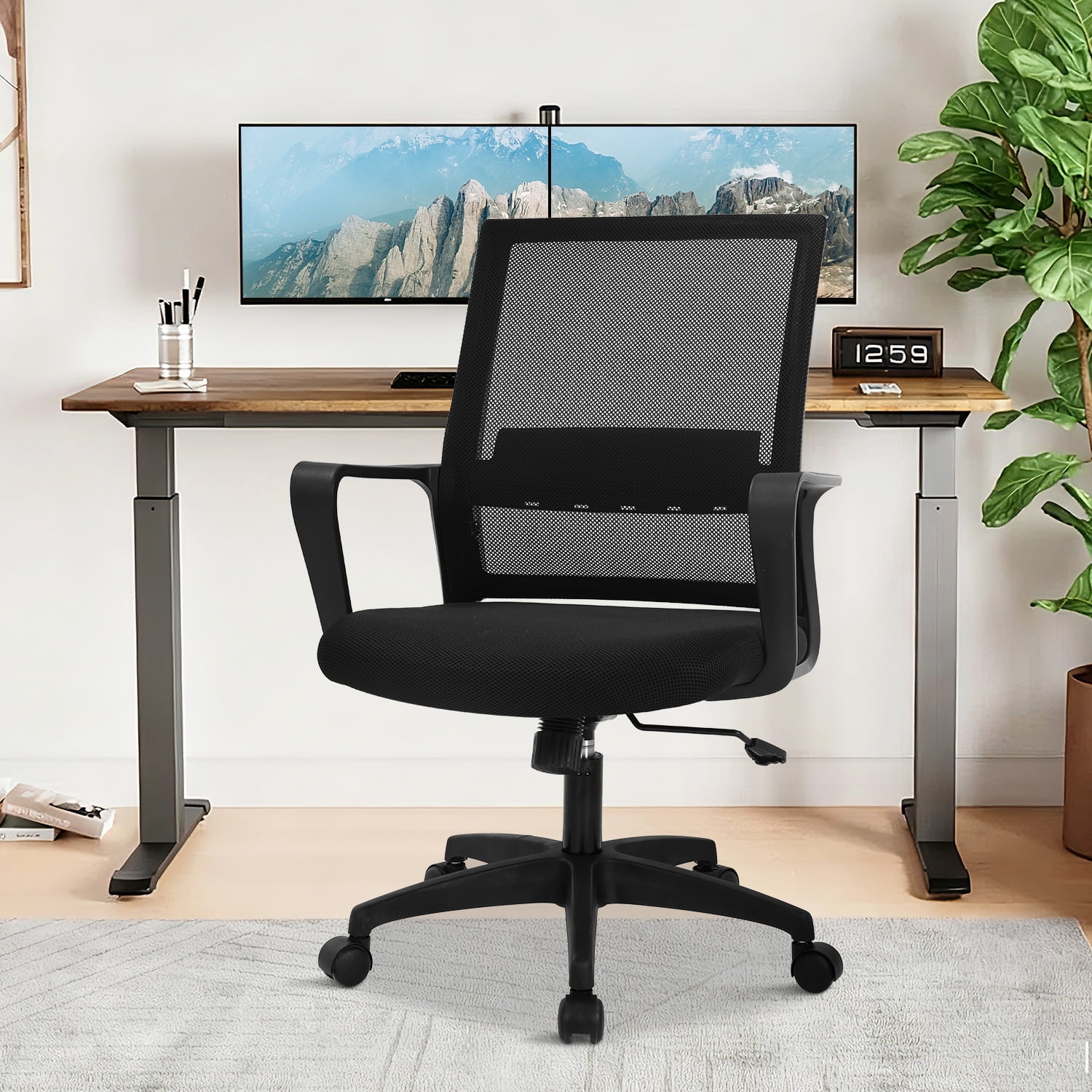
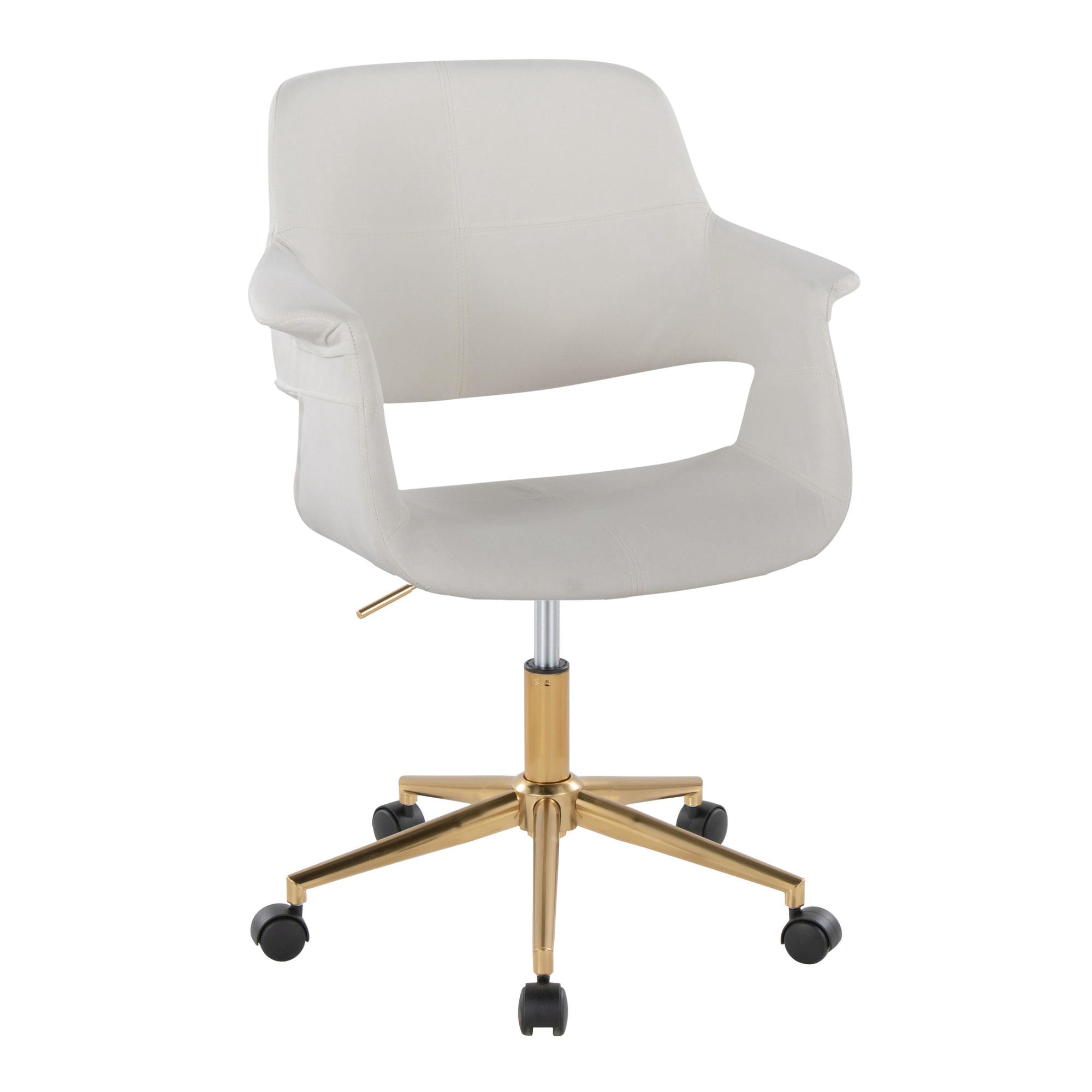
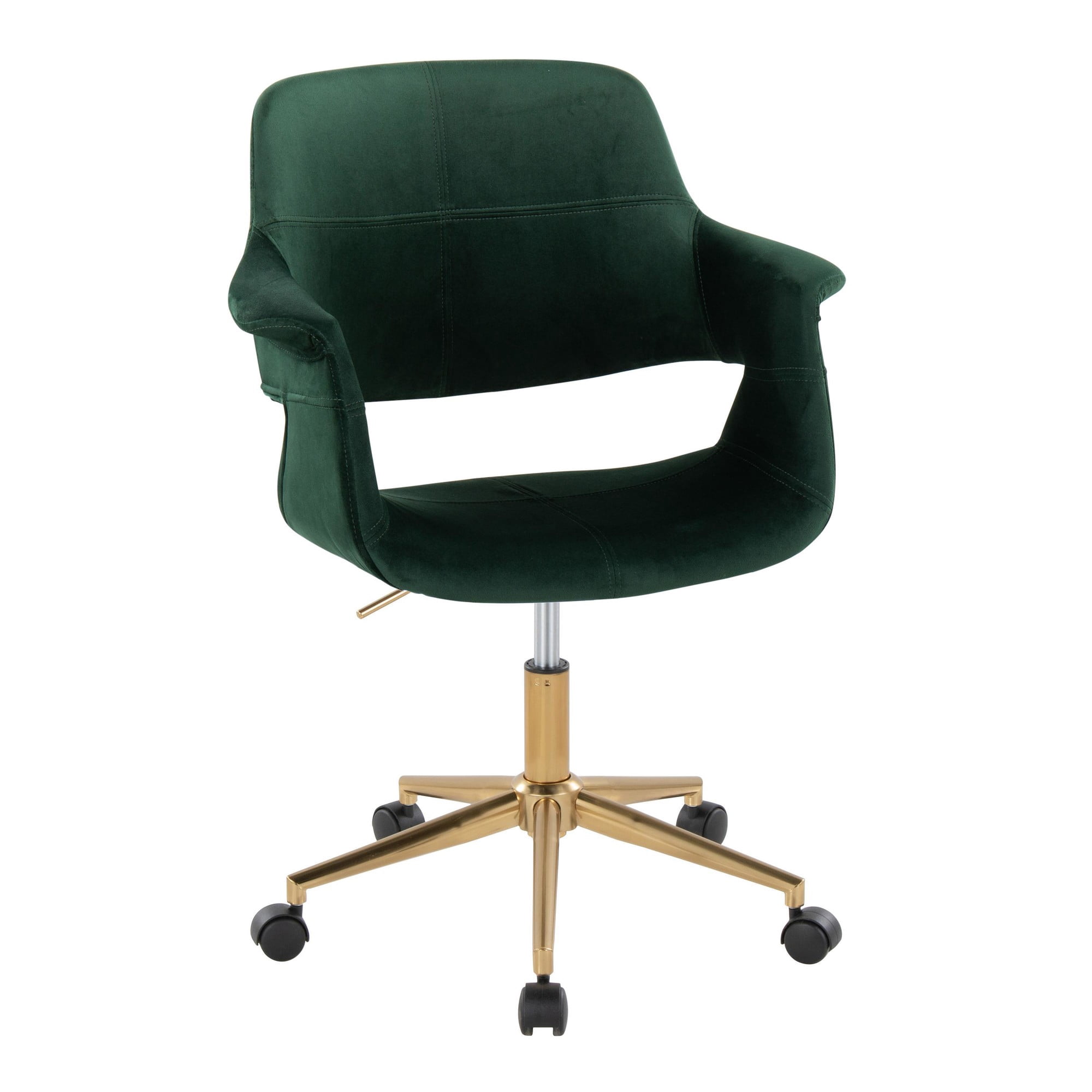
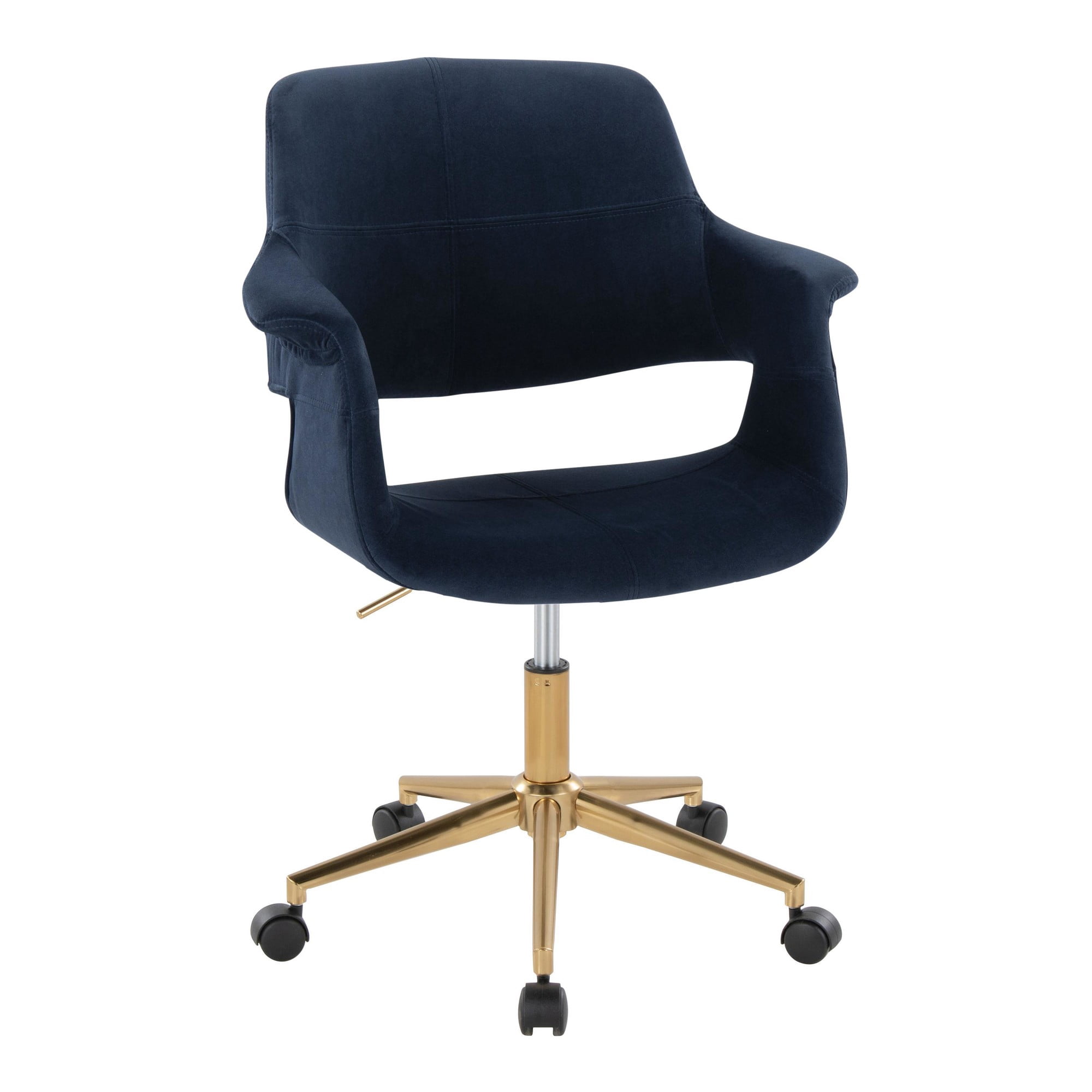
Why Your Office Chair at Home Matters More Than You Think
When your dining chair or sofa becomes your daily "office," your body pays the price. An office chair at home isn't just a piece of furniture — it's the foundation of your work-from-home health. According to the American Chiropractic Association, 70% of remote workers report increased back discomfort when using improper seating. A dedicated ergonomic chair can reduce that risk by over 50%.
Quick insight: The average remote employee spends 8.5 hours seated at their home desk. Investing in a quality chair improves focus, posture, and even mood — it's a productivity tool disguised as furniture.
Key Considerations for Choosing an Office Chair at Home
Unlike corporate bulk buying, your home chair must satisfy personal comfort, fit your space, and often blend with interior design. Let's break down the essentials.
1. Ergonomics Meets Home Aesthetics
You don't need a stark "office-looking" chair. Modern designs offer sleek lines, upholstery in velvet or linen-look fabric, and muted tones. But don't sacrifice adjustability for looks. Prioritize chairs with:
- Adjustable lumbar support – crucial for lower back, especially during long Zoom calls
- Seat height range – ensure it matches your desk (usually 16″–21″ off floor)
- Seat depth slider – allows proper thigh support (2-3 finger gap behind knees)
- Tilt tension and lock – so you can recline safely or stay upright for typing
2. Material Choices for Home Environments
Your home isn't a sterile office — you might eat at your desk, have pets, or prefer cozy textures. Compare materials:
Fabric
- Pros: Warm, breathable, wide color choices, often pet-friendly (less scratch)
- Cons: Can stain, may trap odors, clean with fabric cleaner
Mesh
- Pros: Maximum airflow (great for warm climates), modern look, easy to wipe
- Cons: Less "homey" feel, can be harder to match decor
Leather (or vegan leather) is also popular for easy cleaning, but consider breathability if you're in a warm region.
3. Space & Footprint: Small Home Office Solutions
Many home offices are corners of bedrooms or living rooms. Look for chairs with:
- Compact base: Smaller wheelbase (25–27 inches) fits tighter spaces
- Armrest design: Flip-up or fixed narrow arms to slide under desk
- Back height: Mid-back chairs save visual space, but high-back offers more head support
Comparing Office Chair at Home Types: Which Fits Your Routine?
| Chair type | Best for | Key feature | Typical price (home quality) |
|---|---|---|---|
| Ergonomic mesh task chair | All-day focus, warm climates | Breathable back, lumbar adjust | $250–$500 |
| Upholstered fabric executive | Managers, style-conscious | Plush cushion, professional look | $300–$650 |
| Small/compact chair | Tiny desks, studios | Narrow width, possibly armless | $150–$350 |
| Big & tall home chair | Larger users, reinforced build | Wider seat, 350+ lb capacity | $400–$700 |
Step-by-Step: How to Pick Your Ideal Office Chair at Home
Step 1: Measure Your Space & Desk
Note desk height (typical 28–30″). Chair seat should be 7–10″ lower. Allow 30″ width for chair and movement.
Step 2: Identify Your "Home Work Style"
- Deep focus / typing: Need firm lumbar, adjustable arms (4D if possible).
- Meetings / reading: Consider headrest and tilt recline.
- Multiple users: Easy-adjust mechanisms (gas lift, quick levers).
Step 3: Set a Realistic Budget
Basic adjustments, decent padding
Full adjustability, better materials
High-end mechanisms, 12+ yr warranty
Step 4: Read & Validate
Check return policy (crucial for home). Many online brands offer 30-day trials. Ensure weight capacity meets your needs.
Frequently Asked Questions About Office Chairs at Home
Conclusion: Your Home, Your Healthy Workspace
Selecting the right office chair at home is an investment in your daily wellbeing. Prioritize adjustability, fit, and a touch of personal style. Remember, the best chair is the one you forget about because you're comfortable and focused. Use the product grid above to explore top-rated options that match your needs.