


Why Seat Height Matters More Than You Think
Imagine sitting in a chair where your knees are higher than your hips, or you're staring down at your monitor. That’s the reality for millions of tall workers using standard office chairs. An office chair with high seat height isn't a luxury—it's an ergonomic necessity. According to the Human Factors and Ergonomics Society, proper seat height reduces pressure on the sciatic nerve and improves circulation by allowing feet to rest flat while thighs are parallel to the floor. For users over 6'2'', that usually means needing a seat that rises to at least 22 inches.
Did you know? A Cornell University study found that for every inch a chair is too low, spinal disc pressure increases by roughly 15%. High seat height chairs directly counteract this by accommodating longer femurs and taller torsos.
The Anatomy of a High-Lift Office Chair
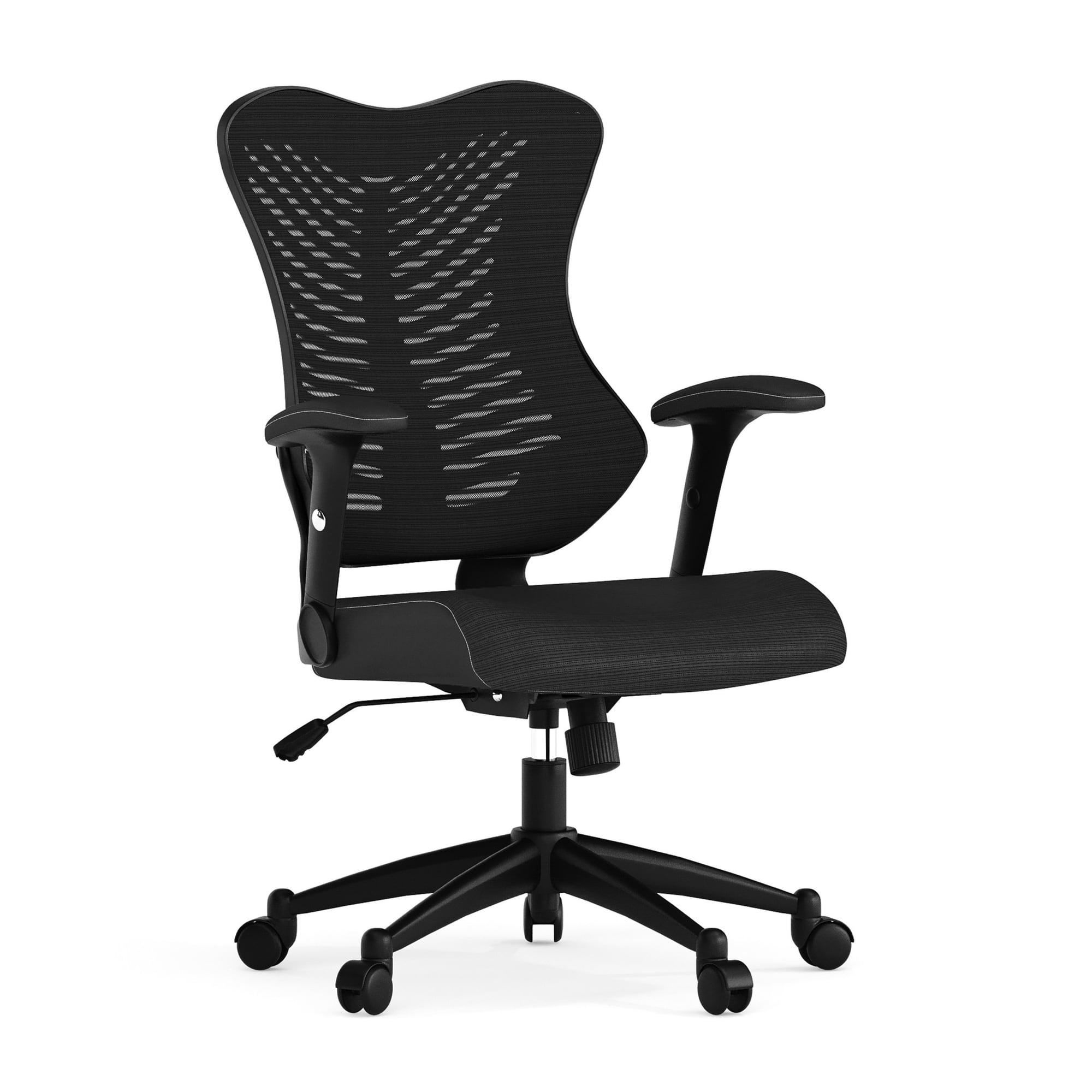
These chairs differ from standard models in several key ways. It’s not just a longer cylinder—they feature reinforced frames, wider bases, and often Class 4 or 5 gas lifts to handle the extra leverage.
- Extended pneumatic cylinder: Provides lift range typically 20"–28" (standard is 16"–21").
- Larger, heavy-duty base: Often 28"–30" diameter for stability at max height.
- High-density foam or thick cushion: Preves bottoming-out when seated at elevated positions.
- Adjustable lumbar and headrest: Because tall users need support higher up the spine.
- Optional foot ring: Some models include a ring to rest feet when used at drafting height.
Who Actually Benefits From High Seat Height?
While tall folks are the obvious audience, there are three other groups who need these chairs:
- Standing-desk switchers: People who alternate between sitting and standing often raise the chair to "perch" on a high stool position, which reduces fatigue.
- Users with knee or hip issues: A higher seat reduces the angle of hip flexion, easing discomfort for those with arthritis or after surgery.
- Drafting / lab environments: Work surfaces in design studios, labs, or industrial settings are often 30"–32" high, requiring a taller chair.
5 Critical Features to Evaluate (Beyond Height)
Choosing the right high-seat chair involves more than just maximum lift. Use this checklist:
| Feature | Why It’s Crucial for High Seat Height |
|---|---|
| Gas lift class | Class 3 is common but inadequate. Look for Class 4 (heavy-duty) or Class 5 (extra heavy) to ensure smooth, safe lifting and lowering. |
| Base diameter | A base under 26” can tip when chair is fully raised. Aim for 28” or larger with non-marking casters. |
| Seat depth adjustment | Tall users often have longer thighs. A seat pan that slides forward (2–3 inches) prevents pressure behind knees. |
| Backrest height | Should reach at least shoulder blade height when seated. High-back or mid-back with headrest recommended. |
| Weight capacity rating | Because of the longer cylinder, a chair rated 275lb may feel wobbly. Choose 350lb+ for true stability. |
Common Myths About Extra-Tall Office Chairs
Myth #1: "They're only for very tall people." — Actually, many users with standard height but long torsos benefit from higher backrests that come with these models.
Myth #2: "They wobble like a bar stool." — Quality chairs with heavy-duty casters and reinforced hubs are as stable as standard chairs when properly engineered.
Myth #3: "You can't use them with a normal desk." — Most have a broad range; they simply go higher, but also lower to ~19 inches. Always check min height vs. your desk.
Real-World Data: Height vs. Productivity
A 2022 survey by the Ergonomic Trends Association polled 800 remote workers: 67% of users over 6 feet reported discomfort in standard chairs. After switching to a high seat height model, 81% said their focus improved and they experienced less afternoon fatigue. The right chair literally keeps you in the game longer.
Material & Build: What Holds Up at Full Extension?
When a chair is raised to 27 inches, the stress on components increases. Here’s what to look for:
- Steel frame vs. plastic: Full steel frame (especially in the backrest and seat pan) prevents creaking.
- Dual-wheel casters: Distribute weight better than single wheels; essential for carpet or hardwood.
- Leather or heavy-duty fabric: If you're tall, you may sit more heavily. Look for top-grain leather or 200,000+ double-rub fabric.
Quick Comparison: Seat Height Ranges by Category
| Chair Type | Typical Seat Height | Best For |
|---|---|---|
| Standard task chair | 16"–21" | Average height users (5'4"–5'10") |
| High seat / tall chair | 19"–26" | Users 5'11"–6'4" |
| Extra-high / drafting chair | 22"–30" | Very tall 6'5"+ or standing-desk perching |
| Big & tall high-lift | 20"–28" (with 400lb+ capacity) | Heavy-set tall individuals |
Frequently Asked Questions – High Seat Height Office Chairs
Final Verdict: Elevate Your Comfort
An office chair with high seat height is more than a simple accommodation—it's an investment in your physical well-being and work performance. Whether you're tall, use a standing desk, or need a higher work surface, the models featured above offer the lift, stability, and ergonomic adjustments to keep you productive. Don't settle for a chair that leaves you hunched or straining. Measure your ideal seat height, check the specifications, and choose a chair built to go the distance.