
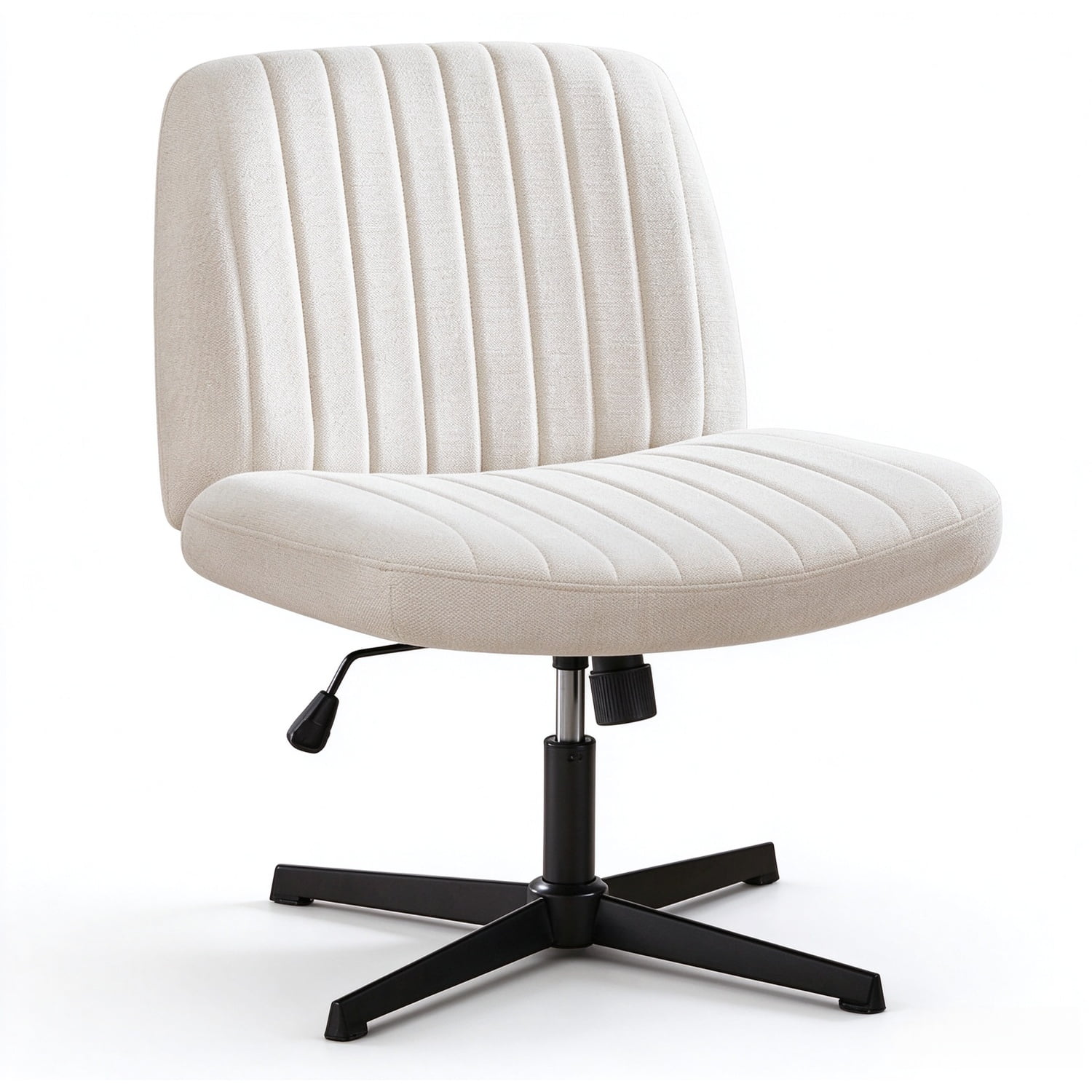
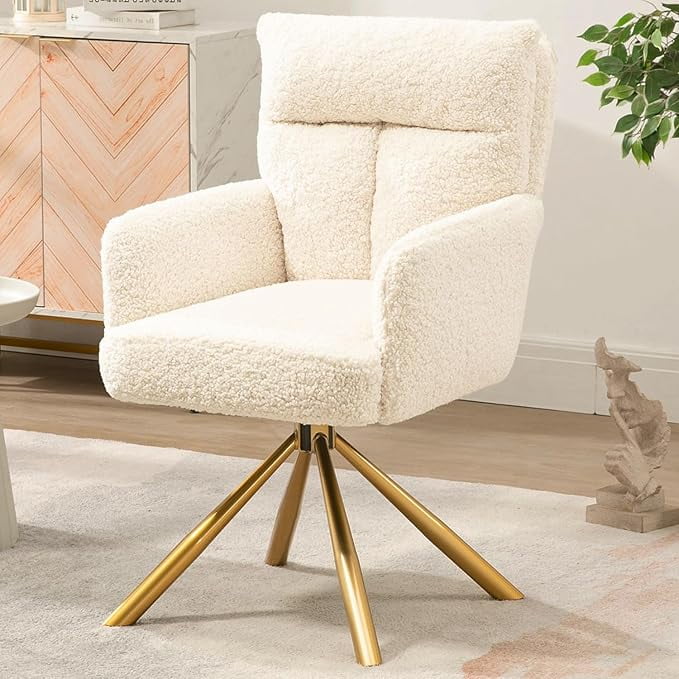
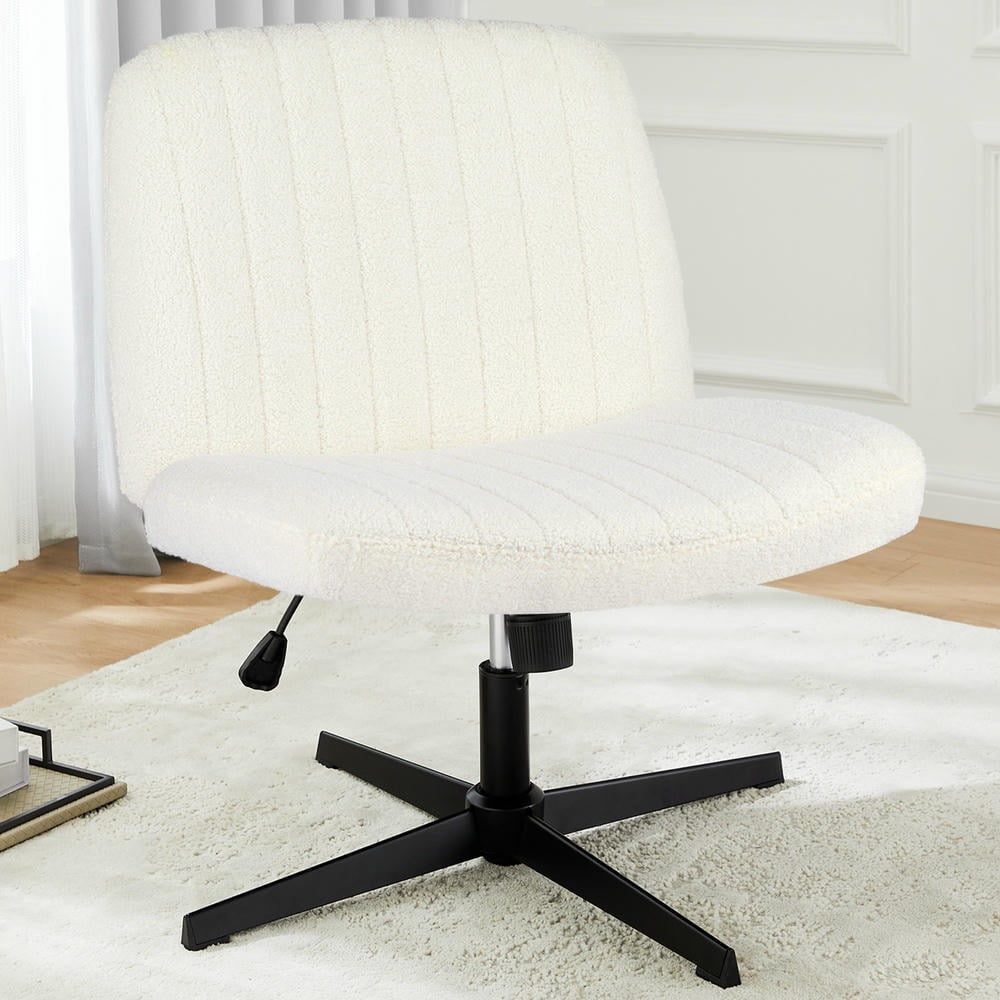
The Complete Guide to Office Chair No Wheels Swivel
Imagine an office chair that gives you the freedom to turn and face a colleague, but refuses to roll away when you lean back. That is the simple genius of an office chair no wheels swivel. For many professionals, the constant micro-movements of a rolling chair can be a distraction, or worse, a hazard for delicate floors. This guide explores why a stationary swivel chair might be the perfect upgrade for your home office, executive suite, or creative studio.
Did you know? According to a 2023 survey by the American Home Furnishings Alliance, nearly 38% of home office workers reported damage to their flooring from traditional wheeled office chairs. A stationary base with glides eliminates this risk entirely.
Why Choose a Stationary Swivel Chair? Core Benefits
Selecting a chair without wheels isn't about sacrificing mobility—it's about choosing the right kind of mobility. Here’s why these chairs are gaining popularity.
✓ Advantages of No-Wheel Chairs
- Floor Protection: Glides or fixed bases are 100% safe for hardwood, laminate, tile, and delicate carpets—no more scratches.
- Rock-Solid Stability: You stay exactly where you sit. Ideal for tasks requiring precision, like drafting or detailed computer work.
- Cleaner Aesthetic: Many no-wheel designs resemble sophisticated lounge chairs, blending seamlessly with home decor.
- Reduced Maintenance: No wheels to clog with hair or dust, and no casters to break or replace.
- Better Posture Anchor: Because the chair doesn't roll, your core muscles don't have to constantly micro-adjust to stay in place, potentially reducing fatigue.
✗ Considerations
- Limited Movement: You won't be able to glide from your desk to a filing cabinet—you'll need to stand up.
- Less Dynamic: Some people enjoy the subtle rocking motion of rolling chairs; stationary chairs offer a firmer feel.
- Floor Type Specific: While great for hard floors, some glides can snag on thick, plush carpet.
5 Key Scenarios Where a No-Wheel Swivel Chair Excels
This type of chair isn't for everyone, but for these specific use cases, it's often the superior choice.
- The Home Office with Hardwood Floors: Protects your investment in beautiful flooring. No more ugly plastic mats.
- The Executive's Conference Room: Stationary chairs around a table convey a sense of permanence and prevent distracting fidgeting during meetings.
- The Graphic Designer or Architect: When you need to lean into your work without your chair rolling back, stability is key.
- The Small, Cluttered Workspace: Without wheels, the chair won't accidentally roll into a bookshelf or desk leg when you stand up.
- The Minimalist or Aesthetic-Focused Office: Many "no-wheel" chairs have a clean, mid-century modern or classic library feel that rolling chairs can't replicate.
Types of Bases: Glides vs. Central Pedestal
Understanding the base helps you choose the right chair for your floor and movement needs.
| Base Type | Description | Best For |
|---|---|---|
| Five-Star Base with Glides | Similar to a rolling chair, but with smooth, non-marking glides or felt pads instead of casters. Offers excellent stability and allows for slight pivoting on the spot. | Most home and office users. Provides the most familiar feel and maximum stability. |
| Central Pedestal (Sled or Cone Base) | A single, solid post attached to a round or conical footrest. This design is often seen in classic "captain's chairs" or drafting stools. It allows full swivel but the chair is completely fixed in place. | Reception areas, drafting tables, or as a decorative accent chair. Takes up slightly less floor space visually. |
Ergonomics: Finding Comfort in a Stationary Chair
Just because it doesn't roll doesn't mean it can't be ergonomic. When shopping, look for these features to ensure all-day comfort:
- Must-Have Pneumatic Height Adjustment: Essential for aligning your thighs parallel to the floor.
- Must-Have Adjustable Lumbar Support: Prevents back strain during long, stationary sitting sessions.
- Nice-to-Have Swivel Function: The chair should rotate 360 degrees smoothly to reach different areas of your desk.
- Nice-to-Have Seat Depth Adjustment: Ensures proper support for your thighs without pressure behind the knees.
- Consider Armrests: Fixed or adjustable? Ensure they allow you to get close enough to your desk, as you can't roll forward.
Real-World Insight: The "Anchor" Effect
Physical therapists sometimes recommend stationary base chairs for individuals who tend to slouch or lean forward excessively. "Without the ability to roll away from your desk, you're forced to maintain a better relationship with your workstation," notes Dr. Emily Strauss, an ergonomics consultant. "It anchors you in the optimal position, provided the chair is adjusted correctly."
Materials and Styles: From Leather to Velvet
The office chair no wheels swivel category spans a wide range of aesthetics. You're not limited to basic task chairs.
- Classic Leather Executive: Often features a high back, tufted detail, and a polished chrome or wooden base with glides. Projects authority and permanence.
- Mid-Century Modern: Clean lines, wood or metal sled base, often upholstered in fabric or velvet. Perfect for a trendy home office.
- Minimalist Mesh: Focuses on breathability and function, usually on a five-star glide base. Great for long work hours.
- Upholstered Accent Chair: Some designs blur the line between office chair and furniture, offering comfort with a swivel function but a completely stationary base.