
Why Small Size Office Chairs Are a Game-Changer
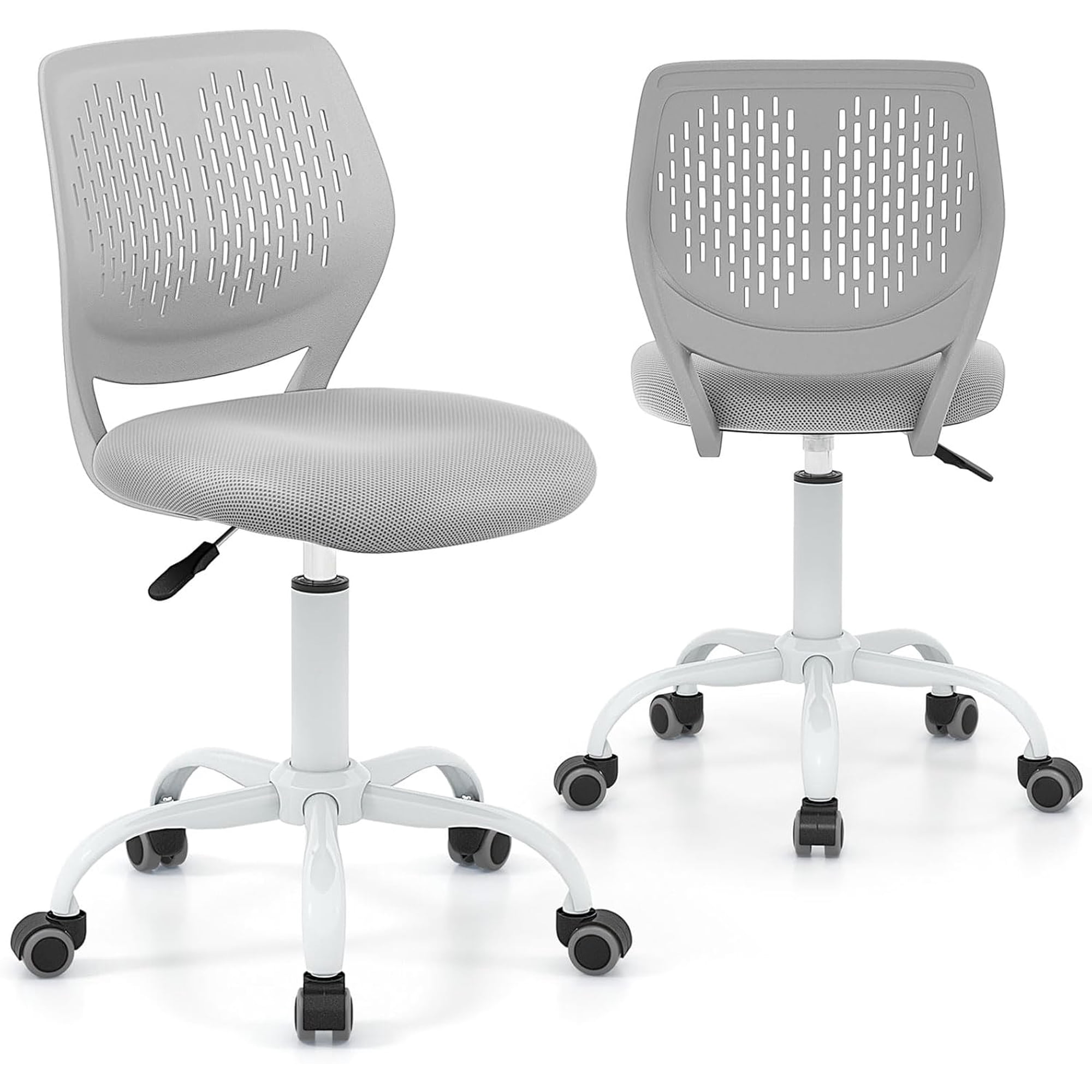
Working from home or managing a cozy office often means wrestling with limited square footage. A standard executive chair can overwhelm a room, making it feel cramped. Enter the small size office chair: a compact powerhouse designed to fit tighter spots while keeping you comfortable and productive. Think of it like a smartwatch compared to a bulky desktop computer—it does almost everything the big version does, but in a sleek, space-conscious package.
According to a 2023 survey by the Interior Design Society, 43% of home offices are under 80 square feet. In such environments, every inch counts. A compact chair not only frees up visual space but also allows easier movement. But don't mistake "small" for "lesser." Modern compact chairs integrate ergonomic principles—adjustable lumbar, breathable mesh, waterfall seats—to support you through long workdays.
Key Considerations When Choosing a Compact Office Chair
Selecting the right small chair involves more than just measuring a corner. You need to balance footprint, ergonomics, and durability. Let's break down the essential factors.
1. Dimensions That Fit Your Body and Space
The first rule: a chair that's too small can be as uncomfortable as one that's too big. Here's what to look for:
- Seat width: Ideal range for petite to average adults is 18–20 inches. You want a little wiggle room, but not so much that you slide.
- Seat depth: Look for 16–18 inches depth. Shorter depths prevent pressure behind the knees (especially important for smaller users).
- Back height: Mid-back (18–22 inches) is common for compact chairs; high-back versions exist but may feel bulkier.
- Overall footprint: Measure the base diameter (usually 23–26 inches for a five-star base). Ensure it fits your desk opening.
Pro tip: If you're between sizes, prioritize seat depth adjustment. A chair with a sliding seat pan can accommodate different thigh lengths without increasing the chair's external size.
2. Ergonomic Features That Matter Most
Compact chairs often pack impressive ergonomics. Focus on these non-negotiables:
- Adjustable lumbar support: Even in a small backrest, lumbar curves are vital. Some chairs have built-in curves; others offer inflatable or mechanical adjusters.
- Seat height range: Typical range is 16–21 inches from floor. Verify it matches your desk height (standard desks are 28–30 inches).
- Armrest options: Flip-up arms are a space-saver—they let you tuck the chair under the desk. Fixed arms should be narrow (under 20 inches wide).
- Tilt mechanism: A synchro-tilt or knee-tilt allows you to recline while keeping your feet planted, reducing pressure on your spine.
3. Material and Build Quality
Materials affect both longevity and comfort in a small chair:
Breathable Mesh
- Excellent airflow—keeps you cool.
- Lightweight, easy to move.
- Modern aesthetic, often with sleek profiles.
- Less padding; relies on tension for support.
Fabric Upholstery
- Soft, cozy feel; more color options.
- Good padding possible without bulk.
- May absorb odors or stains.
- Can feel warm in hot climates.
Leather or faux leather in small chairs tends to be less common because it adds weight and can feel sticky without ventilation, but if you prefer leather, look for perforated versions.
4. Weight Capacity and Stability
Compact doesn't mean fragile. Many small chairs are engineered with reinforced steel frames and wide bases for stability. Always check the manufacturer's weight limit—most compact chairs support up to 250–300 lbs. For higher capacities, look for terms like "heavy-duty compact" or "big and tall small chair."
Data point: A 2022 testing report from the BIFMA (Business and Institutional Furniture Manufacturers Association) showed that compact chairs with a 26-inch base diameter and Grade A gas lift can safely support up to 300 lbs when used as intended.
5. Mobility and Floor Protection
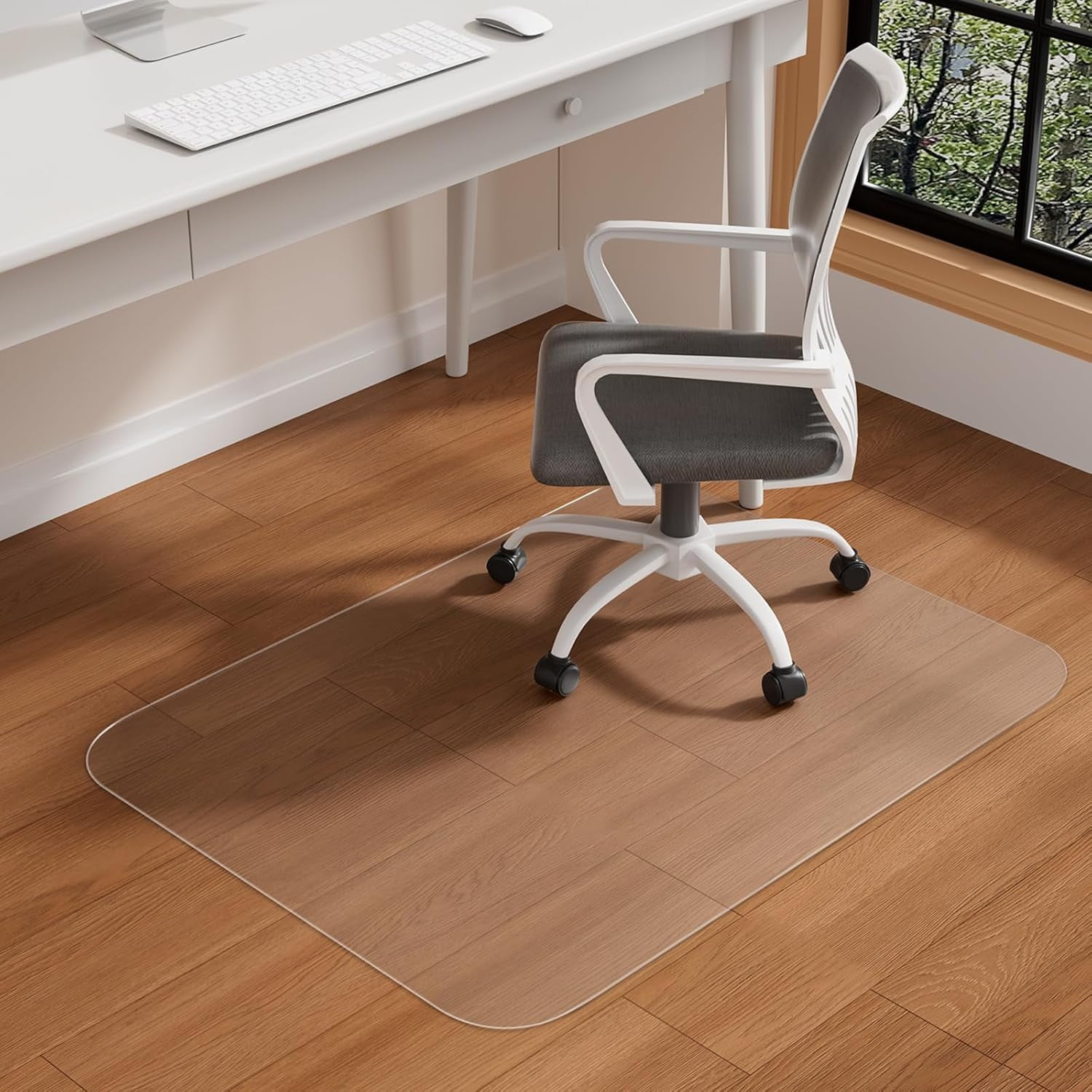
Small chairs often roll on casters. If you have hardwood floors, choose soft rubber casters (often called "roller blade wheels") to prevent scratches. For carpets, standard hard casters work fine. Some compact chairs also offer locking casters for stability—useful if you tend to shift weight suddenly.
Another space-saving trick: chairs with a five-point base but smaller caster wheels (2-inch instead of 3-inch) reduce the overall footprint slightly.
Quick Comparison: Small Chair Types at a Glance
| Chair Type | Typical Seat Width | Best For | Ergonomic Highlight |
|---|---|---|---|
| Armless Task Chair | 18-19" | Tight corners, sliding under desk | Freedom of movement, often adjustable height |
| Flip-Up Arm Chair | 19-20" (arms up) | Multi-use spaces, guest seating | Arms out of the way when not needed |
| Petite Ergonomic Chair | 17-18.5" | Small-framed individuals | Shorter seat depth, narrower back |
| Compact Mesh Back | 19-20" | Warm climates, all-day seating | Breathable lumbar support, often synchro-tilt |
How to Measure Your Space for a Small Office Chair (Step-by-Step)
- Measure desk height: From floor to underside of desk. Standard is 28-30". Chair seat height should be adjustable to at least 2" below that.
- Measure desk opening width: If your desk has a modesty panel or is enclosed, measure the opening width. Chair arm width must be at least 2" narrower.
- Measure depth available: When chair is pushed in, how much space is left? You need about 4-6" for leg movement.
- Consider recline: If you like to lean back, measure from wall to back of chair in full recline. Add 6" clearance.
- Test the path: Ensure the chair can roll freely to and from your desk without hitting furniture.
Following these steps prevents buying a chair that looks good online but doesn't fit your actual setup. As interior designer Sarah Johnson puts it, "A chair that's 2 inches too wide can make a room feel 2 feet smaller."
Real-World Benefits of a Properly Sized Chair
Frequently Asked Questions About Small Size Office Chairs
Conclusion: Small Chair, Big Impact
Choosing a small size office chair is about working smarter within your space. It's not just about squeezing into a corner—it's about selecting a seat that supports your body, complements your room, and lasts for years. Remember to prioritize adjustability, measure twice, and consider materials that suit your climate and style. Whether you opt for an armless mesh chair or a flip-arm fabric model, the right compact chair will make your workspace feel more open and organized. After all, a well-fitted chair is like a tailored suit: it looks better, feels better, and helps you perform at your best.