
The Art of Fitting a Productive Workspace into a Small Area
Working from home or setting up a side hustle in a spare corner often presents a common challenge: limited space. A sprawling executive desk simply isn't an option. But a cramped, uncomfortable setup can stifle your creativity and lead to physical strain. The solution lies in finding the perfect harmony between form and function—a small office desk and chair set designed to maximize every square inch. Think of it like choosing a fuel-efficient city car; it needs to be compact for parking but powerful and comfortable for the journey. This guide will help you navigate the world of compact office furniture, ensuring your small workspace is a productivity powerhouse, not a source of frustration.
Designing Your Compact Command Center: Key Considerations
Choosing a small office desk and chair isn't just about picking the smallest options available. It's a strategic process of matching your work style, body type, and spatial constraints. A well-chosen set should feel like a natural extension of the room, not an afterthought. Here’s how to approach the selection process.
1. The Desk: The Foundation of Your Small Office
The desk is the anchor of your workspace. In a small area, its design dictates the flow and functionality of the entire room. Before you fall in love with a style, you must become best friends with a tape measure.
- Measure Your "Golden Zone": First, measure the exact floor space where the desk will live. Don't just guess. Account for doors, windows, and walking paths. A desk that's too big will make the room feel like a closet. A desk that's too small might not hold your essentials.
- Shape Matters: Corner vs. Straight: A corner desk is like a secret weapon for small spaces. It utilizes an often-wasted area and can provide a surprising amount of surface real estate. A straight, wall-mounted desk with floating shelves above creates a sleek, minimalist look and frees up floor space visually.
- Look for Multi-Functionality: The best small office desks are often multi-taskers. Consider desks with built-in drawers, shelving, or keyboard trays. A drop-leaf desk can be folded down when not in use, instantly reclaiming the room for other purposes. It's the office furniture equivalent of a sofa bed.
- Material and Color Psychology: Light-colored wood or a glossy white finish can make a small room feel airy and larger. Glass tops can also create a sense of openness. If you prefer a darker wood, balance it with light walls and good lighting to prevent the space from feeling too heavy.
2. The Chair: Ergonomic Support in a Petite Package
Your chair is your mobile base of operations. For a small space, it needs to be supportive for long hours but nimble enough to move out of the way. The chair should complement the desk, not compete with it for space.
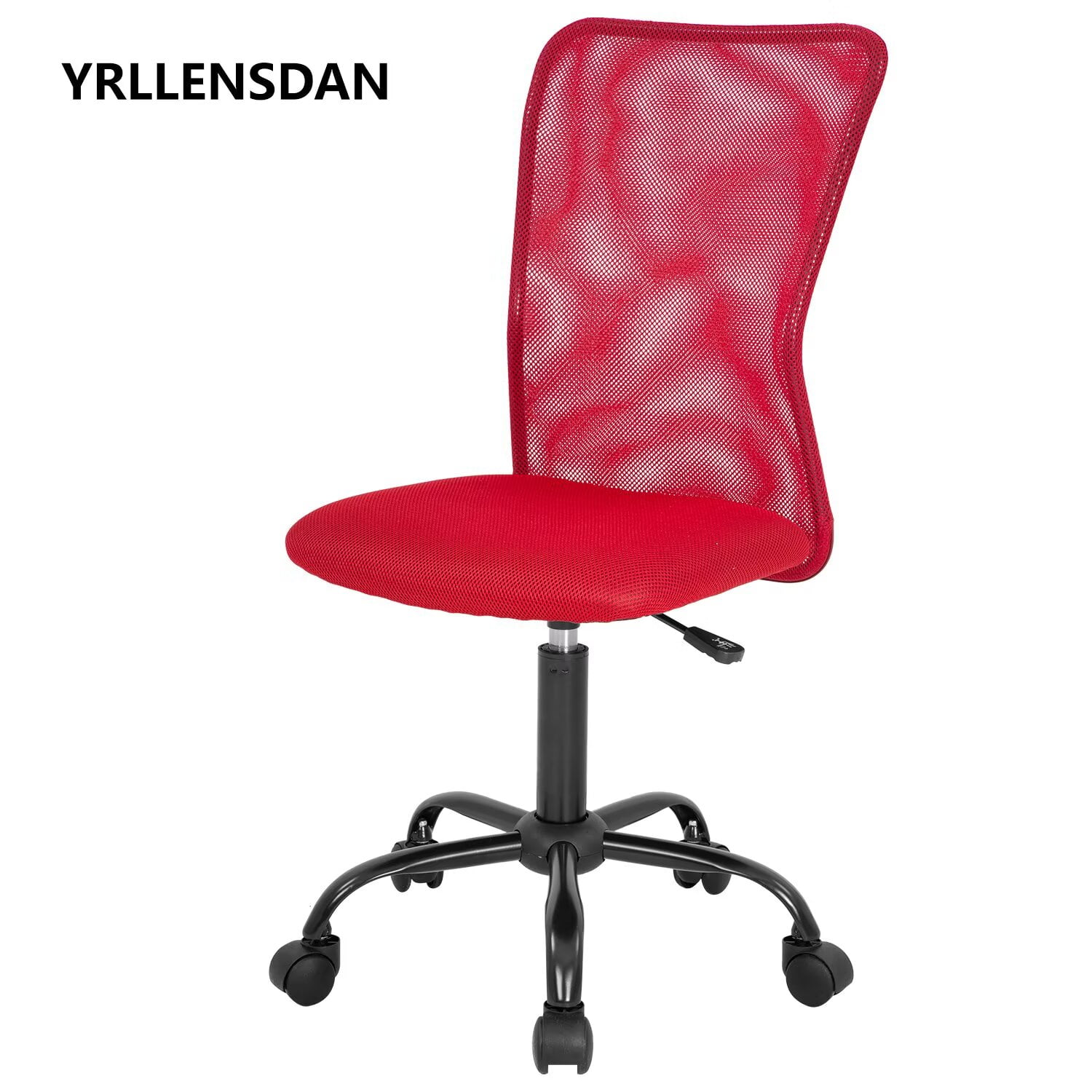
- The "Tuck-Away" Test: This is the single most important feature. Can the chair slide completely under the desk when you're done? Armless chairs or those with adjustable, flip-up armrests are champions of the tuck-away test. This simple action can instantly make a room feel twice as big.
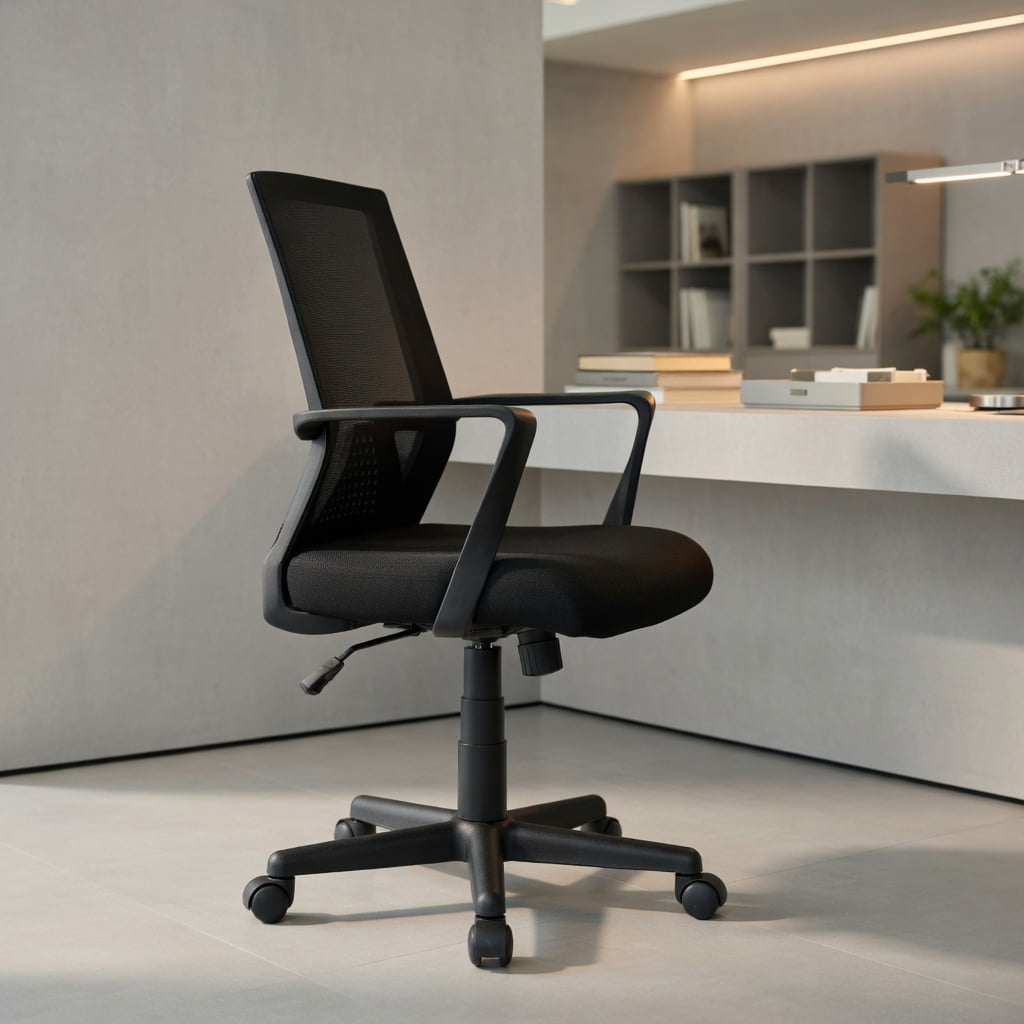
- Ergonomics Don't Shrink: A smaller frame doesn't mean skimping on back support. Look for compact ergonomic office chairs that still offer essential features: adjustable seat height, lumbar support, and a comfortable, breathable seat material. Your body will thank you, even in a smaller chair.
- Base and Mobility: A five-point base is a must for stability. For the wheels, consider your flooring. Hardwood or laminate floors call for soft rubber castors to prevent scratches, while carpet requires standard wheels for easy rolling.
- Style as a Visual Tool: A transparent acrylic or mesh-backed chair can almost disappear visually, reducing clutter. A colorful, upholstered chair can become a statement piece that draws the eye and adds personality to a neutral, compact setup.
3. Achieving the Perfect Harmony: Desk and Chair Pairing
Selecting the desk and chair separately can be tricky. You have to ensure they work in tandem. Here’s a simple checklist for a cohesive small office desk and chair set:
- Height Compatibility: Sit in the chair and extend it to its full height. Your elbows should be at a 90-degree angle when resting on the desk. Ensure the chair can go low enough for the desk height.
- Proportional Aesthetics: A massive, bulky chair will overwhelm a delicate, slim desk. Aim for a balanced look. A sleek, metal-framed desk pairs beautifully with a minimalist mesh chair.
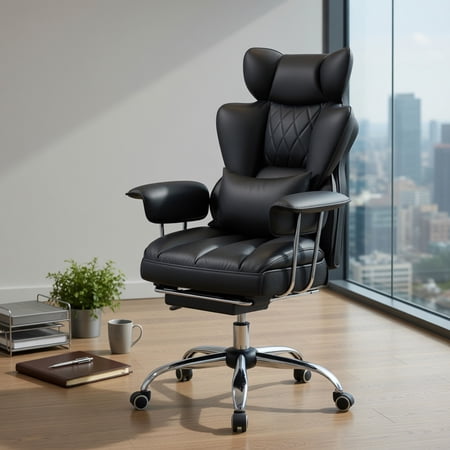
- Visual Weight: A chair with a high, solid back can feel imposing. In a small space, a chair with an open back or a lower profile can help maintain an open, airy feel. The goal is to create a visual flow, not a visual block.
4. Space-Maximizing Layouts and Ideas
Sometimes the most innovative solutions come from thinking outside the box. Here are a few ideas to inspire your small office setup:
The Closet Office
Convert a hall or bedroom closet by removing the doors. Install a shallow desk and shelves. A small, armless task chair can be pushed in, and the doors can close to hide the office entirely.
The Floating Desk
Mount a solid wood countertop or a ready-made floating desk to the wall. This frees up all floor space beneath, making the room feel much larger and allowing for a small, rolling chair that tucks away neatly.
The Kitchen Nook Setup
A small bistro table can serve as a charming and compact desk. Pair it with a single, comfortable chair. When work is done, it can easily transition back to a spot for coffee or a quick meal.
Vertical Storage is Key
When floor space is limited, build upwards. Use pegboards, wall-mounted shelves, and magnetic boards to keep supplies, notes, and tools off the desk surface, maintaining a clean and organized work area.