
Why Leg Elevation is the Missing Piece in Your Ergonomic Setup
Imagine sitting at your desk for eight hours. By midday, your feet feel heavy, your ankles might swell slightly, and a dull ache settles in your lower back. This is the classic consequence of gravity working against a sedentary body. An office chair with leg elevation is designed to counteract this. It’s like giving your legs a first-class seat, promoting circulation and allowing your spine to decompress. For executives, remote workers, and anyone with circulation concerns, this feature bridges the gap between basic seating and a true wellness station.
Health Insight: Studies in occupational health suggest that elevating the legs to heart level—or even just above the hips—can reduce venous pressure by over 50%. This simple act mimics a micro-break for your cardiovascular system, even while you continue to work.
The Anatomy of an Office Chair with Leg Elevation
Not all leg rests are created equal. Understanding the different types helps you choose a chair that fits your work style and physical needs. We break down the three main categories you'll encounter.
1. Built-in Extendable Footrests
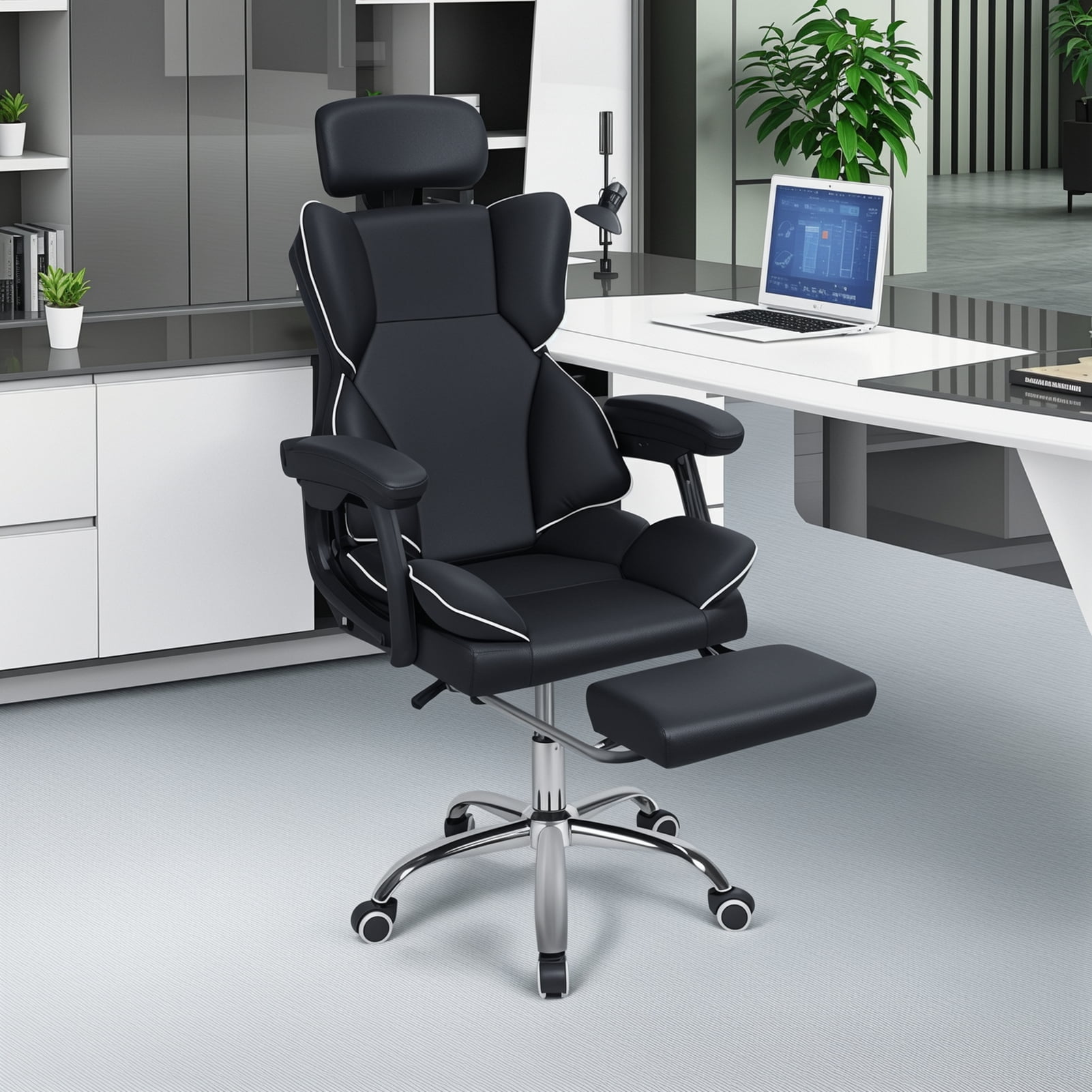
These are the most common and space-efficient designs. A hidden footrest slides out from beneath the seat, much like a first-class airplane seat. They are perfect for people who want occasional relief without changing the chair's footprint.
- Best for: Small to medium offices where floor space is at a premium.
- Key Feature: Look for a "one-touch" synchronous mechanism that allows the footrest to extend smoothly while the backrest reclines slightly.
- Material Tip: Ensure the extended footrest has a padded, non-slip surface for comfort and safety.
2. Attached Ottoman (Zero-Gravity Style)
This design is inspired by zero-gravity loungers. As you recline the chair back, a connected ottoman rises to support your legs, creating a near-weightless feel. This position distributes your weight evenly and removes pressure from your spine.
- Best for: Power naps, deep focus sessions, or multimedia tasks. Often favored by gamers and creative directors.
- Mechanism: A lockable recline is crucial here. You want to be able to hold the "zero-g" position without bouncing back.
- Comfort: These chairs often come with plush, high-density foam to support the calves and heels.
3. Separate Stool or Footrest
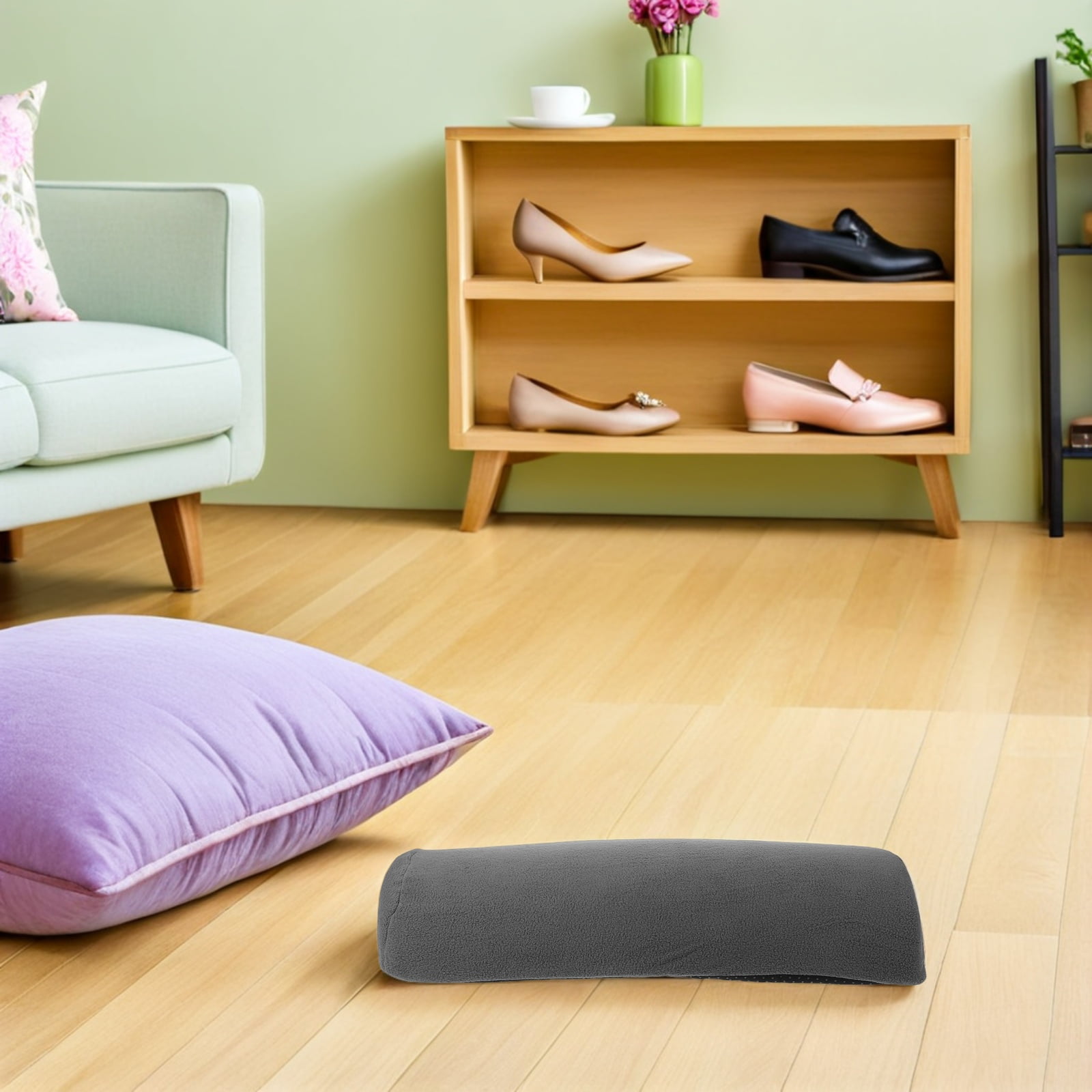
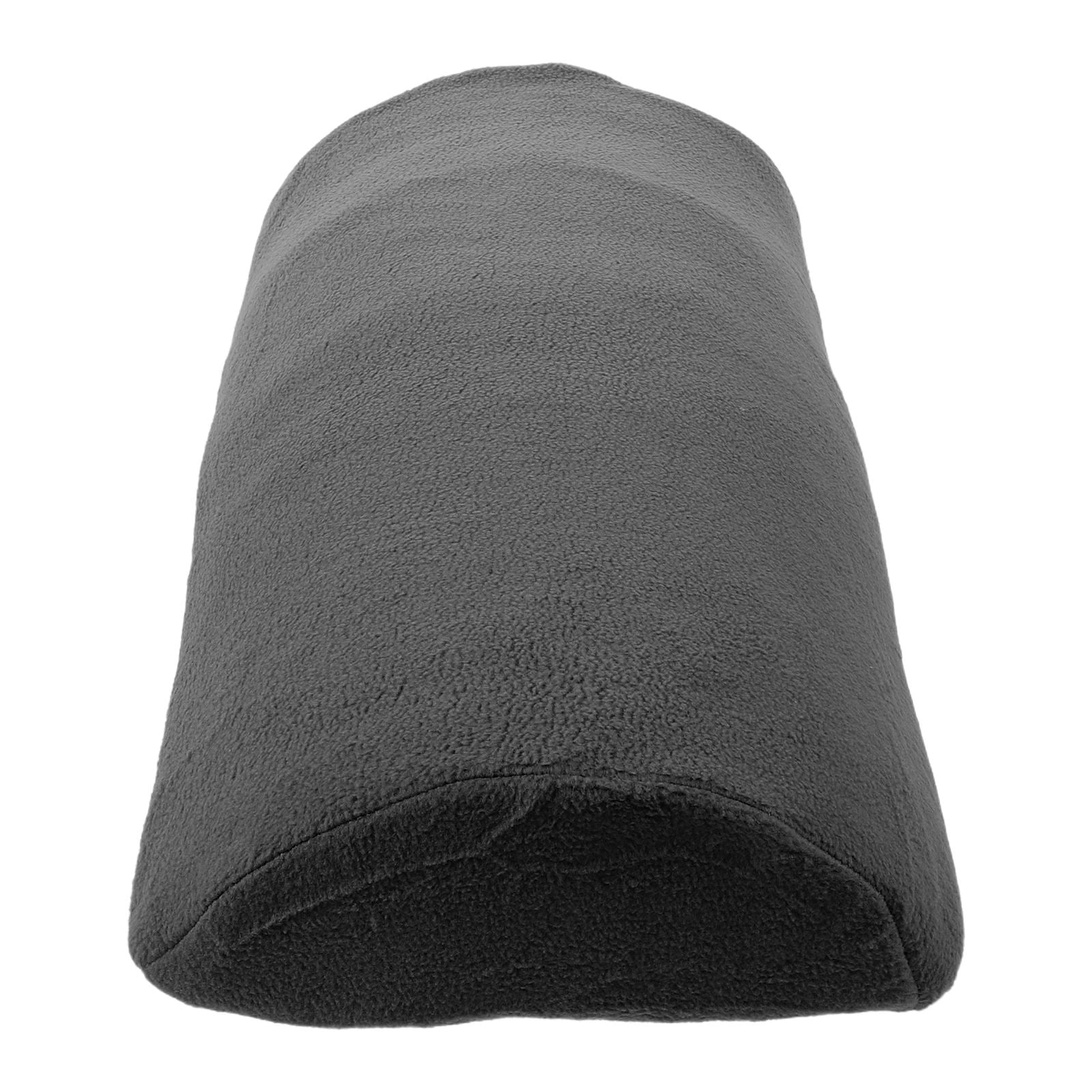
Sometimes the best solution is modular. A high-quality ergonomic chair paired with a memory foam foot stool offers ultimate flexibility. You can move the stool aside when not needed and use it to prop your feet up at any angle.
- Best for: People who already own a great chair but want to add leg elevation, or those who like to frequently change positions.
- Flexibility: You can use a rocking footrest to keep your legs in motion, which is excellent for circulation.
Health Benefits: More Than Just Comfort
Investing in a chair with leg elevation is an investment in your long-term physical health. Here are the scientifically-backed reasons to consider this feature:
| Health Factor | How Leg Elevation Helps | Executive Relevance |
|---|---|---|
| Venous Return & Circulation | Elevating legs uses gravity to assist blood flow back to the heart, reducing the pooling of blood in the lower extremities. | Prevents varicose veins and deep vein thrombosis (DVT) risk during long strategy sessions. |
| Spinal Decompression | When you recline with legs up, the angle reduces the compressive load on your lumbar discs by up to 30%. | Critical for executives who suffer from chronic lower back pain or sciatica. |
| Reduced Edema (Swelling) | Prolonged sitting with feet on the floor causes fluid to accumulate in ankles and feet. Elevation drains this fluid. | Maintains comfort during long flights or back-to-back meetings. |
| Mental Reset | The act of leaning back and elevating legs signals the parasympathetic nervous system to relax, reducing cortisol. | Quick 5-minute "leg up" breaks can reset focus and prevent burnout. |
How to Choose the Perfect Leg Elevation Chair: A Step-by-Step Guide
Navigating the market can be tricky. Follow this practical guide to ensure you pick a winner.
Step 1: Measure Your Space and Body
- Room dimensions: Measure the distance from your desk to the wall behind you. Chairs with attached ottomans need extra clearance when fully reclined.
- Your height: Taller individuals need a longer footrest surface to support the entire calf. Shorter users need a footrest that doesn't push them too far from the desk.
Step 2: Match the Mechanism to Your Tasks
Extendable footrest (quick deploy, keeps you close to desk).
Zero-gravity ottoman (perfect for leaning back).
Separate stool (removable for a professional look).
Quiet, smooth mechanism (no jerky movements on camera).
Step 3: Material & Durability Check
The leg rest mechanism is a moving part. It must be robust. Look for chairs with a steel frame and a gas lift cylinder rated for at least 50,000 cycles. For upholstery, consider:
- Mesh: Breathable, great for circulation, but ensure the footrest area is padded.
- Leather/Faux Leather: Easy to clean, looks executive, but can get sweaty behind the knees.
- Fabric: Soft and warm, but ensure it has a stain-resistant coating.
Step 4: Set Your Budget (Investment in Health)
Entry
Basic extendable footrest, mesh/fabric, good for home offices.
Mid-Range
Smooth synchronous mechanism, better lumbar support, premium materials.
Premium
Zero-gravity recline, top-grain leather, heavy-duty frame, full adjustments.
Frequently Asked Questions About Leg Elevation Chairs
Conclusion: Elevate Your Workday, Literally
An office chair with leg elevation is more than a luxury; it's a strategic tool for maintaining physical health and mental sharpness in a demanding work environment. By understanding the types—built-in footrests, attached ottomans, or separate stools—and matching them to your daily tasks, you can transform your workspace into a sanctuary of productivity and wellbeing. Whether you're closing a deal, coding the next big app, or managing a team, giving your legs the support they deserve will pay dividends in energy and focus. Explore the options above and take the first step toward a more comfortable, healthier work life.