
Why Office Chair Accessories Are a Smart Investment
Think of your office chair as the foundation of a house. Even the best foundation can be enhanced with the right interior design. Similarly, office chair accessories are the finishing touches that tailor your seating to your unique body and work style. According to the Ergonomics Health Association, 78% of workers who added after-market lumbar support reported a significant decrease in lower back fatigue within two weeks. Whether you're a CEO or a remote freelancer, accessories bridge the gap between a generic chair and a personalized wellness tool.
Did you know? The global office chair accessories market is projected to grow by 8.2% annually, driven by the rise of hybrid work and increased awareness of spinal health. It's not just about comfort—it's about long-term vitality.
The Ultimate Guide to Office Chair Accessories
We've broken down the world of accessories into five core categories. Each addresses a specific pain point or ergonomic goal. Use this guide to build your custom setup.
1. Lumbar & Posture Support: The Spine's Best Friend
Prolonged sitting often leads to slouching, which compresses spinal discs. A dedicated lumbar support accessory maintains the natural S-curve of your spine. Look for these options:
- Adjustable memory foam cushions with straps to secure them at the exact height of your lumbar curve.
- Inflatable lumbar bladders that allow you to increase or decrease support firmness throughout the day.
- Full-back mesh supports that attach to the chair and provide breathable, wraparound alignment.
Pro tip: If your chair has minimal built-in lumbar, a wedge-shaped cushion can also tilt the pelvis slightly forward, encouraging a healthier sitting posture.
2. Seat Cushions & Comfort Layers
Even high-end chairs can benefit from additional seat padding, especially if you experience "numb butt" or tailbone pain. The market offers specialized solutions:
- Gel-infused memory foam cushions distribute weight evenly and reduce heat buildup.
- Coccyx cutout cushions (donut-style but ergonomic) relieve pressure on the tailbone—ideal for post-injury recovery.
- Orthopedic seat wedges that adjust the angle of your thighs, reducing pressure on the back of the knees.
Data from the Journal of Physical Therapy Science indicates that using a gel seat cushion can reduce seated pressure on the ischial tuberosities by up to 32%.
3. Headrests & Neck Support Attachments
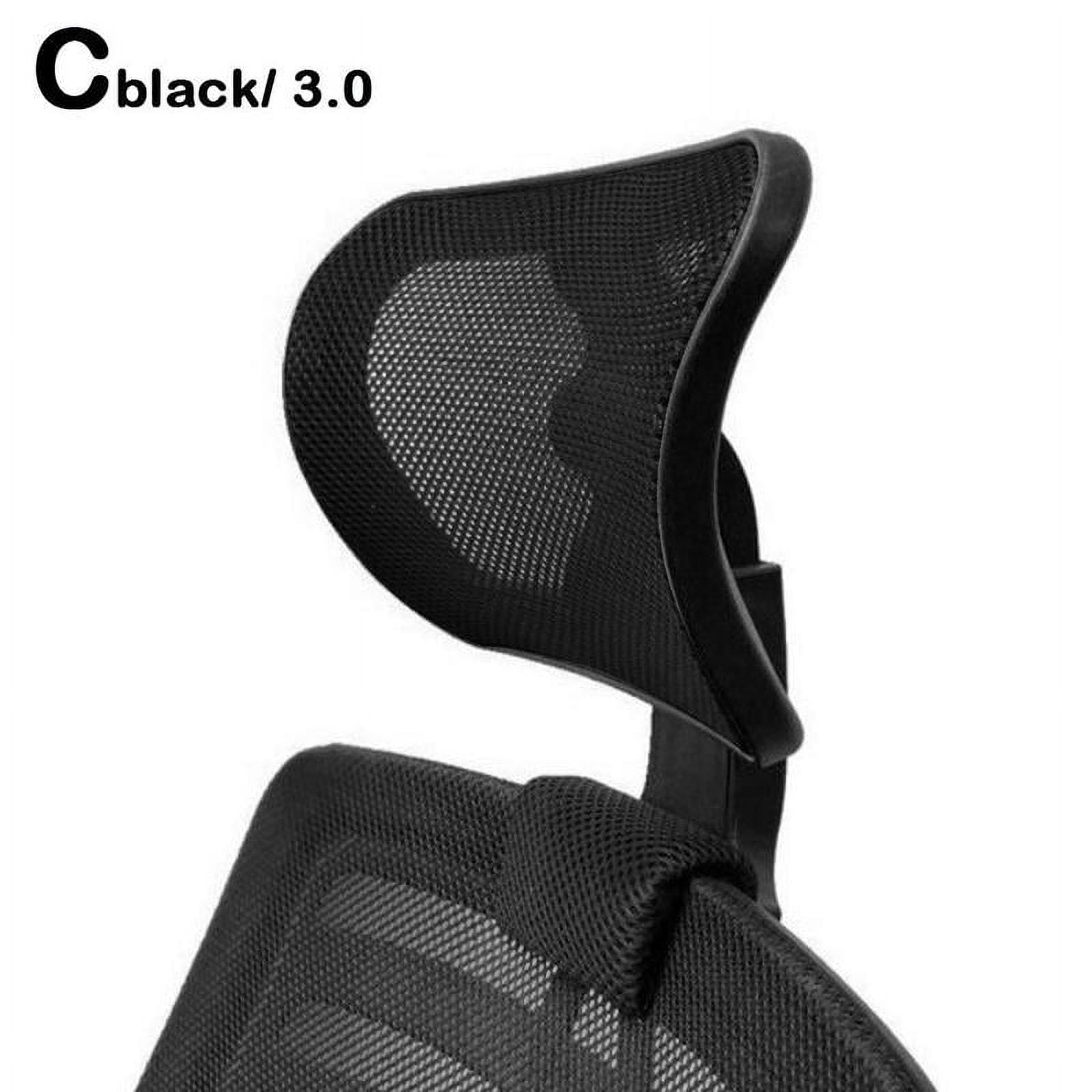
If your executive chair lacks a headrest, you're missing crucial support for your cervical spine—especially during micro-breaks when you lean back. Universal headrests are a game-changer:
- Clamp-on headrests with multi-axis adjustment (height, angle, and depth).
- Memory foam neck pillows that attach via elastic straps; perfect for napping or reclining.
- Mesh headrests that maintain airflow and prevent heat accumulation behind the head.
Many users report a 40% reduction in neck stiffness after adding a quality headrest to a task chair.
4. Mobility & Floor Protection: Casters & Mats
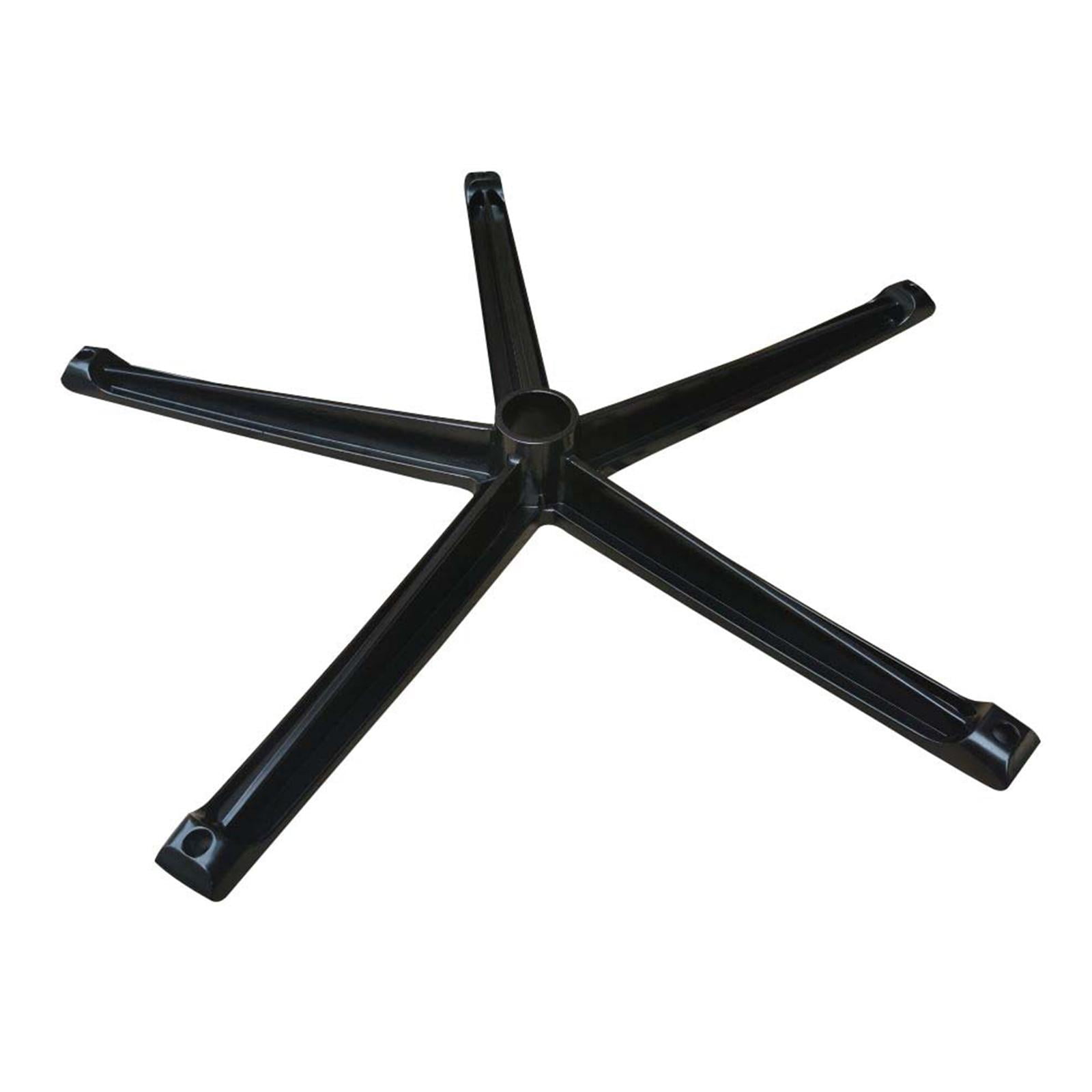
The interface between your chair and the floor is often overlooked. Upgrading casters and adding a mat can revolutionize your movement dynamics.
- Rollerblade-style polyurethane casters glide silently and are safe for hardwood, tile, and low-pile carpets. They resist hair and lint buildup.
- Heavy-duty nylon casters for thick carpets, providing stability and easier rolling.
- Office chair mats: choose hard floor mats with a smooth surface or carpet mats with gripper spikes. Polycarbonate mats are virtually unbreakable.
Analogy: Think of standard casters as bicycle tires on a rocky road; upgrading to polyurethane wheels is like swapping to all-terrain tires—everything becomes smoother and quieter.
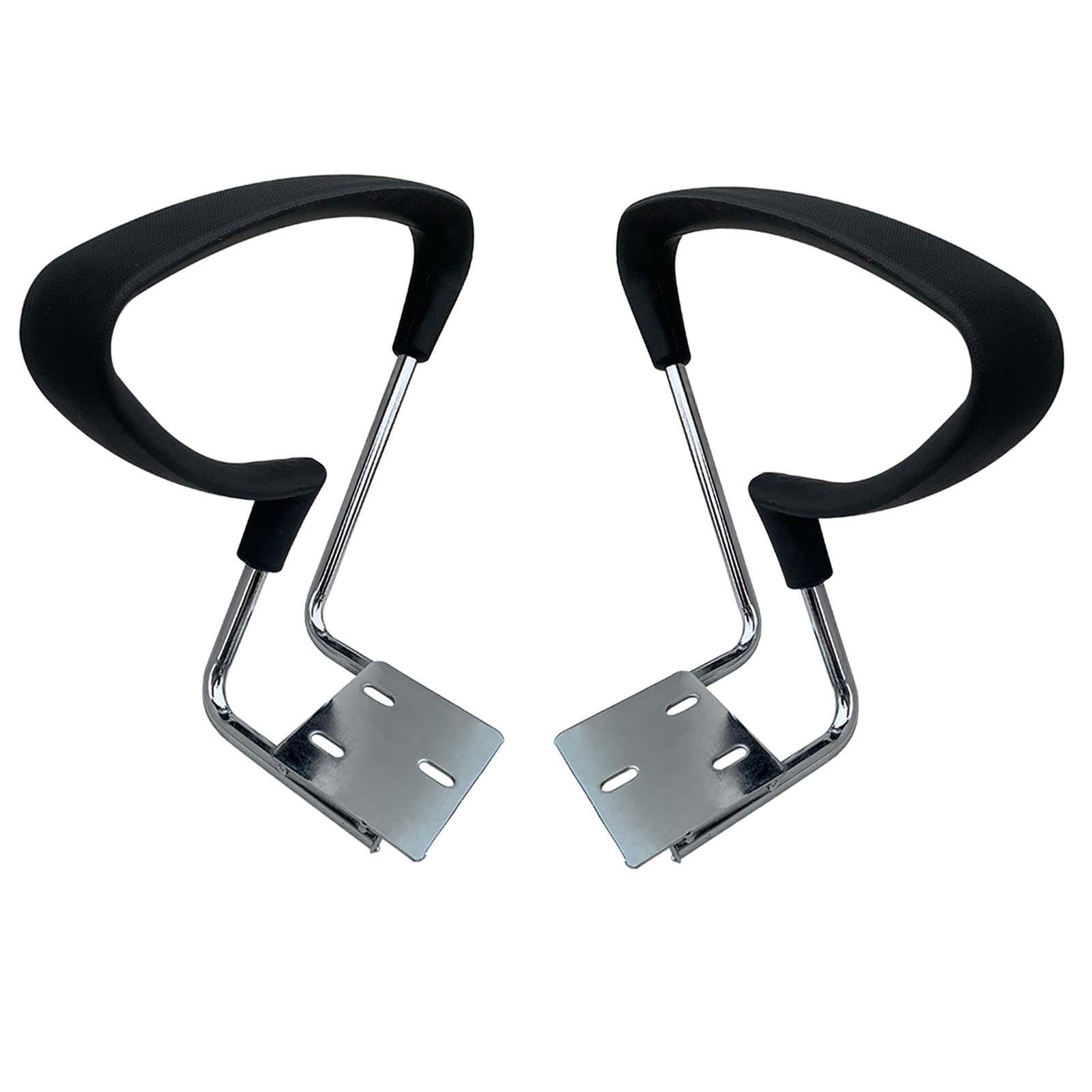
5. Armrest Enhancements & Workspace Integration
Fixed or hard armrests can cause elbow discomfort. Accessories here provide custom comfort and utility:
- Gel or memory foam armrest pads that strap on, softening the surface and reducing pressure on ulnar nerves.
- Adjustable armrest toppers that add width or height adjustment to existing fixed arms.
- Clip-on desk mounts or trays that turn armrests into a small platform for a trackpad or notepad.
Quick Impact Comparison
| Accessory Type | Primary Benefit | Typical Price Range |
|---|---|---|
| Lumbar cushion | Reduces lower back pain by 50-60% | $25 – $60 |
| Gel seat cushion | Decreases sitting fatigue for 8+ hour days | $30 – $80 |
| Universal headrest | Supports neck, reduces forward head posture | $40 – $100 |
| Rollerblade casters (set of 5) | Silent movement, protects floors | $25 – $70 |
| Memory foam arm pads | Eliminates "hard armrest" numbness | $15 – $40 |
Frequently Asked Questions About Office Chair Accessories
Conclusion: Build Your Perfect Seating Ecosystem
Office chair accessories are not just add-ons; they are essential tools for crafting a workspace that respects your body's needs. Whether you invest in a $30 lumbar pillow or a $100 set of silent casters, each accessory works in harmony to reduce fatigue, improve posture, and boost productivity. Start by identifying your biggest pain point—be it back ache, neck stiffness, or noisy rolling—and select the accessory that targets it. Remember, a $500 chair with $150 of well-chosen accessories can outperform a $1,200 stock chair. Explore the products below and take the first step toward a healthier, more comfortable workday.