
Why Your Next Office Chair Needs Mesh Back Support
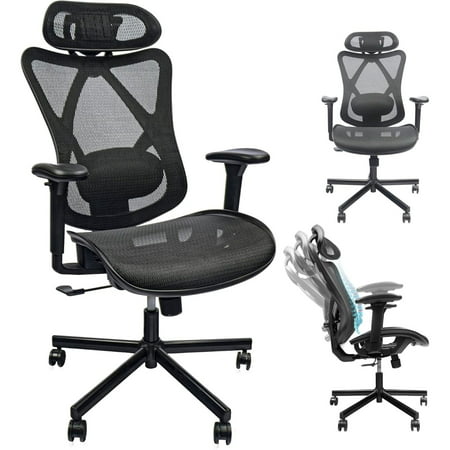
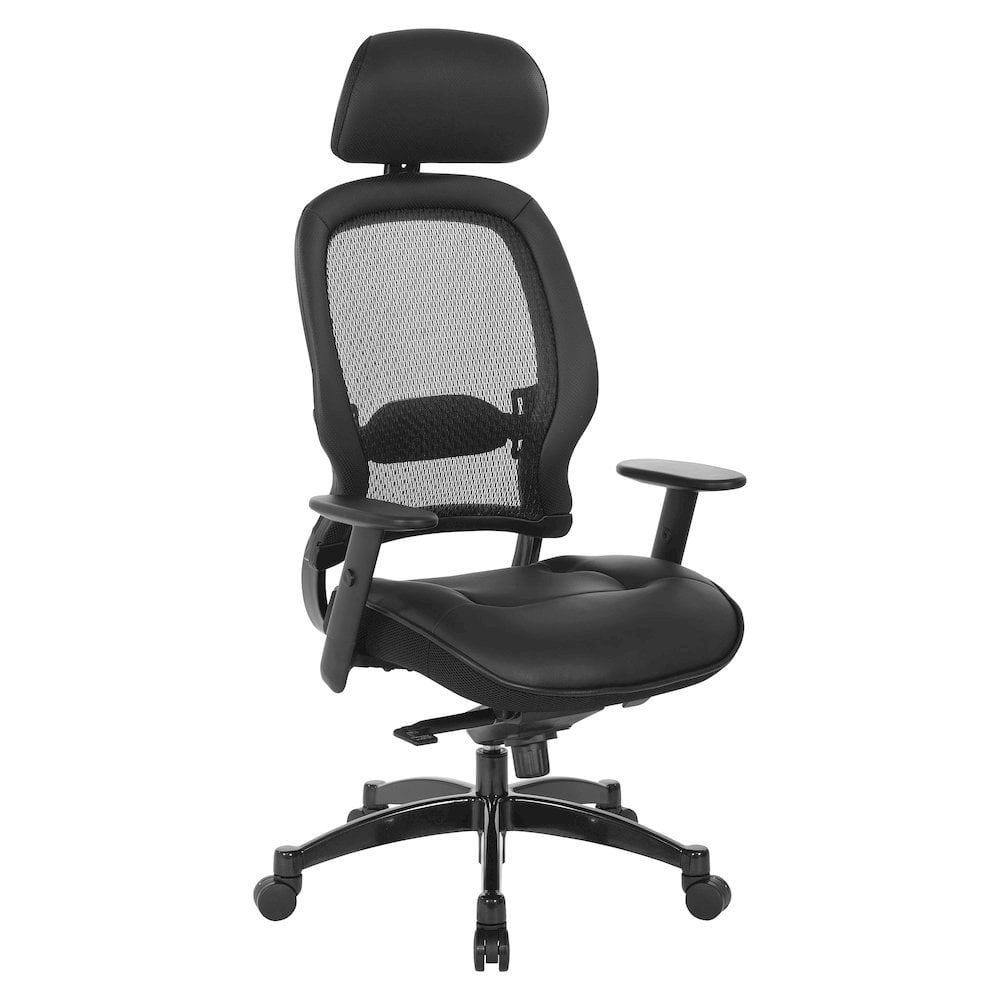
Imagine sitting in your office chair for eight hours on a warm afternoon. With a traditional leather or thick fabric chair, you might end the day with a sweaty back and an achy spine. A mesh back support office chair solves both problems at once. It acts like a high-performance sports jersey for your workspace—actively wicking away heat and conforming to your body's movements. But it's not just about staying cool. The 'support' part of the equation is crucial. These chairs are engineered with built-in or adjustable lumbar support that acts as a scaffolding for your lower back, encouraging you to sit tall and avoid the dreaded afternoon slouch. For anyone spending long hours at a desk, this combination of breathability and ergonomic design is a game-changer for both comfort and long-term spinal health.
The Science of Breathability and Support: How Mesh Chairs Work
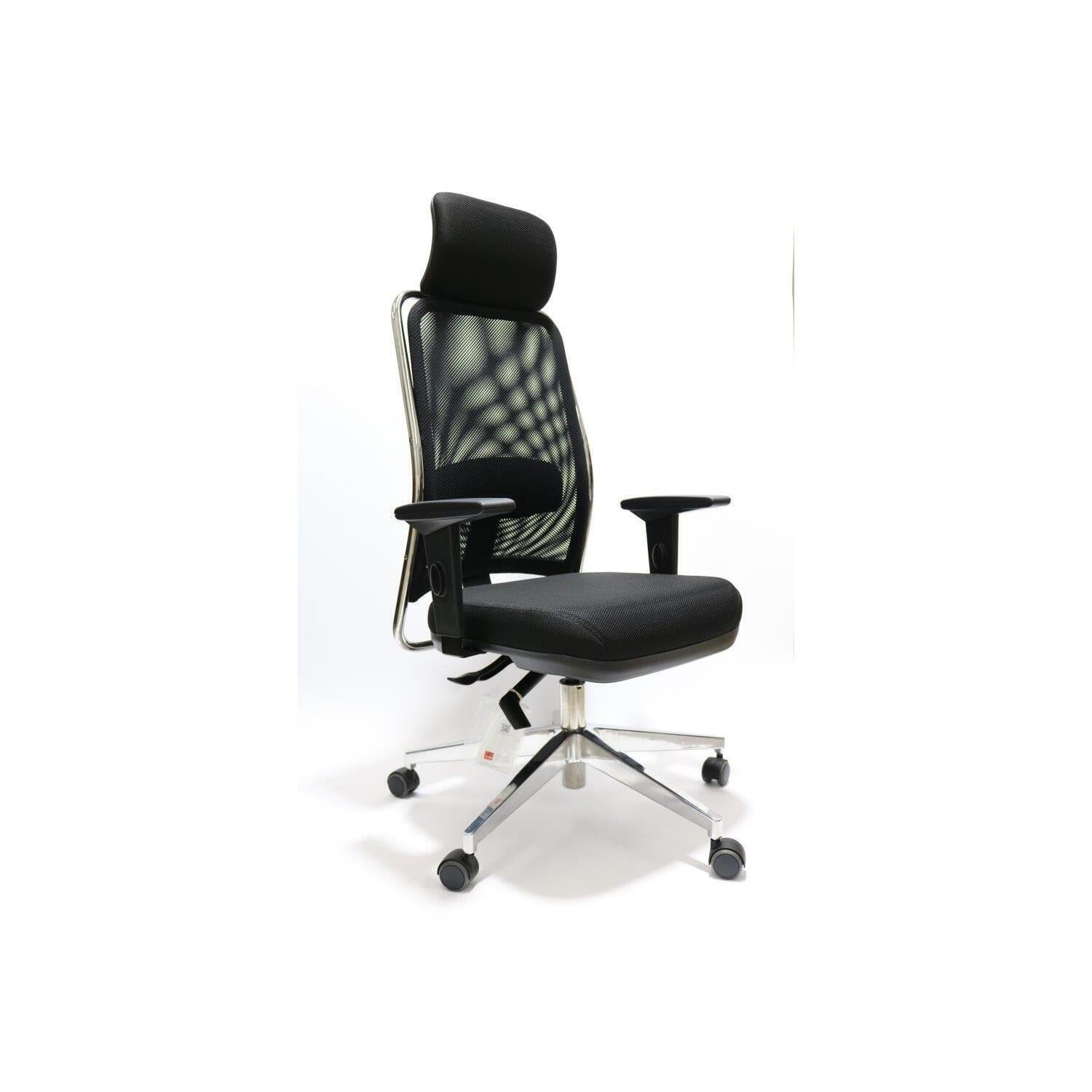
The magic of a mesh back chair lies in its dual-action design. Unlike solid materials that trap heat, the thousands of tiny openings in the mesh create a passive ventilation system. As you move, air is constantly circulated, preventing the microclimate against your back from overheating. This is backed by thermal comfort studies which suggest that maintaining a stable skin temperature significantly improves concentration. On the support side, the tension of the mesh fabric creates a hammock-like effect that dynamically responds to your spine's shape. However, to be truly supportive, most quality chairs add a second layer:
Types of Lumbar Support Systems in Mesh Chairs
- Integrated Lumbar Curve: The mesh frame itself is molded to include a pronounced forward curve at the lower back. This provides passive support and is best for users with a general need for posture correction.
- Adjustable Lumbar Pad: A separate padded cushion attached to the front of the mesh or integrated behind it. These pads can often be moved up and down to match the exact height of your waistline, and sometimes in and out to increase or decrease the pressure against your back.
- Dynamic Tension Control: Some high-end chairs allow you to tighten or loosen the mesh tension itself, effectively changing how much the backrest yields when you lean. This is like having a custom-tuned suspension for your spine.
Beyond the Back: Critical Features of a Complete Mesh Chair
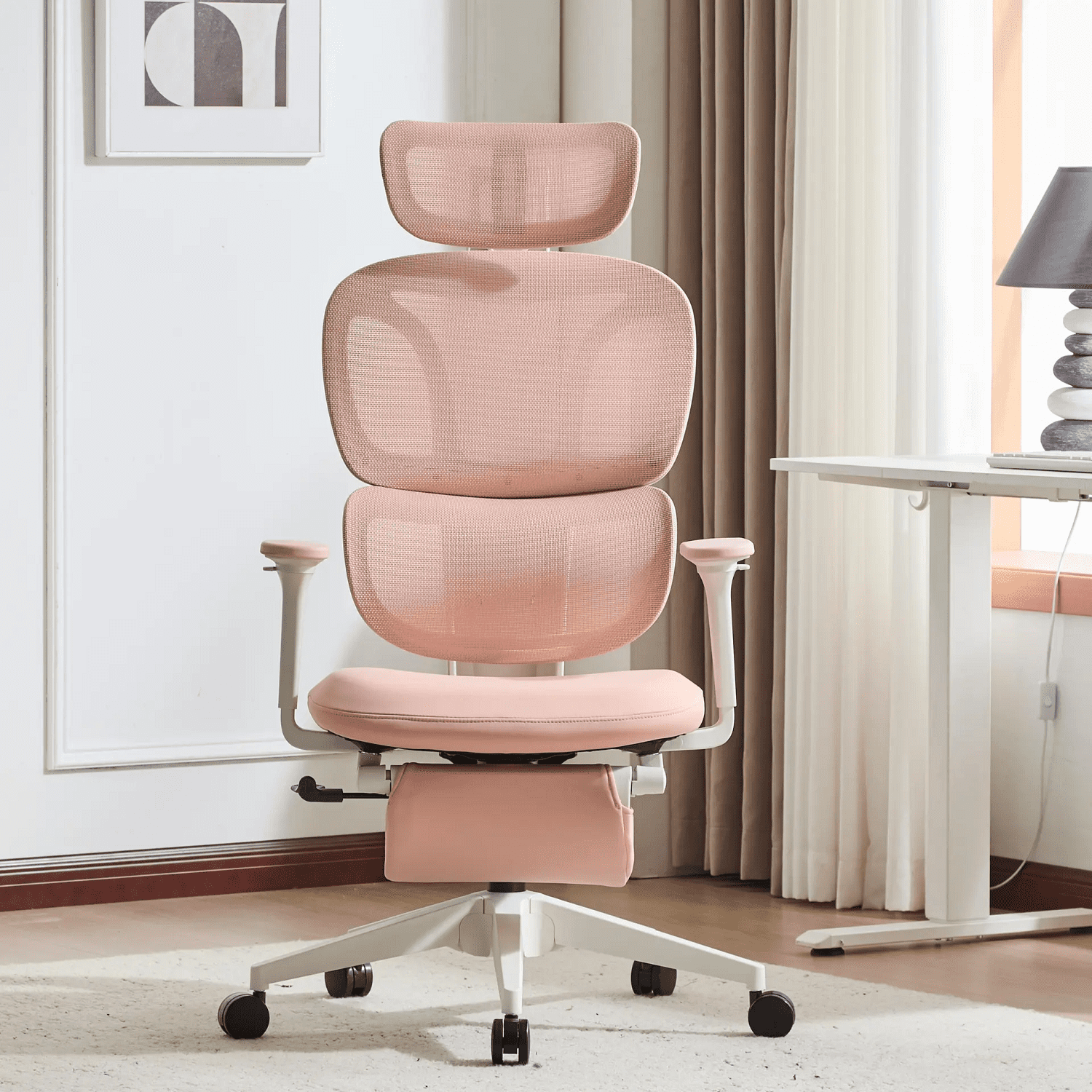
A great mesh back is the star player, but it needs a solid team around it. When evaluating chairs, pay attention to these supporting features, as they determine the overall seating experience:
- Seat Material: While the back is mesh, the seat can be mesh, fabric, or foam. A full-mesh chair offers maximum breathability, while a contoured foam seat (often with a mesh cover) provides more plush comfort. Consider your preference for firmness.
- Adjustability Arsenal: Look for chairs with seat depth adjustment (sliding the seat pan forward/backward). This ensures your thighs are fully supported without pressure behind the knees, which is vital for circulation.
- Synchronized Tilt Mechanism: This allows the seat and backrest to move in a coordinated ratio (often 2:1 or 3:1) as you recline. It keeps you supported in a healthy posture whether you're typing upright or leaning back to think.
- 4D Armrests: Adjustable armrests that move up/down, forward/back, left/right, and pivot are a hallmark of a premium ergonomic chair. They allow you to park your arms at a perfect 90-degree angle, reducing shoulder strain.
Who Benefits Most from a Mesh Back Support Chair?
While almost anyone can benefit, certain groups find mesh chairs indispensable:
According to a 2023 survey by the Ergonomic Trends Institute, workers who switched to a high-quality mesh back chair reported a 47% reduction in perceived back fatigue and a 38% improvement in overall work comfort after just two weeks.
Frequently Asked Questions About Mesh Back Support Office Chairs
Conclusion: Invest in Airflow and Alignment
Choosing a mesh back support office chair is a decision to prioritize both your physical comfort and your work environment. It's an investment in a workspace that adapts to you, keeping you cool under pressure—both literally and figuratively. By focusing on key features like adjustable lumbar support, seat depth, and a synchronized tilt mechanism, you can find a chair that feels like it was made for you. Don't let another day pass sitting in a chair that leaves you hot and achy. Make the switch to breathable, supportive seating and feel the difference in your focus and well-being from day one.