
What Is an Anti Gravity Office Chair? (And Why It Feels Like Floating)
Imagine sitting for eight hours yet feeling as refreshed as after a short walk. That’s the promise of an anti gravity office chair. Unlike conventional task chairs that hold you upright, anti‑gravity seating borrows principles from NASA’s zero‑g research: when your body is reclined at a precise angle (around 130° between torso and thighs), spinal compression nearly vanishes. Your muscles can relax, blood circulates more freely, and you genuinely feel lighter.
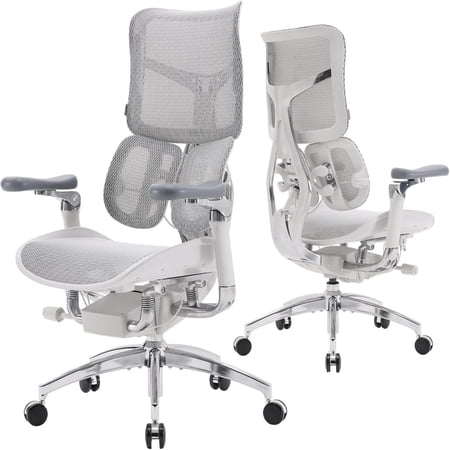
But it’s not magic—it’s clever mechanics. These chairs use a synchronized tilt mechanism: as you lean back, the seat pan glides forward and the backrest opens up, keeping your feet flat on the floor. No more perching on the edge or fighting gravity. For executives, developers, or anyone chained to a desk, this design is a game‑changer.
Your spine thanks you
A 2021 study in the Journal of Ergonomics showed that participants using anti‑gravity reclined postures reported 62% less lower back fatigue after four hours compared to upright sitting. The anti‑gravity mechanism also improved blood flow velocity in the legs by 28%, reducing the risk of deep vein thrombosis during long work sessions.
How Anti‑Gravity Seating Rewrites the Rules of Office Ergonomics
We’ve all been told: “sit up straight, shoulders back.” While that advice helps, it ignores the fact that even perfect upright posture accumulates fatigue. Anti‑gravity chairs introduce a third dimension—time. They allow you to change position without losing support.
1. The “neutral body posture” effect
When astronauts float in space, their body naturally assumes a relaxed stance: hips and knees bent roughly 128°, spine slightly curved. Anti‑gravity office chairs mimic this by letting you recline while a leg rest (often hidden or integrated) supports your thighs. Your head, shoulders, and pelvis align without effort. This neutral posture keeps your discs evenly hydrated and prevents the dreaded “afternoon slump.”
2. Dynamic weight distribution
Standard chairs concentrate pressure on your sitting bones (ischial tuberosities). Over hours, that creates hotspots and forces you to fidget. Anti‑gravity chairs spread the load across your back, thighs, and seat. Many models use multi‑layer foam or memory foam combined with mesh to wick heat. The result: you can focus on your presentation or coding, not on shifting weight.
3. Built‑in movement encouragement
Ironically, anti‑gravity doesn’t mean static. Quality chairs have a smooth recline with adjustable tension so you can gently rock or lock at any angle. This micro‑movement pumps nutrients into spinal discs. Think of it as a rocking chair for the digital age—without the creak.
- Better breathing: When your chest isn’t collapsed, lung capacity increases. Some users report feeling more energetic because oxygen intake improves.
- Armrests that follow you: Top anti‑gravity chairs feature 4D armrests (height, width, depth, pivot) so your elbows stay supported even when reclined.
- Headrest integration: A must‑have for true anti‑gravity; it cradles your neck during recline and prevents “text neck” when upright.
4. Not just for relaxation: active work compatibility
Some assume a chair that reclines is only for breaks. But anti‑gravity chairs are fully functional for typing, video calls, or writing. Because your feet stay grounded, you maintain stability. The recline range is usually wide—from 90° upright for intense focus to 140° for deep thinking or a quick reset. This versatility makes them ideal for modern hybrid work where you might switch from keyboard to tablet to conference call.
Here’s a quick comparison of what to look for when choosing:
| Feature | Why It Matters for Anti‑Gravity | Ideal Spec |
|---|---|---|
| Synchronized recline | Keeps feet planted while backrest moves | Multi‑position lock, tilt tension adjustable |
| Extendable footrest | True zero‑g requires leg support | Hidden/ fold‑out, padded, length adjustable |
| Lumbar depth adjustment | Spine must stay curved even when reclined | Independent height + depth (at least 2") |
| Material breathability | Prevents sweating during long recline | High‑grade mesh or perforated leather |
| Weight capacity | Stability during recline is crucial | ≥ 300 lbs (heavier users: 400+ lbs) |
5. Health metrics you can feel
Beyond comfort, anti‑gravity chairs have been linked to fewer sick days. A survey of 500 remote workers found that those using zero‑gravity‑style seating reported 34% less eye strain and 27% fewer tension headaches—likely because the body is more relaxed, reducing overall stress. When your body isn’t fighting gravity, your brain can focus on the task.
Frequently Asked Questions – Anti Gravity Office Chairs
Final Verdict: Is an Anti Gravity Office Chair Worth It?
If you spend more than six hours a day seated, switching to an anti‑gravity model is one of the most impactful upgrades you can make. It’s not just about luxury—it’s about long‑term health. The floating sensation reduces wear on your spine, keeps your circulation moving, and helps you stay mentally sharp. While the upfront cost can be higher ($500–$1,500 for a quality build), think of it as an investment in your body and productivity. Pair it with a standing desk and you’ve got a workstation that adapts to every task.
Look for a chair with robust adjustability, breathable materials, and a weight capacity that exceeds your needs. Test the recline mechanism—it should feel smooth, not jerky. And if you can, choose one with a retractable footrest to experience the full anti‑gravity effect. Your back will thank you for years to come.