

Beyond the Static Cube: Why Your Chair Needs to Move
For decades, the standard office chair has been a static throne—a fixed point in space designed to keep you planted. But our bodies are not designed for stasis. They crave movement, even while we work. This is where the concept of a flexible seating office chair changes the game. Think of it not as a restraint, but as a dynamic partner in your workday, a platform that supports your body's natural desire to shift, tilt, and engage.
The Science of Movement: Research from ergonomists at institutions like Cornell University suggests that "dynamic sitting," where the body is in constant, subtle motion, can increase spinal disc metabolism by up to 30% and significantly reduce the risk of musculoskeletal disorders compared to static sitting. A flexible seating office chair is your tool for harnessing this science.
What Defines a Flexible Seating Office Chair?
Unlike traditional chairs that lock you into one position, flexible seating chairs are engineered with mechanisms that promote motion. They are the antithesis of the rigid, high-backed executive chair. Instead, they feature:
- Dynamic Tilt Mechanisms: Chairs that allow the seat and back to move independently, following your body's natural leans and shifts.
- Active Sitting Concepts: Designs like kneeling chairs or saddle seats that encourage an open hip angle and naturally engage your core for balance.
- Wobble or Rocking Bases: Stools or chairs on a rounded base that allow for 360-degree movement, micro-adjusting your position constantly.
- Perching Capability: High-height chairs that let you "perch" on the edge, reducing pressure on your legs and promoting a more alert posture.
The Core Benefits: More Than Just Comfort
Switching to a flexible seating model is an investment in your physical well-being and cognitive performance. The benefits are profound:
Improved Posture
Encourages a neutral spine by preventing slouching and promoting core engagement.
Enhanced Core Strength
Constant micro-adjustments work your abdominal and back muscles throughout the day.
Better Circulation
Movement prevents blood from pooling in your legs, reducing fatigue and the risk of DVT.
Increased Focus
Gentle motion can stimulate the nervous system, helping to maintain alertness and reduce the afternoon slump.
Exploring the Landscape of Flexible Seating
The world of flexible seating is diverse. Choosing the right type depends on your work style and personal comfort. Let's explore the main categories.
1. Kneeling Chairs: The Posture Perfectors
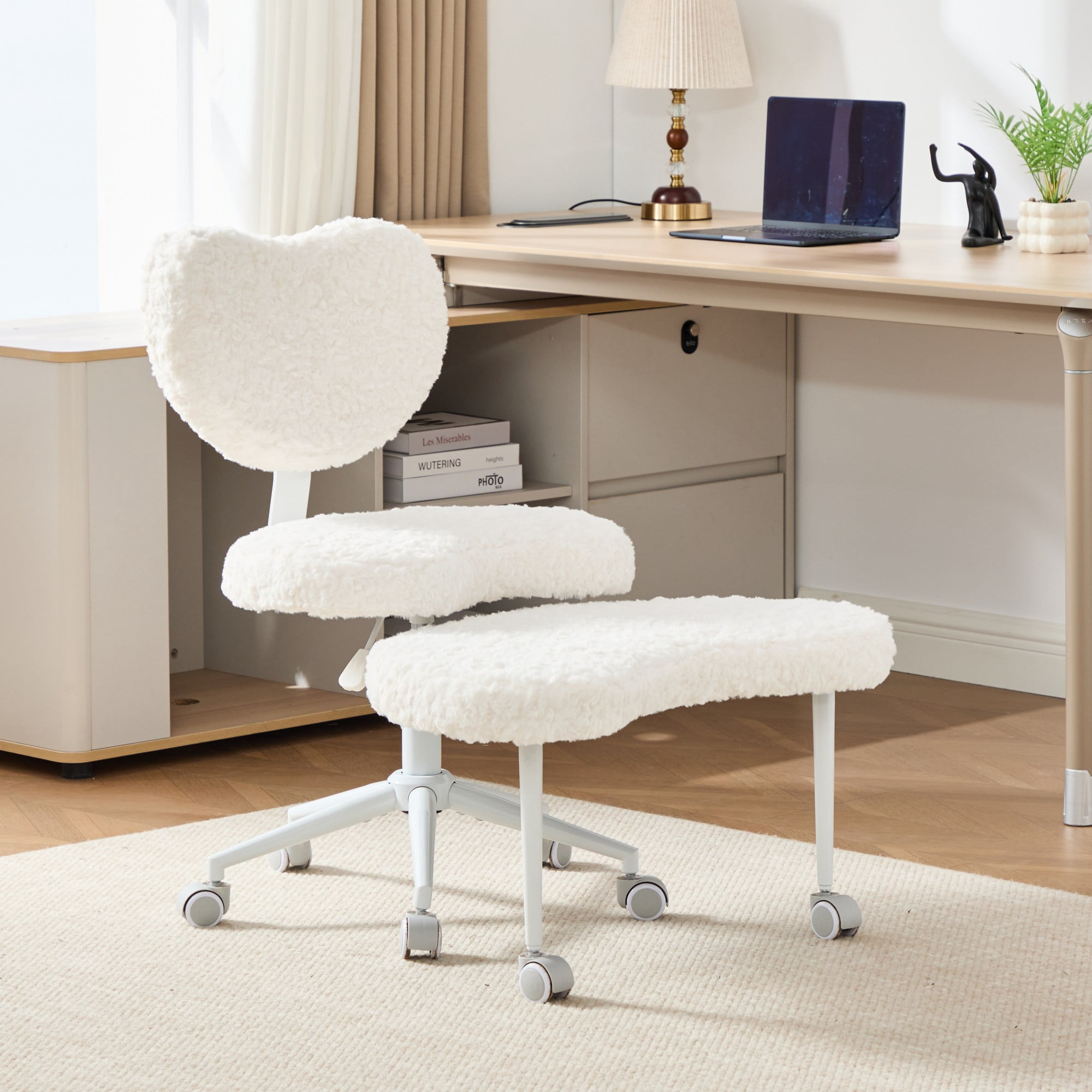
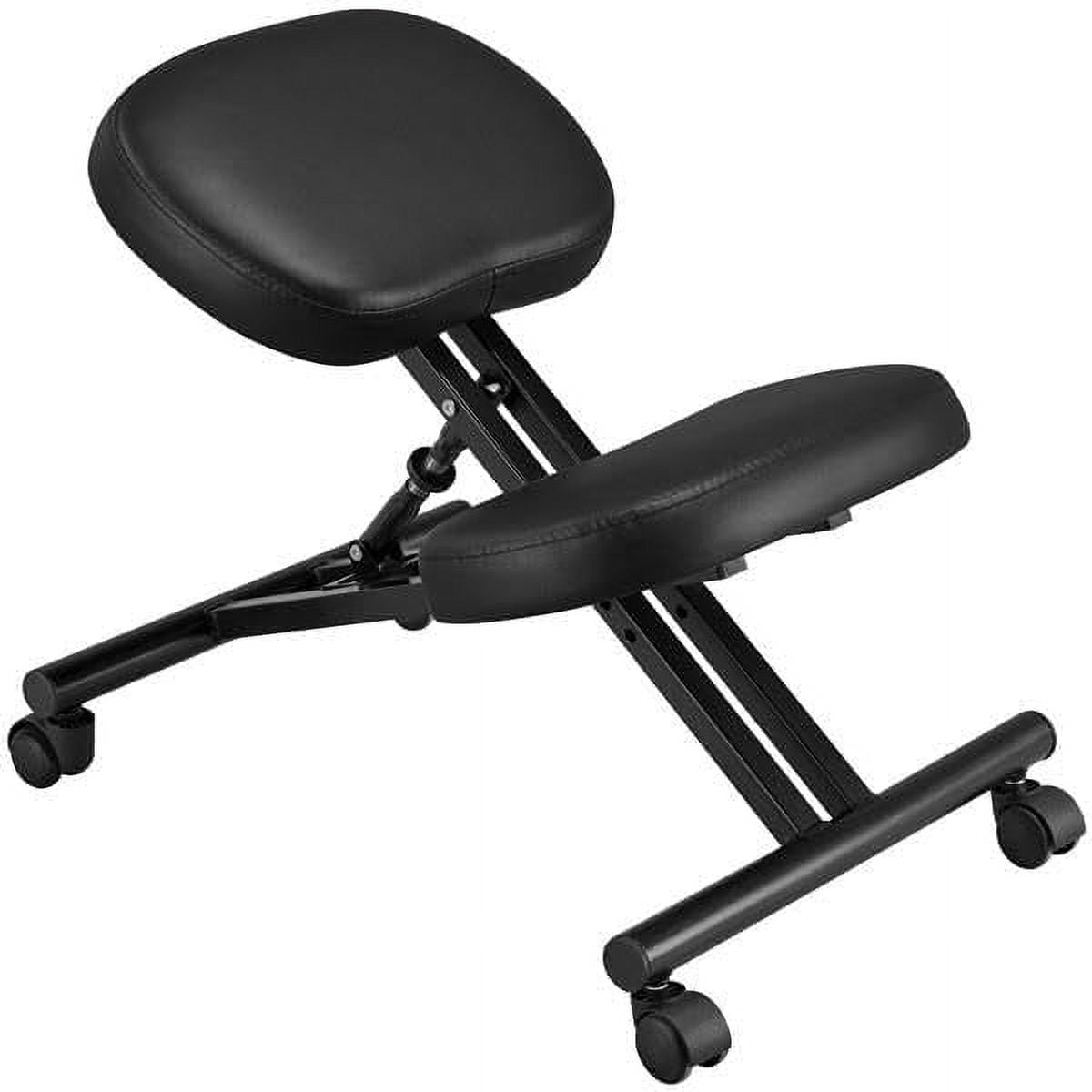
Inspired by the kneeling position, these chairs feature a forward-tilting seat and shin pads. They shift your weight forward, naturally aligning your spine into a perfect 'S' curve and opening up your hip angle to nearly 140 degrees. This can significantly reduce lower back strain. They are excellent for focused tasks but may take a session or two to get used to.
2. Saddle Chairs: The Equestrian Approach
Modeled after an equestrian saddle, this chair forces you to sit with your legs apart and slightly angled down. This position aligns the spine, pelvis, and thighs optimally. Saddle chairs are a favorite among dentists, surgeons, and designers who need to lean forward frequently, as they provide excellent freedom of movement for the upper body.
3. Wobble Stools and Active Stools: The Core Engagers
These typically backless stools sit on a rounded or tilting base. The instability, while subtle, forces your core muscles to constantly fire to keep you upright. They are the ultimate tool for building strength while you work. They are particularly effective for short to medium-term tasks and environments that require frequent standing up and sitting down.
4. Chairs with Dynamic Tilt Mechanisms
For those who aren't ready to give up a traditional backrest, many high-end ergonomic chairs now incorporate advanced "synchronous tilt" mechanisms. These allow the seat and backrest to move in a coordinated, natural ratio as you recline or lean forward, ensuring continuous lumbar support through every degree of motion.
How to Transition to a Flexible Seating Office Chair
Jumping into a kneeling chair for eight hours straight on day one is a recipe for sore muscles. Your body needs time to adapt to this new way of sitting. Follow this step-by-step approach:
- Start Slow: Use the new chair for just 1-2 hours on your first day. Pay attention to how your back and core feel.
- Alternate Seating: For the first week, alternate between your new flexible chair and your old traditional chair every hour or so.
- Listen to Your Body: Some muscle soreness is normal as your core strengthens, but sharp pain is a sign to stop and reassess.
- Gradually Increase Time: Slowly increase your time in the flexible chair over 2-3 weeks until you can comfortably use it for most of your workday.
- Combine with a Standing Desk: The ultimate setup is a standing desk paired with a flexible seating chair. This allows you to cycle between active sitting and standing, creating the most dynamic and healthy workspace possible.
Who is the Ideal Candidate for Flexible Seating?
While the benefits are universal, some people will find these chairs particularly transformative:
- Individuals with Chronic Back Pain: Especially those whose pain is exacerbated by static sitting.
- Professionals with Long Sitting Hours: Programmers, writers, and analysts who sit for 8+ hours daily.
- People Recovering from Injury: Under guidance, active sitting can help strengthen supporting muscles.
- Those Seeking More Energy: If you often feel lethargic by mid-afternoon, the increased movement can help maintain alertness.
Key Features to Look For: A Buyer's Checklist
When you're ready to purchase, use this checklist to ensure you get the right chair for your needs:
| Feature | Why It Matters | What to Look For |
|---|---|---|
| Height Adjustability | Critical for ensuring your thighs are parallel to the ground (or at the correct angle) and your feet are flat. | A wide pneumatic range that matches your desk height. |
| Range of Motion | Determines how much the chair will move with you. Too little and it's static; too much and it can be distracting. | Adjustable tilt tension or a stable but responsive wobble base. |
| Weight Capacity & Build | Flexible chairs, especially kneeling and wobble stools, undergo unique stresses and need robust construction. | A solid base (often steel) and a weight capacity well above your weight (aim for a minimum of 250-300 lbs). |
| Material & Padding | Comfort is key. The material should be breathable and the padding sufficient for the unique pressure points of the chair type. | High-density foam on kneeling pads or saddle seats, breathable mesh or durable fabric. |
| Floor Compatibility | The base material can damage hardwood or carpet if not designed properly. | Soft, non-marking casters for hard floors or glides for carpets. |