
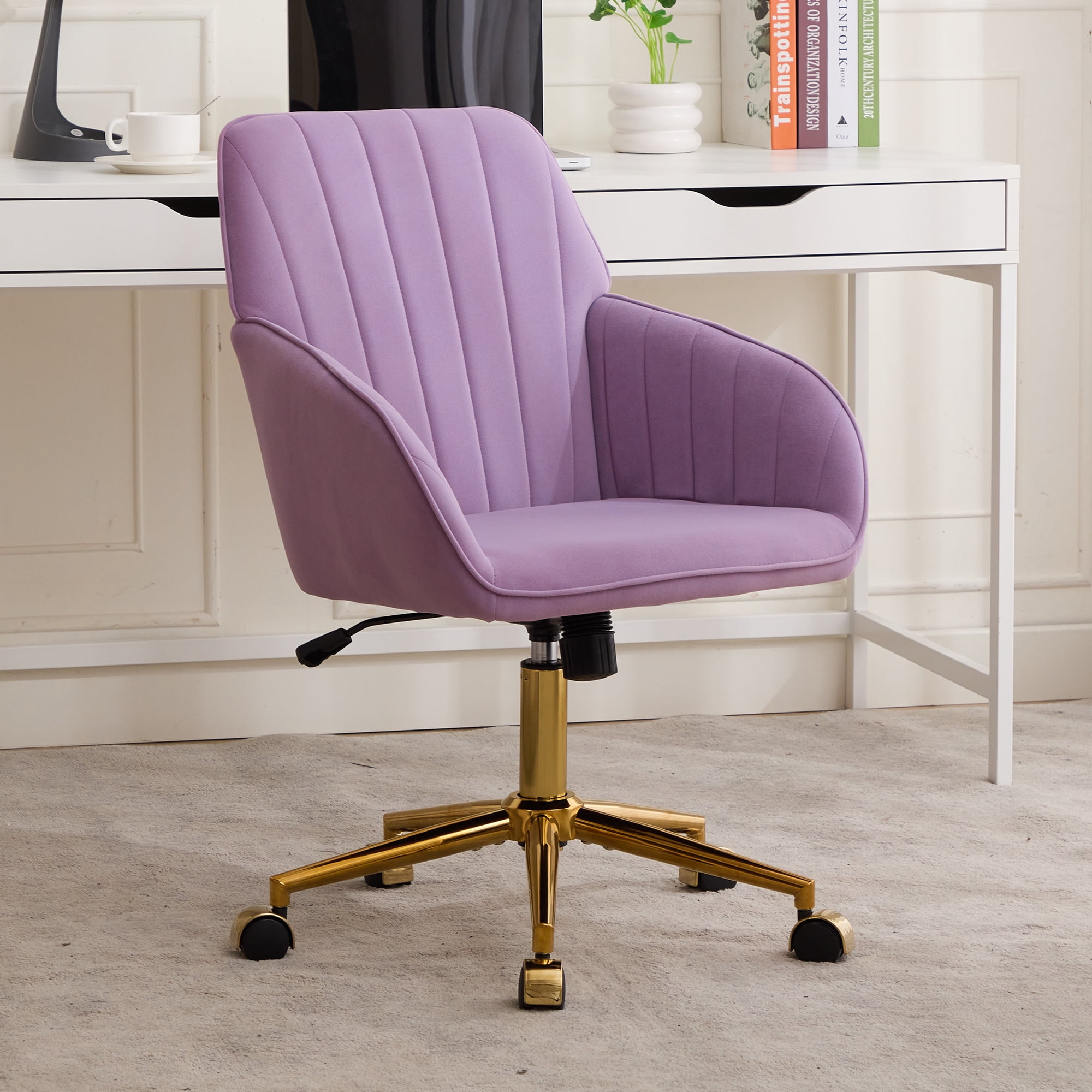
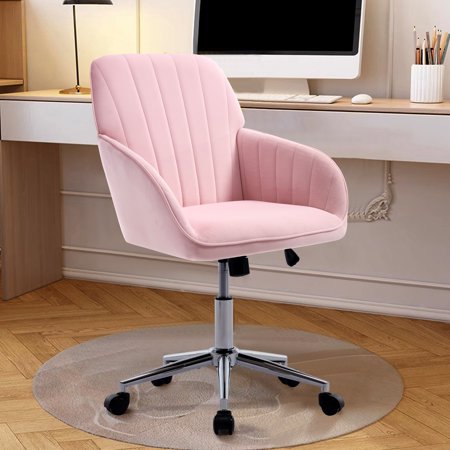
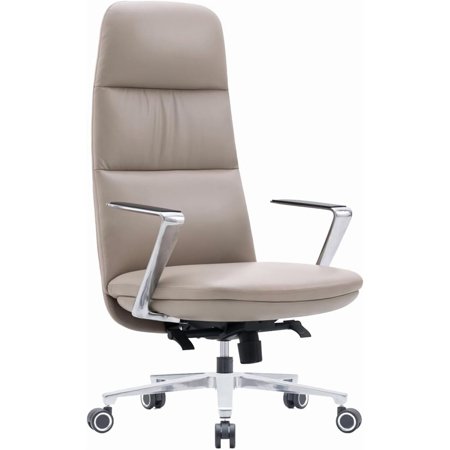
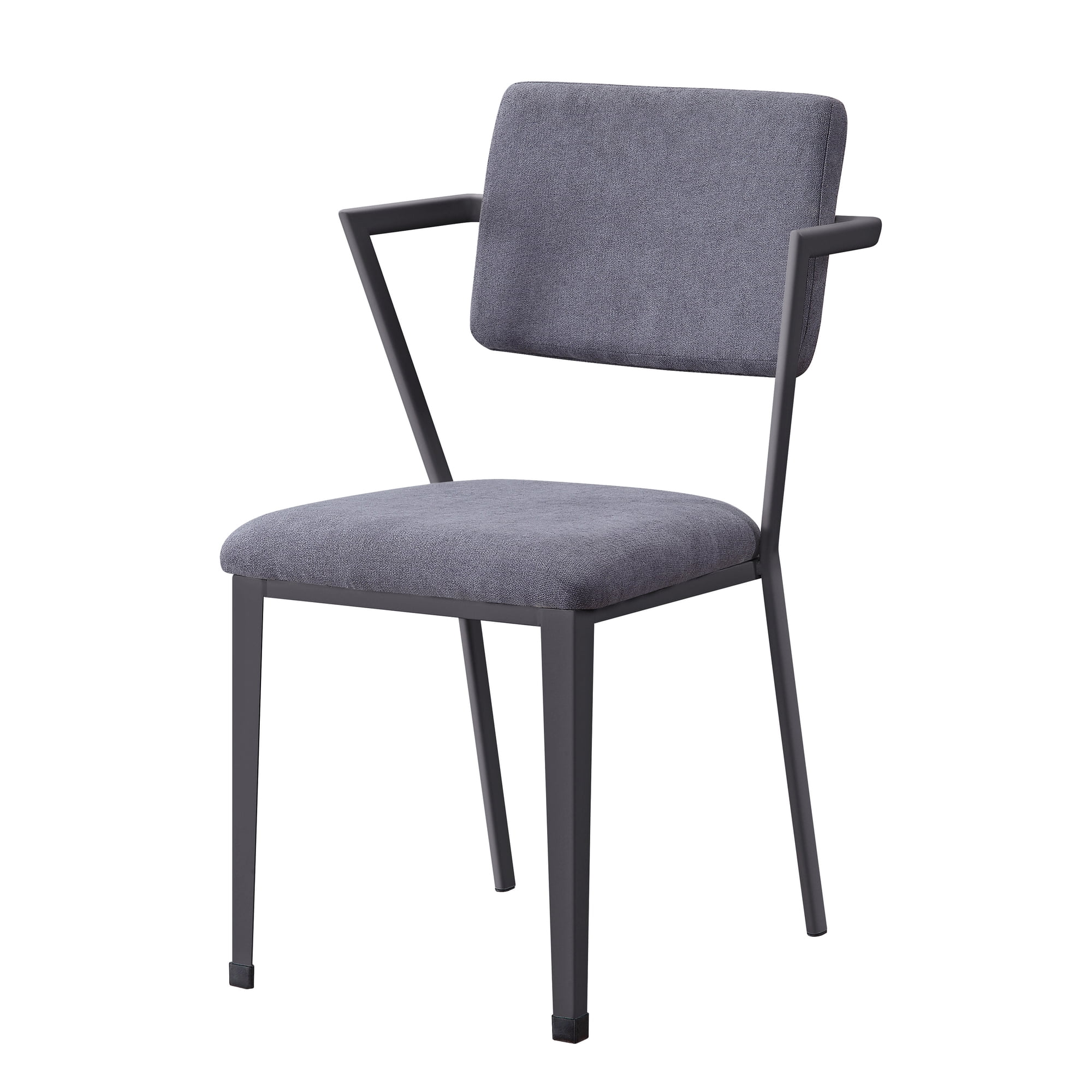
The Science of Sitting: Why Premium Ergonomic Office Chairs Matter
Think of your office chair as the foundation of your workspace. Just as a builder wouldn't compromise on a building's foundation, you shouldn't compromise on the chair that supports you for 40+ hours each week. A premium ergonomic office chair isn't just furniture—it's biomechanical equipment designed to work with your body's natural movements and support systems.
The Hidden Cost of Poor Seating: The average office worker sits for 7.7 hours daily. According to the American Chiropractic Association, back pain is the single leading cause of disability worldwide, with poor seating posture contributing to 80% of cases. Investing in proper ergonomic seating isn't an expense—it's preventive healthcare.
Beyond Basic Adjustability: What Defines a Premium Ergonomic Chair?
A basic office chair offers height adjustment and maybe a tilt function. A true premium ergonomic chair is a sophisticated system of interconnected adjustments that work together. Here's what separates exceptional chairs from ordinary ones:
🔧 4D Armrests
Adjustable in height, width, depth, and angle. Your arms should rest naturally with shoulders relaxed, elbows at 90 degrees. Quality armrests move with you, not against you.
🌊 Dynamic Lumbar Support
Not just a bump in the backrest. Premium chairs feature independently adjustable lumbar support that moves with you, maintaining proper spinal curve whether you're leaning forward or reclining.
📏 Seat Depth Adjustment
Critical for proper thigh support. You should fit 2-3 fingers between the seat edge and the back of your knee. Adjustable seat pans accommodate different leg lengths.
🔄 Synchronous Tilt Mechanism
The seat and backrest move together in a natural ratio (often 2:1 or 3:1). This keeps your feet planted while supporting your back through the full recline range.
The Anatomy of a Premium Ergonomic Office Chair
Understanding the components helps you evaluate what you're really paying for. Here's a breakdown of what quality looks like in each part of the chair:
| Component | Premium Quality Indicators | Why It Matters |
|---|---|---|
| Gas Lift Cylinder | Class 4 or 5 rating, TÜV/BSR certified, 50,000+ cycle testing | Ensures smooth height adjustment and prevents sudden sinking after months of use |
| Base Construction | Solid aluminum or reinforced nylon, 350-500lb capacity rating | Stability under dynamic movement; aluminum dissipates heat better and won't crack |
| Caster Wheels | Dual-wheel design, material-matched to floor type (hard floor vs carpet) | Smooth rolling without floor damage; quality casters use precision bearings |
| Seat Foam | High-density cold-cure foam, minimum 2.5lb density, memory foam top layer | Retains shape for years, provides even pressure distribution, doesn't bottom out |
| Backrest Frame | Reinforced polymer or aluminum, flexible zones for spinal movement | Allows natural spine flexion while maintaining structural integrity |
| Mechanism Housing | Solid steel plate, sealed bearings, multi-position lockable recline | The mechanical heart of the chair; determines longevity and smooth operation |
Health Benefits Quantified: What Research Tells Us
The investment in a premium ergonomic office chair delivers measurable returns in health and productivity:
Journal of Ergonomics, 2023
Cornell University Study
OSHA Workplace Data
Material Selection Guide for Ergonomic Chairs
The materials used in your chair affect comfort, durability, and maintenance. Here's how to choose based on your environment:
Premium Mesh
Best for: All-day sitting, warm climates- Advantages: Maximum breathability, conforms to spine, easy to clean
- Quality markers: 8-year sag-free warranty, elastomeric suspension, reinforced edges
- Consider if: You run warm, sit for extended periods, want modern aesthetics
High-Density Foam
Best for: Plush comfort, executive settings- Advantages: Superior cushioning, luxurious feel, excellent pressure distribution
- Quality markers: 2.5-3lb density, multi-layer construction, cooling gel infusion
- Consider if: You prefer softer seating, have existing pressure point issues
The 5-Step Process to Finding Your Perfect Ergonomic Chair
Selecting a premium ergonomic chair requires methodical evaluation. Follow this process to ensure you make the right investment:
-
1
Measure Your Body and Workspace
Record your height, weight, and torso length. Measure your desk height and the space under your desk. This data determines required seat height range, backrest height, and chair footprint. -
2
Identify Your Sitting Style
Are you a forward leaner (task-focused), a recliner (thinker/creative), or do you shift positions constantly? Your movement patterns determine whether you need dynamic lumbar support, seat-edge flexibility, or multi-position recline locks. -
3
Prioritize Adjustability Features
Rank features by importance. For most users, lumbar support adjustability (height + depth) is most critical, followed by seat depth, then armrest adjustability. Don't pay for features you won't use. -
4
Test the Adjustment Range
When possible, test chairs in person. Sit for 15+ minutes. Check if adjustments are easy to reach and operate while seated. The chair should fit you at your largest and smallest settings, not just in the middle. -
5
Evaluate the Warranty and Support
Premium chairs come with comprehensive warranties. Look for 10+ years on frame and mechanism, 5+ years on foam and upholstery. Check if parts are readily available—this indicates the manufacturer's commitment to long-term support.
Common Ergonomic Myths Debunked
Let's clear up misconceptions that might lead you toward the wrong chair:
❌ Myth: "More expensive always means more ergonomic"
✅ Reality: Price often reflects materials and brand prestige, not necessarily better ergonomics. A $1,200 chair with limited adjustments may be less ergonomic than a $700 chair with comprehensive adjustability.
❌ Myth: "You need the firmest lumbar support for good posture"
✅ Reality: Lumbar support should be firm enough to maintain curve but not so aggressive that it forces your spine forward. Think of it as gentle guidance, not forceful pushing.
❌ Myth: "Sitting perfectly upright is the healthiest position"
✅ Reality: The healthiest sitting involves movement and variation. A 110-130 degree recline angle actually reduces spinal disc pressure by up to 30% compared to upright sitting.
Investment Tiers: Understanding the Premium Ergonomic Market
The market for ergonomic chairs spans several tiers, each offering different value propositions:
Entry-Level Premium ($400-$700)
Basic ergonomic features with limited adjustment ranges. Good for home offices or secondary workspaces. Typically 3-5 year warranties.
Mid-Range Premium ($700-$1,200)
Sweet spot for most professionals. Comprehensive adjustments, quality materials, 8-10 year warranties. Best value for daily use.
High-End Premium ($1,200-$2,000)
Maximum adjustability, premium materials (aluminum frames, memory foam), extended warranties (12+ years). Ideal for full-time professionals with specific ergonomic needs.
Ultra-Premium ($2,000+)
Custom-manufactured chairs, exotic materials, full customization. For those requiring specific medical accommodations or luxury office aesthetics.
Frequently Asked Questions About Premium Ergonomic Office Chairs
Conclusion: Making Your Ergonomic Investment Count
A premium ergonomic office chair represents one of the most important investments you can make in your professional life and long-term health. Unlike technology that becomes obsolete in years, a quality chair will serve you for a decade or more, paying dividends in comfort, productivity, and reduced physical strain.
The right chair doesn't just support your back—it supports your focus, your energy levels, and your ability to perform at your best throughout the workday. By understanding the features that matter, matching them to your specific needs, and investing in quality construction, you're not just buying a chair—you're engineering your workspace for success.
Final Recommendation: Start with the features you absolutely need, prioritize adjustability over aesthetics, and always verify warranty coverage. The best ergonomic chair is the one that disappears into your work—supporting you so completely that you forget you're sitting at all.
Review the top-rated models above, compare their features against your personal checklist, and take the step toward better seating. Your body will thank you for years to come.