
Beyond Recline: Understanding the Power of Seat Tilt
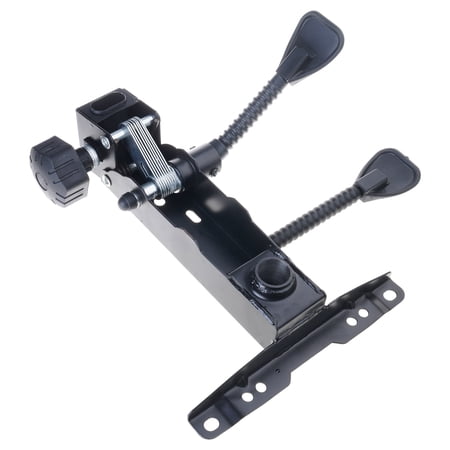
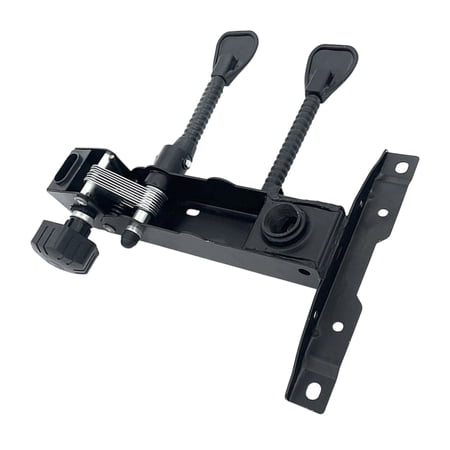
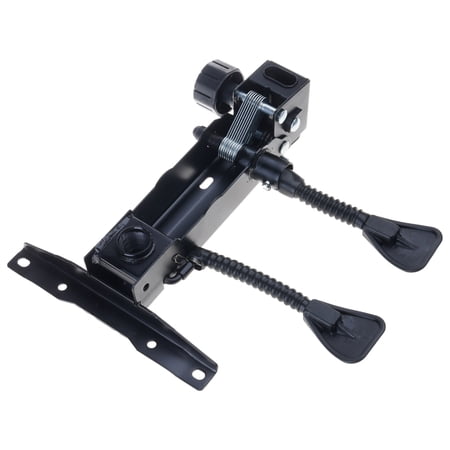
When you think of adjusting your office chair, what comes to mind? For most, it's raising the seat height or leaning the backrest. But there's a hidden gem of ergonomics that can transform your sitting experience: the office chair with seat tilt. Unlike a simple recline that only moves your back, a seat tilt mechanism adjusts the angle of the entire seat pan. Think of it like the subtle shift in your pelvis when you stand up from a low couch versus a firm dining chair. That slight change in angle can make a world of difference for your spine.
In this guide, we'll dive deep into why a seat tilt is more than just a fancy lever. We'll explore how it promotes dynamic sitting, alleviates pressure, and helps you maintain focus during those long hours at the desk. Whether you're a remote worker, a manager, or someone dealing with the aches of a sedentary lifestyle, understanding this feature is your first step toward a healthier workday.
Decoding the Mechanisms: Types of Seat Tilt Explained
Not all tilt mechanisms are created equal. Manufacturers have developed several systems, each with a distinct feel and purpose. Choosing the right one depends on how you work. Let's break down the most common types you'll encounter when searching for an office chair with seat tilt.
1. Center Tilt (or Swivel Tilt)
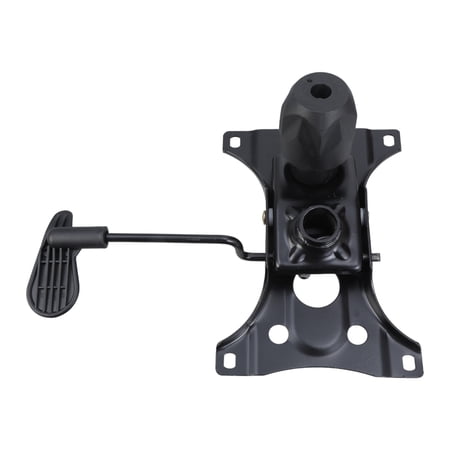
This is the most basic form of tilt. The chair pivots from a single point roughly in the center of the seat. When you lean back, the front of the seat lifts up. While it offers some rocking motion, it can sometimes feel unstable and may put pressure behind your knees as the front edge rises. It's a common feature in entry-level "executive" chairs but offers limited ergonomic benefit.
2. Knee-Tilt Mechanism
Consider this a significant upgrade. The pivot point is moved forward, typically located near your knees. This design keeps your feet planted firmly on the floor as you recline. Instead of the front of the seat rising and digging into your thighs, the entire seat pan tilts while the front edge stays relatively level. This creates a much more stable and comfortable recline. For those who like to lean back and think, a knee-tilt office chair provides a smooth, balanced motion that supports your legs.
3. Synchro-Tilt Mechanism
This is the gold standard in modern ergonomic chairs. Synchro-tilt links the movement of the backrest and the seat in a synchronized, pre-set ratio (often 2:1 or 3:1). This means for every few degrees you lean back, the seat tilts up at a smaller angle. The goal is to keep your body in a healthy, balanced posture throughout the entire range of motion. Your torso and upper legs maintain an optimal angle (90 degrees or slightly more), preventing you from slouching or straining. A synchro tilt office chair is ideal for people who shift frequently between upright typing and relaxed reclining.
4. Forward Tilt (or Seat Angle Adjustment)
This is a specialized feature that's incredibly valuable for specific tasks. Instead of tilting backward, the seat pan tilts forward by a few degrees. This opens up your hip angle, encouraging you to sit upright or lean slightly forward without rounding your lower back. It's a game-changer for:
- Writing or drawing at a desk: It puts you in a more natural position for detailed handiwork.
- Meetings or lectures: A slight forward tilt promotes alertness and engagement.
- Reducing lower back strain: By tilting the pelvis forward, it helps maintain the natural lordotic curve of your spine, counteracting the slump that leads to pain.
When you activate the forward tilt on your office chair with seat tilt, you're essentially mimicking a slight standing position, which can be a powerful tool against the fatigue of static sitting.
The Health Advantages: More Than Just Comfort
Investing in a chair with a quality tilt mechanism is an investment in your physical well-being. According to ergonomic studies, allowing for movement and postural changes throughout the day is crucial. A study from the National Institute for Occupational Safety and Health (NIOSH) highlights that static postures are a primary contributor to work-related musculoskeletal disorders. A seat tilt feature directly combats this by:
- Promoting Dynamic Sitting: Your body craves movement. A tilt mechanism allows you to subtly shift your position, engaging different muscle groups and preventing stiffness.
- Reducing Spinal Disc Pressure: When you sit upright with a slight forward tilt, pressure on your intervertebral discs is more evenly distributed compared to slouching. The synchro-tilt, in particular, maintains support even when reclining.
- Improving Circulation: Knee-tilt mechanisms prevent the seat edge from cutting off circulation behind your knees, a common issue with basic chairs.
- Enhancing Core Engagement: A chair that moves encourages your core muscles to gently activate to maintain stability, turning sitting from a passive to a lightly active state.
How to Choose Your Ideal Seat Tilt Chair
With the mechanisms in mind, here’s a simple step-by-step guide to finding the perfect office chair with seat tilt for your needs:
- Analyze Your Daily Tasks: Do you spend 80% of your day typing (forward tilt helps)? Do you frequently lean back for calls or deep thought (synchro or knee tilt is best)? Or do you mostly sit upright in meetings (center tilt might suffice)?
- Prioritize Adjustability: Look for chairs that allow you to lock the tilt in multiple positions and adjust the tilt tension. Tension control lets you set how much force is needed to recline, accommodating your weight and preference.
- Test the Range of Motion: If possible, sit in the chair and feel the movement. Is it smooth and controlled? Does the seat edge hit the back of your legs when you recline? A well-designed mechanism should feel intuitive and supportive.
- Combine with Other Features: Seat tilt is most powerful when combined with good lumbar support and adjustable armrests. Ensure the chair offers a holistic ergonomic package.
Frequently Asked Questions About Office Chairs with Seat Tilt
Conclusion: Make the Move to Dynamic Sitting
The quest for the perfect office chair often focuses on looks or lumbar support alone. However, the office chair with seat tilt represents a deeper understanding of ergonomics—one that values movement and adaptability. By allowing your chair to move with you, you're not just buying a piece of furniture; you're investing in a tool that actively supports your body's natural rhythms. Whether it's the focused posture enabled by forward tilt or the relaxed stability of a synchro mechanism, the right tilt feature can redefine your workday. Use the insights from this guide to look beyond the surface and find a chair that keeps you moving, comfortable, and productive for years to come.