
Why "Affordable" No Longer Means "Uncomfortable"
For years, the phrase "you get what you pay for" haunted the budget office chair market. Spending under $200 often meant a flat, unpadded seat and a backrest that offered zero support — a recipe for back pain and restless workdays. But the market has shifted dramatically. Today, thanks to advances in materials and global competition, you can find the most comfortable affordable office chair that rivals models costing three times as much.
Whether you're equipping a home office, setting up a remote workspace, or simply upgrading from a kitchen chair, the sweet spot for value now sits firmly between $120 and $250. In this guide, we'll cut through the marketing hype and show you exactly what to look for, which features actually matter, and which chairs deliver real, all-day comfort without breaking the bank.
Anatomy of a Budget Chair That Feels Premium
To find the most comfortable affordable office chair, you need to understand the three pillars of budget-friendly comfort: support mechanisms, seat construction, and material breathability. Let's break down each one.
1. Lumbar Support: The Make-or-Break Feature
The biggest complaint about cheap chairs is the dreaded "lower back gap." When you sit, your spine's natural curve needs support. Without it, your muscles work overtime, leading to fatigue. In the affordable category, lumbar support comes in two forms:
- Integrated adjustable lumbar: A knob or lever that pushes the backrest forward. This is the gold standard. Look for chairs that describe "adjustable lumbar tension" or "3D lumbar support."
- Separate lumbar pillow: A cushion attached with straps. While less integrated, a high-quality, dense foam pillow can be very effective. Many users actually prefer this because they can position it exactly where needed.
Pro Tip: Chairs with a built-in lumbar curve that is not adjustable often fail to fit different body types. Prioritize adjustability if you're taller than 5'11" or shorter than 5'4".
2. Seat Comfort: Beyond the "Pancake" Seat
An affordable chair's seat should never feel like a plank. The key is the foam density and thickness. High-density foam (often labeled "molded foam") retains its shape and provides support, while low-density foam flattens within months. Look for seat thickness of at least 3 inches. Also, the shape matters:
- Waterfall edge: A curved front edge that reduces pressure on the back of your thighs, improving blood circulation. This is a hallmark of a well-designed chair, even in the budget segment.
- Seat depth adjustment: Rare under $300, but some chairs offer a sliding seat pan. If not, ensure the standard depth (usually 18-20 inches) fits your leg length — you should have 2-3 finger widths between the back of your knee and the seat.
3. Material and Breathability: Stay Cool, Stay Comfortable
Nothing ruins comfort like a sweaty back. In the affordable space, you'll encounter three main materials:
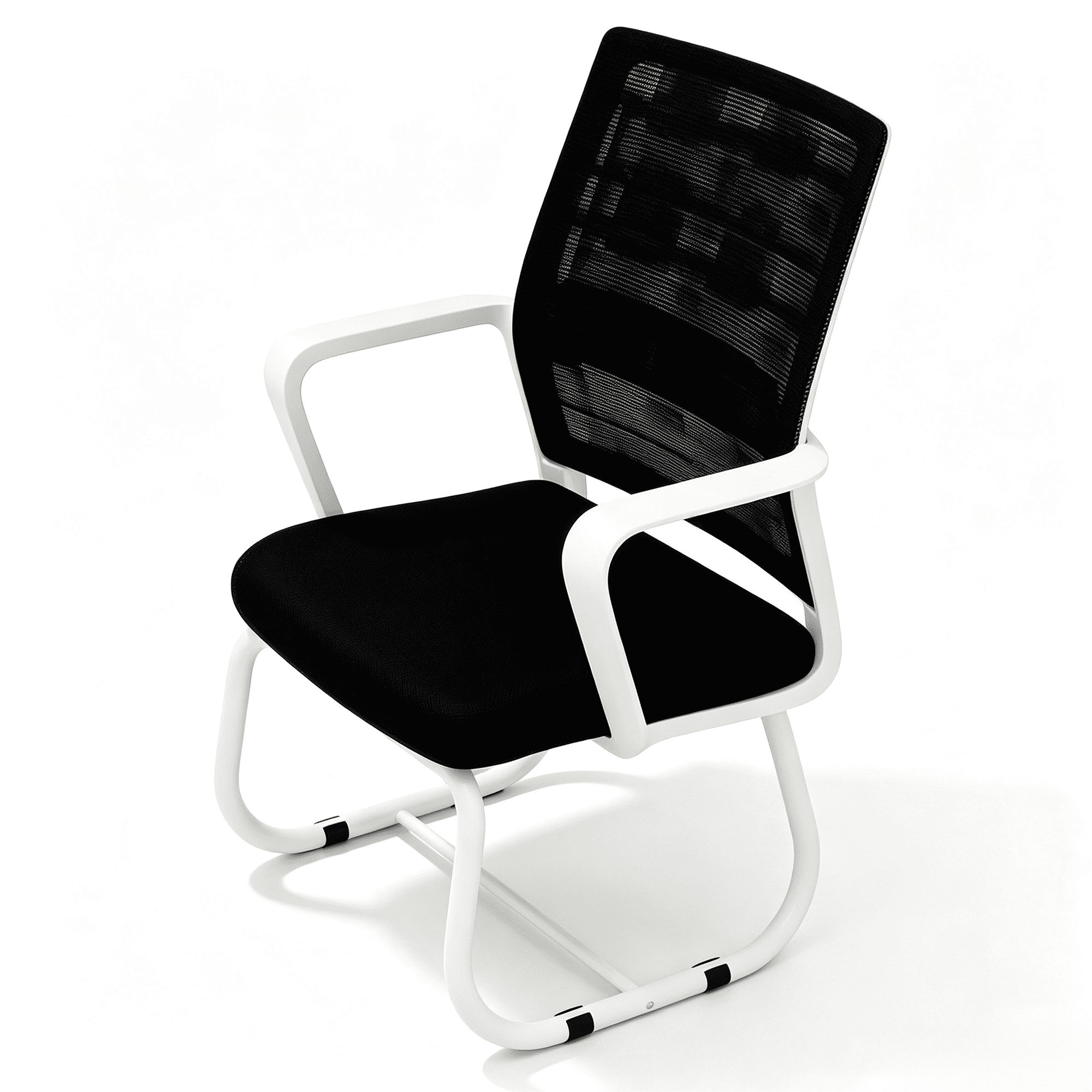
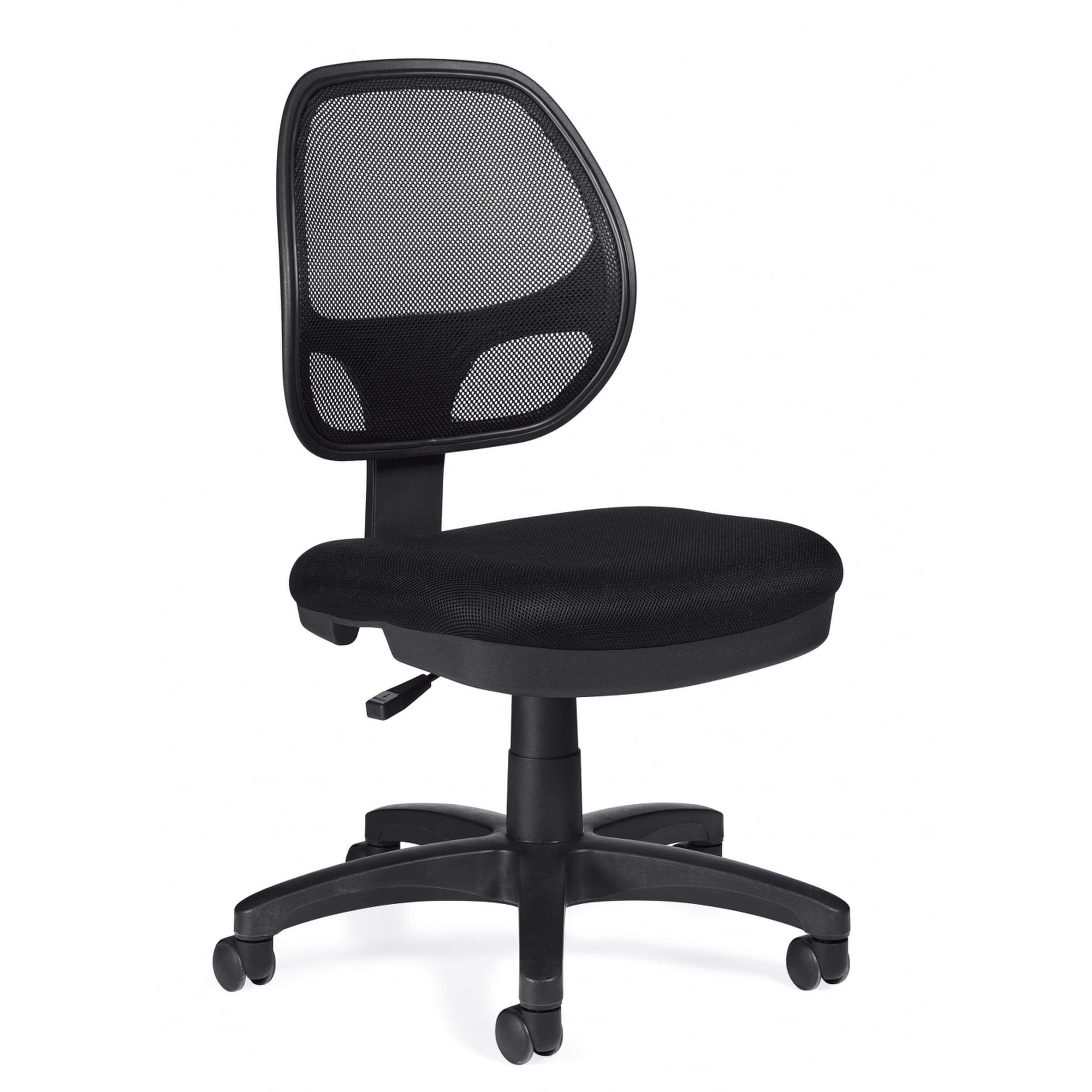
- Mesh: The champion of breathability. A high-quality mesh backrest conforms to your spine and allows air to flow. Look for "elastic mesh" or "breathable 3D mesh." Some budget chairs use stiff mesh — avoid those; it should give slightly under pressure.
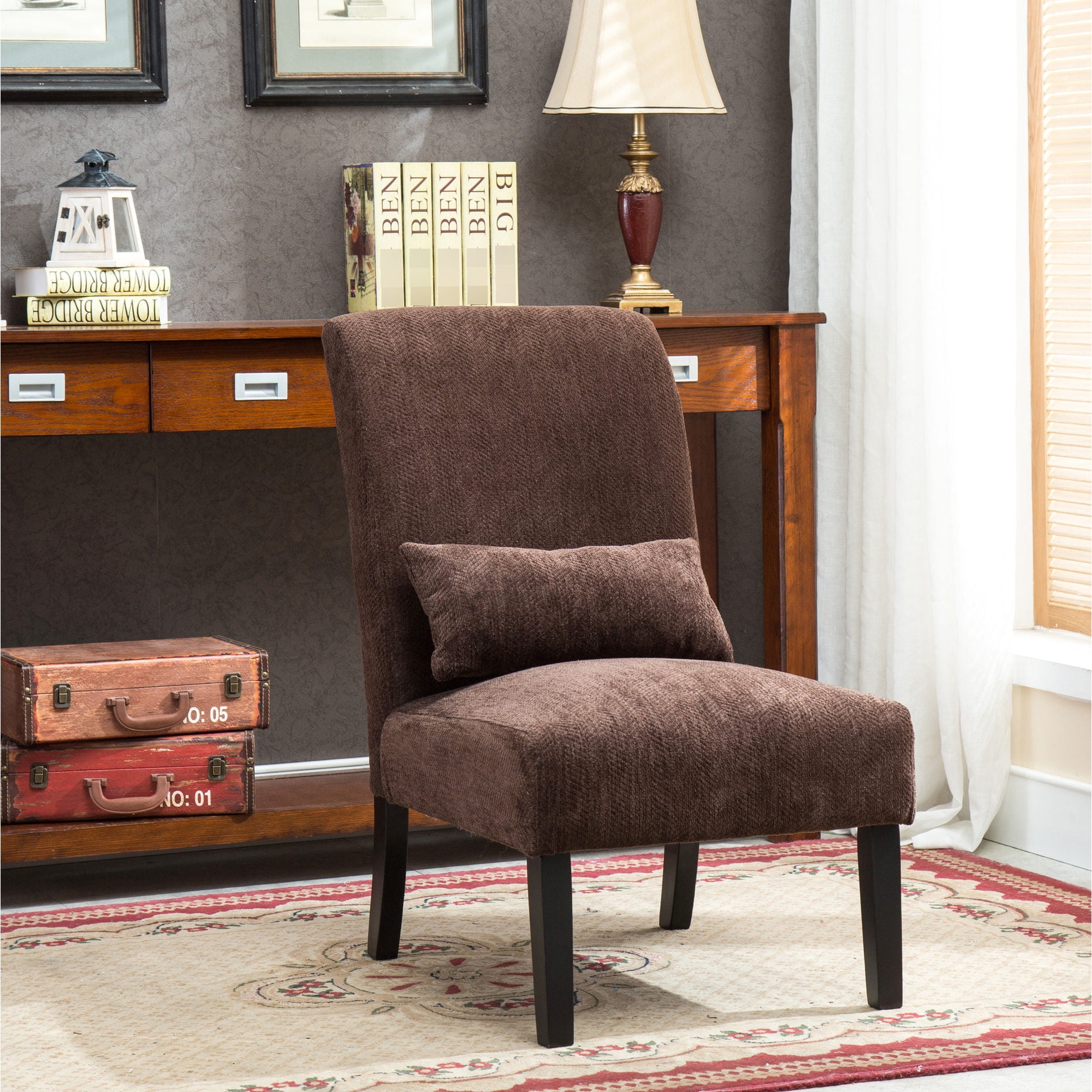
- Fabric: Often polyester or a blend. It's softer and warmer, but can trap heat. Good for cooler climates or if you prefer a cozy feel.
- PU/Leatherette: Tempting for its premium look, but often a poor choice for all-day comfort in a budget chair. It doesn't breathe and can get sticky. We generally recommend avoiding bonded leather in this price range unless you work in a very cold office.
4. Adjustability: Small Levers, Big Difference
The most comfortable affordable office chair must fit you. At a minimum, look for these adjustments:
- Seat height adjustment (gas lift): Standard on all decent chairs. Ensure it goes low/high enough for your desk.
- Tilt tension: Allows you to adjust how much force is needed to recline. Crucial for dynamic sitting.
- Tilt lock: Lets you lock the chair in an upright or slightly reclined position.
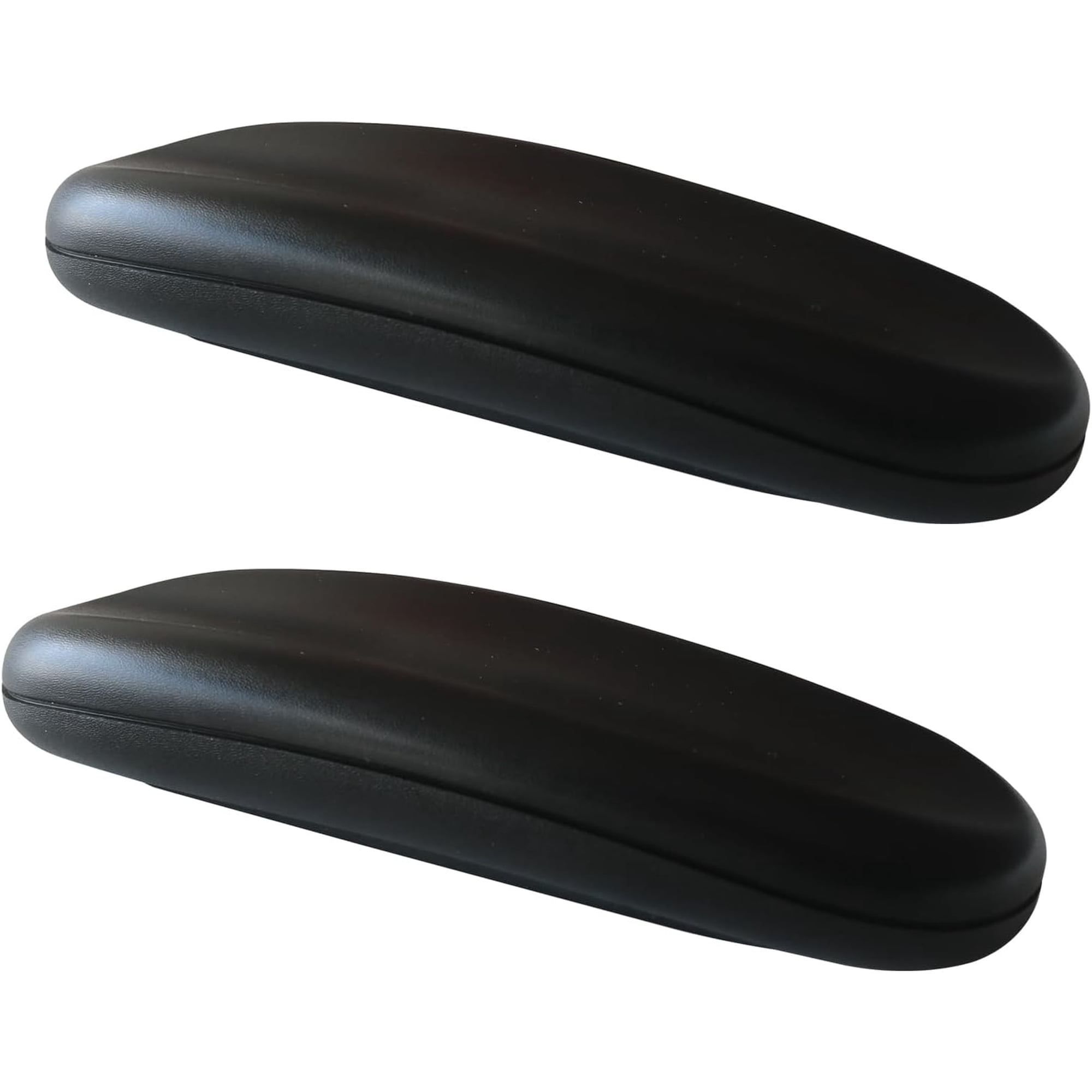
- Armrest adjustment (height adjustable): Even basic height-adjustable arms are a game-changer for shoulder comfort.
Chairs with 2D or 3D armrests (width and angle adjustments) are rare under $250 but are a huge bonus if you find them.
Data Point: According to a 2023 survey by the Home Office Ergonomics Institute, 74% of remote workers who switched from a basic $60 chair to a $180 ergonomic chair reported a significant reduction in daily lower back fatigue. Furthermore, 68% said their productivity increased due to fewer "comfort breaks."
Top 3 "Hidden Gem" Features in Budget Chairs
Sometimes, affordable chairs include unexpected premium touches. Keep an eye out for these:
✅ Synchronous Tilt
Where the backrest and seat tilt together at a ratio (usually 2:1 or 3:1). This keeps you supported while reclining. Once found only in $500+ chairs, it's trickling down to sub-$250 models.
✅ Aluminum Base
Most budget chairs use a plastic (nylon) base, which is fine. But if you find one with a polished aluminum base in your price range, it indicates better build quality and stability.
✅ Class-3 or Class-4 Gas Lift
Gas lifts are rated by classes. Class-3 is standard for up to 8 hours daily use; Class-4 is heavy-duty. A chair advertising its gas lift class is usually more transparent about quality.
Common Myths About Affordable Comfortable Chairs
Let's debunk a few misconceptions that might be holding you back:
- Myth: You need to spend $500+ for ergonomics. While high-end chairs offer more adjustments, many essential ergonomic features (lumbar support, seat height, tilt) are now standard on $150 chairs. You're paying for finer materials and longer warranties at the high end, not necessarily basic comfort.
- Myth: Mesh chairs are always better. Mesh is great for back ventilation, but a cheap mesh that sags is worse than a well-padded fabric. The quality of the mesh weave matters.
- Myth: Assembly difficulty equals poor quality. Most affordable chairs require assembly. This is normal. However, consistently difficult assembly (misaligned screw holes) can be a red flag for quality control.
Frequently Asked Questions: Budget Comfort Chairs
Final Verdict: Comfort on a Budget is Achievable
The search for the most comfortable affordable office chair no longer feels like a compromise. Today's market offers a wealth of options that cleverly balance ergonomic science with cost-effective manufacturing. By focusing on the essentials — adjustable lumbar support, a breathable back, adequate seat cushioning, and a few key adjustments — you can find a chair that supports your health and productivity without draining your wallet.
Remember, the best chair is the one that fits your unique body and work style. Use the product grid above to explore current top-rated models, and pay close attention to user reviews regarding long-term comfort. Your back (and your budget) will thank you.