
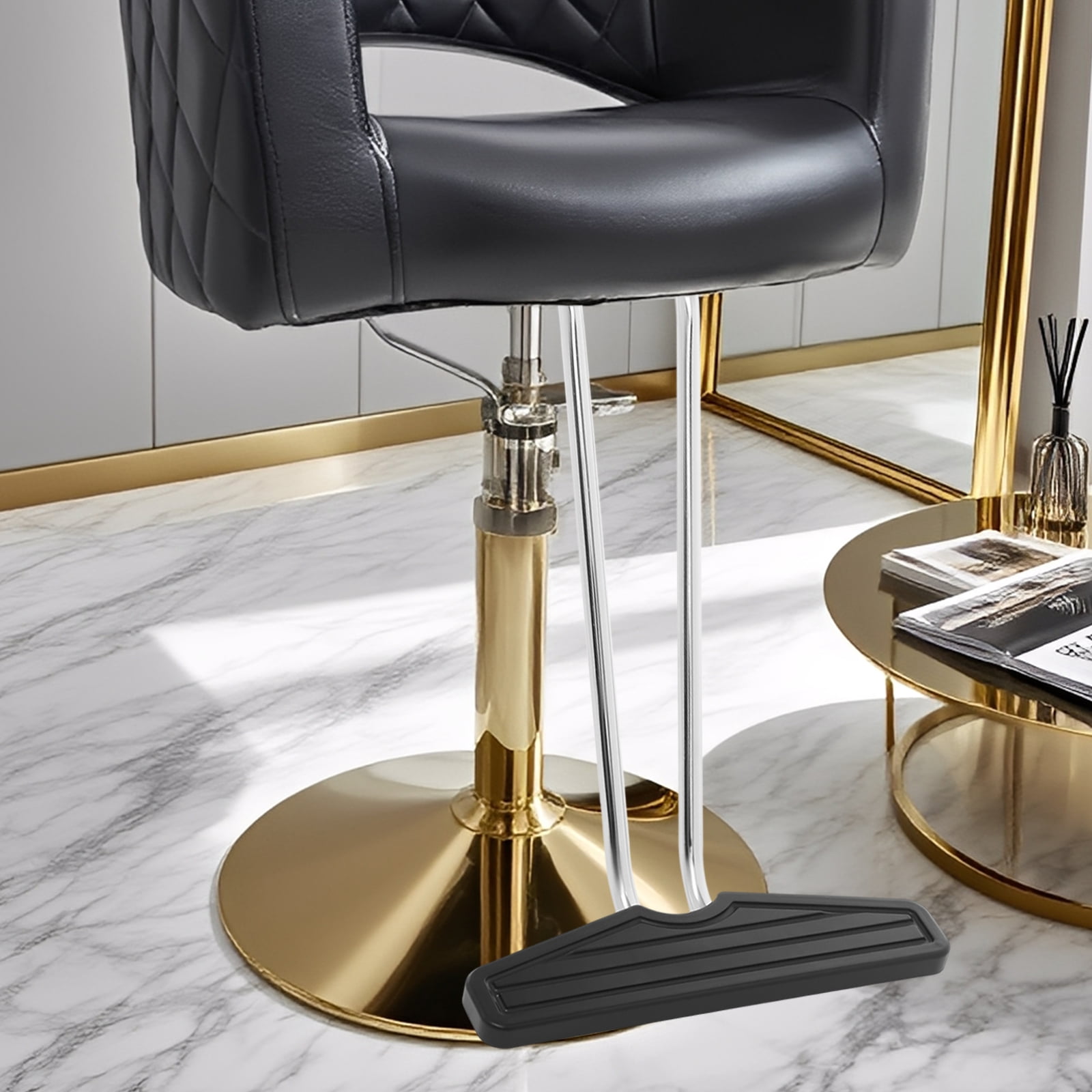
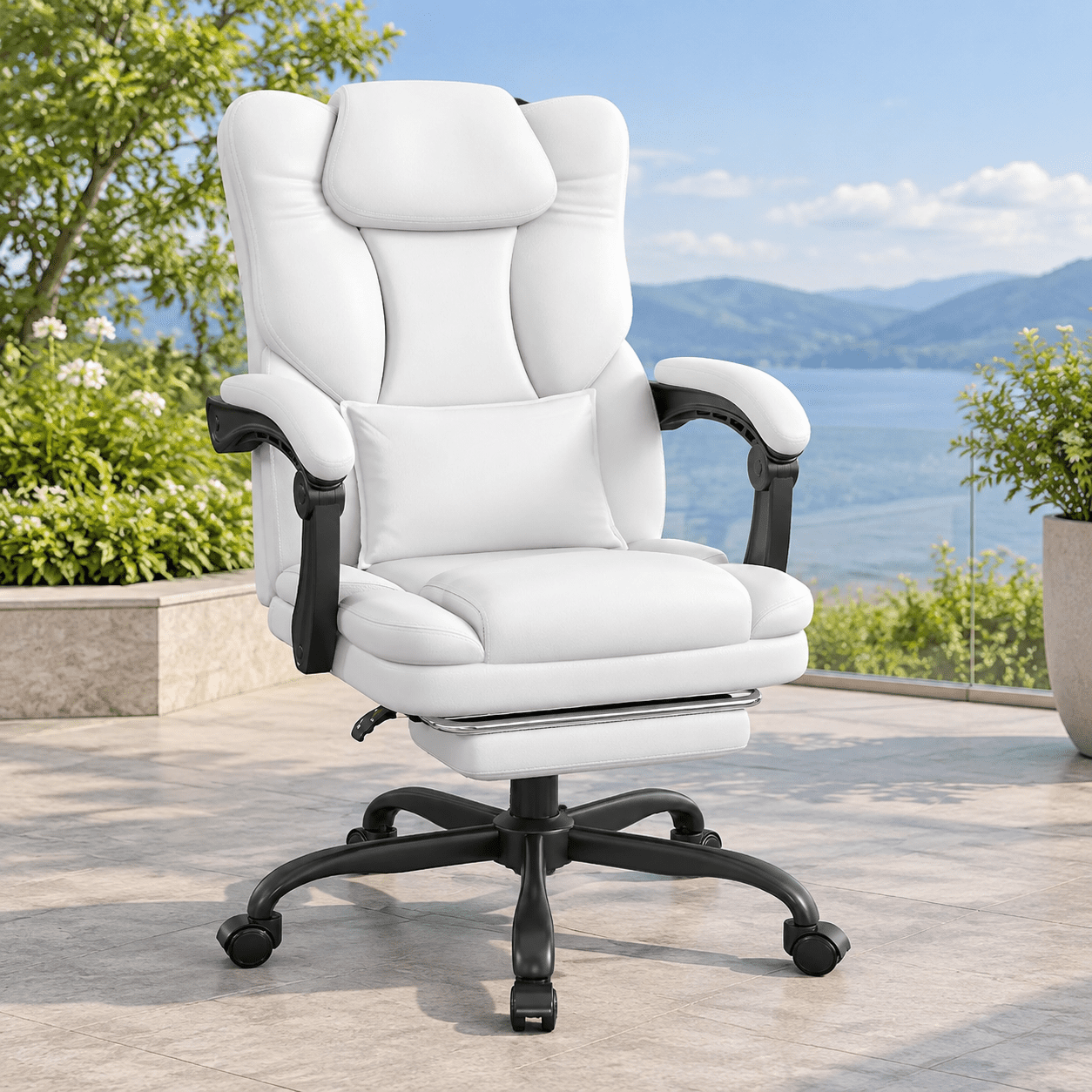
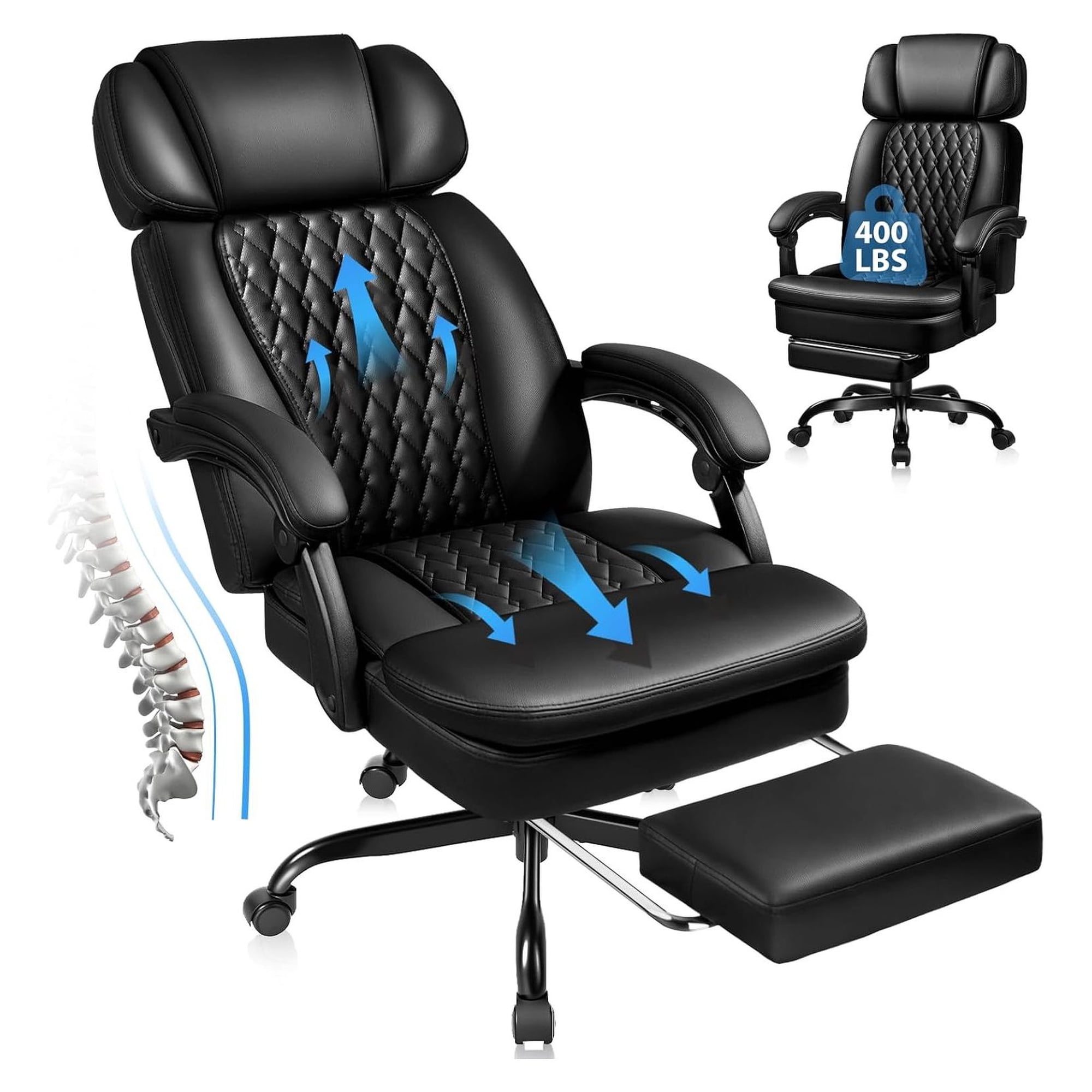
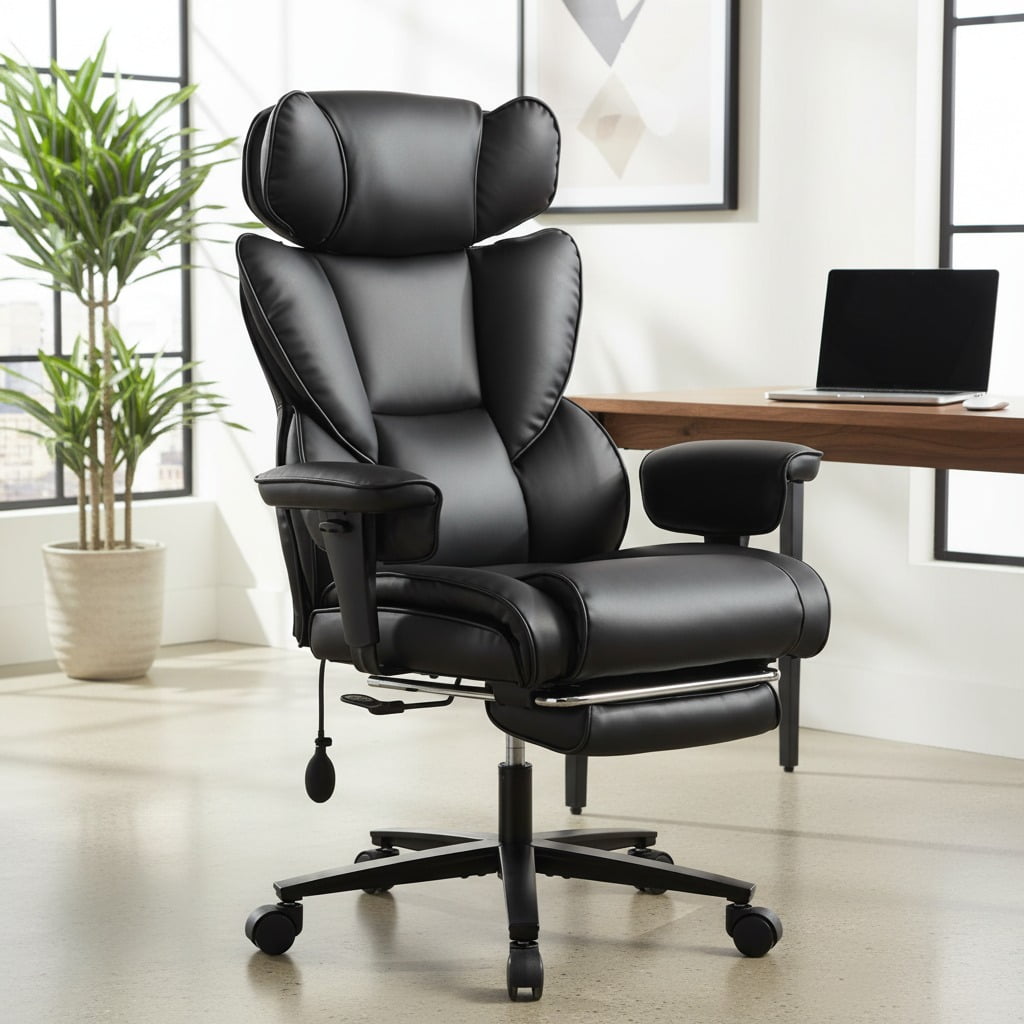
The Unsung Hero of Desk Ergonomics: The Office Chair Foot Rest
When we think of an ergonomic office setup, the chair and desk usually steal the spotlight. But there’s a silent workhorse that can dramatically improve your comfort: the office chair foot rest. Think of it as the foundation of a house. No matter how well-built the walls and roof are, if the foundation is off, everything else suffers. Your feet are the foundation of your seated posture.
A 2021 study in the journal "Applied Ergonomics" noted that proper lower limb support reduces overall musculoskeletal discomfort by up to 30% in office workers. Yet, it’s the most overlooked accessory. This guide will walk you through everything you need to know, from the health benefits to the different types available, ensuring you make a choice that keeps you comfortable and productive.
1. Why Your Feet Need a Rest: The Health and Productivity Connection
Imagine sitting on a barstool with your feet swinging. It’s uncomfortable, right? That’s because your hamstrings pull on your pelvis, tilting it backward and rounding your spine into a slouch. An under desk foot rest corrects this by providing a stable platform.
Key Health Benefits
- Improved Circulation: When your thighs are parallel to the floor (thanks to a footrest), there’s no pressure on the underside of your knees. This prevents the "pins and needles" sensation and reduces the risk of deep vein thrombosis (DVT) during long periods of inactivity.
- Reduced Lower Back Strain: A footrest helps maintain the natural lordotic curve of your spine. By supporting your feet, you stabilize your pelvis, which takes the load off your lumbar discs.
- Decreased Hip Flexor Tension: Sitting for hours shortens your hip flexors. A footrest allows you to slightly extend your legs under the desk, periodically stretching these muscles and preventing that stiff feeling when you stand up.
- Better Posture Habit: A footrest serves as a physical reminder to sit back in your chair. You’re less likely to perch on the edge of your seat, which is a common posture pitfall.
2. Types of Office Chair Foot Rests: Finding Your Perfect Match
Not all footrests are created equal. Choosing the right one depends on your work habits, desk height, and personal comfort preferences. Here’s a breakdown of the main categories.
Fixed-Height Footrests
These are the most straightforward. They are a solid, angled platform set at a specific height. They are incredibly stable and durable, usually made of hard plastic or wood. They’re ideal if you know exactly how much lift you need and prefer a static, no-fuss surface.
Adjustable Footrests (Height & Angle)
This is the most versatile and popular category. Adjustable foot rests allow you to change the height, and often the tilt angle, to match your exact needs. If multiple people use the same workstation, or if you switch between shoes and bare feet, an adjustable model is a must. Look for mechanisms that are easy to operate while seated.
Rocking or Wobble Footrests
For the fidgeters among us, a rocking footrest is a game-changer. Its curved base allows your feet to gently rock back and forth. This promotes micro-movements that act as a muscle pump, encouraging blood flow and reducing stiffness. It’s like a fidget spinner for your feet, but with genuine ergonomic benefits.
Memory Foam & Padded Footrests
If comfort is your absolute priority, a memory foam footrest is the way to go. These are essentially firm pillows covered in a durable fabric. They conform to the shape of your feet, relieving pressure points. They are lightweight and easy to move, but they may not provide the same level of firm, stable support as a plastic or wooden model, and they can be harder to clean.
Pro Tip: According to a 2020 survey by the Ergonomics Health Association, 67% of remote workers who bought an adjustable footrest reported a significant decrease in afternoon fatigue within the first two weeks.
3. How to Choose the Right Foot Rest: A Step-by-Step Guide
Selecting the perfect footrest isn't just about picking the most expensive one. Follow this guide to make an informed choice.
- Step 1: The 90-Degree Test. Sit in your office chair with your hands on your keyboard. Adjust your chair height so your elbows are at a 90-degree angle. Now, look at your feet. If they don't comfortably reach the floor, measure the distance from the floor to the bottom of your feet. That's the minimum height your footrest needs to provide.
- Step 2: Consider Your Flooring. If you have carpet, a lighter footrest might be fine. On hardwood or tile, you'll want a footrest with non-slip rubber pads on the bottom to prevent it from sliding away as you move.
- Step 3: Match the Material to Your Environment. In a cold climate or a home office where you're often barefoot, a fabric or cushy office chair accessory like a memory foam footrest feels warmer. In a busy, high-traffic office where spills might happen, a wipe-clean plastic or wooden footrest is more practical.
- Step 4: Test the Texture. If you get cold feet literally, a textured or fabric top is better. If you tend to get warm, a smooth, cool plastic or mesh top might be preferable.
4. Materials Matter: Comfort vs. Durability
The material of your footrest dictates its feel, longevity, and maintenance.
- Hard Plastic (ABS): Highly durable, easy to clean, and often features a textured surface for grip. It’s the most common material for adjustable footrests. It provides firm, stable support.
- Wood / Bamboo: Offers a natural, aesthetic look that fits beautifully in modern or traditional offices. It’s very sturdy but can be heavy and may require occasional maintenance to prevent wear.
- Memory Foam / Fabric: Provides a soft, "sinking-in" comfort. Ideal for long, focused work sessions. However, fabric can stain and is harder to sanitize. Look for models with removable, washable covers.
- Metal Frame with Mesh: Common in high-end office chairs and some footrests. It’s breathable, strong, and offers a sleek, professional look.
5. Beyond the Basic Footrest: Specialized Options
As the market for office chair with footrest and massage features grows, standalone footrests are also getting smarter. Some advanced models now include:
- Vibrating Massage Functions: Built-in massage nodes can stimulate circulation and relieve tired feet during a lunch break.
- Heat Therapy: A heated footrest can be incredibly soothing in a cold office, easing muscle tension.
- Balance Boards: Some footrests double as a wobble board, encouraging active sitting and core engagement, similar to a standing desk balance board but used while seated.
Frequently Asked Questions About Office Chair Foot Rests (H2)
Conclusion: Small Tool, Big Impact
An office chair foot rest is a prime example of a small change yielding a massive return on investment. For a relatively low cost, you can correct your posture, boost your circulation, and make those long workdays significantly more bearable. Whether you opt for a simple fixed platform or a high-tech massaging model, your legs and back will thank you. Don't let your feet dangle—give them a place to rest and unlock a new level of workplace comfort.