
The Science of Recline: Why Your Office Chair Should Tilt
Imagine your spine as a column of building blocks. When you sit upright at a rigid 90-degree angle, gravity compresses those blocks, increasing pressure on your intervertebral discs. Now, picture leaning back slightly—the column relaxes, pressure dissipates. This isn't just a metaphor; research from the University of Alberta shows that opening the hip angle to about 135 degrees can significantly reduce spinal disc pressure. An ergonomic reclining office chair leverages this science, allowing you to maintain a healthy posture while dynamically shifting positions throughout the day.
Did you know? A study published in the journal Spine found that sitting with a 110-130 degree recline reduces lumbar disc pressure by up to 50% compared to upright sitting. Reclining isn't laziness—it's spinal hygiene.
Beyond the Ordinary: Reclining as a Dynamic Ergonomics Tool
Traditional office chairs lock you in one position. But our bodies crave movement. Ergonomic reclining office chairs with synchronized mechanisms allow your backrest and seat to move in harmony. As you lean back, the seat tilts slightly upward, keeping your feet planted and your eyes at the correct monitor height. This 'dynamic sitting' encourages micro-movements that pump nutrients into spinal discs and prevent stiffness. It's like upgrading from a rigid bench to a suspension system for your body.
Anatomy of a High-Quality Ergonomic Reclining Chair
Not all recliners are created equal. A cheap recliner might tip over or offer poor lumbar support when tilted. Here's what sets a premium ergonomic reclining office chair apart.
1. Recline Mechanisms: Finding Your Perfect Tilt
The mechanism is the heart of the chair. You'll encounter three main types:
- Knee-Tilt Mechanism: The pivot point is near your knees. As you recline, the front of the seat rises slightly. This is excellent for active sitting and keeping your legs at a natural angle. Great for tasks requiring forward focus.
- Center/Glide-Tilt Mechanism: The pivot is under the center of the chair. It provides a smoother, more balanced recline and is often preferred for general office use.
- Synchro-Tilt Mechanism: The gold standard for ergonomic chairs. It links the backrest and seat tilt at a specific ratio (e.g., 2:1 or 3:1). For every 2 degrees the back reclines, the seat tilts up 1 degree. This keeps you centered and your feet on the floor, preventing a "sliding out" feeling.
2. Lumbar Support That Moves With You
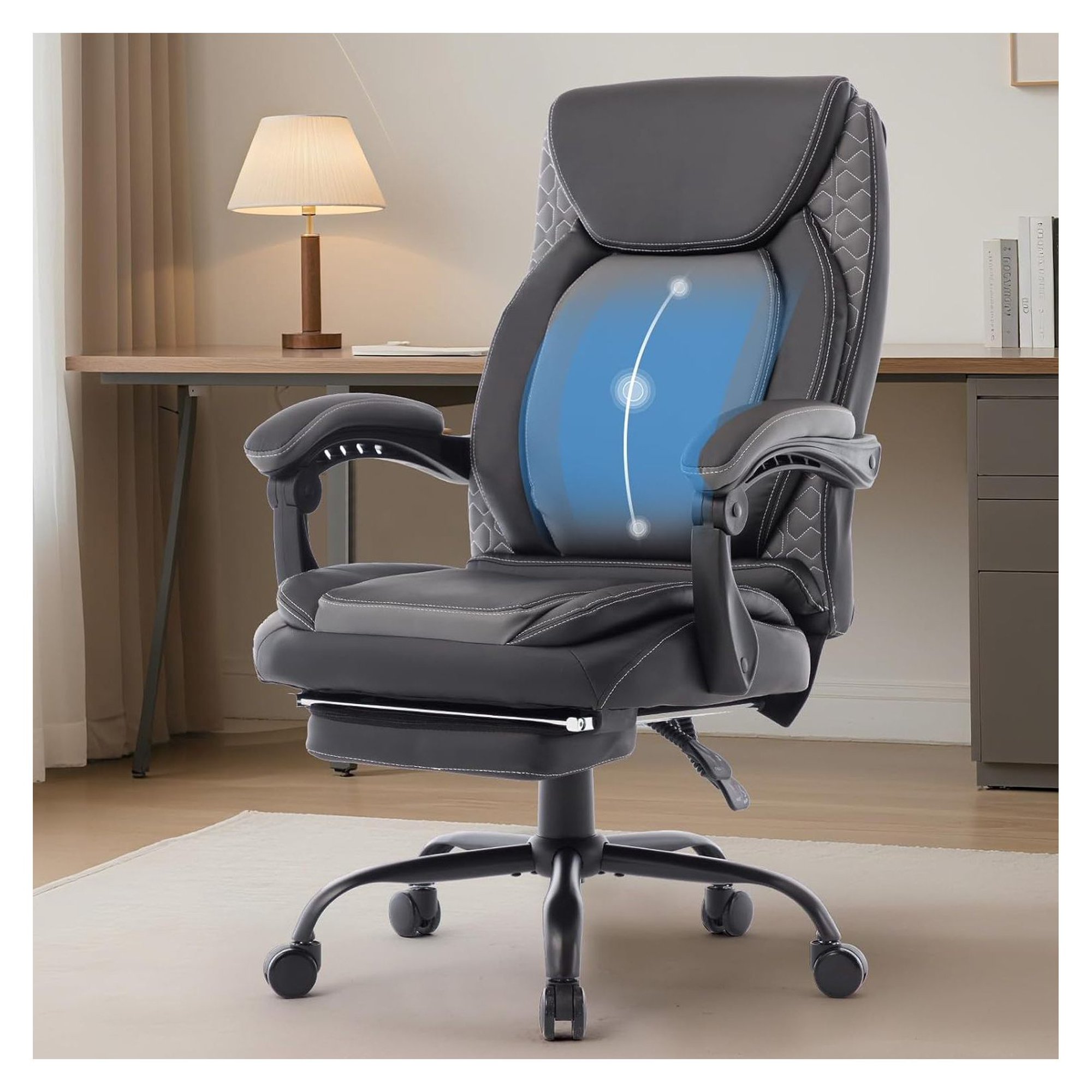
As you recline, your spine's curvature changes. A fixed lumbar pad might become misaligned. The best ergonomic reclining office chairs feature dynamic or adjustable lumbar support that maintains contact and pressure regardless of the recline angle. Look for:
- • Height-adjustable lumbar: Aligns with the natural curve of your lower back.
- • Depth-adjustable lumbar: Increases or decreases the amount of push into your back.
- • Automatic/Adaptive lumbar: A flexible backrest frame that flexes to provide continuous support.
3. Headrests: The Critical Third Point of Contact
When you recline, your head needs support to prevent neck strain. A well-designed headrest is non-negotiable. The best ones offer:
- • Height adjustment: To accommodate different torso lengths.
- • Tilt/angle adjustment: So you can rest your head comfortably whether you're upright or fully reclined.
- • Fore-aft adjustment: Some premium chairs allow the headrest to move forward or backward to perfectly cradle the neck.
✅ Benefits of Reclining
- Reduces spinal disc pressure (up to 50%)
- Decreases muscle fatigue in the back
- Promotes better blood circulation
- Allows for relaxation and micro-breaks
- Encourages dynamic sitting
⚠️ Common Mistakes to Avoid
- Reclining too far without foot support
- Not locking the chair at a safe angle
- Using a headless chair for deep recline
- Ignoring desk height compatibility
- Choosing poor mechanism quality
Quick Comparison: Recline Mechanism Types
| Mechanism | Best For | Feel | Typical Price |
|---|---|---|---|
| Knee-Tilt | Active sitting, task work | Feet may lift slightly | $200 - $500 |
| Synchro-Tilt | All-day comfort, ergonomic focus | Balanced, feet stay planted | $400 - $1,200 |
| Multi-function (with seat slider) | Tall users, customized fit | Highly adjustable | $600 - $1,500+ |
Material Matters: Staying Cool While You Recline
Reclining often means more contact with the backrest. Materials that trap heat can make you sweaty and uncomfortable. Consider these options:
Breathable Mesh
Ideal for those who run warm or live in hot climates. High-quality mesh (like Pellicle or 3D mesh) conforms to your back and allows air to circulate, preventing that sticky feeling when leaning back.
Performance Fabric
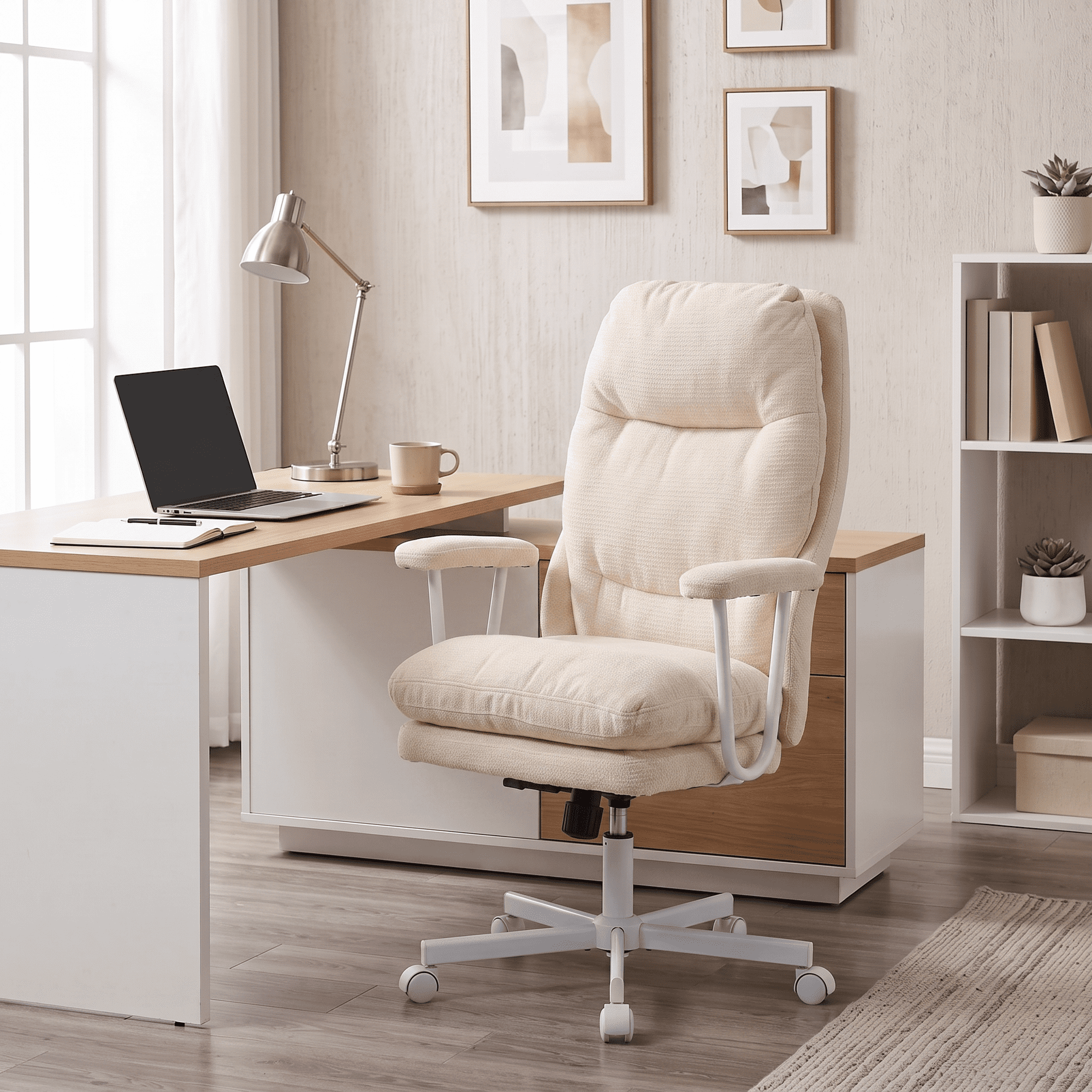
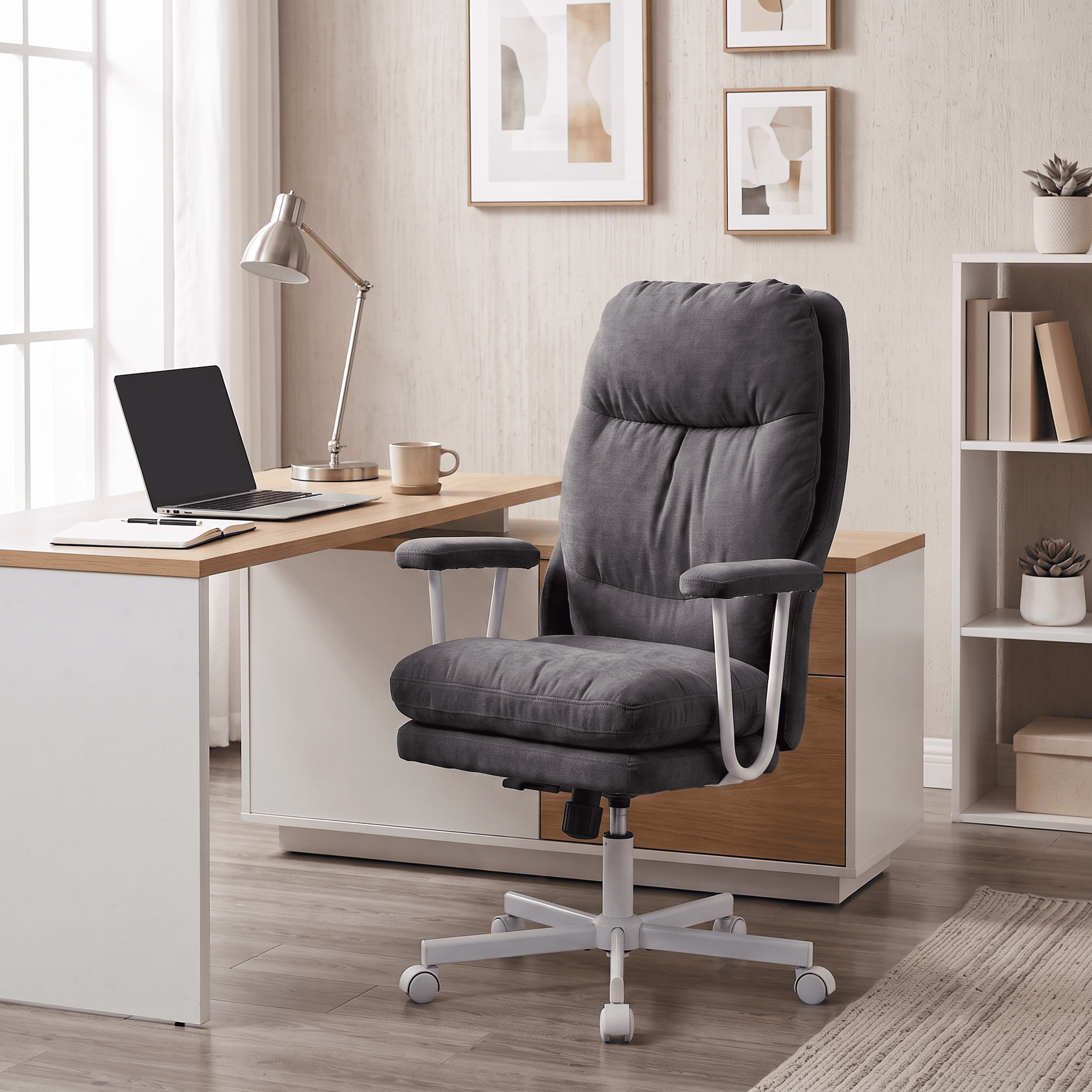
Modern fabrics like Olefin or solution-dyed polyester are durable, stain-resistant, and more breathable than traditional upholstery. They offer a soft, cozy feel without the heat retention of leather.
Leather (with perforation)
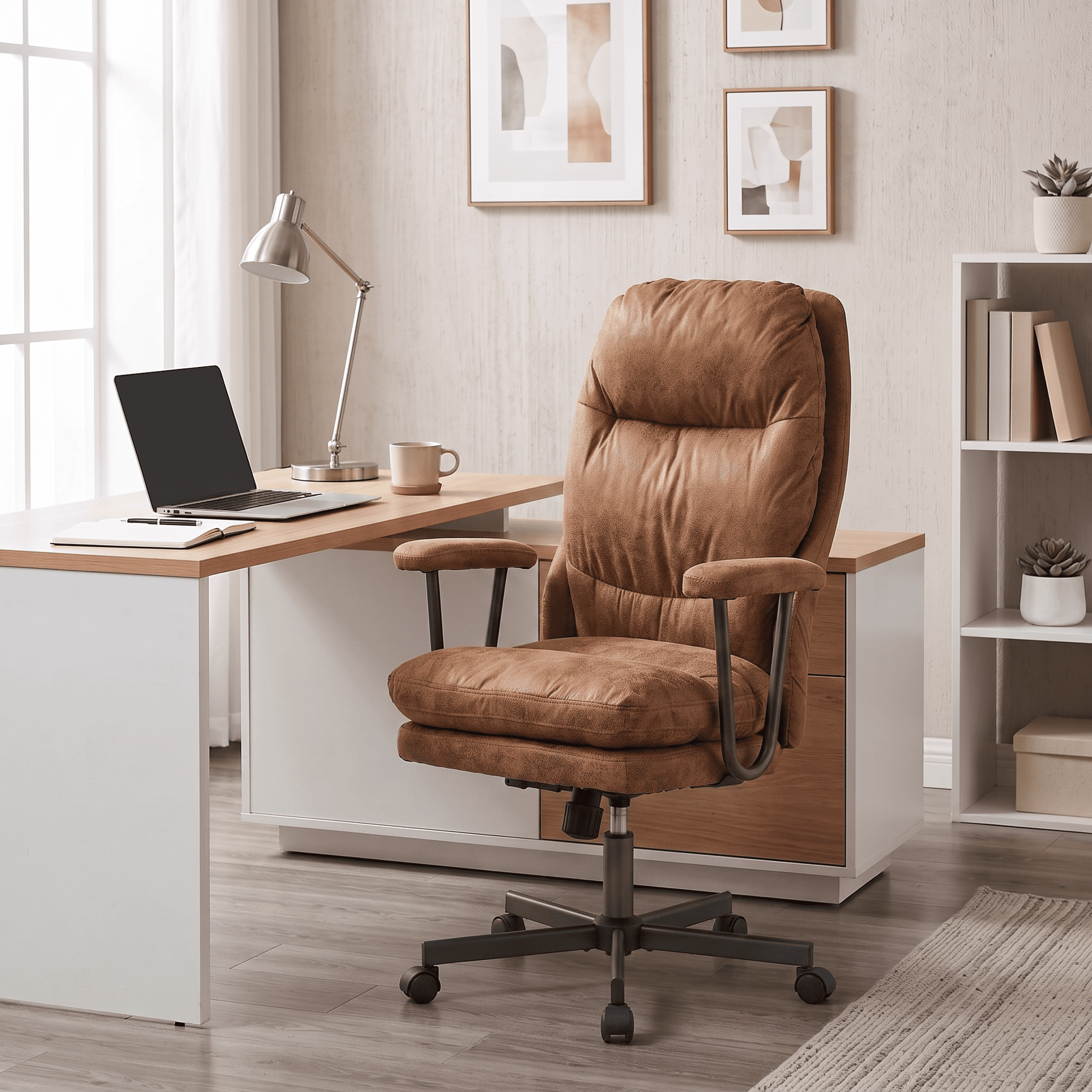
Genuine leather exudes luxury, but look for perforated versions. The tiny holes allow heat and moisture to escape, making the recline experience much more pleasant.
Step-by-Step: How to Choose Your Ergonomic Reclining Office Chair
- Measure Your Space: Recline requires clearance. Sit in your current chair, lean back, and measure the distance from the back of your head to the wall. Add 4-6 inches. That's your minimum room requirement.
- Identify Your Recline Needs: Do you want a slight rock for active sitting, or a deep recline (up to 135°) for meditation breaks? Choose a chair with a lockable recline mechanism at multiple angles.
- Check the Tension Control: A good chair lets you adjust recline resistance based on your body weight. You shouldn't have to fight to lean back, nor should it snap forward when you move.
- Prioritize Seat Depth Adjustment: When you recline, your thighs should still be supported. A seat slider (adjustable depth) ensures the seat pan fits your leg length, preventing pressure behind the knees.
- Test the Headrest and Armrests: Recline with your head against the headrest—is it comfortable? Do the armrests move with you (4D adjustment) or stay fixed, causing elbow misalignment?
Pro tip: If possible, visit a showroom to test different mechanisms. Pay attention to how the chair feels at its maximum recline and whether your feet remain stable.
Frequently Asked Questions About Ergonomic Reclining Office Chairs
Conclusion: Recline Towards Better Health
An ergonomic reclining office chair is more than a luxury—it's a tool for long-term wellness and sustained focus. By allowing your body to move and your spine to decompress, these chairs combat the hidden dangers of prolonged sitting. Remember to prioritize a quality mechanism, dynamic lumbar support, and an adjustable headrest. Whether you're deep in spreadsheets or taking a creative pause, the right recliner adapts to you, not the other way around.
Invest in a chair that respects your body's need for motion. Your back—and your productivity—will thank you.