
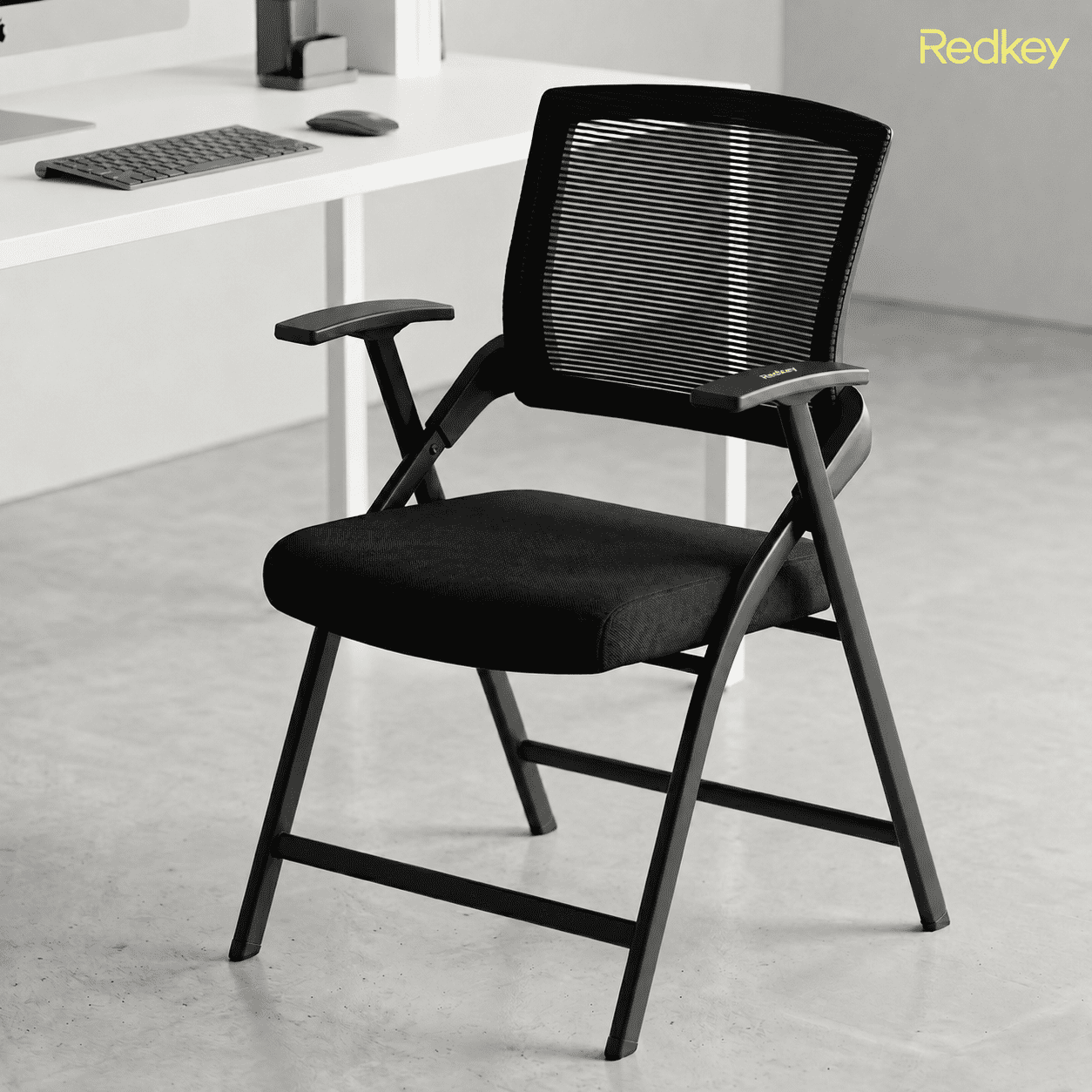
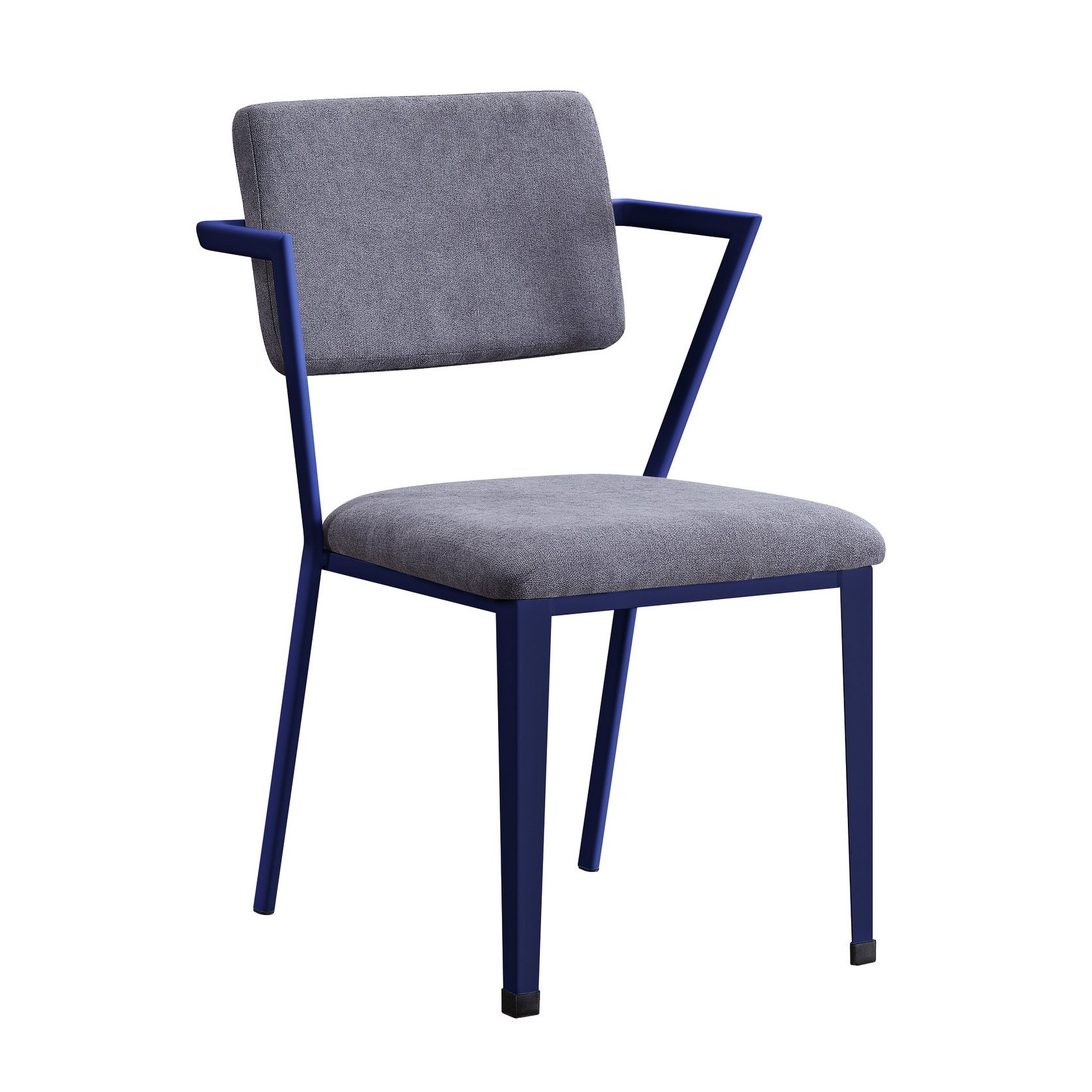
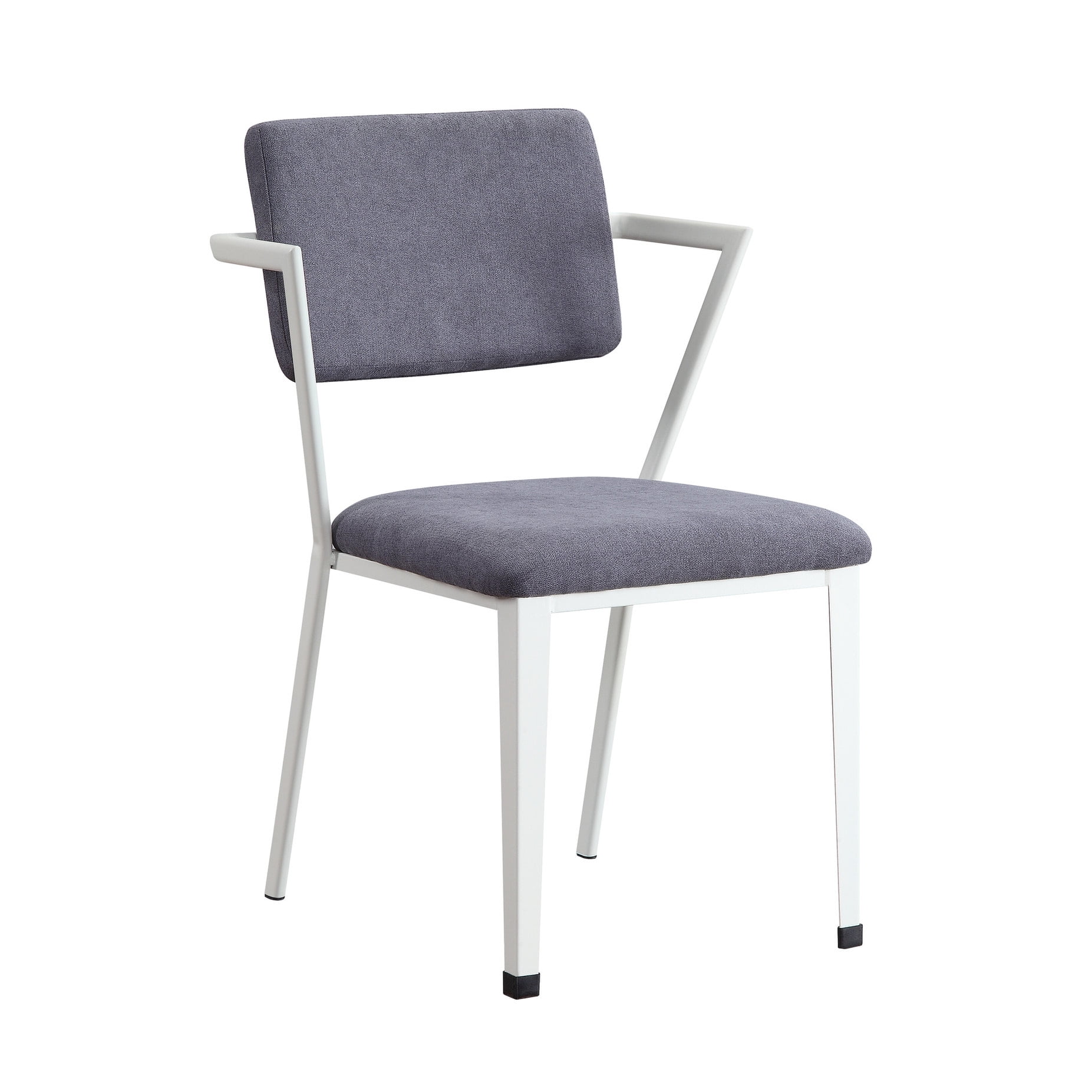
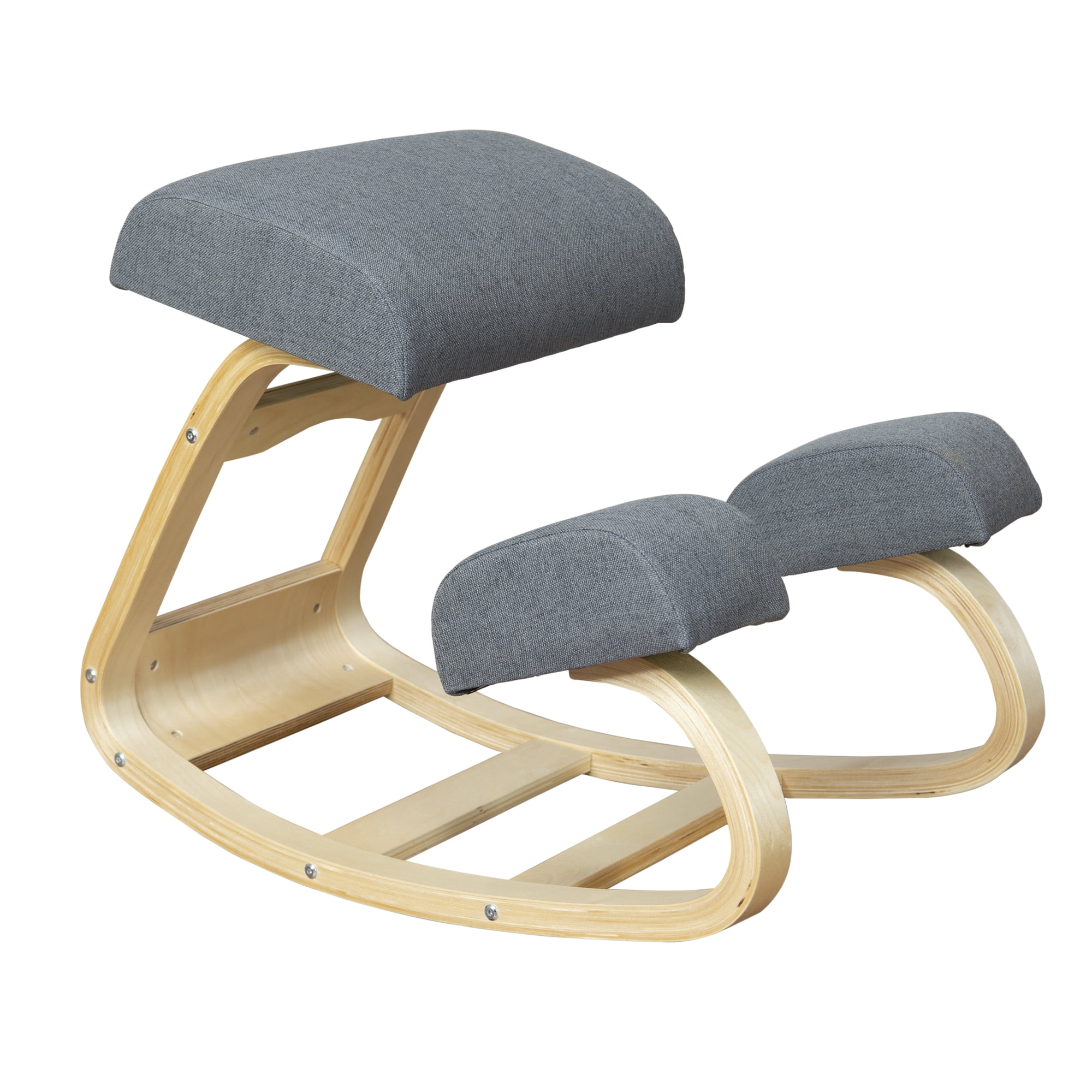
The Science of Sitting: Why Your Office Chair's Padded Seat Matters Most
Imagine your office chair as a high-performance vehicle. The backrest is the suspension, the armrests are the steering wheel, but the office chair padded seat is the driver's seat itself. If the seat is uncomfortable, the entire driving experience suffers. For the millions of us who spend our days seated, the cushion beneath us is the first line of defense against fatigue, pain, and lost productivity. It's not just about softness; it's about intelligent design that supports your body's unique shape and weight.
This guide goes beyond the surface. We'll explore what makes a truly great padded seat, from the foam core to the fabric cover, and how to choose one that will keep you comfortable and focused from your morning coffee to your final email. A quality padded seat is an investment in your daily well-being.
Deconstructing Comfort: The Anatomy of a Superior Padded Seat
A great padded seat is more than just a slab of foam. It's a carefully engineered system of layers, each with a specific job. Understanding these layers helps you see beyond marketing claims and choose a chair built for real, lasting comfort.
- The Support Core: High-Density Foam. This is the foundation. High-density foam, often measured by its Indentation Load Deflection (ILD), provides resistance. A medium-firm foam (around 50-60 ILD) is ideal as it contours to your body without bottoming out. Unlike soft, low-density foam that collapses after a few months, high-density foam retains its shape for years. Think of it like a good mattress—it supports your skeleton, not just your skin.
- The Comfort Layer: Memory Foam or Latex. Some premium chairs add a thin top layer of memory foam or soft latex. This layer acts like a pillow, conforming to your exact shape and relieving immediate pressure points. It's the difference between sitting "on" a chair and sitting "in" a chair. However, this layer must be thin enough to not compromise the support from the core foam.
- The Suspension: Webbing or Springs. In higher-end chairs, the foam isn't just sitting on a hard plywood base. A system of elastic webbing or small-gauge springs provides a bit of "give," allowing the seat to flex slightly with your movements. This dynamic support improves comfort during long sitting sessions and reduces the shock when you sit down.
- The Contour: The Seat Pan Shape. The hard plastic or wood base beneath the foam (the seat pan) should be shaped to promote healthy posture. The best pans are slightly dished with a waterfall front edge. This contour cradles your thighs and prevents the edge from cutting off circulation, a common cause of leg numbness and discomfort.
Foam Density vs. Thickness: The Real Comfort Equation
There's a common misconception that a thicker seat is always more comfortable. This is false. A 5-inch thick seat made of cheap, low-density foam will feel great for a month, then compress into a hard, unsupportive pancake. A 3-inch thick seat made of high-quality, high-density foam will provide consistent support for years. Density is king. When shopping for an office chair padded seat, look for specifications mentioning "high-density foam" or "HR foam." If a retailer is vague about the foam type, it's often a sign of lower quality. The goal is a seat that feels supportive from the moment you sit down, not one that swallows you up.
Fabric and Its Role in Seat Comfort
The material covering the foam is your interface with the chair. It affects not only comfort but also temperature and maintenance.
- Breathable Fabrics (Mesh & High-Quality Textile): These are champions of temperature regulation. A padded seat covered in a breathable fabric or a hybrid mesh allows air to circulate, preventing the heat and sweat buildup that can occur with synthetic materials. This is a game-changer for long workdays or warm climates.
- Leather and Faux Leather: These materials offer a premium look and are easy to wipe clean. However, they are not breathable. They can feel hot in summer and cold in winter. If you prefer leather, look for chairs with perforations in the seat cover, which allow for some airflow.
- The "Grip" Factor: A fabric with a little texture, like a woven textile, can help keep you from sliding forward in your chair, promoting better posture. Slick materials like some leathers can cause you to slump, forcing you to constantly readjust.
How a Padded Seat Interacts with Other Ergonomic Features
A great seat doesn't work in isolation. Its comfort is amplified by other chair adjustments.
1. Seat Depth Adjustment (Slider Mechanism)
This feature allows you to move the seat pan forward or backward. The goal is to have 2-3 finger widths of space between the back of your knee and the seat's waterfall edge. This ensures your thighs are fully supported without putting pressure on your knees. A well-padded seat combined with correct depth adjustment is the ultimate formula for leg comfort.
2. Tilt Mechanism and Tension Control
When you lean back, a good chair allows the seat to tilt slightly as well. This dynamic movement keeps your thighs from being pressed up against the seat edge and maintains blood flow. The tension control lets you adjust how easily the chair reclines, ensuring the padded seat moves with you, not against you.
3. Lumbar Support Synergy
Think of your spine as a chain. If the base (your pelvis) is unstable on a poor seat, the rest of the chain (your lower back) will suffer. A stable, comfortable padded seat provides a solid foundation for your pelvis, allowing the chair's lumbar support to properly maintain the natural curve of your spine. They work as a team.
Quick Comparison: Types of Padding Materials
| Padding Type | Feel & Comfort | Durability | Best Suited For |
|---|---|---|---|
| High-Density Polyurethane Foam | Firm yet conforming, excellent support | Excellent (8-10+ years) | All-day users, those prioritizing long-term support |
| Memory Foam | Very soft, slow-moving, pressure-relieving | Good (5-7 years) can be heat-sensitive | Users with pressure point issues, lighter individuals |
| Latex Foam | Springy, resilient, naturally cooling | Very Good (8-10 years) | Those who want a bouncy feel and natural materials |
| Low-Density Polyurethane Foam | Plush initially, but quickly softens and loses shape | Poor (1-3 years) | Guest chairs, very light, infrequent use |
Signs Your Office Chair Padded Seat Needs Replacing
Even the best padding won't last forever. Here are clear signs it's time for an upgrade:
- The "Bottoming Out" Test: When you sit, you can feel the hard seat pan beneath the foam. This means the foam has permanently compressed and is no longer providing support.
- Visible Sagging or Creases: The seat cushion looks permanently depressed or has deep, unmoving creases.
- New Aches and Pains: You've started experiencing hip, tailbone, or lower back pain that you didn't have before, specifically when using your chair.
- Uneven Wear: One side of the cushion is more compressed than the other, causing you to sit at a slight tilt.
Frequently Asked Questions About Office Chair Padded Seats
Conclusion: Invest in the Foundation of Your Workday
Your office chair is a tool, and its padded seat is the most critical component of that tool. It's the interface between you and your work, and its quality directly influences your comfort, focus, and long-term physical health. Don't be swayed by looks alone; dig into the details. Ask about foam density, look for a waterfall edge, and choose a breathable fabric that suits your environment.
By understanding the anatomy of a great seat, you're empowered to make a choice that will pay dividends in comfort and productivity for years to come. Whether you're a CEO, a freelancer, or a dedicated gamer, a supportive and comfortable foundation is the first step to a successful session at your desk.