
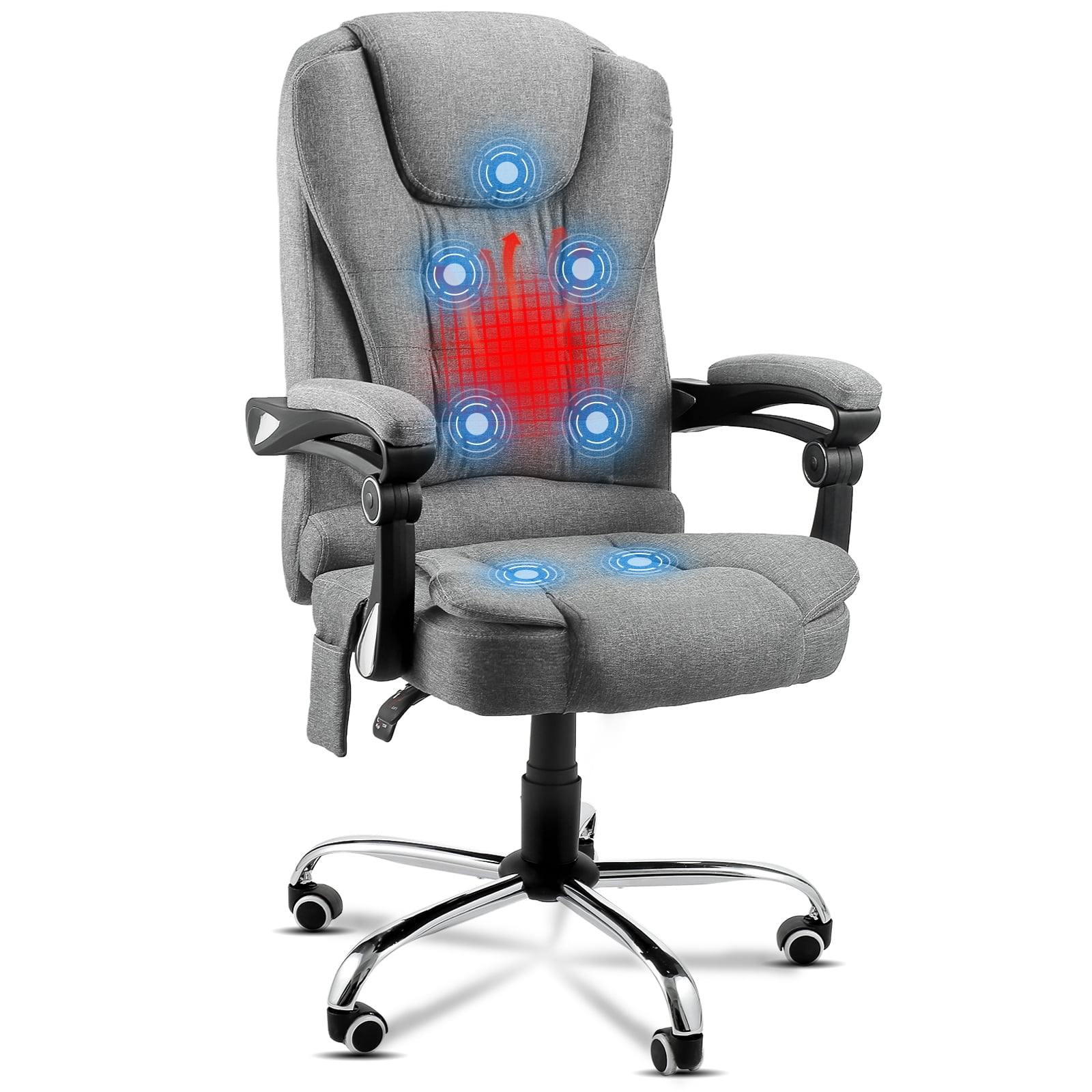
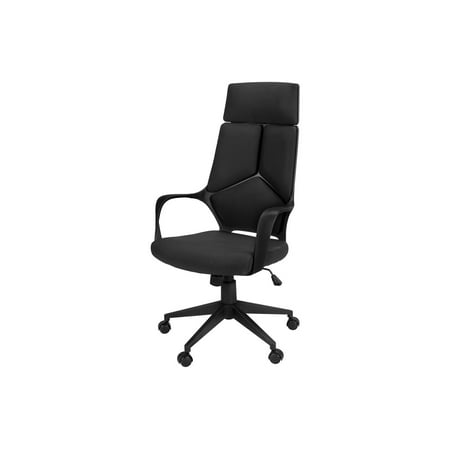
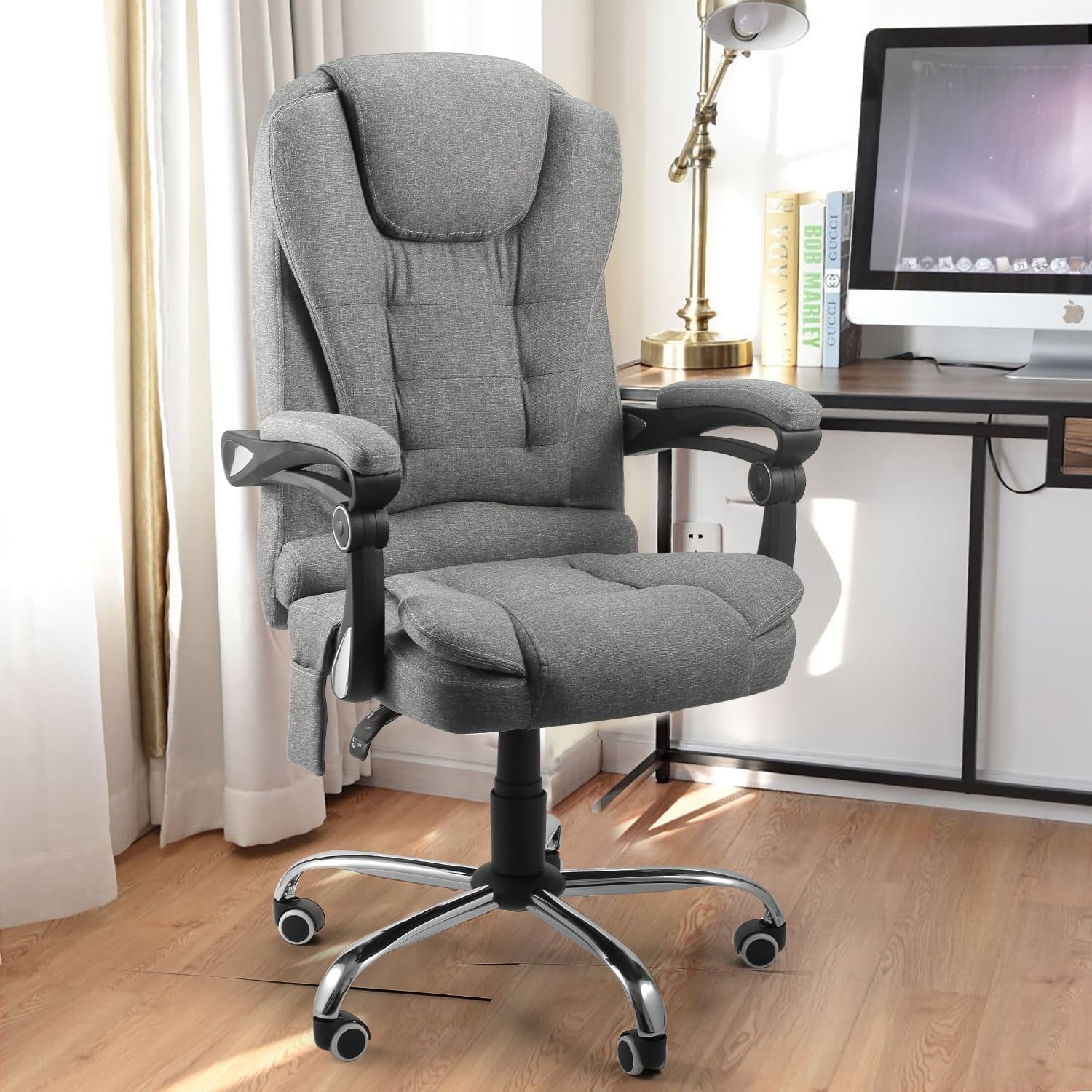
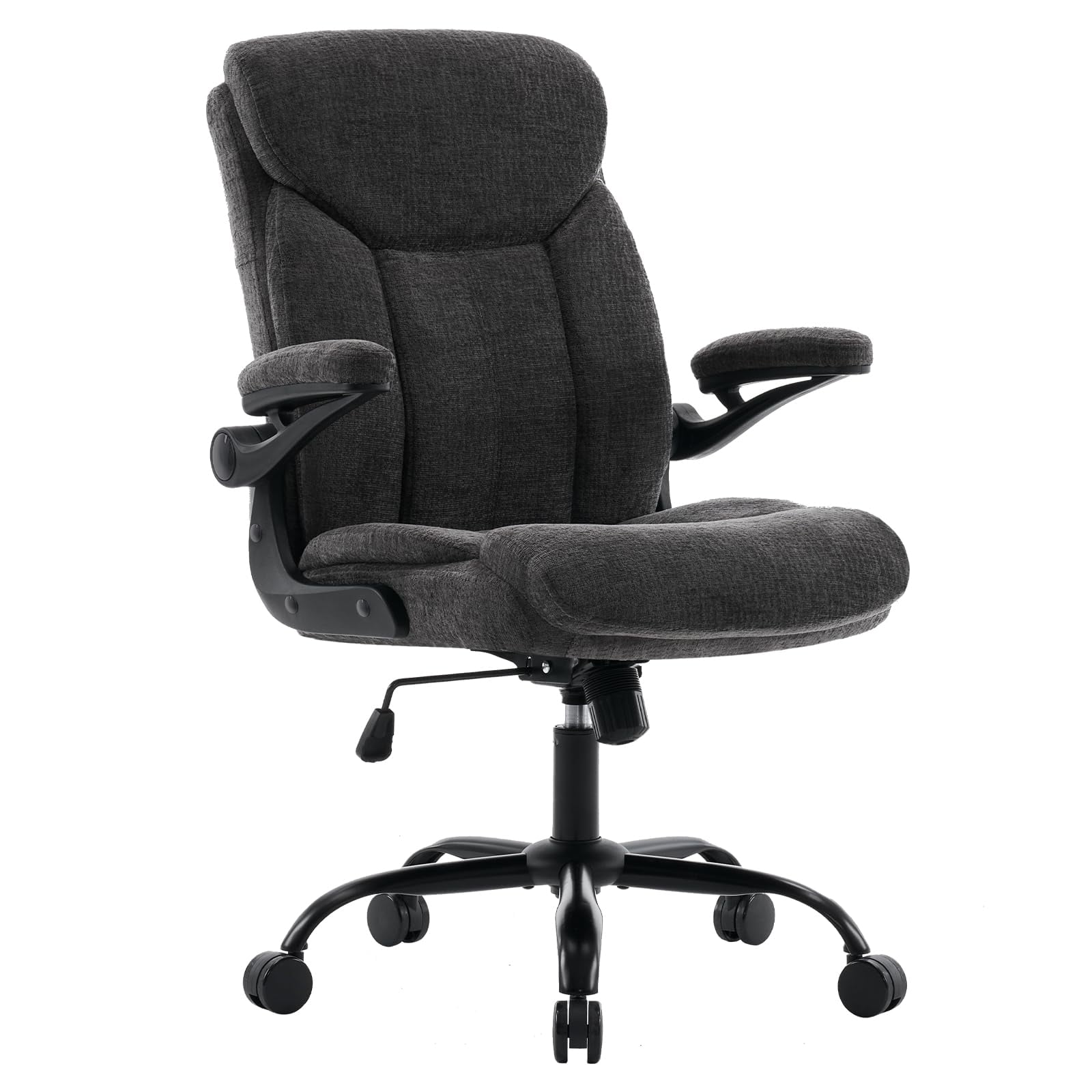
The Complete Guide to Fabric Ergonomic Office Chairs
Imagine coming home after a long day. You sink into your favorite well-worn armchair—it’s soft, inviting, and feels like a hug. Now, imagine bringing that same level of comfort to your workspace. That’s the promise of a high-quality fabric ergonomic office chair. It’s not just a seat; it’s a personal comfort zone engineered to support your body through every deadline and video call.
While leather chairs scream "executive suite" and mesh chairs whisper "high-tech," fabric chairs simply say, "Let's get comfortable and get to work." They are the unsung heroes of the office world, offering a unique combination of breathability, plushness, and practical durability. According to recent workplace surveys, 68% of employees who work from home prefer fabric upholstery for its "warm" and "homey" feel, proving that comfort directly contributes to a positive work mindset.
The Anatomy of a Great Fabric Ergonomic Chair
Choosing the right fabric chair is like selecting a good pair of jeans. The fit, the material, and the construction all matter. Here’s a breakdown of what separates a standard fabric chair from a truly ergonomic powerhouse.
1. Fabric Types: More Than Just Cloth
Not all fabric is created equal. The type of fabric used determines the chair's breathability, durability, and stain resistance.
- Breathable Polyester: The most common and versatile. It’s durable, easy to clean, and often mixed with other fibers for added strength. Look for a high denier (fiber thickness) for longevity.
- Mesh-Fabric Hybrids: These chairs feature a mesh back for maximum airflow and a fabric seat for cushioning. It’s the best of both worlds, offering the cooling effect of mesh with the comfort of fabric where you need it most.
- Performance Fabric: Often treated with stain-resistant and moisture-wicking properties. Perfect for home offices where coffee spills are a real threat. Think of it as the "performance fleece" of office chairs.
- Natural Blends (Linen/Cotton): Offer a unique, textured look and feel incredibly soft. However, they are generally less durable and more prone to staining, requiring more care.
2. The Support System: What Lies Beneath
The fabric is just the wrapper. The real magic is in the ergonomic engineering underneath. A true fabric ergonomic office chair must include:
- Dynamic Lumbar Support: Not just a slight curve, but a mechanism that moves with you. The best chairs have an adjustable lumbar pad that you can raise or lower to fit the natural curve of your spine.
- Seat Depth Adjustment: This often-overlooked feature is crucial. It allows you to slide the seat pan forward or backward, ensuring there's a 2-3 finger gap between the back of your knee and the seat edge. This prevents circulation issues and supports your thighs properly.
- Synchro-Tilt Mechanism: This allows the seat and backrest to move in a synchronized, natural ratio (usually 2:1 or 3:1) as you recline. It keeps you supported and your feet planted, preventing that "feet lifting off the ground" feeling.
- 4D Armrests: Armrests that adjust up/down, forward/back, left/right, and pivot. This allows you to support your arms in any position, relieving shoulder and neck tension whether you're typing or reading.
3. Comfort vs. Support: Finding the Balance
There's a common misconception that "soft" equals "comfortable." In ergonomics, this isn't always true. A chair that's too soft can lack the structure needed to support your posture, leading to slouching and back pain. The ideal fabric chair uses high-density foam (usually cold-cured foam) that is firm enough to provide support but contoured to relieve pressure points. Think of it like a high-quality mattress: it should be supportive, not sink-into-it soft, but with a plush top layer for immediate comfort.
Reduced Heat Buildup
Fabric breathes 40% better than bonded leather, keeping you cooler.
Enhanced Pressure Relief
Quality foam contours to your shape, reducing pressure points by up to 35%.
Style Versatility
Available in 5x more colors/patterns than standard leather chairs.
Quiet Operation
Fabric eliminates the "squeaky leather" sound during movement.
Who is a Fabric Ergonomic Chair Perfect For?
Just as a racing car seat isn't for everyone, a fabric chair has its ideal user. It’s the perfect match if:
- You work in a climate where leather gets sticky and hot.
- You prefer a softer, more inviting seating surface over the cool precision of mesh or leather.
- Your office style is modern, casual, or eclectic, and you want a chair that blends in like furniture, not just office equipment.
- You value a quiet workspace and don't want the creaks and sounds associated with other materials.
- You're looking for a durable, high-quality chair without the premium price tag of top-grain leather.
Maintenance Made Simple: Caring for Your Fabric Chair
Many people worry that fabric chairs are high-maintenance. The truth is, modern fabric technology has made them incredibly easy to care for. Follow this simple numbered guide to keep your chair looking new:
- Weekly Vacuuming: Use the upholstery attachment on your vacuum to remove dust, crumbs, and pet hair from the surface and crevices. This is your first line of defense.
- Immediate Blotting (for Spills): If you spill liquid, don't rub! Blot firmly with a clean, dry, white cloth to absorb as much as possible. Rubbing can push the stain deeper into the fibers.
- Spot Cleaning: Mix a small amount of mild dish soap with warm water. Dip a clean cloth into the solution (don't soak it), and gently dab the stain. Rinse the area by dabbing with another cloth dampened with plain water to remove soap residue.
- Air Dry Thoroughly: Allow the chair to air dry completely before using it. You can speed up the process with a fan. Never use a hair dryer, as excessive heat can damage the fabric or foam.
- Professional Deep Clean (Annually): For a thorough refresh, consider using a home upholstery cleaner or hiring a professional service once a year, especially in high-use offices.
Choosing a fabric ergonomic office chair is an investment in your daily well-being. It’s a choice that prioritizes long-lasting comfort, breathability, and a welcoming aesthetic. By understanding the features that matter, you can find a chair that not only looks great but actively supports your health and productivity for years to come.
Frequently Asked Questions About Fabric Ergonomic Chairs
Final Verdict: Is a Fabric Ergonomic Chair Right for Your Office?
A fabric ergonomic office chair is more than just a place to sit—it's a strategic tool for enhancing comfort, focus, and long-term health. It masterfully bridges the gap between the clinical efficiency of mesh and the formality of leather, offering a tactile, breathable, and inviting seating experience. Whether you're equipping a bustling home office or a corporate workspace, the warmth and adaptability of a high-quality fabric chair make it a compelling choice.
By prioritizing key ergonomic features like adjustable lumbar support and seat depth, and by understanding the simple maintenance routines, you can ensure your investment pays dividends in productivity and well-being for the better part of a decade. Explore the options above to find the perfect blend of support and style that feels like it was made just for you.