
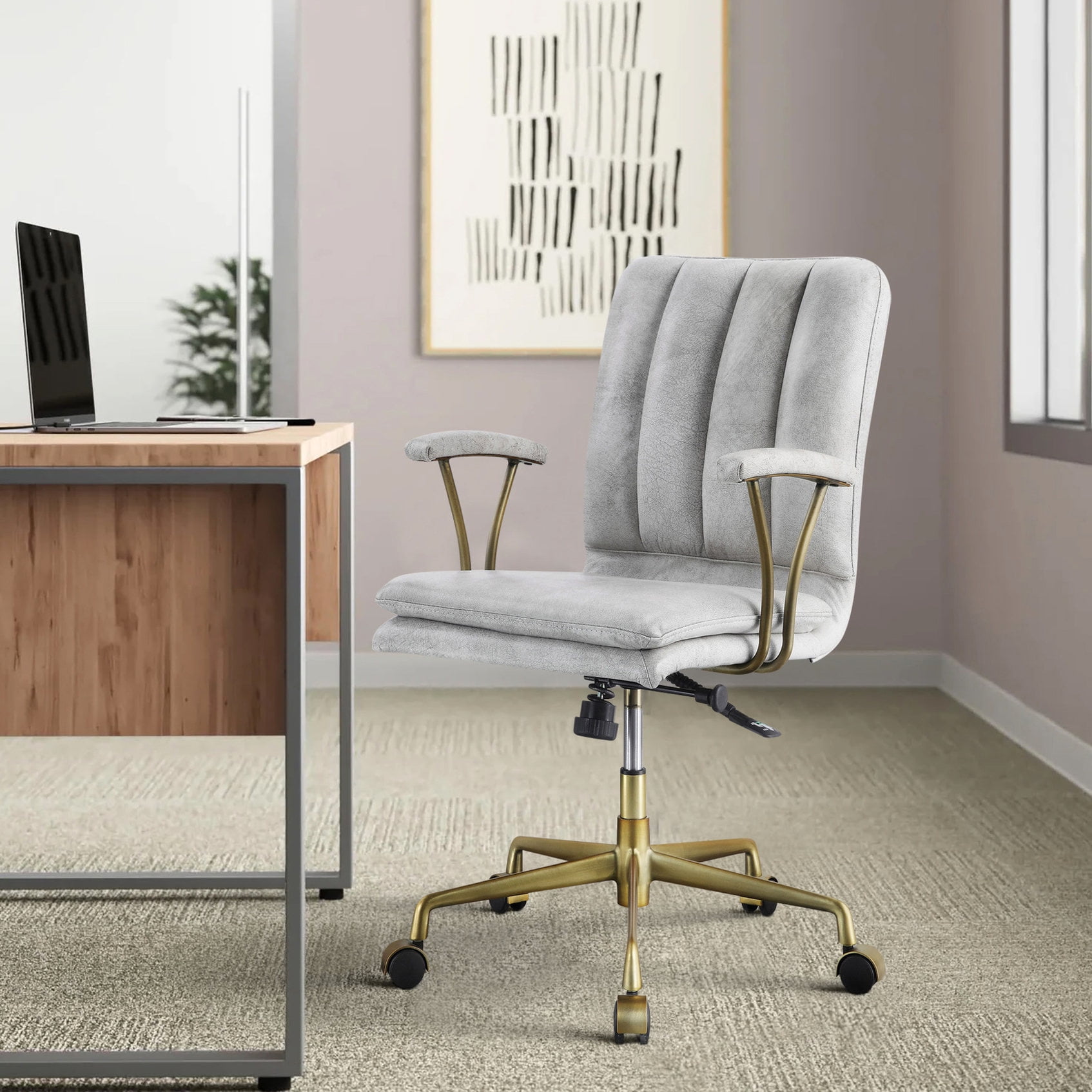
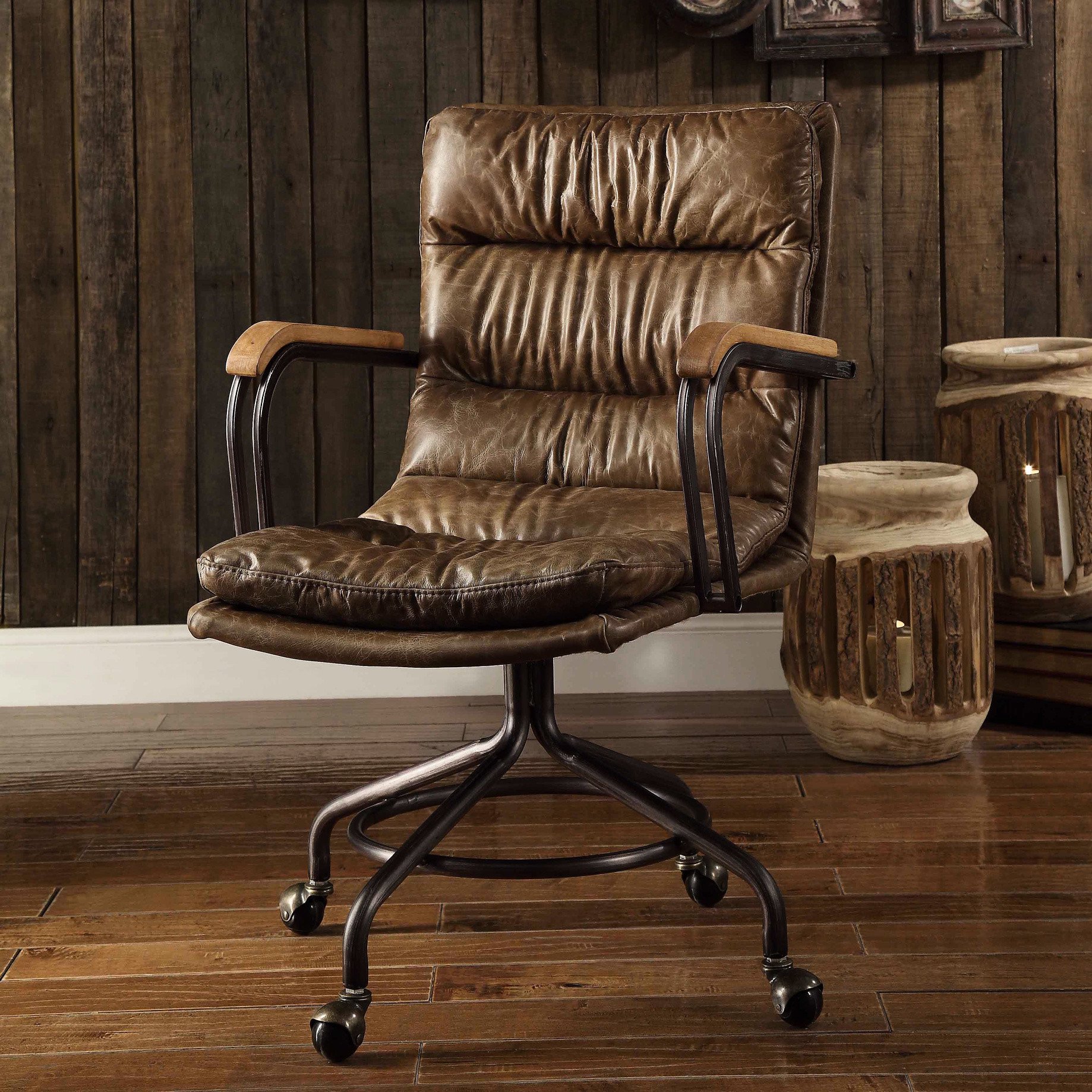
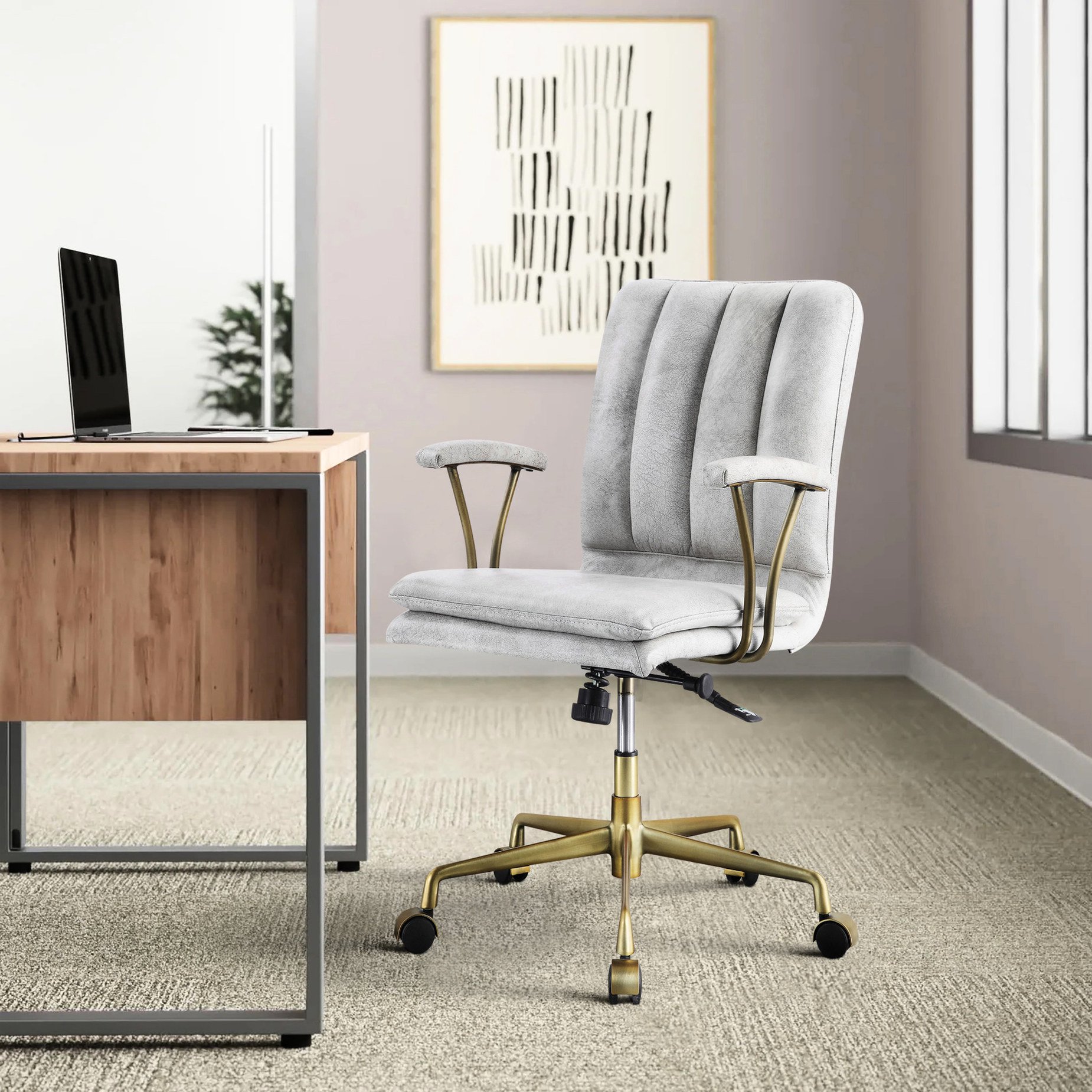
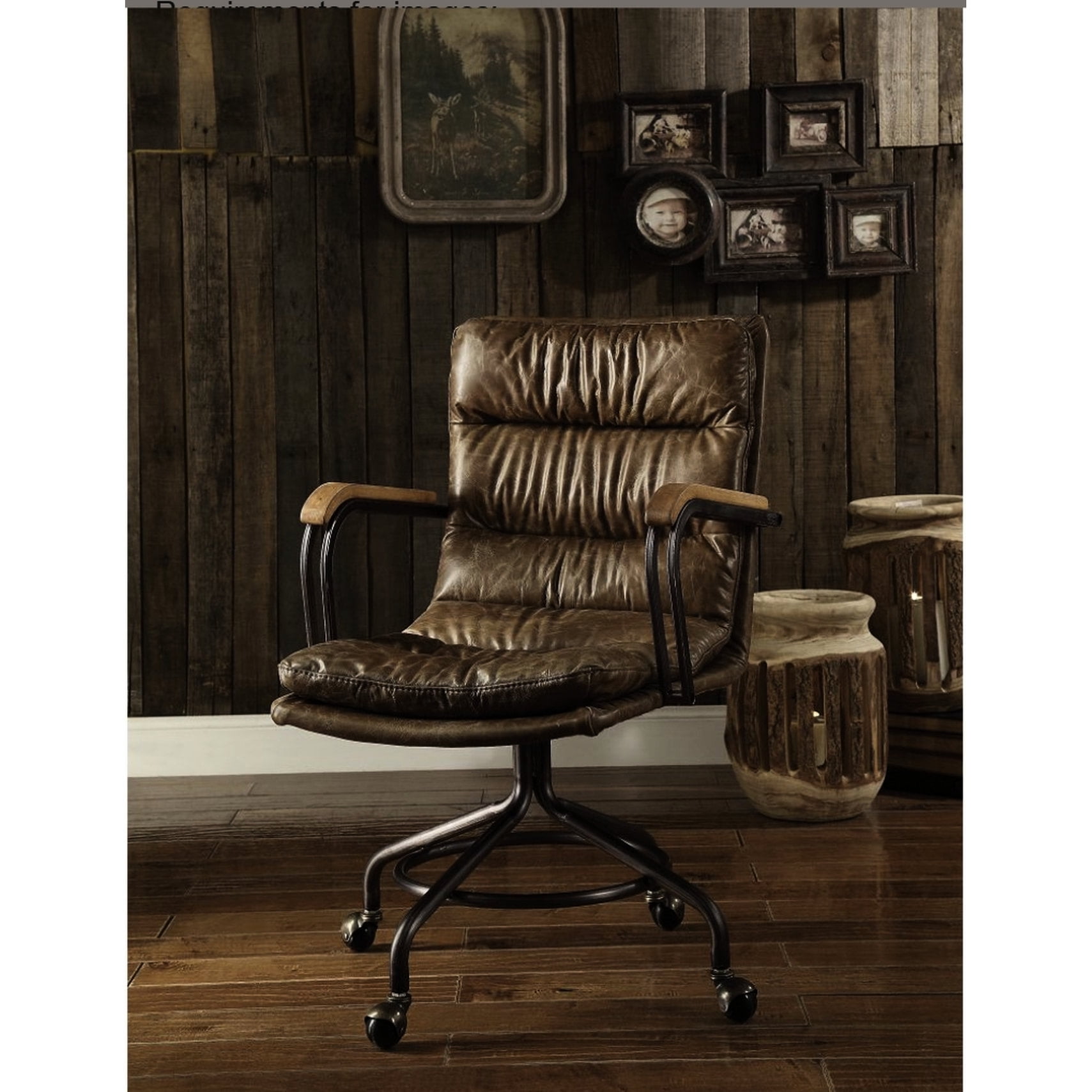
In an era of sleek, space-age ergonomics, there’s a quiet revolution happening in corner offices and home studies alike. Professionals are turning back the clock, seeking the old style office chair—a piece of furniture that carries history, character, and a sense of permanence. These aren’t just chairs; they are statements. They whisper of leather-bound books, mahogany desks, and decisions that shaped industries. But can a design from the past hold up to the demands of a 10-hour workday? Absolutely. Today’s old style office chair marries the timeless aesthetic of the mid-20th century with the subtle ergonomic innovations of the 21st. Let’s pull up a seat and explore why this classic is making a grand return.
The Anatomy of an Old Style Office Chair: More Than Just Nostalgia
When we talk about an old style office chair, we’re referring to a specific design language. It’s the chair you might imagine in a classic film—a private detective’s office or a high-powered lawyer’s suite. But beneath that vintage skin often lies a surprisingly supportive structure. According to a 2023 survey by the Office Furniture Institute, 68% of remote workers expressed a desire for office furniture that felt less 'corporate' and more 'personal,' with vintage styles topping the list for aesthetic preference.
1. The Silhouette: High Backs and Curved Forms
The most recognizable feature is the backrest. Unlike the aggressive, segmented backs of modern gaming chairs, an old style chair often features a single, flowing curve—either a high-back executive style that offers head support or a medium-back manager's chair that ends at the shoulders. This design isn't just for looks. The gentle curvature is engineered to follow the spine's natural lordotic curve, providing a baseline of postural support. Many modern versions enhance this with subtle lumbar padding.
- High-Back Executive: Offers full back and head support, ideal for long hours of reading and conferencing. Often features thicker upholstery.
- Mid-Back Manager: Provides excellent lower and mid-back support while maintaining a less imposing profile. Great for desks where you frequently turn to converse.
- Low-Bback Task: A rarer vintage style, but some classic designs feature low backs, promoting an upright, active sitting posture.
2. Upholstery and Materials: Leather, Velvet, and the Patina of Time
Material choice is where old style chairs truly shine. They reject the cold mesh and plastic in favor of warm, tactile surfaces. Top-grain leather is the gold standard. It develops a unique patina over years of use, telling the story of your work life. For a more accessible option, high-quality bonded leather or thick woven fabric (like tweed or velvet) offers a similar vintage vibe. A key detail is the button-tufting (also known as chesterfield style) often found on the backrest, which adds depth and a handcrafted look. This isn’t just decorative; the tufting helps maintain the shape of the padding over decades.
3. The Base: Wood, Polished Metal, and Reliable Casters
Look underneath any authentic old style office chair, and you’ll typically find one of two things: a solid wood base (often oak, mahogany, or walnut) or a cast metal base with a brushed or polished finish. Wooden bases bring warmth and are surprisingly sturdy. Metal bases, often with a five-star design, provided the blueprint for all modern chairs. The casters are another crucial element. True to their heritage, many old style chairs feature brass or dark-finished caster wheels designed for carpeted floors. For hardwood floors, look for models with updated rubberized casters that retain the classic look but protect your flooring.
Design Longevity: A well-maintained old style office chair from a reputable manufacturer can easily last 20-30 years. This is more than double the average lifespan of a typical budget office chair, making it a sustainable and cost-effective choice in the long run.
Why Choose a Vintage Aesthetic? 3 Compelling Reasons
Beyond the visual appeal, there are practical and psychological benefits to incorporating an old style office chair into your workspace.
1. Psychological Comfort and Focus
There’s a concept in environmental psychology called 'prospect and refuge.' A high-backed, enveloping chair provides a sense of refuge—a protected space where you can focus without feeling exposed. The classic wingback or high-back design of many old style chairs creates this feeling naturally. It can mentally signal to your brain that it’s time for deep, concentrated work. As opposed to the 'temporary' feel of some modern furniture, a substantial, classic chair can ground you in your space and role.
2. An Heirloom Investment
Fast furniture is a growing concern, with millions of tons ending up in landfills each year. Choosing an old style office chair is often a choice for durability. These chairs are built with techniques like kiln-dried hardwood frames and eight-way hand-tied springs (in premium models). They are designed to be repaired—re-upholstered, re-finished, re-castered. This is the opposite of disposable. It’s an investment in a piece that could one day furnish your home library or be passed down.
3. The Perfect Contrast in Modern Interiors
Interior designers often use the 'contrast principle' to create dynamic spaces. A clean, minimalist white desk paired with a rich, brown leather old style chair creates visual tension and interest. The chair becomes the centerpiece. It adds a layer of history and humanity to a room full of flat screens and sleek technology. This blend of old and new is a hallmark of sophisticated, curated design.
Old Style Chair Materials at a Glance
| Material | Vibe | Durability | Maintenance | Best For |
|---|---|---|---|---|
| Full-Grain Leather | Executive, Luxurious | Excellent (20+ years) | Conditioning (annual) | The corner office, a classic study |
| Bonded Leather / Faux Leather | Classic on a budget | Good (5-8 years) | Easy wipe-clean | Home offices, guest chairs |
| Heavy-Duty Fabric (e.g., Tweed, Velvet) | Warm, cozy, mid-century | Good (8-12 years) | Vacuuming, professional cleaning | Creative studios, libraries |
| Solid Wood Base | Traditional, Craftsmanship | Excellent (Lifetime) | Polish occasionally | Matching wood desks, traditional decor |
How to Select Your Perfect Old Style Office Chair: A Step-by-Step Guide
Choosing a vintage-style chair is a delightful process. Follow these steps to find the one that fits your body and your space perfectly.
- Measure Your Space: Old style chairs can be more substantial. Measure the width of the chair's base and the depth when fully reclined (if it has a tilt mechanism). Ensure you have enough room to push back from your desk.
- Check Desk Height: Classic chairs often have a standard seat height range (approx. 17-21 inches). Measure your desk height; you want about 10-12 inches between your seat and the underside of the desk for proper leg room.
- Prioritize the 'Feel' of the Padding: Look for high-density foam. It should feel firm and supportive, not mushy. When you sit, you shouldn't immediately feel the hard base beneath. This is crucial for all-day comfort.
- Test the Mechanism: If it’s a swivel chair, the motion should be smooth and quiet. If it has a gas lift (for height adjustment), it should operate without jerking. Many true vintage reproductions use durable, modern Class 3 or 4 gas lifts.
- Examine the Casters: Determine your floor type. Soft rubber casters for hardwood/laminate, traditional hard casters for carpet. Ensure they roll freely.
Frequently Asked Questions About Old Style Office Chairs
Conclusion: Timeless Style Meets Everyday Function
The resurgence of the old style office chair isn't just a trend; it’s a recognition that our workspaces should reflect our values and personalities. These chairs offer a bridge between the craftsmanship of the past and the ergonomic understanding of the present. They invite you to sit down, stay a while, and do your best work in an environment that feels both professional and personal. Whether you’re drawn to the deep patina of leather, the sturdy grace of a wooden base, or the simple, honest lines of a mid-century design, there’s an old style office chair waiting to become the cornerstone of your office.
Final Thought: Don’t just furnish your office; curate it. An old style chair is more than a seat—it’s a daily reminder of quality, permanence, and the enduring power of good design.